


Ant in Pest Control







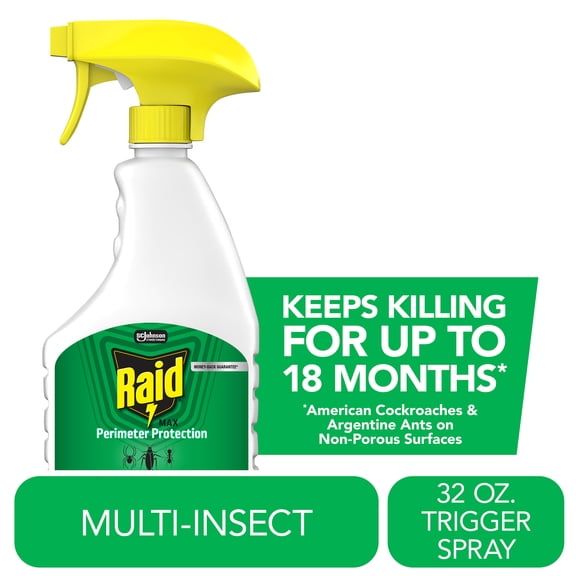


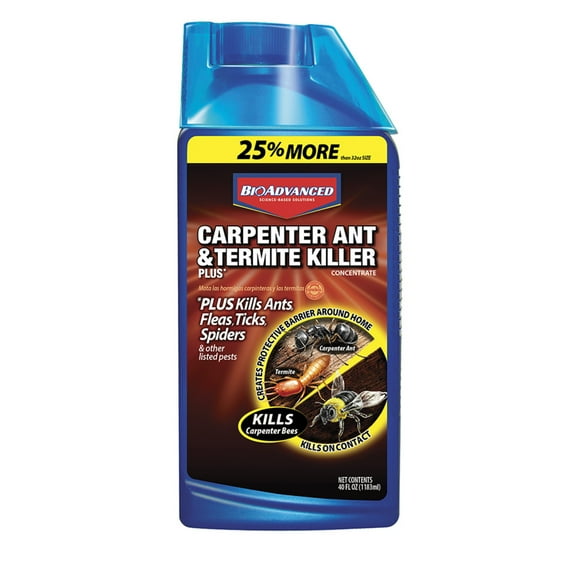
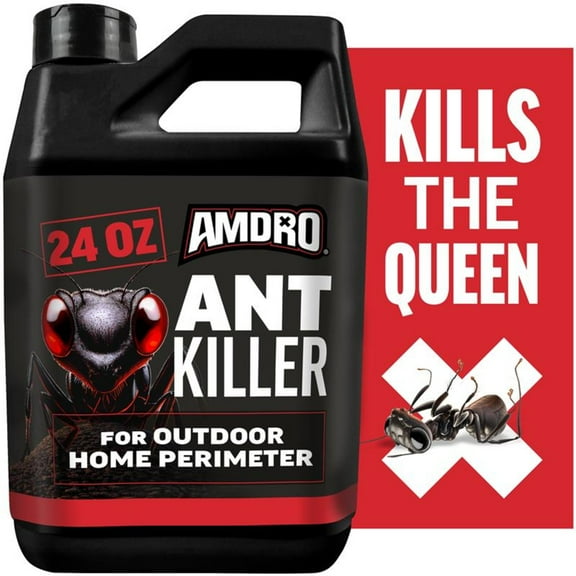
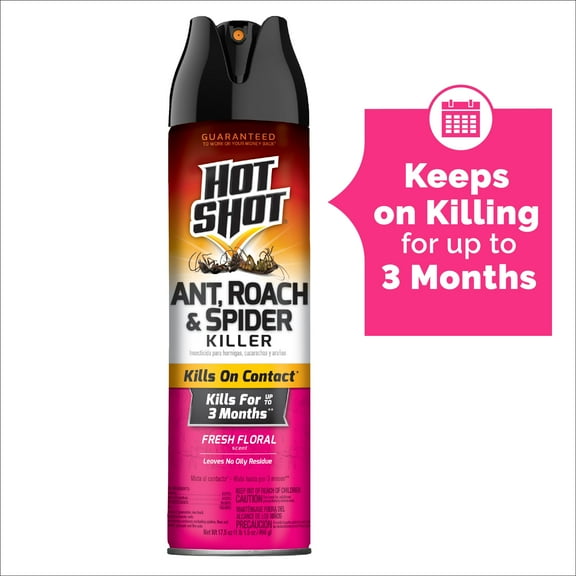


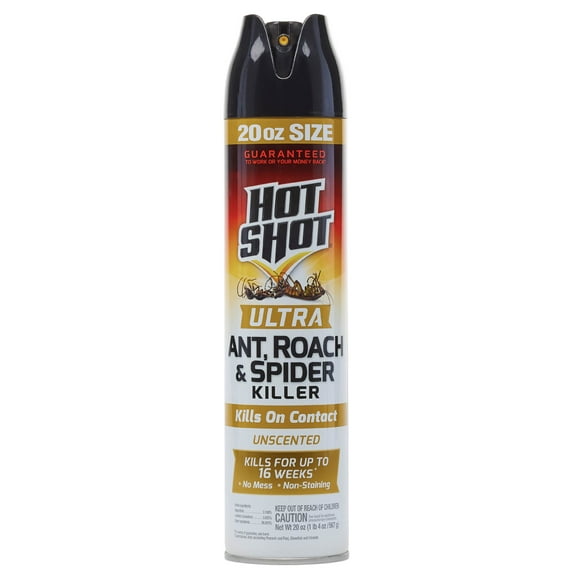

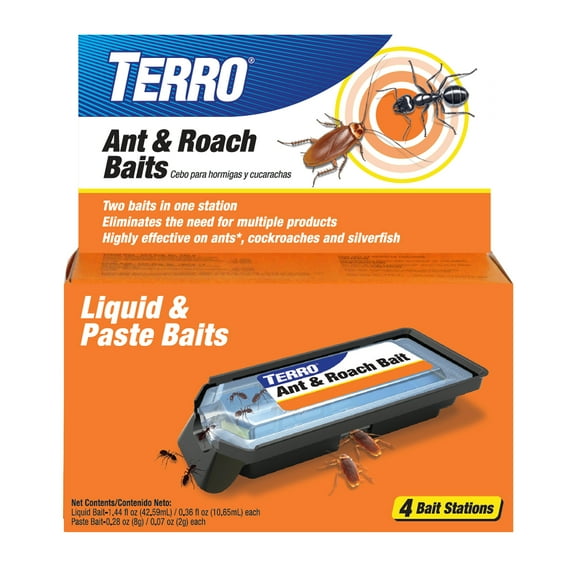
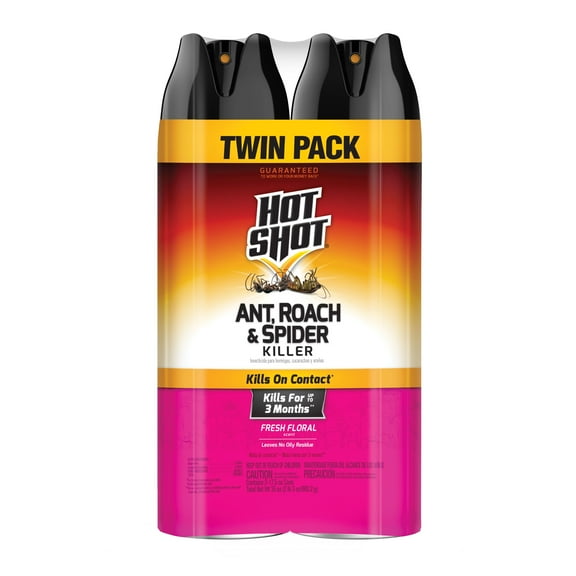
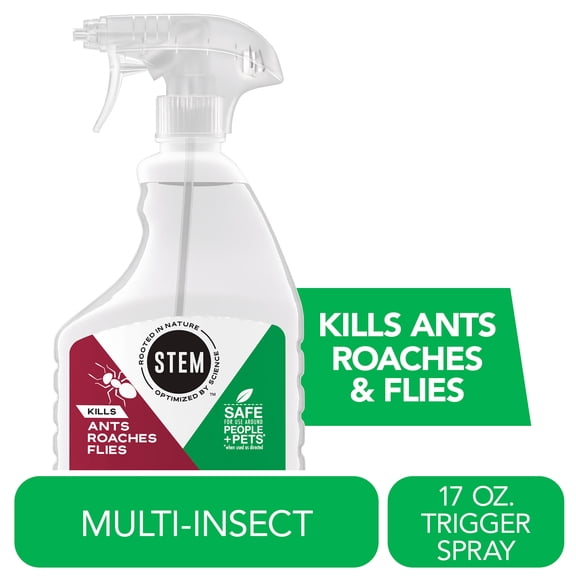


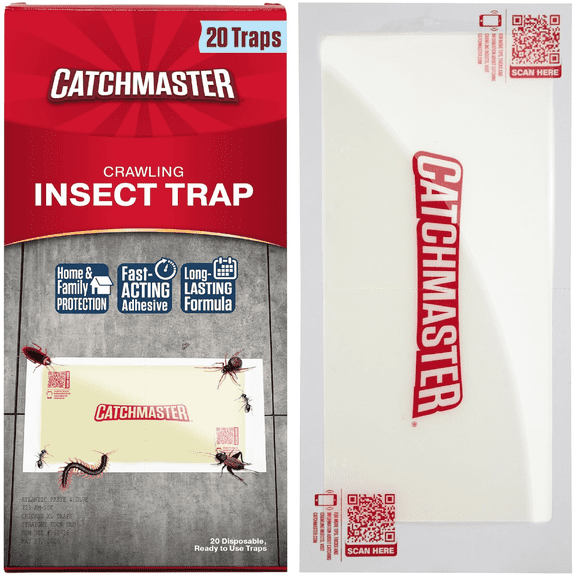
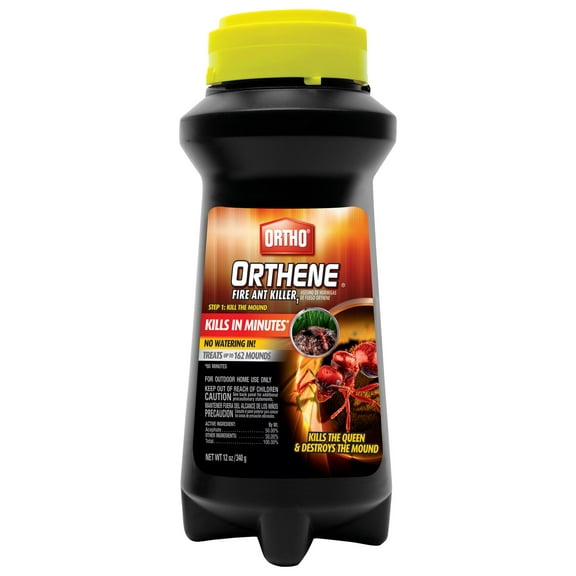

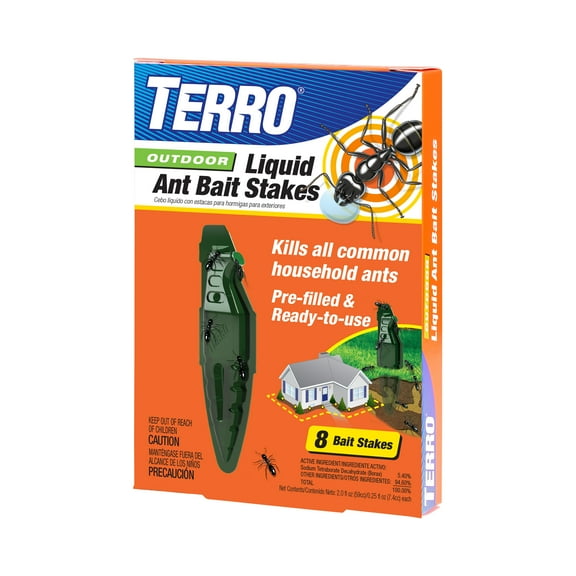
About Ant in Pest Control - Walmart.com
You can tackle household trails with ant killer options that match your space, your ant type, and your cleanup routine. You’ll find choices for fast contact control, slow-working ant bait, and enclosed ant traps for indoor and outdoor use.
How to choose ant killer for your home
Start by checking where you need coverage, because your indoor ant control needs differ from your yard or foundation. You’ll usually want enclosed stations or low-odor sprays indoors, while you may prefer granules or weather-ready bait stations outside.
Next, consider whether you want immediate knockdown or colony elimination over time. You’ll often use ant spray for visible trails, while you may choose bait when you want ants to carry treatment back.
Your ant problem may also change by species, which makes label matching important. You’ll want to compare options for carpenter ant killer, fire ant killer, and products designed for sugar ants or black ants.
Key differences between ant traps, bait, sprays, and granules
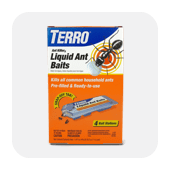
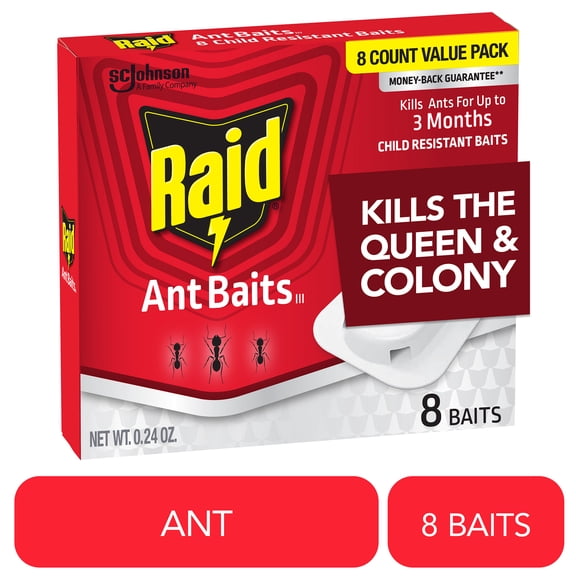
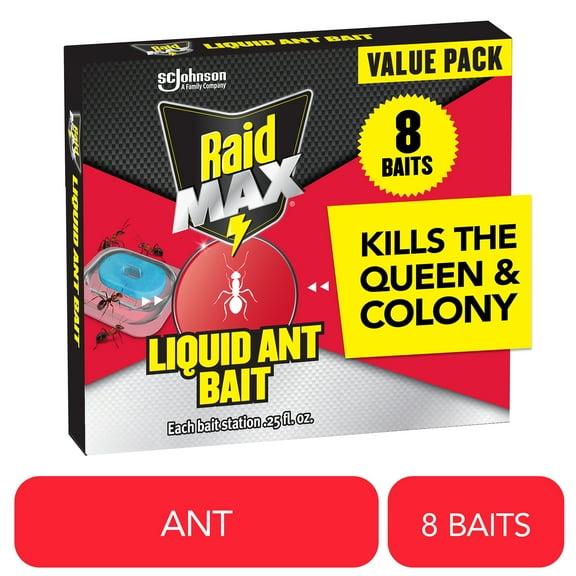
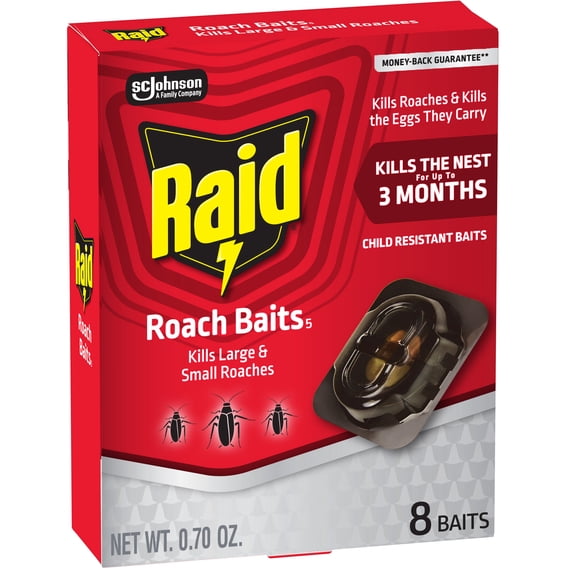
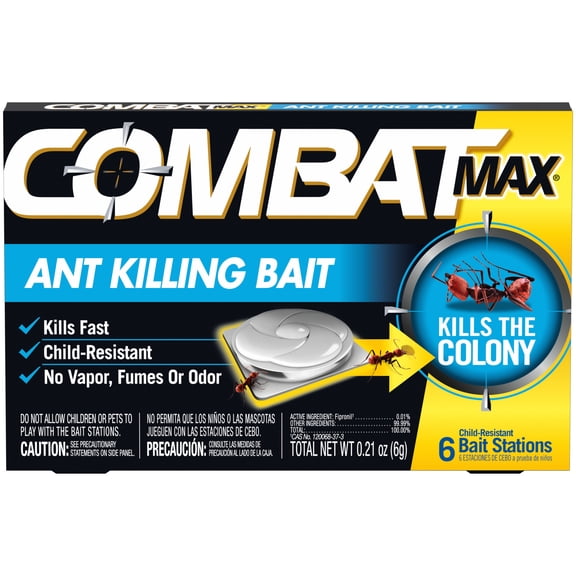
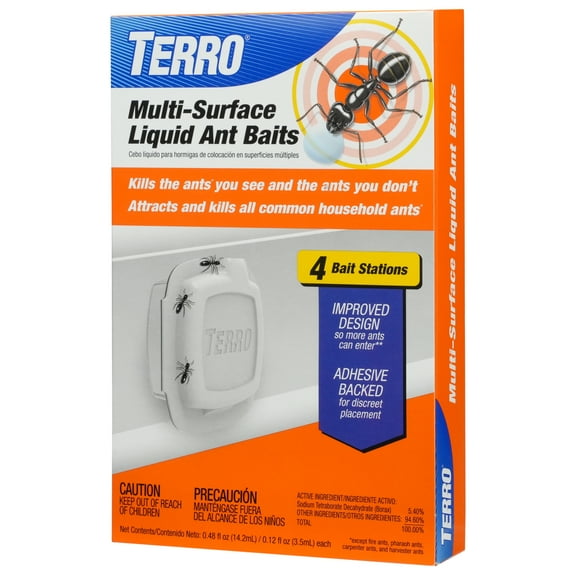
Baits and traps help when you need ants to feed, return, and spread the formula through the nest. You’ll often choose liquid ant bait or gel when you notice steady indoor trails near sinks, pantries, or baseboards.
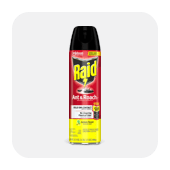
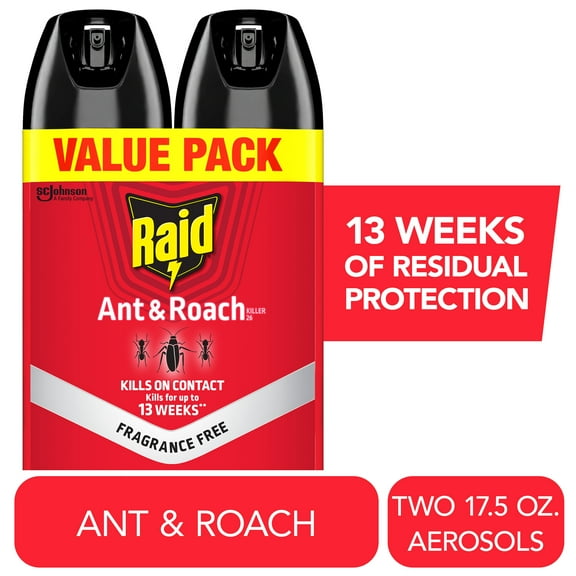
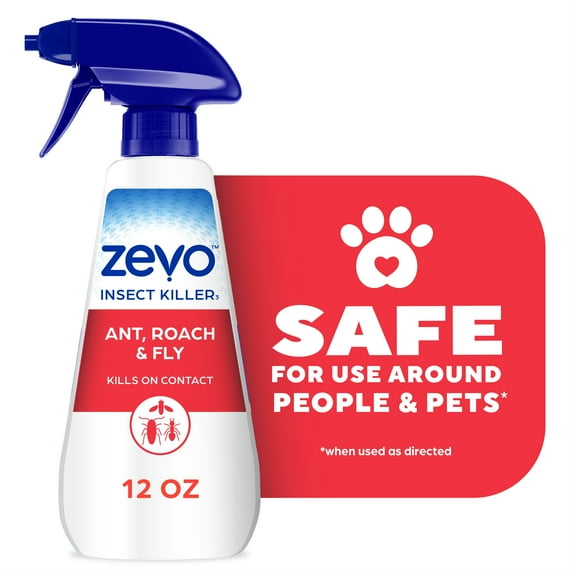
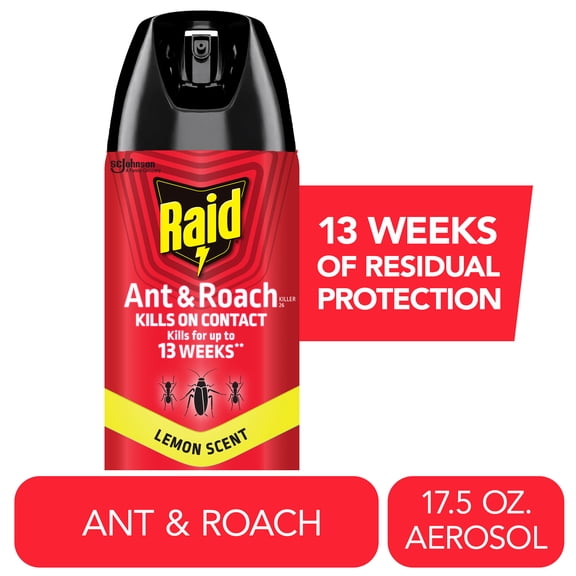
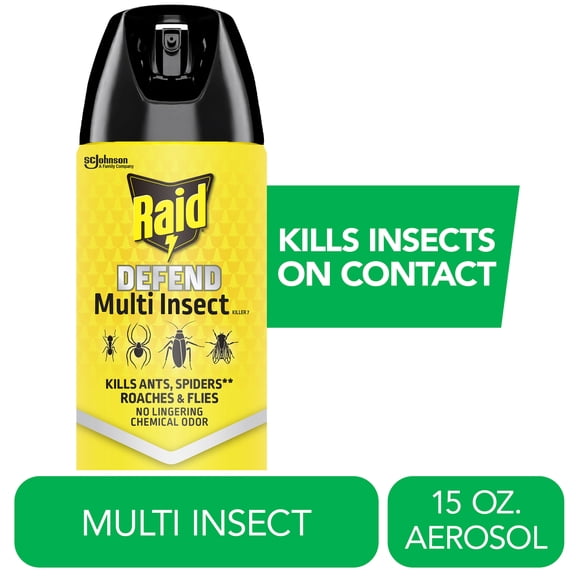
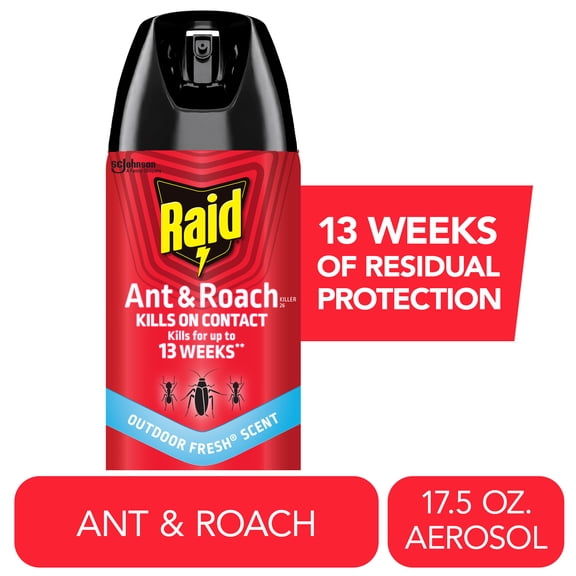
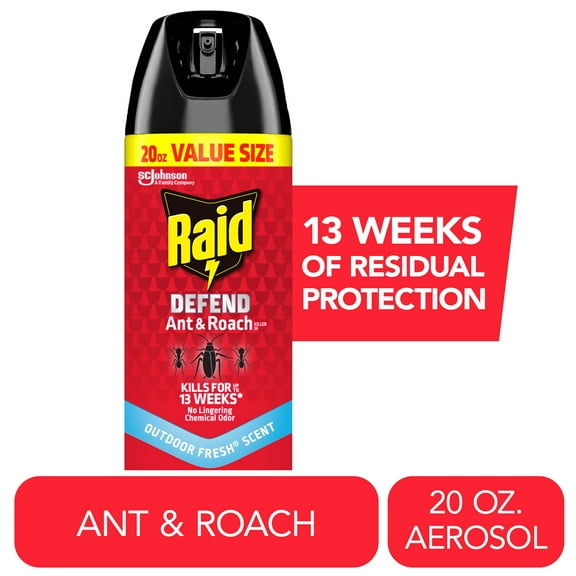
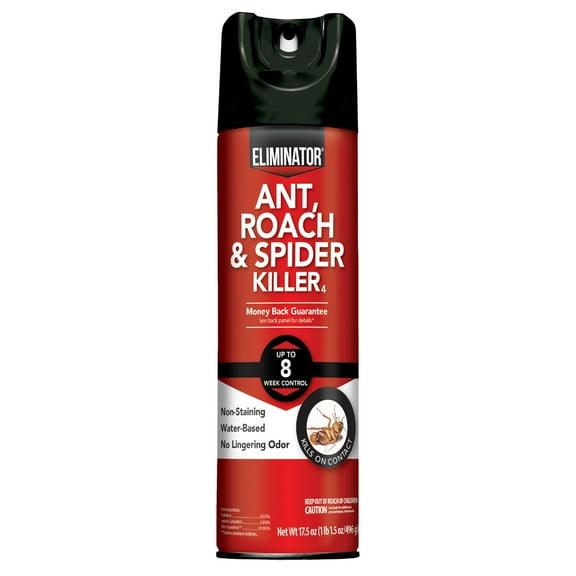
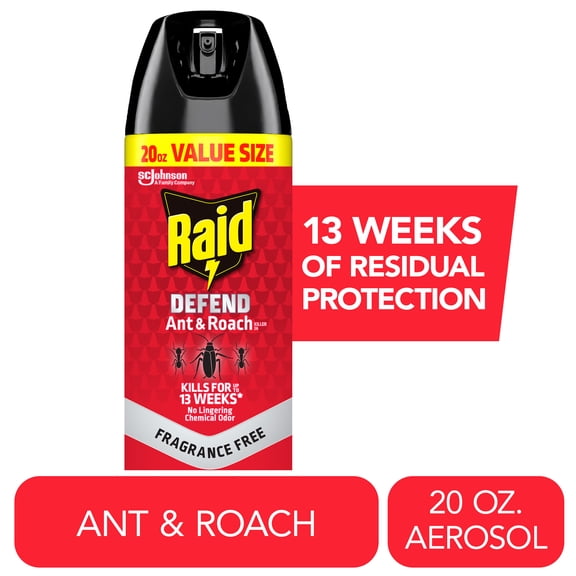
Sprays work differently because you apply them directly to ants, entry points, or travel lines. You’ll usually notice immediate contact kill, which helps when you want quick cleanup around door frames or windows.
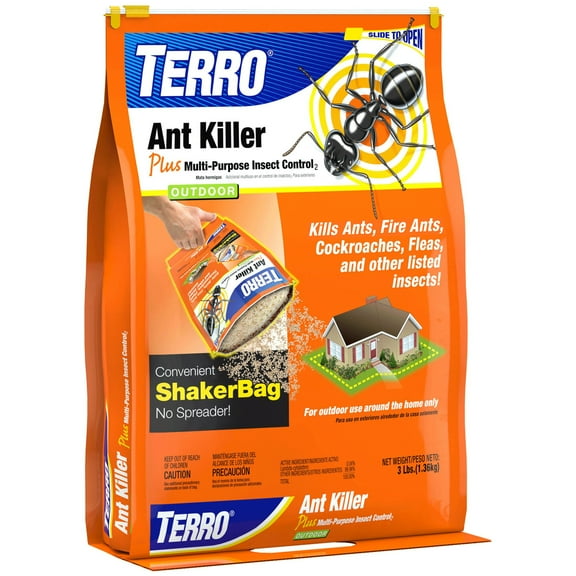
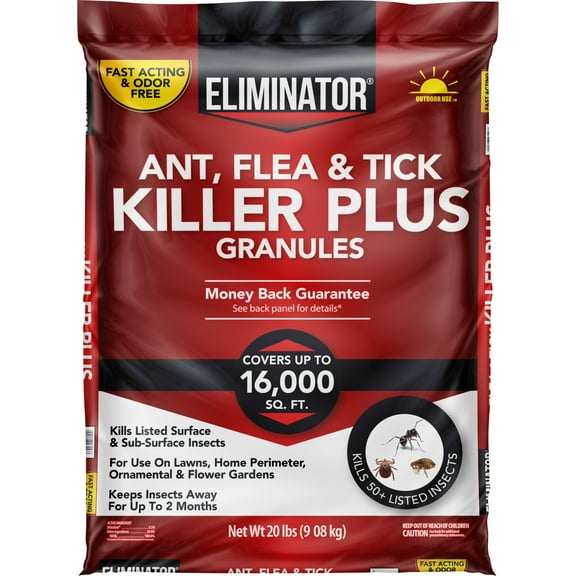
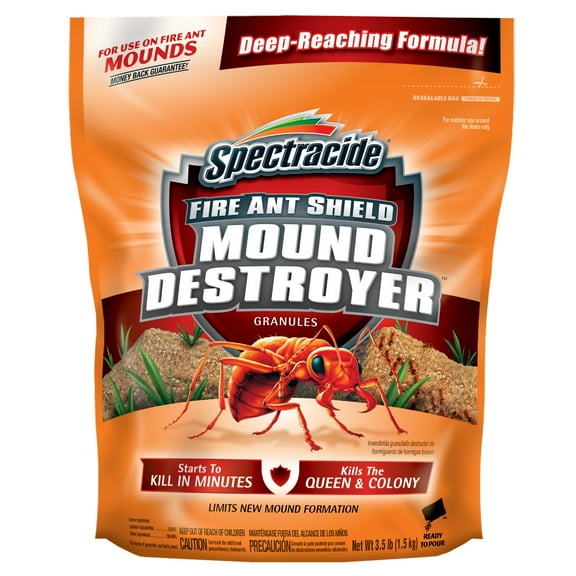
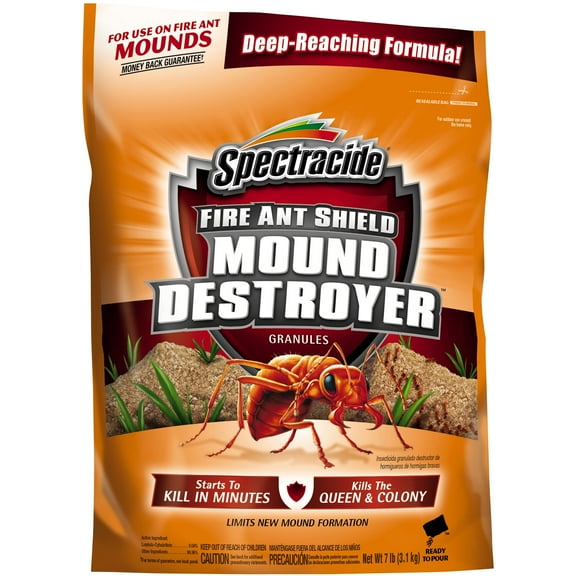
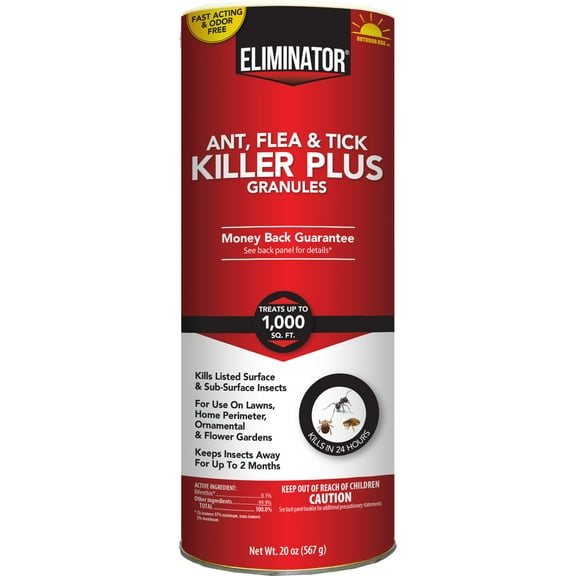
Granules support broader outdoor coverage across lawns, beds, or perimeter zones. You can spread them around patios, foundations, and nest areas when you need outdoor ant killer for larger spaces.
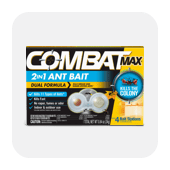
- You can use enclosed ant traps in shared indoor spaces where neat placement matters.
- You can choose liquid ant bait when you want worker ants to carry formula back to hidden nests.
- You can reach cracks, corners, and entry lines with ant spray for direct application.
- You can cover wider outdoor areas with granules when trails extend into soil or mulch.
What to look for in indoor ant control
Indoor ant control works effectively when you match the formula to your room, traffic level, and placement options. You should look for enclosed bait stations, low-odor sprays, and non-staining formulas that suit kitchens, laundry rooms, or bathrooms.
If you have active trails near food storage, you may compare ant traps with liquid ant bait for discreet placement. You’ll want stations that sit flat under cabinets or along walls without disrupting your daily routine.
For visible movement around windows or baseboards, you may prefer an ant spray with targeted application. You can direct treatment into gaps, corners, and trim lines where ants travel frequently.
Safety labeling matters when your home includes children or pets, so you should compare placement instructions closely. You’ll want options that support careful positioning, enclosed designs, or outdoor-only use based on your household setup.
Choosing outdoor ant killer and perimeter coverage
Outdoor problems usually call for wider coverage and long-lasting placement. You can compare bait stations, granules, and perimeter sprays based on weather exposure, lawn size, and how far trails extend.
If ants are entering from foundations, walkways, or deck edges, you may use outdoor ant killer along those routes. You’ll often look for products described for perimeter or season-long control when repeat activity appears outside.
Granules can help you treat larger lawn sections, while bait stations help you target active foraging zones. You can place them near patios, fences, sheds, and garden borders where ants repeatedly gather.
Fire ant killer choices may also differ from general outdoor formulas because mound treatment needs focused application. You should compare product directions carefully when you’re treating visible mounds, open soil, or warm-weather yard activity.
How to match ant control to species and active ingredients
Your results often improve when you match the formula to the ants you actually see. You can compare carpenter ant killer, fire ant killer, and general ant bait options based on label guidance for target species.
Carpenter ants, sugar ants, black ants, and fire ants don’t always respond the same way to one formula. You’ll want to check whether a borax-based bait or a fipronil active ingredient appears on labels for your intended use.
Borax-based bait often fits common indoor trail activity where worker ants feed and return to the nest. You may choose that route when you want slow transfer through the colony instead of only surface contact.
Fipronil active ingredient can appear in some outdoor ant bait or perimeter products for broader colony control. You should always compare the label’s target species and application area before choosing a format.
Use cases for common ant problems
If you’re seeing a line of ants in the kitchen each morning, you may start with ant traps or liquid ant bait. You can place them near trail edges, then monitor activity as workers return to hidden nesting areas.
When ants appear suddenly around doors, window sills, or garage entries, you may want ant spray for fast contact cleanup. You can then add bait near entry routes when you need a long-term colony approach.
If you’re managing recurring patio or foundation traffic, you may compare outdoor bait stations with perimeter granules. You’ll get flexible coverage when you match the product form to hard surfaces, mulch, or lawn edges.
For warm-weather yard issues, you may need fire ant killer designed for mounds or open lawn treatment. You can also compare season-long control options when you want fewer repeat applications across larger outdoor spaces.
If carpenter ants show up near wood trim, sheds, or damp outdoor areas, you should compare carpenter ant killer labels closely. You’ll want a product that matches both the species and the place where activity starts.
You can narrow your choice quickly when you compare formulation type, application area, target species, and control duration together. You’ll feel more confident choosing ant killer that fits your home, your placement needs, and your cleanup goals.