




Almonds in Nuts, Trail Mix & Seeds


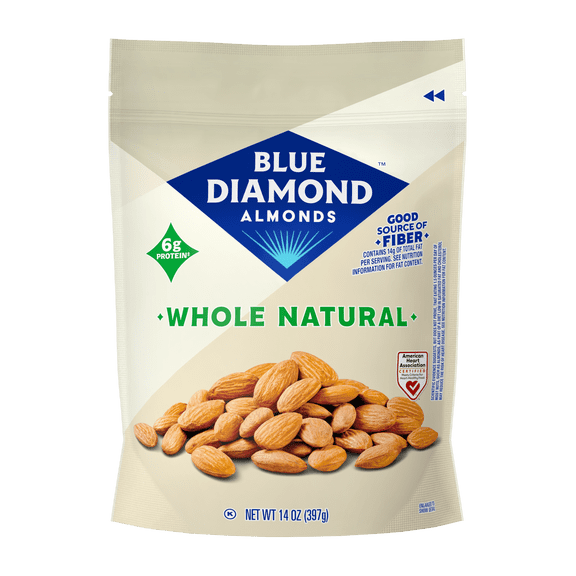


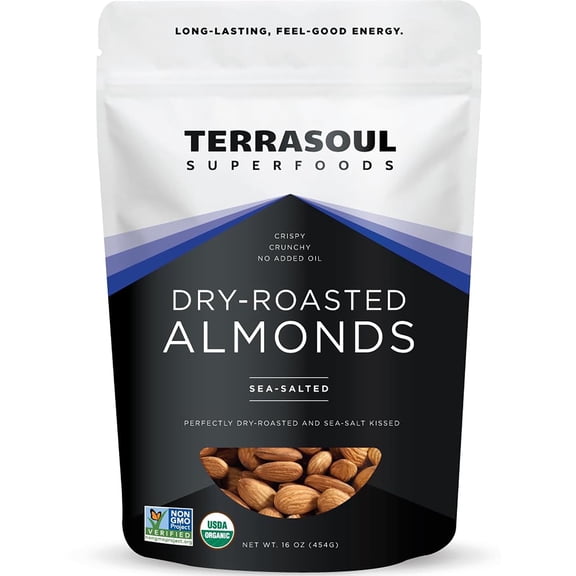


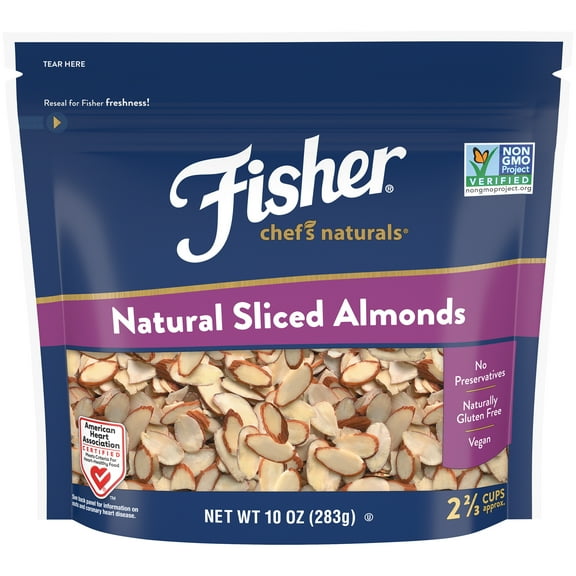


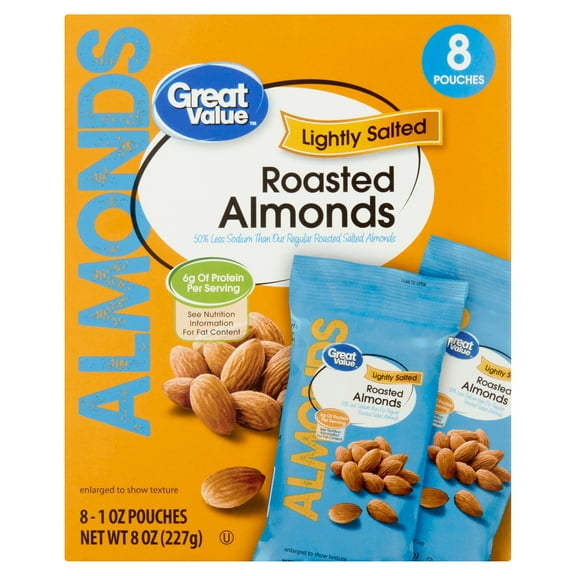



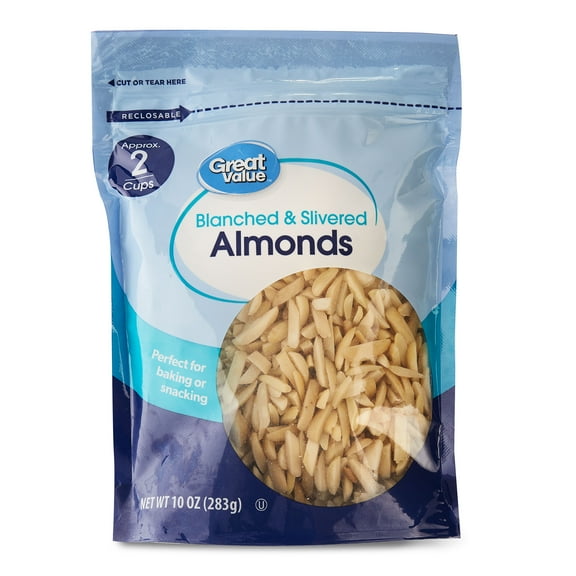


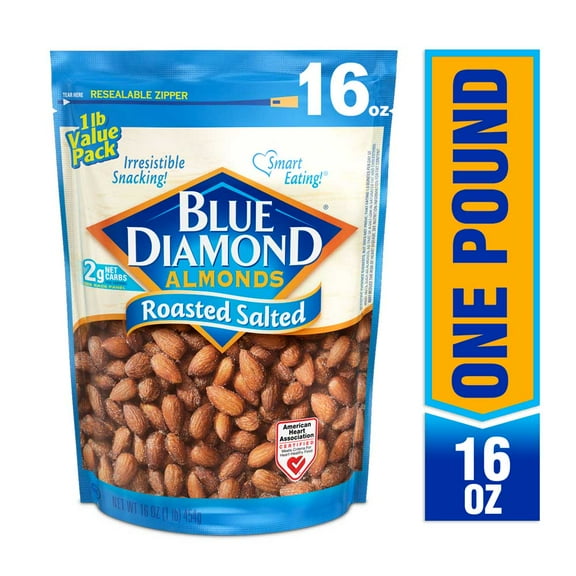
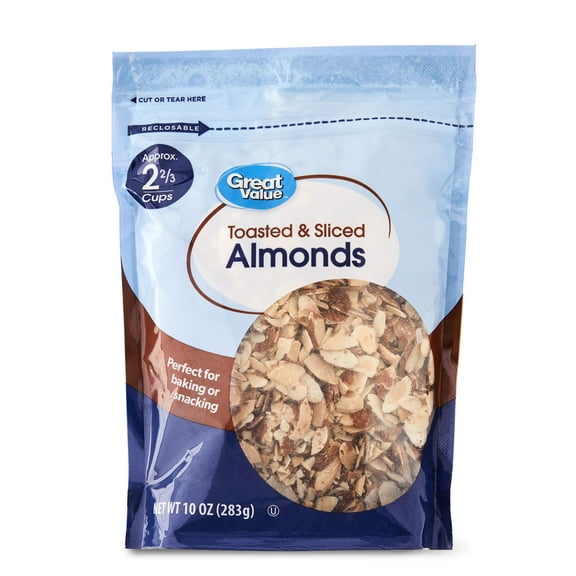
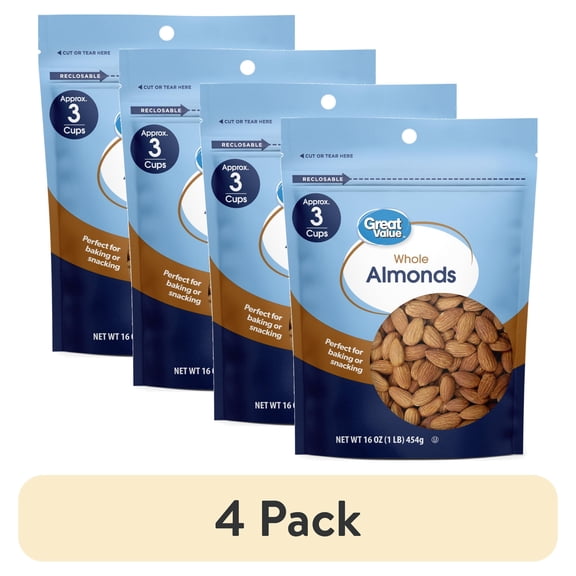







About Almonds in Nuts, Trail Mix & Seeds - Walmart.com
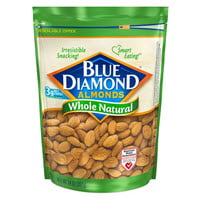
Almonds give you a flexible pantry staple for snacking, baking, and meal prep. You can compare raw almonds, roasted almonds, and salted almonds in one place.
You can also sort by cut, seasoning, and package size for everyday use. You’ll find options that fit lunch boxes, salad toppings, and homemade almond butter.
Choosing almonds by preparation and flavor
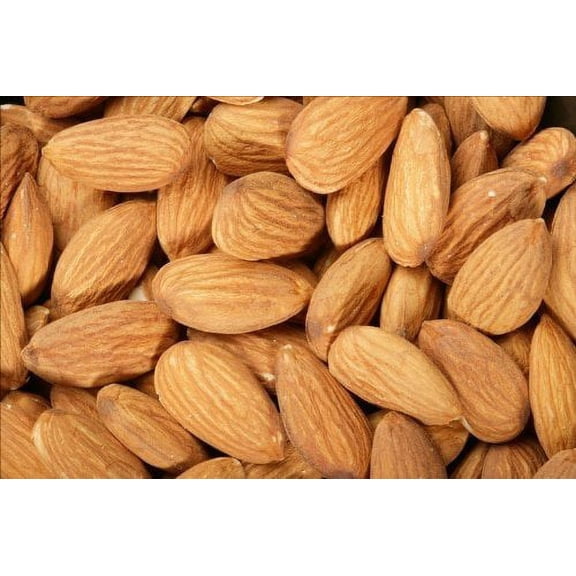
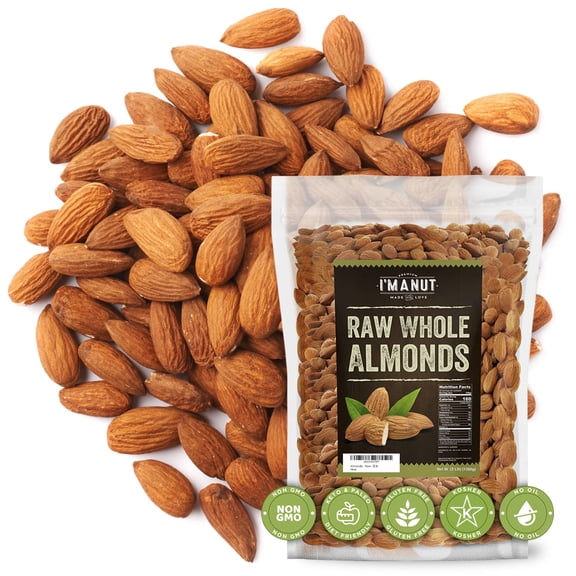
You should start with preparation because it shapes taste and texture right away. You may prefer raw almonds for a mild flavor and a firmer natural bite.
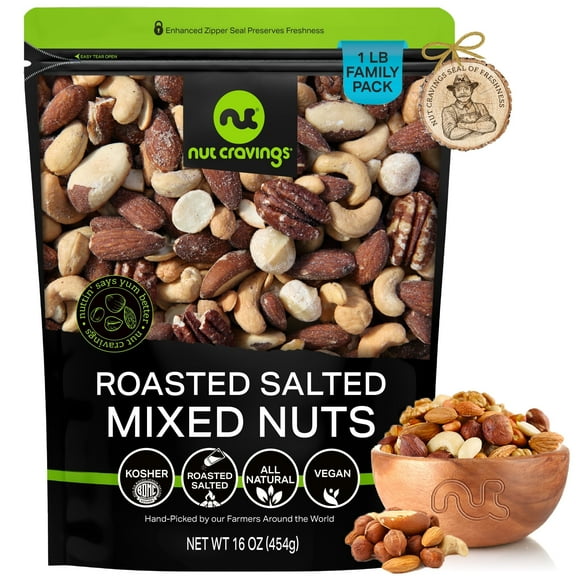
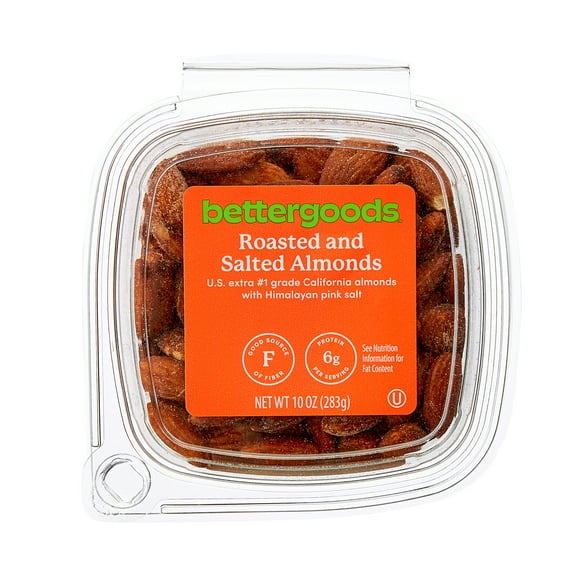
Roasted almonds usually feel crunchier and taste toastier in simple snacks. You can use them straight from the bag or add them to trail mix.
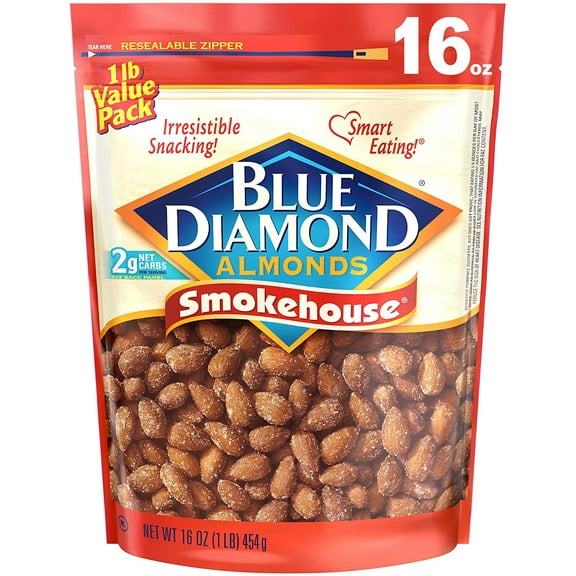
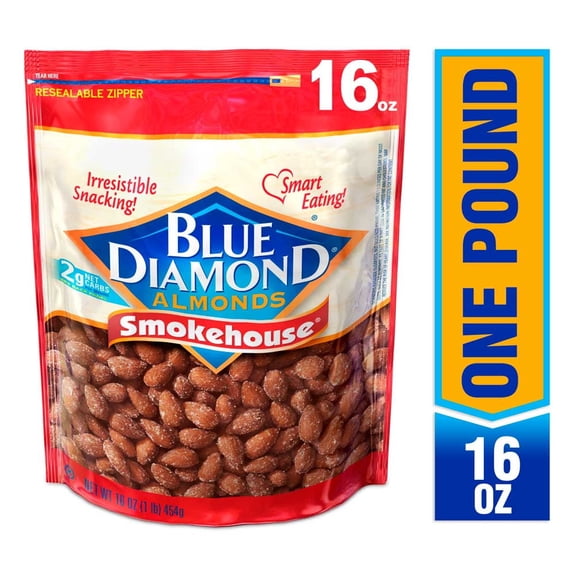
Smoked options bring a deeper savory note that stands out on snack boards. You can keep blanched almonds nearby when you want a smoother look in cookies or cakes.
Your seasoning choice matters just as much as preparation when you compare varieties. You can choose salted almonds for stronger flavor or unsalted kinds for simpler recipe control.
Honey roasted and spicy choices fit snack-focused shopping with more pronounced flavor. You can separate those options from baking almonds for easier pantry planning.
Why almonds work in snacks, baking, and meal prep
You get one ingredient that moves easily from quick snacks to finished recipes. You can keep almonds on hand for oatmeal, yogurt bowls, casseroles, and homemade mixes.
Different styles support different tasks across your week. You can match texture, seasoning, and cut to what you’re making without changing categories.
- You can choose raw almonds when you want a plain, nutty taste for recipes or custom seasoning.
- You can reach for roasted almonds when you want crisp texture and a deeper toasted flavor.
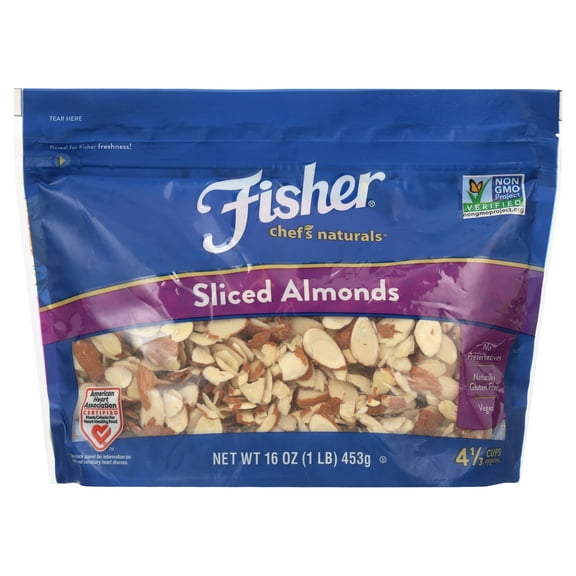
- You can use sliced almonds when you want lighter pieces for salads, muffins, and parfaits.
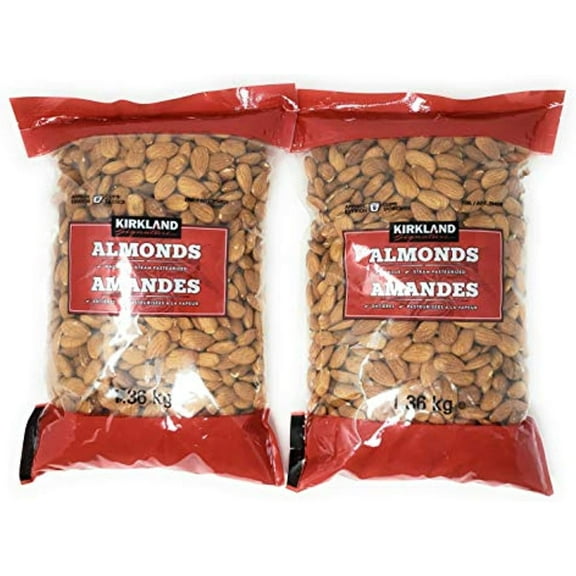
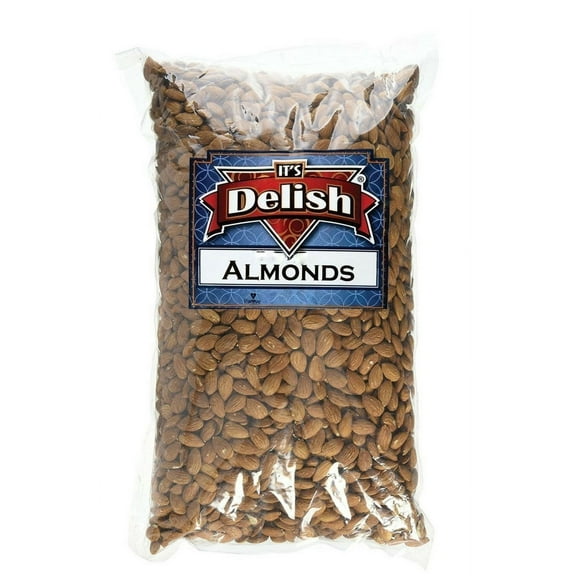
- You can pick bulk almonds when you bake often and want a larger pantry supply.
Your meals feel easier to finish when the right almond style is ready. You can add whole nuts to snack mixes or sprinkle sliced almonds over green beans.
You also get useful variety from one pantry staple throughout the day. You can move from breakfast toppings to dessert prep with the same ingredient family.
Comparing raw almonds, roasted almonds, and salted almonds
You should compare raw and roasted styles first because each one fits different routines. You’ll usually notice raw almonds taste cleaner, while roasted almonds taste richer.
Your nutrition label check can be simple and practical during comparison. You can review ingredients and sodium details when salted or unsalted choices matter in your household.
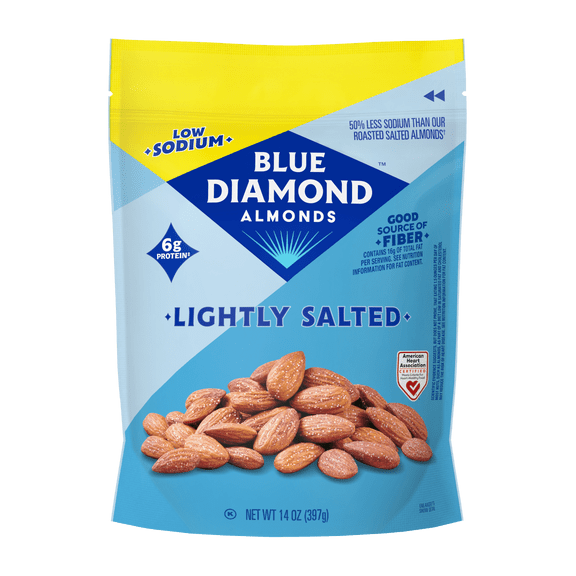
Unsalted options can give you more control when you season recipes at home. You may choose salted almonds when you want ready-to-eat flavor for desk drawers or backpacks.
Organic almonds may matter if that attribute fits your grocery preferences. You can also compare ingredient lists, package types, and size options before deciding.
Choosing the right cut and package size
You’ll want to match the cut to the recipe you make frequently. You can use whole almonds for snacking, while sliced almonds suit salads and baked toppings.
Slivered almonds give you longer pieces that toast quickly in a pan. You can choose ground almonds when you need a finer texture for crusts or baking projects.
Your package size should reflect how quickly you use almonds at home. You may like snack packs for portioned convenience, while bulk almonds fit frequent bakers.
Resealable bags can make pantry storage simpler between uses. You can also transfer almonds to an airtight container for an organized shelf setup.
You should look for packaging that closes securely after each use. You can keep almonds in a cool, dry place to help maintain flavor and texture.
Using almonds in everyday meals and routines
You can build breakfasts faster when almonds are ready for cereal, oatmeal, or smoothie bowls. You may use sliced almonds for toppings because they spread evenly and add light crunch.
At lunch, you can pack whole or roasted almonds for work bags and desk drawers. You’ll appreciate snack packs when you want easy portions for busy schedules.
Your dinner prep gets simpler when you choose the right form first. You can toss slivered almonds into rice dishes or use blanched almonds in sauces.
For baking, you can keep bulk almonds nearby for cookies, cakes, granola, and trail mix. You may also use ground almonds in crusts or as a baking ingredient.
When you entertain, you can set out smoked, roasted, or salted almonds with dried fruit and crackers. You can create a simple snack board with varied textures and flavors.
Your pantry works harder when your almonds match how you cook and snack. You can make fewer substitutions and get more consistent texture in everyday recipes.
Almonds give you clear choices in preparation, seasoning, cut, and package size. You can pick the combination that fits your recipes, storage setup, and daily snacking habits.