


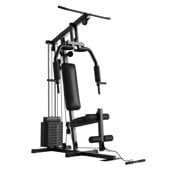
Adjustable Weights in Weights
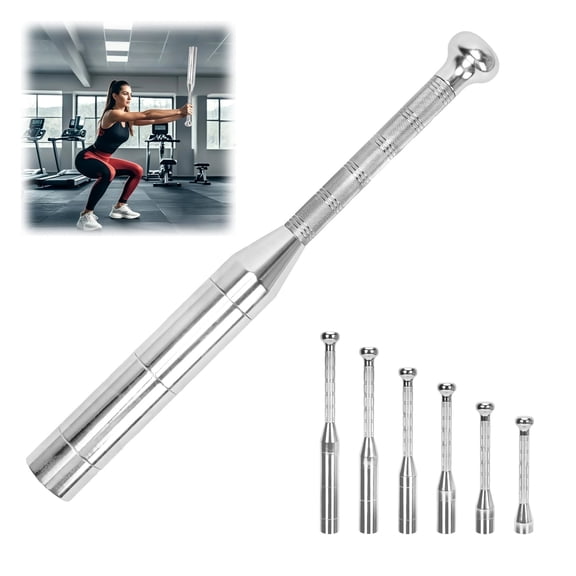

























About Adjustable Weights in Weights - Walmart.com
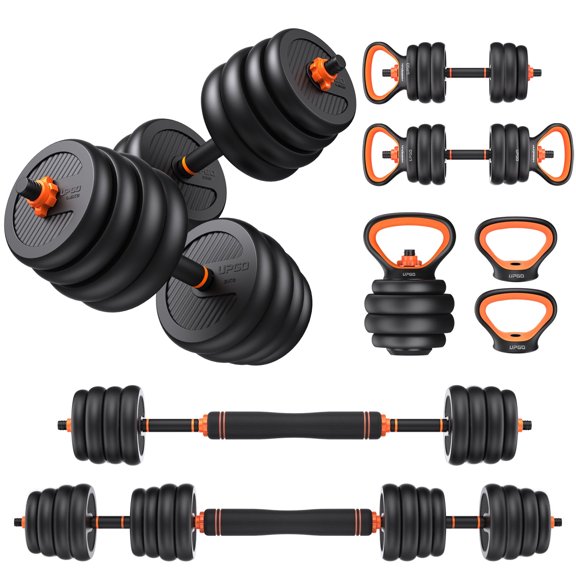
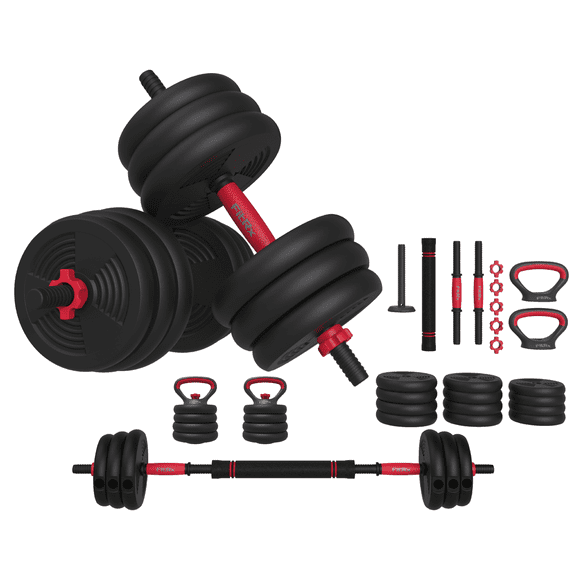
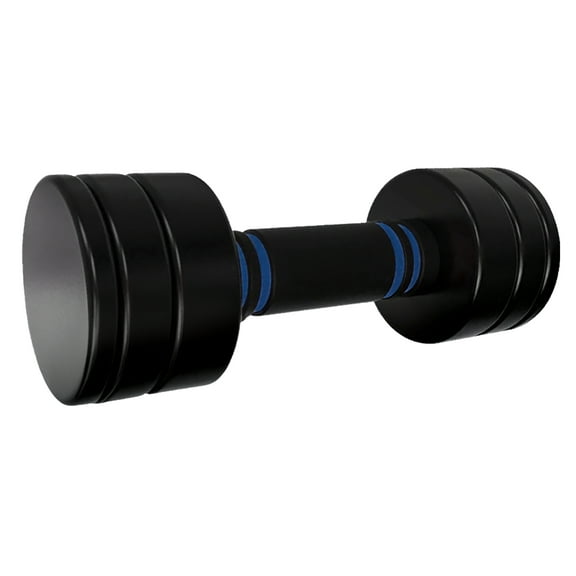
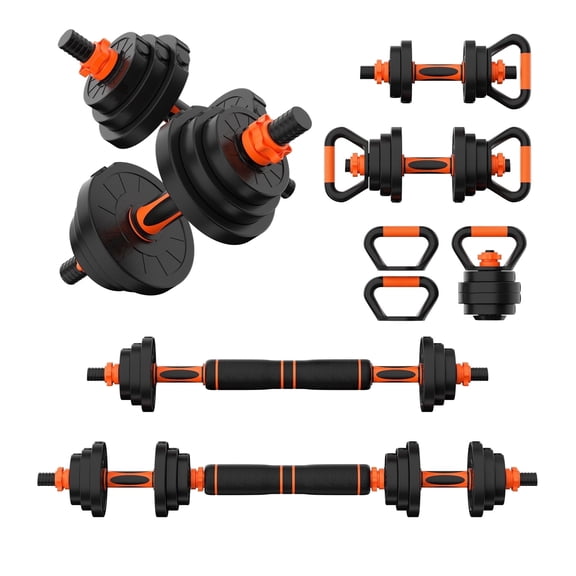
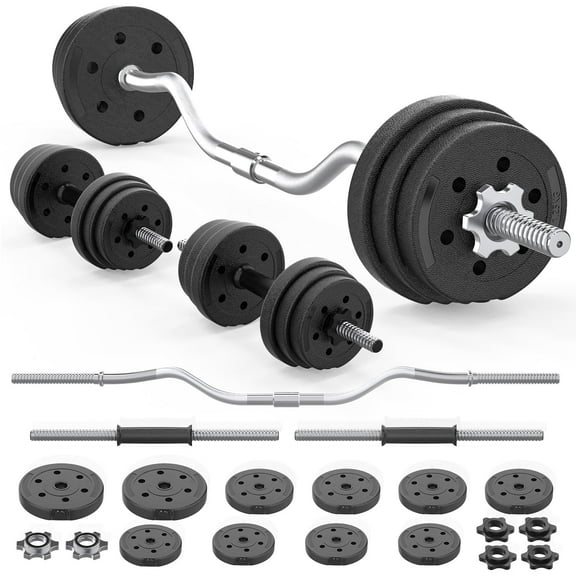
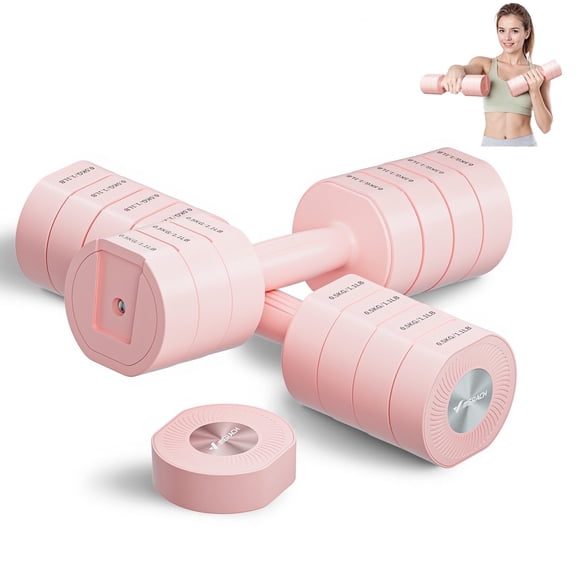
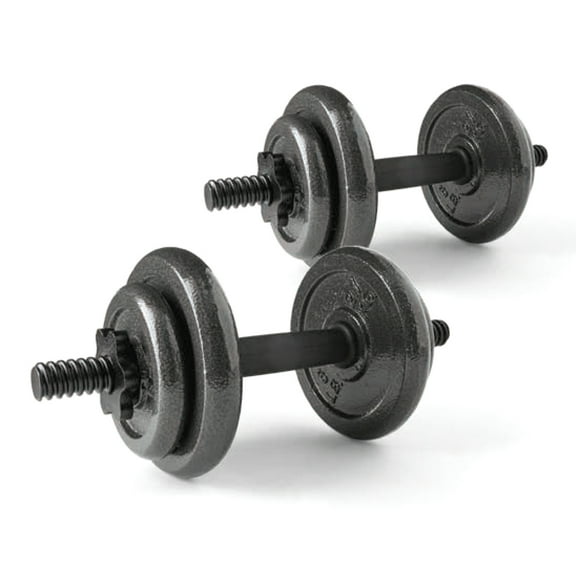
Adjustable weights help you build a versatile home gym without filling your floor with multiple dumbbell pairs. You can compare weight ranges, adjustment systems, and storage options that fit your training style.
If you want efficient strength sessions, you’ll appreciate how one compact setup can cover presses, rows, curls, and lunges. You can also choose designs that match your space, grip preference, and lifting pace.
Why adjustable weights work for home training
You can replace a long rack of fixed pairs with one adjustable weight set that changes in seconds. Your workout area stays cleaner, and your equipment footprint stays easier to manage.
When you train at home, you often need equipment that adapts as your routine changes. You can move from lighter isolation work to heavier compound lifts with fewer interruptions.
- You can handle multiple exercises with one set instead of several separate pairs.
- You can keep your home gym weights organized with a compact tray included on many options.
- You can switch resistance levels quickly during circuits, supersets, and progressive strength sessions.
- You can choose compact dumbbells that fit apartments, spare rooms, and garage gyms.
Because your training goals may change over time, you’ll want gear that grows with you. You can start with lower ranges and move toward heavier sets as your strength improves.
Choosing the right adjustable weight range
You should start by comparing weight range, because it shapes which exercises you can perform comfortably. You may see options from up to 25 pounds, 5-50 pounds, or 10-90 pounds.
If you focus on raises, curls, and lighter sessions, you may prefer sets up to 25 pounds. If you train your chest, back, and legs often, you may need higher capacities.
You should also check increment steps, because smaller jumps can help your progression feel more controlled. You’ll notice that tighter weight plate distribution can support smoother increases between sets.
For many shoppers, adjustable dumbbells in a 5-50 pound range cover a broad mix of beginner and intermediate training. If you lift heavier, you may prefer selectorized dumbbells that reach 90 pounds.
Comparing dial turn, selector pin, and twist lock systems
You should compare the adjustment mechanism before anything else, because speed and feel matter during your workout. You’ll commonly choose between dial turn, selector pin, and twist lock designs.
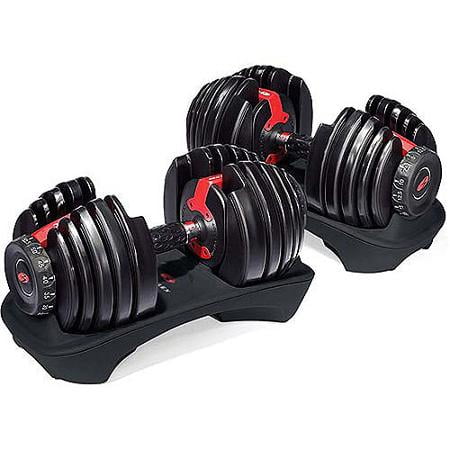
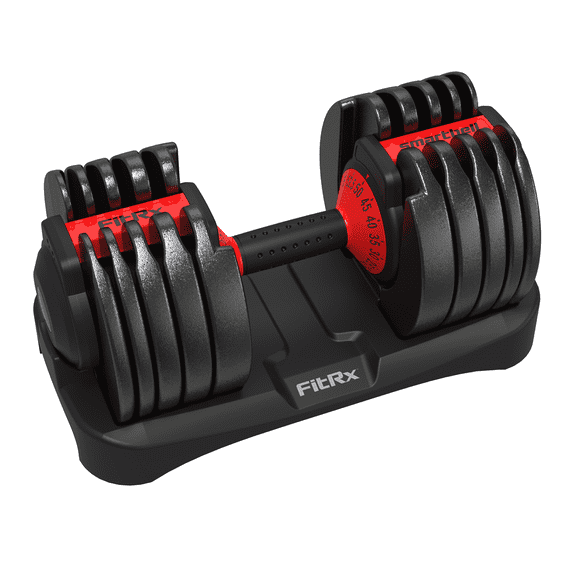
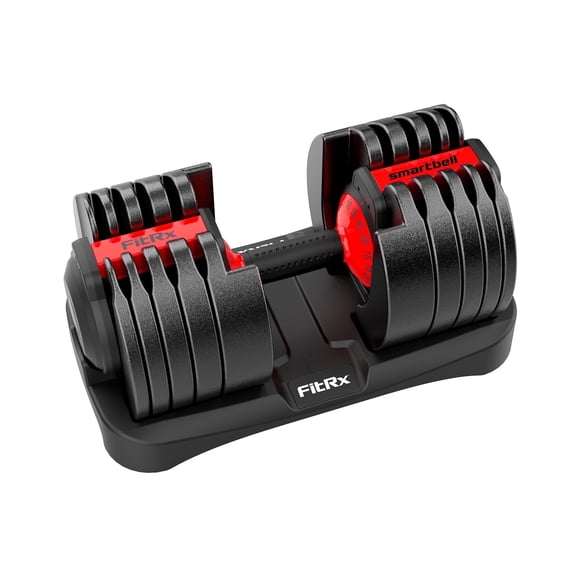
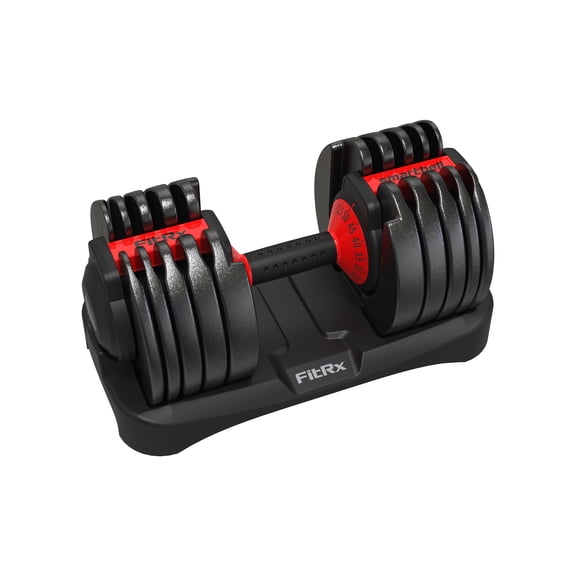
If you want quick changes, dial adjustable weights can feel especially convenient between movements. You usually turn the handle or end dial, then lift the selected load from the tray.
If you prefer a straightforward setup, you may like a selector pin system. You can move the pin to your target weight, which makes the setting easy to see.
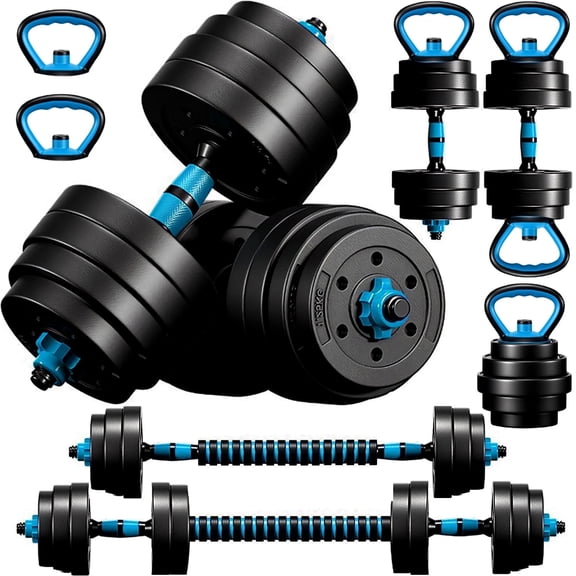
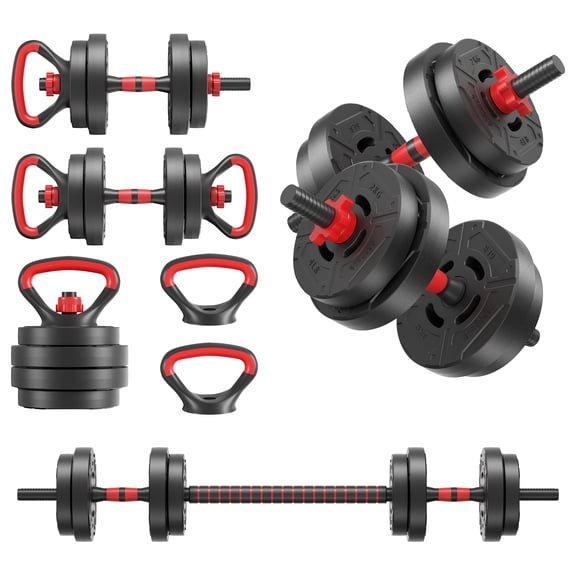
Twist lock options can appeal if you want a hands-on adjustment style with a compact form. You should check whether the locking motion feels smooth and easy for your pace.
You’ll also want to review how the selected plates sit in the tray after each change. A secure-feeling handoff can help your transitions stay consistent during strength training sessions.
Material, plate type, and handle choices to compare
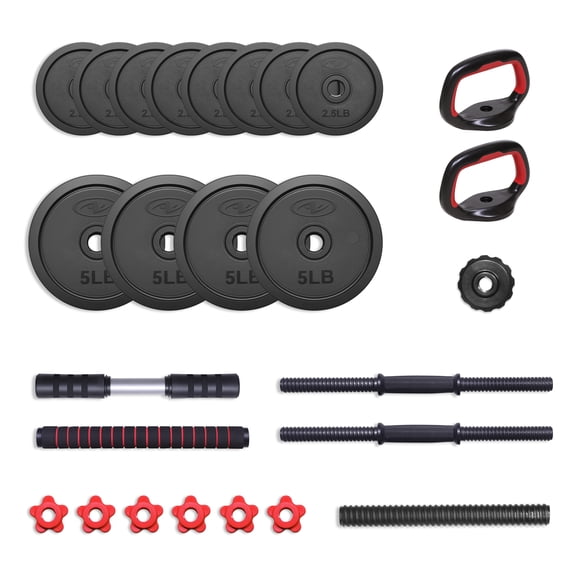
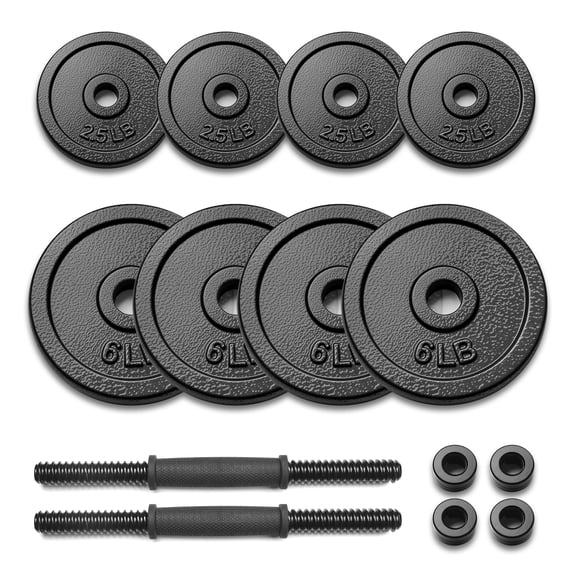
You should look at material and plate type, because they influence feel, finish, and daily handling. You may see cast iron, thermoplastic, or steel plates across adjustable hand weights options.
If you like a classic gym feel, cast iron adjustable weights may stand out to you. If you want a smoother exterior, you may prefer thermoplastic-covered plates for frequent home use.
Steel plates can appeal when you want a solid, compact profile in your dumbbell setup. You should compare overall shape, because tighter plate designs may feel easier to position.
Your handle matters just as much as the plates, especially during longer sessions. You can choose textured chrome, rubberized, or ergonomic grip styles based on your comfort preference.
If your hands tend to shift during higher reps, you may want a textured chrome handle. If you want a softer touch, your grip may feel more comfortable with rubberized sections.
An ergonomic grip can help you feel more connected during presses, rows, and carries. You should also compare handle thickness, because your comfort can change with different diameters.
Choosing storage and layout for adjustable weights
You should think about where your adjustable weights for home gym use will live between workouts. You can keep your setup neater by choosing a compact tray included with the set.
A tray can help you return plates to the same position after each session. You’ll often find that this makes weight changes easier and your floor space more organized.
If you want easier access, you may prefer an option that works with a standalone rack. You can raise the weights off the floor, which may make setup feel more convenient.
Compact storage matters if your gym shares space with a bedroom, office, or living area. You can get the function of several pairs without dedicating a full wall to storage.
Matching adjustable dumbbells to your routine
You should match your set to the exercises you do most often, not just the heaviest number available. You can use lighter ranges for shoulder work, core moves, and controlled accessory training.
If your routine includes goblet squats, bench presses, and rows, you may need a broader adjustable dumbbells weight range. You’ll want enough headroom for progressive overload over time.
For circuit training, you may value faster changes between movements more than extreme load. You can benefit from a dial turn system when your sessions move quickly.
If you prefer steady, traditional lifting, a selector pin setup may fit your style well. You can set your target weight clearly before each exercise and keep your rhythm consistent.
When your space is limited, compact dumbbells and a tray can make everyday setup simpler. You can pair them with dumbbells, kettlebells, barbells, weight benches, or dumbbell racks as your gym expands.
With the right combination of range, mechanism, grip, and storage, you can build a setup that supports steady training at home. You’ll get equipment that fits your room and your routine.