








Tennis & Racquets































About Tennis & Racquets - Walmart.com
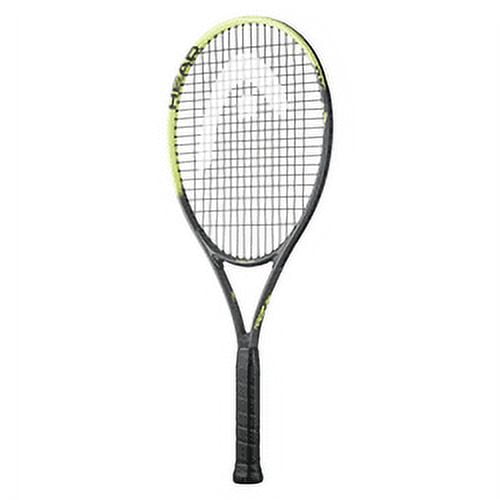
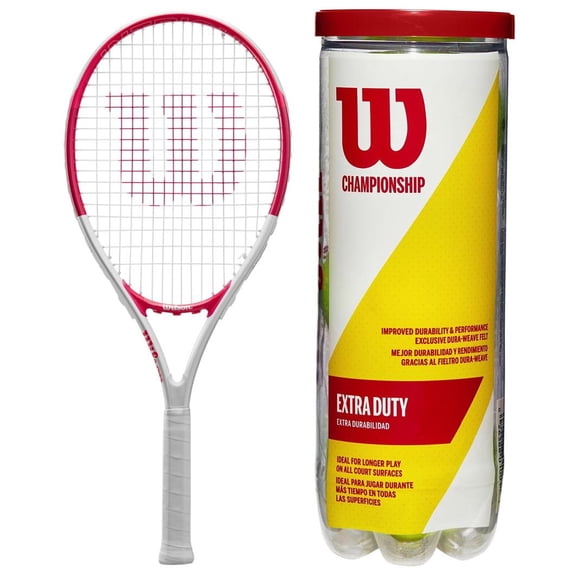
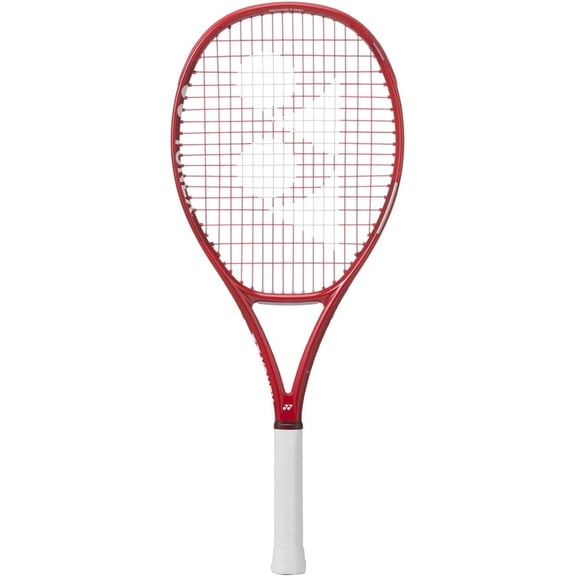
Tennis racquets help you match your swing, grip, and playing level from the start. You can compare adult and junior sizes, frame materials, and ready-to-play options in one place.
If you're building your first setup or replacing an older frame, you need clear buying guidance. You can narrow your choice faster when you understand length, weight, grip size, and string setup.
How to choose tennis racquets by player level
Your player level shapes how much control, comfort, and forgiveness you may want from a frame. You should consider whether you're just learning, rallying regularly, or refining a faster swing.
If you're shopping for tennis racquets for beginners, you may prefer lighter frames with a more forgiving feel. You can get easier handling during practice sessions and quicker preparation on returns.
As your skills grow, you may compare medium-weight frames for a balance of control and pace. You can also explore heavier options if your swing is developed and you want added stability.
- You can start with beginner-friendly frames that feel easier to maneuver.
- You can compare intermediate options when you want balance between control and pace.
- You can consider advanced frames if you prefer a steadier response on stronger swings.
- You can choose pre-strung models when you want a racquet that's ready to play.
Choosing between adult tennis racquets and junior tennis racquets
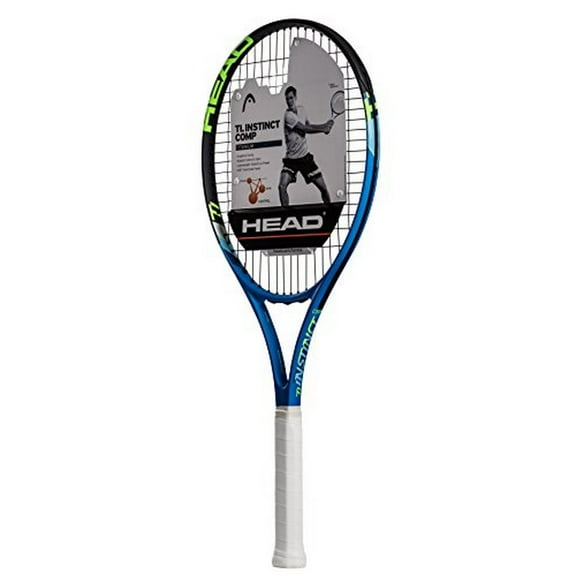
Your age group and height should guide racquet length before you compare other features. You can usually expect adult tennis racquets to measure 27 inches, while junior models often range from 19 to 26 inches.
If you're buying for a younger player, junior tennis racquets can feel easier to control on shorter swings. You can help a child develop cleaner contact when the frame length matches reach and court movement.
When you're selecting for a teen or adult player, a 27-inch frame is the common full-size choice. You can use that standard length as your starting point before checking weight and grip size.
You should also compare toddler and youth options carefully, since very short frames serve different stages of learning. You can make sizing easier by checking the listed length against the player's age and height.
What to look for in weight, grip size, and string setup
Your racquet weight affects how quickly you can react and how steady the frame feels. You can explore lightweight tennis racquets if you want easier swings, faster net play, or a simpler learning curve.
If you prefer a middle ground, medium-weight frames can blend maneuverability with a more planted feel. You can look at heavier frames when you want extra stability on firm groundstrokes.
Your grip size matters because your hand should feel secure without excess bulk. You can compare grip sizes from 0 to 5, or about 4 inches to 4 5/8 inches.
Before you choose a handle size, you should measure your hand or compare with a current racquet. You can often avoid awkward handling when your grip feels natural during serves and volleys.
Your string setup is another key decision when you want the right playing feel. You can choose pre-strung racquets for convenience, or pick unstrung frames for custom tension and string selection.
You should also look at string pattern when you compare control and spin preferences. You can use that detail to narrow down frames that fit your playing style.
Comparing graphite tennis racquets and other frame materials
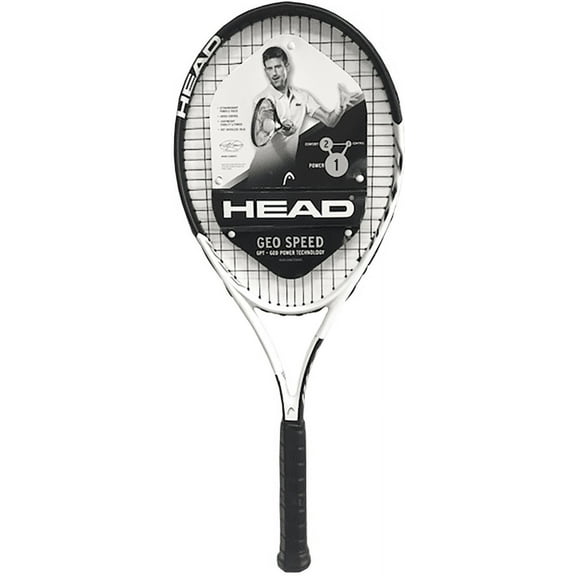
Your frame material changes how the racquet feels in motion and at contact. You can compare graphite tennis racquets, aluminum frames, and carbon fiber options based on your playing style.
If you want a lighter, responsive feel, graphite tennis racquets are a common choice to compare. You can also consider aluminum when you want a straightforward option for casual play or early practice sessions.
Carbon fiber constructions may appeal when you want a crisp feel and a modern frame build. You should check the listed material along with weight, since material alone won't tell the full story.
As you compare materials, you should focus on how the racquet may fit your swing speed and match routine. You can make a clearer choice when you weigh feel, handling, and overall setup together.
How tennis racquets fit real playing scenarios
If you're heading to lessons, you may want a frame that's easy to swing and simple to manage. You can start with lighter, pre-strung options that support quick setup on day one.
When you're shopping for school practice or weekend rallies, balanced frames can suit a wide range of play. You can compare adult tennis racquets and junior tennis racquets side by side for family needs.
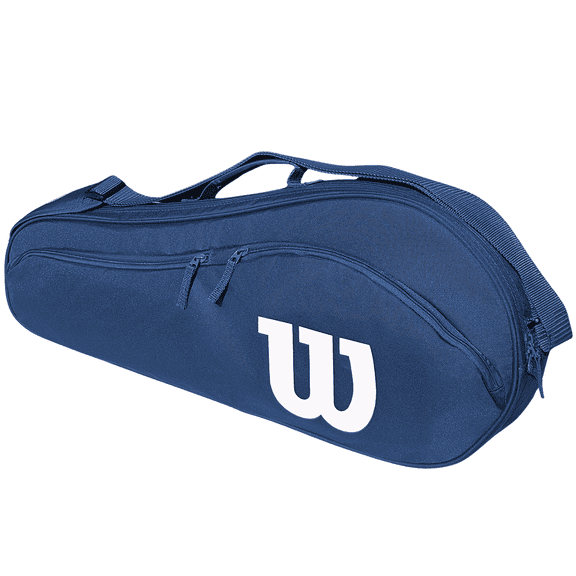
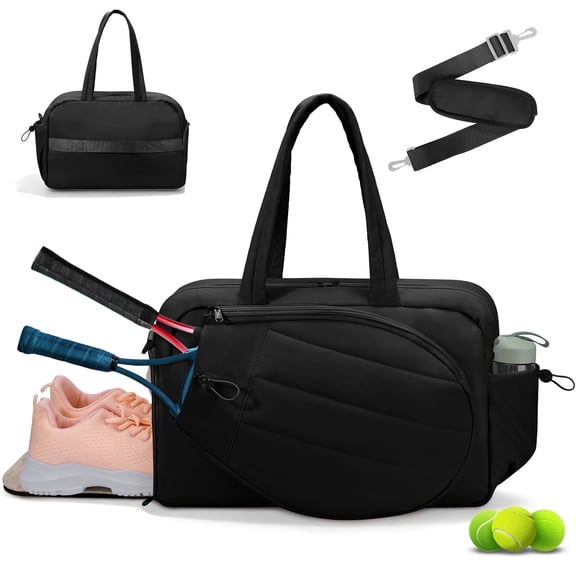
If you're building a more customized setup, unstrung frames may give you more control over string tension. You can match your racquet choice to your preferred strings, tennis bag, and court shoes.
For doubles play, you may prioritize quick reactions and easier handling at the net. You can lean toward lighter frames and a secure grip size for faster exchanges.
During baseline rallies, you may want more stability and a steadier response through contact. You can compare medium and heavier frames when longer swings are part of your game.
If you're buying for a growing player, you should revisit length as skills and reach change. You can move through junior sizes before stepping up to a standard adult frame.
With the right tennis racquets, you can match your age group, grip, material, and playing style with more confidence. You can make a more informed pick when each spec supports how you actually play.