


Find auto parts that fit
Let’s search for parts that fit your vehicle.Motorcycle Drivetrain in Motorcycle Parts



























About Motorcycle Drivetrain in Motorcycle Parts - Walmart.com
Your motorcycle drivetrain choices affect how smoothly power reaches the rear wheel and how confidently you match parts to your ride. You can compare chains, sprockets, belts, clutch components, and drive shafts in one place. You can use fitment details that matter for street bikes, dirt bikes, cruisers, and ATVs.
When you replace worn drivetrain parts with the right specs, you can restore cleaner engagement and more consistent response. You can also narrow your search faster by checking pitch, tooth count, link count, and vehicle compatibility before you choose.
How to choose motorcycle drivetrain parts
You should start with part type, because your bike uses a specific power transfer setup. You may need a chain, sprocket, motorcycle drive belt, clutch kit, or drive shaft based on your make, model, and year.
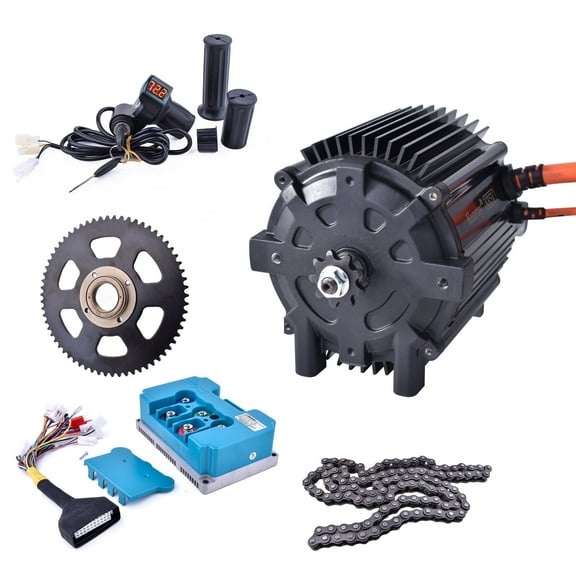
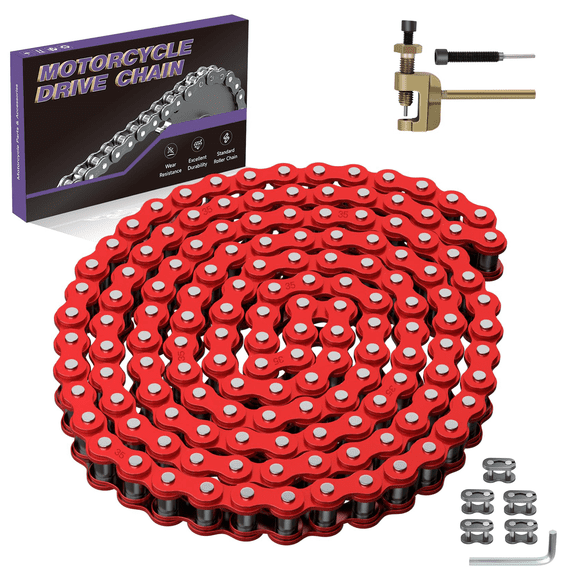
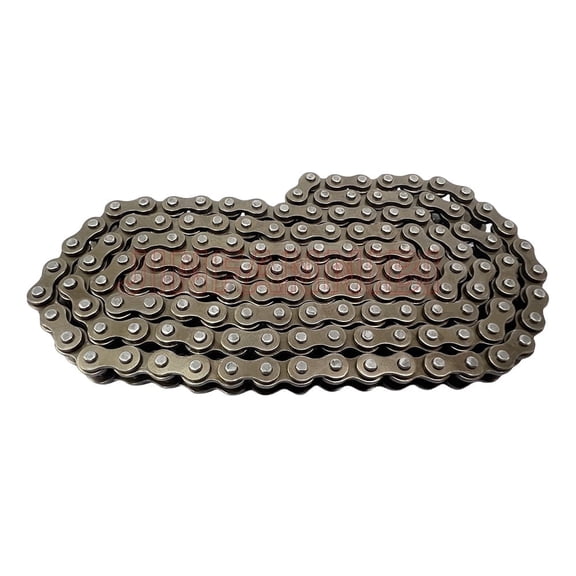
If you ride a chain-driven bike, you’ll often compare a motorcycle chain and sprocket kit with separate replacement parts. You can replace matched components together when you want wear patterns to stay more consistent across the system.
- You can use a complete kit when your chain and sprockets show similar wear.
- You can choose individual parts when you’re replacing one fitment-specific component.
- You can compare chain, belt, clutch, and shaft options by your riding style and drivetrain design.
- You can filter for street bike, dirt bike, cruiser, or ATV compatibility before you commit.
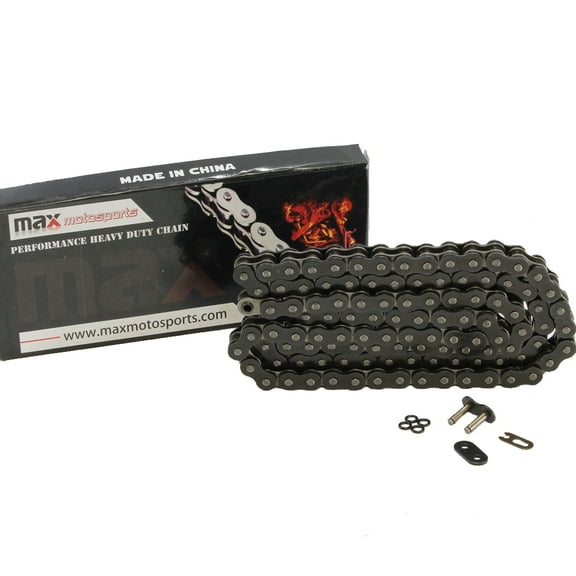
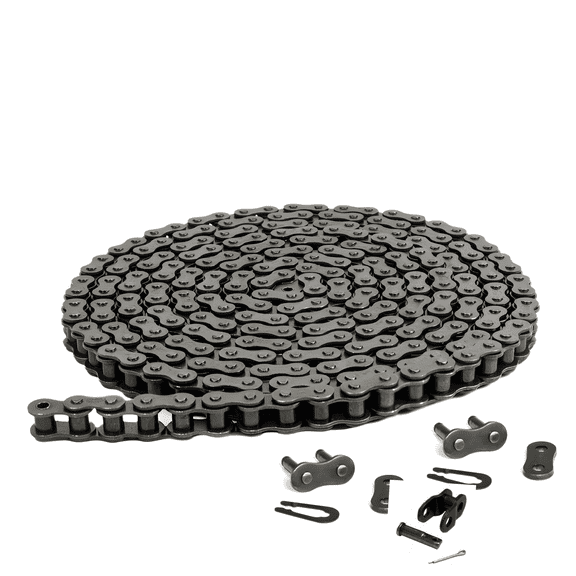
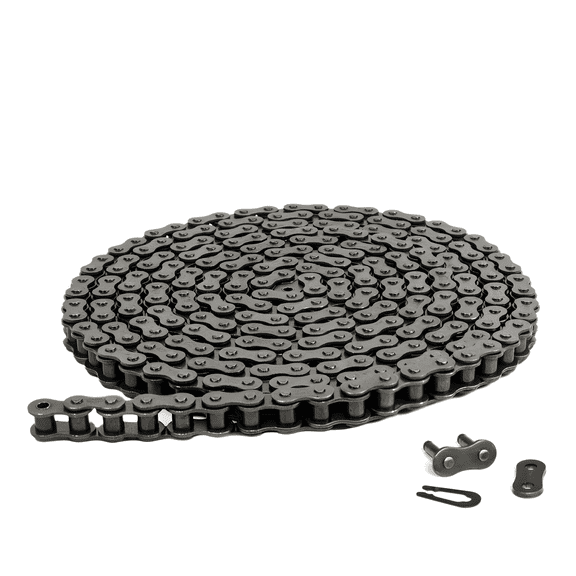
For off-road setups, you may also look for a dirt bike chain with the right pitch and sealing style. You’ll want a chain built for mud, dust, and frequent cleaning without guessing on fitment.
Choosing the right motorcycle chain and sprocket kit
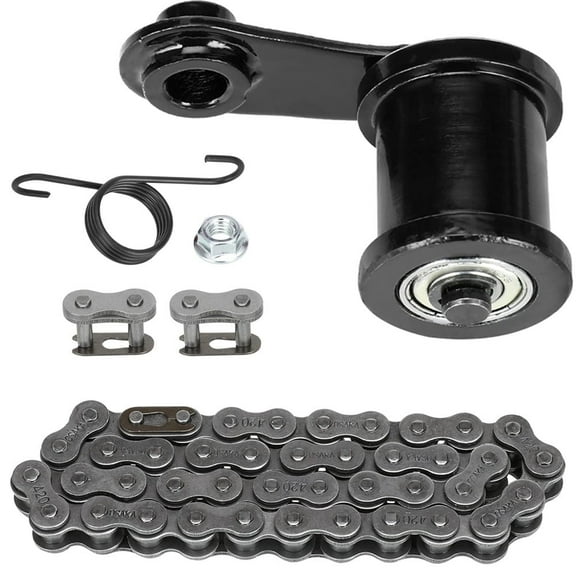
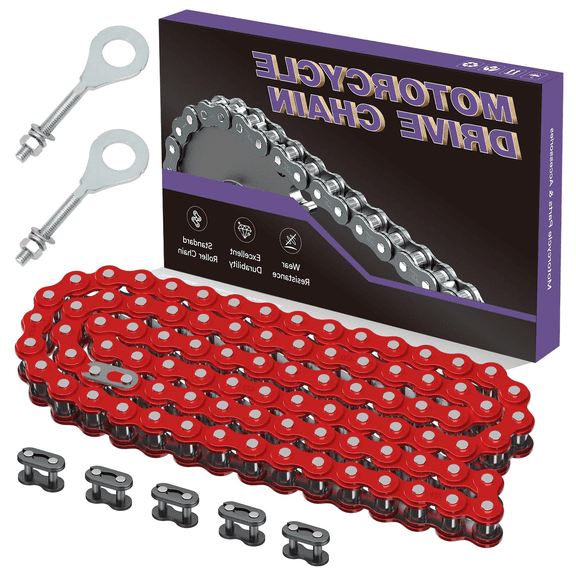
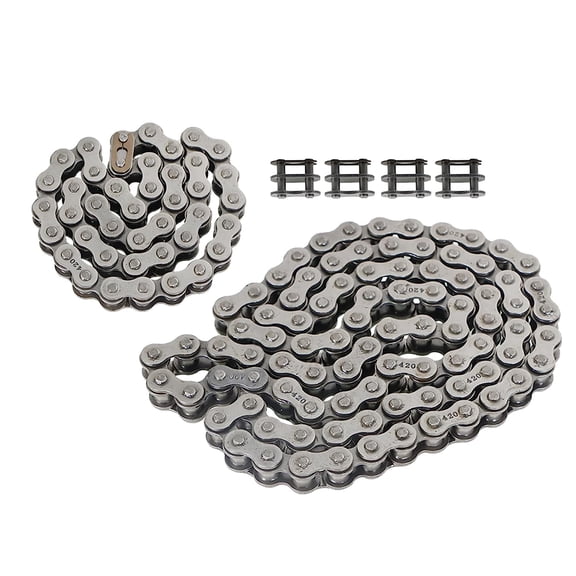
You should confirm chain pitch first, because 520, 525, 530, and 428 sizes aren’t interchangeable. You can use the correct pitch to match sprocket teeth and chain width for proper engagement.
Link count matters too, because your motorcycle drive chain must fit your wheelbase and gearing setup. You should also compare front and rear tooth counts when you want replacement parts that match your current ride feel.
When you compare O-ring, X-ring, and non-O-ring chains, you’re choosing between sealing, drag, and maintenance needs. You’ll often pick O-ring or X-ring styles for longer service intervals, while non-O-ring options can suit lighter, simpler setups.
You may prefer X-ring designs when you want a balance of sealing and smoother movement. You may prefer non-O-ring chains when you’re focused on a lighter dirt setup and frequent service access.
What to look for in motorcycle sprockets and materials
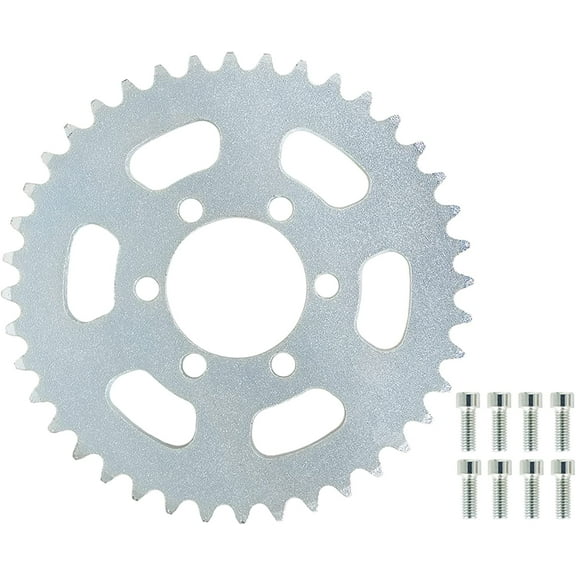
You should compare sprocket material carefully, because steel and aluminum serve different riding priorities. You’ll usually choose steel when you want longer wear life, while aluminum can reduce rotating weight.
If you ride long highway miles or carry extra load, you may lean toward steel motorcycle sprockets. If you tune for quicker response on a lighter machine, you may compare aluminum options with your riding conditions in mind.
You should check tooth count along with material, because gearing changes affect acceleration feel and cruising behavior. You can keep stock-style performance with original counts, or you can fine-tune response with a different setup.
For chain-driven systems, you’ll often get smoother results when you replace a worn chain with fresh sprockets at the same time. You can reduce uneven meshing when all contact surfaces start their wear cycle together.
Comparing motorcycle drive belt and clutch components
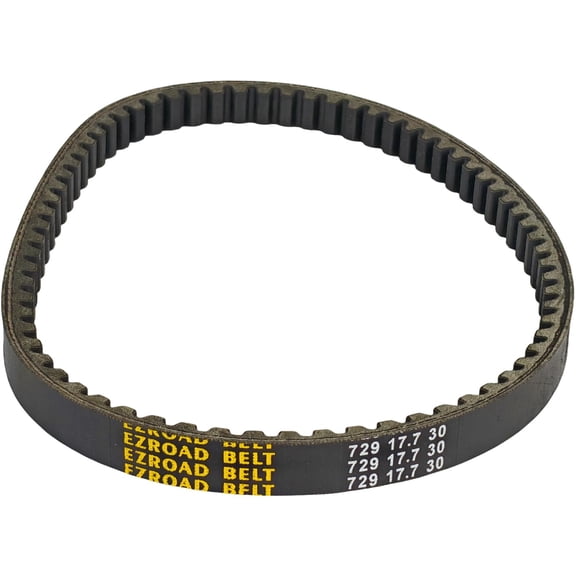
You may need a motorcycle drive belt if your bike uses belt drive instead of a chain. You should verify belt length, width, and tooth profile so your replacement matches your pulley system.
Belt-driven cruisers often appeal to riders who want a clean, straightforward drivetrain layout. You can focus on exact compatibility details instead of chain pitch, master link style, or sprocket combinations.
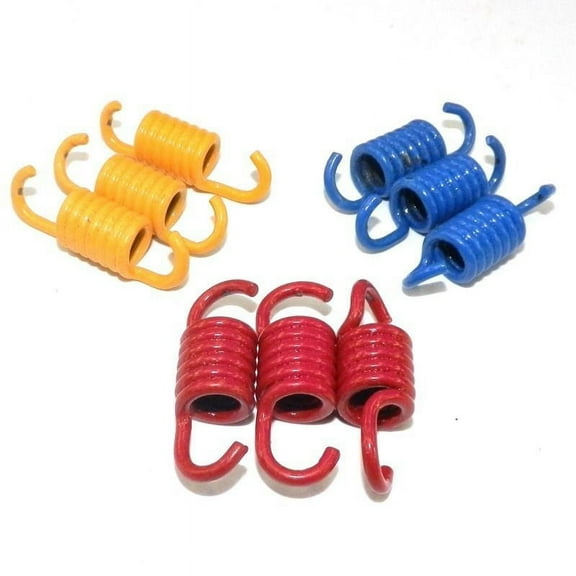
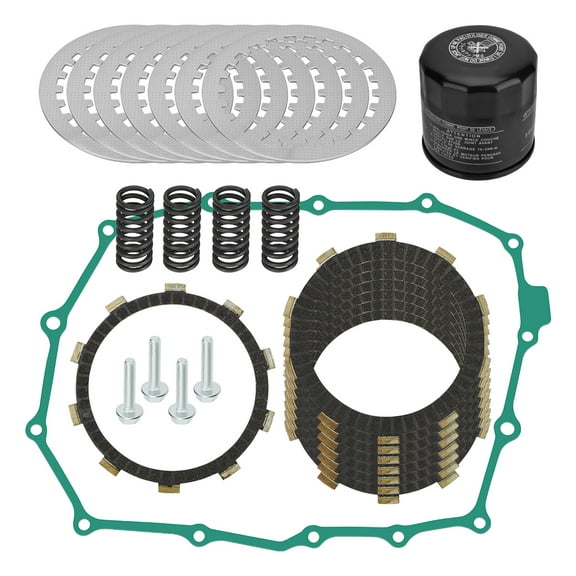
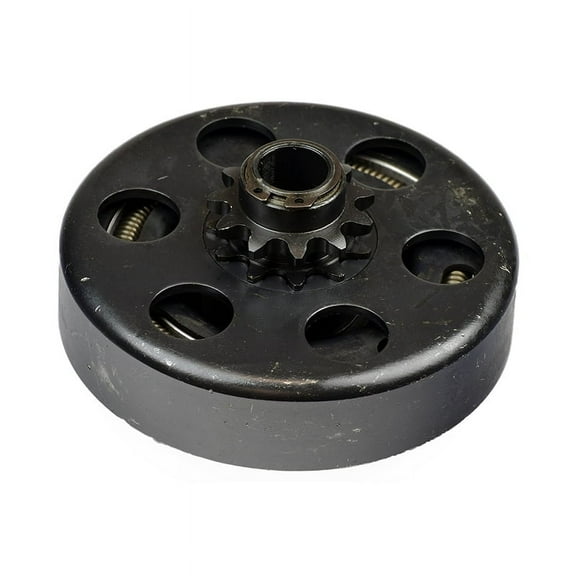
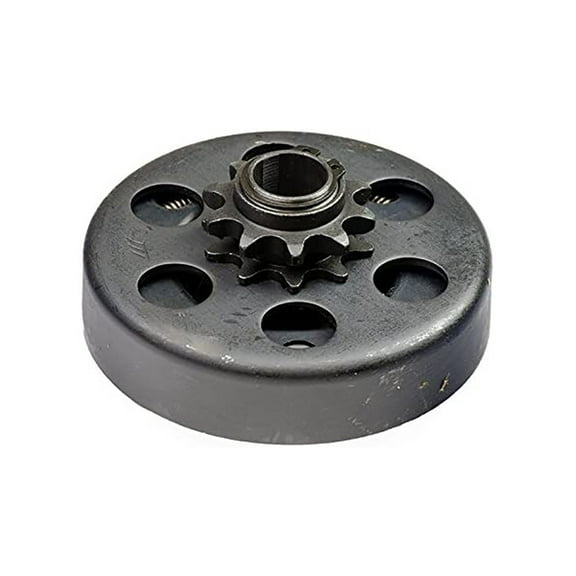
If you’re shopping motorcycle clutch plates or a clutch kit, you should match friction and steel plate specifications to your application. You can compare kit contents when you want a more complete refresh during a clutch service.
You may also see drive shaft parts for shaft-driven motorcycles, where fitment stays model-specific. You should check your bike’s drivetrain type first, so you can search within the right replacement path.
Using fitment details for your riding style
You should always begin with your motorcycle’s make, model, and year before comparing drivetrain parts. You can narrow choices quickly when you confirm fitment, drivetrain style, and factory sizing details together.
If you ride a street bike every week, you may want durable chain sealing and stock-style gearing. If you ride trails or tracks, you may prioritize a dirt bike chain, lighter components, and easier service access.
For cruisers, you may compare belt-drive replacements or steel sprockets that support steady, long-distance use. For ATVs, you should look closely at compatibility notes, because drivetrain layouts can vary across models.
You can also check whether you need a master link, a full motorcycle chain and sprocket kit, or separate components. You’ll make a cleaner choice when your pitch, tooth count, link count, and vehicle fit all line up.
Your motorcycle drivetrain upgrade performs optimally when every spec matches your machine and your riding routine. You can ride with steadier power transfer and fewer fitment surprises when you choose parts by drivetrain type, sizing, and compatibility.