Canned goods in Pantry
About Canned goods in Pantry - Walmart.com
Canned food helps you keep a versatile pantry ready for quick meals, simple sides, and reliable staples that store neatly between shopping trips. Walmart makes it easy to compare canned goods across vegetables, beans, soups, meats, tomatoes, broths, and fruit in one convenient place. You can stock weeknight essentials, lunch ingredients, and backup meal components without filling the freezer. That flexibility matters when you want ingredients with clear labels, familiar formats, and dependable shelf storage.
Canned food for everyday pantry planning
Keeping canned foods on hand gives you fast building blocks for breakfast, lunch, dinner, and snacks. A few food cans can turn pasta, rice, salads, tacos, and casseroles into complete meals with less prep.
These pantry staples also help you plan around busy schedules. Open, heat, rinse, or mix ingredients as needed, then keep your kitchen moving without extra chopping.
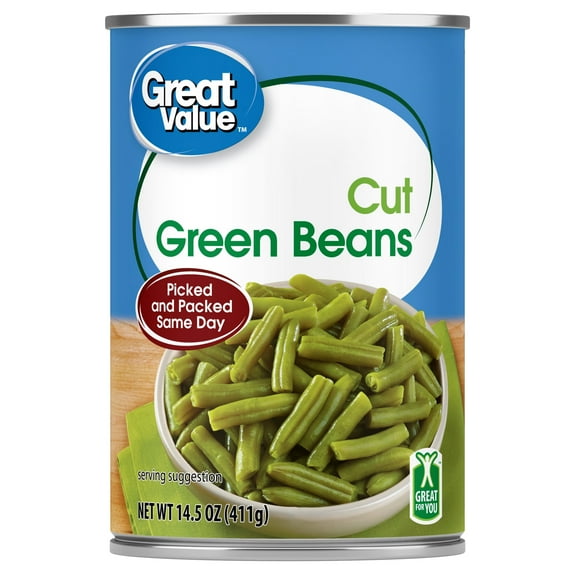
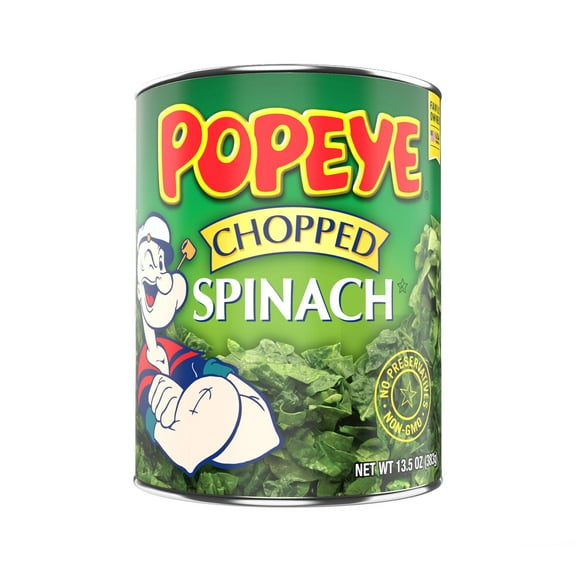
- Canned vegetables add easy sides for chicken, pasta, rice bowls, and holiday meals.
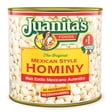
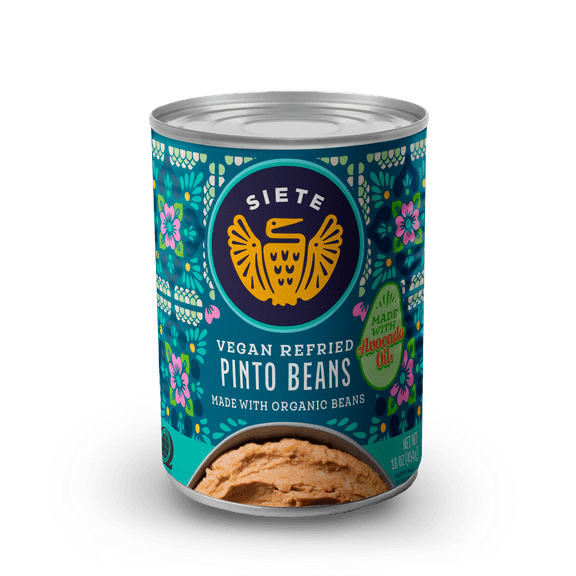
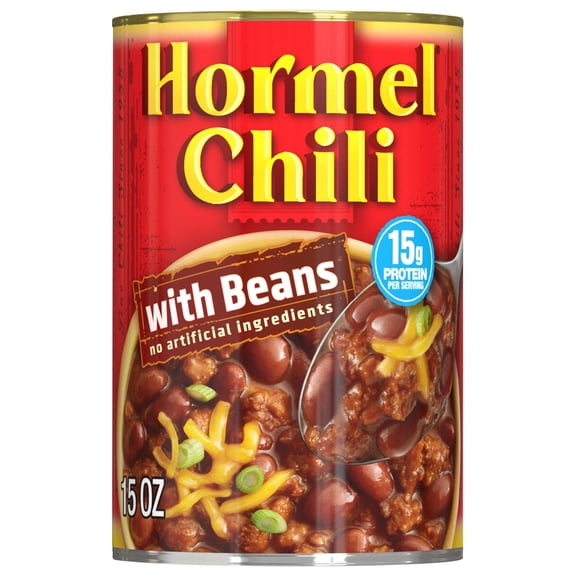
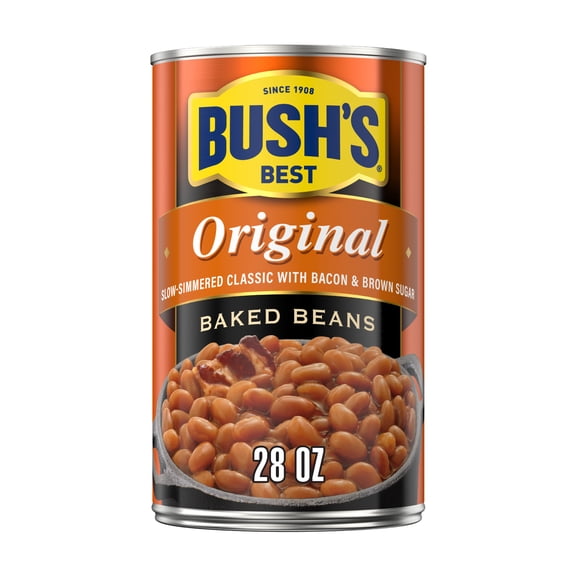
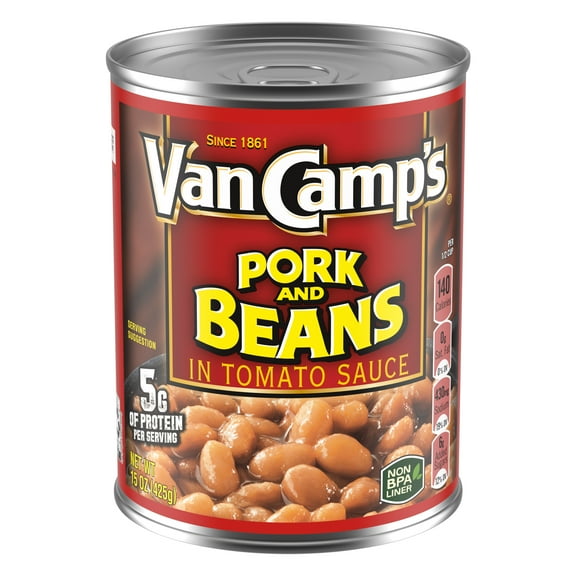
- Beans and legumes work well for chili, burritos, soups, dips, and grain bowls.
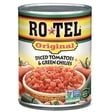
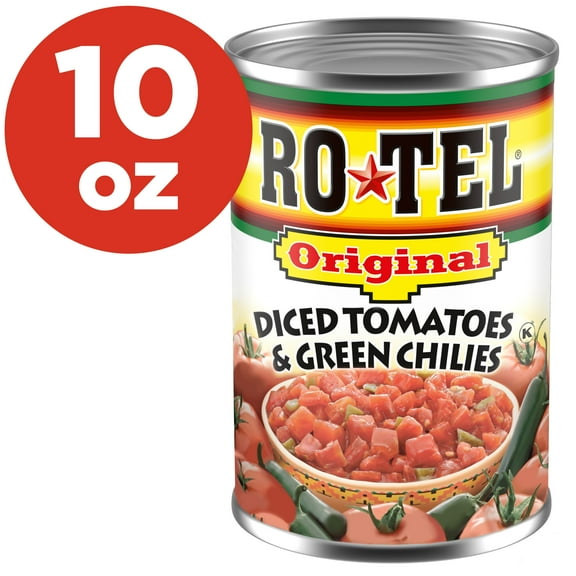
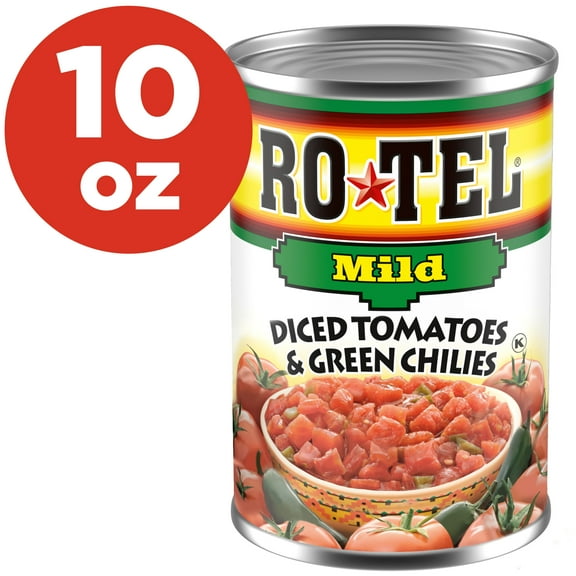
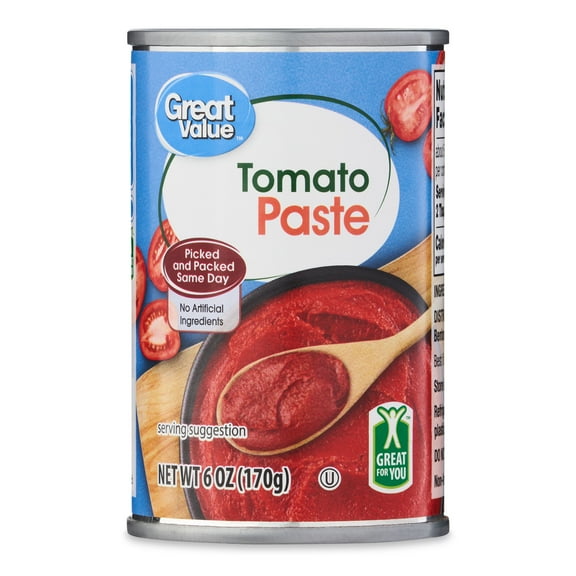
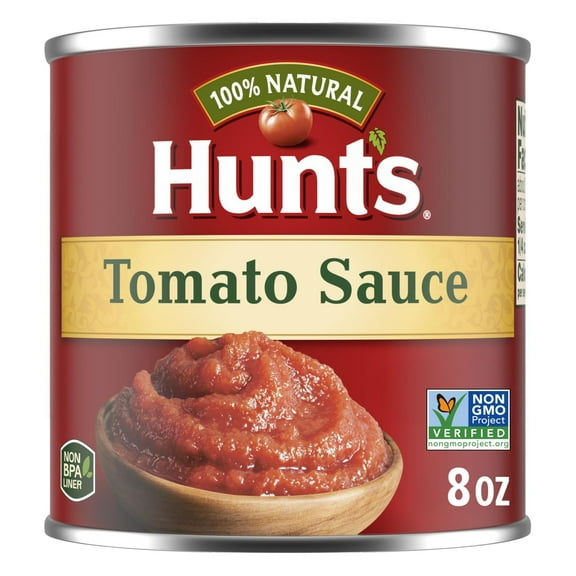
- Canned tomatoes support sauces, stews, shakshuka, and slow cooker recipes.
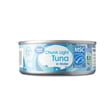
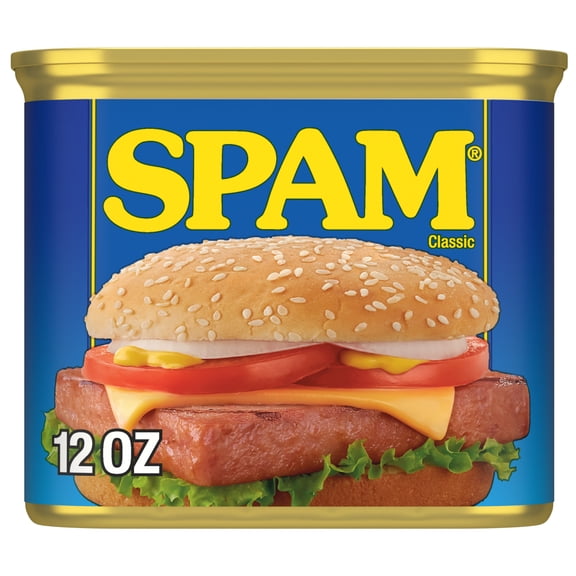
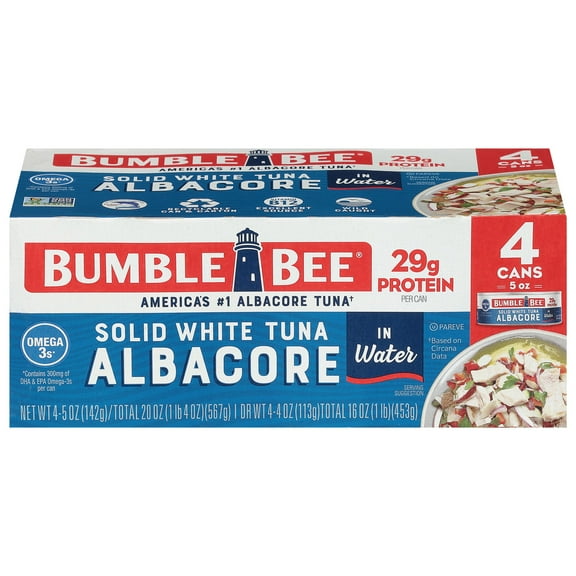
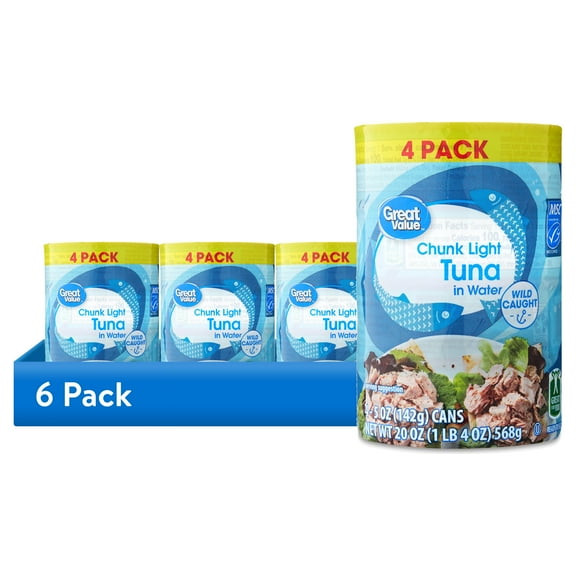
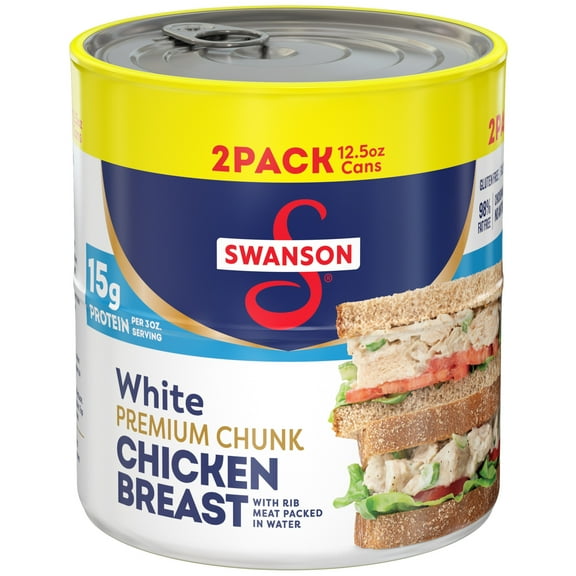
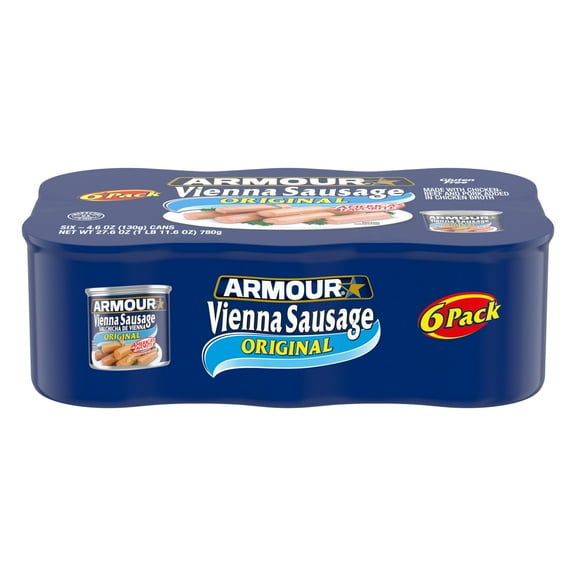
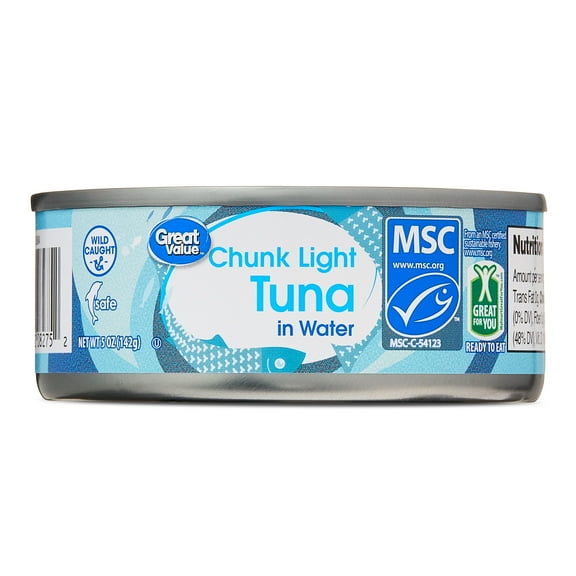
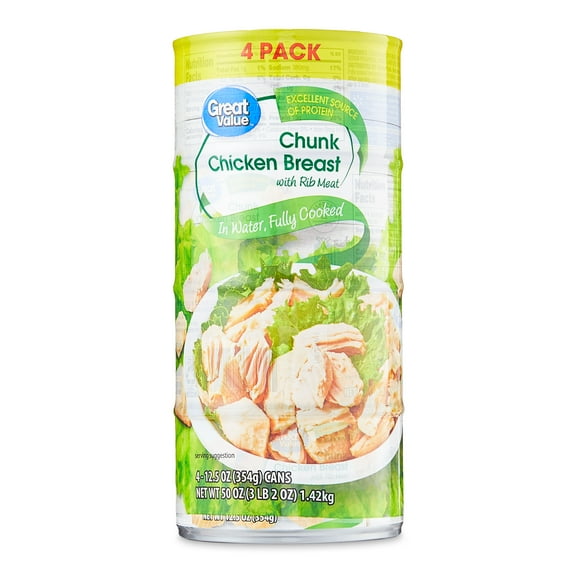
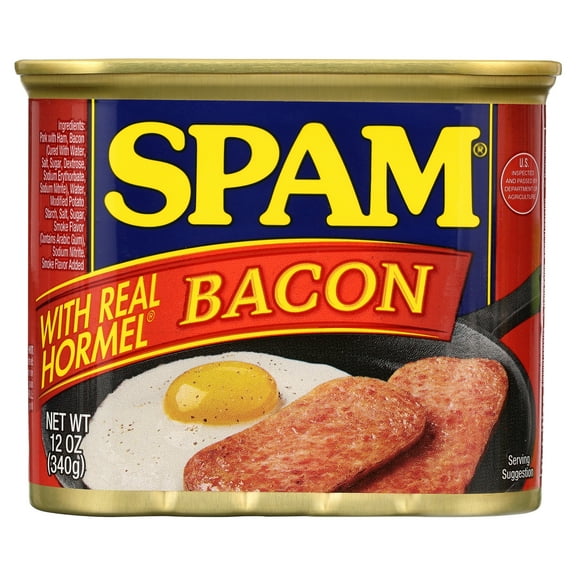
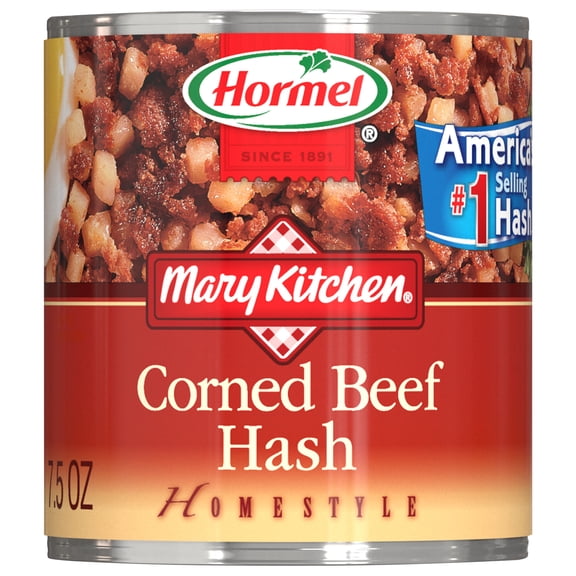
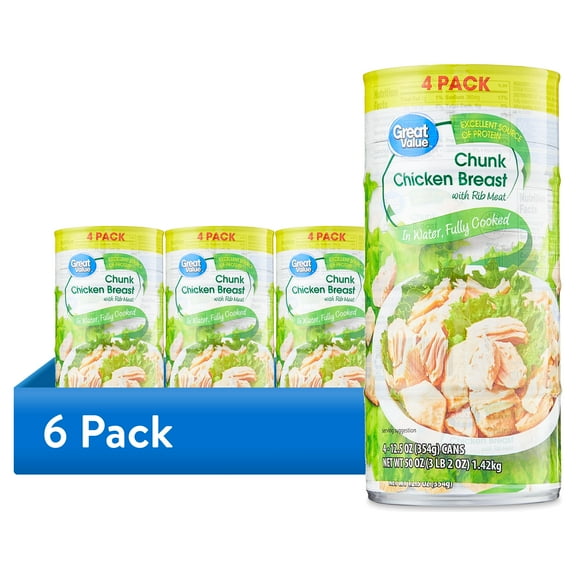
- Tuna, chicken, and other canned meat options simplify sandwiches, salads, and casseroles.
- Broths and soups help with quick lunches, recipe bases, and cozy dinner starters.
Many shoppers also build a canned food list for routine restocking. That approach keeps core ingredients visible, organized, and easy to grab during meal prep.
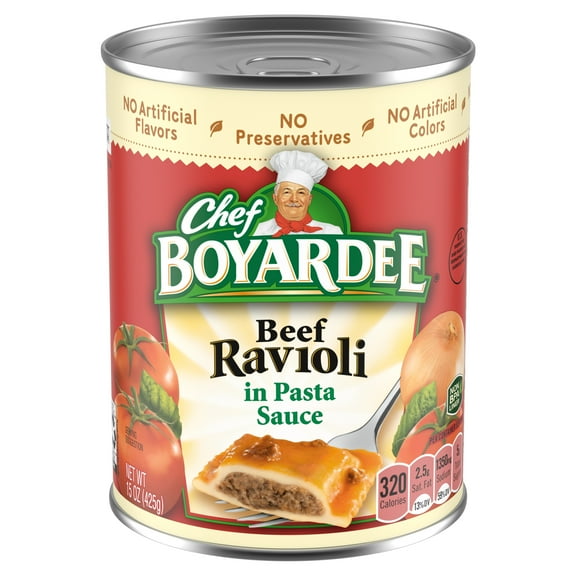
Another benefit is portion flexibility. Single cans work for smaller meals, while multi-can packs help households keep favorite ingredients available longer.
Types of canned goods for your kitchen
Choosing the right can goods starts with the meals you make often. Vegetables, tomatoes, beans, and soup cover everyday cooking, while fruit, seafood, and canned meat expand your options.
Look at pack size first. Standard cans fit regular meal prep, while larger cans can suit batch cooking, parties, or recipes that use several cups.
Ingredient style matters too. You’ll find whole, diced, sliced, crushed, stewed, condensed, ready-to-serve, and seasoned options across many canned food categories.
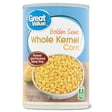
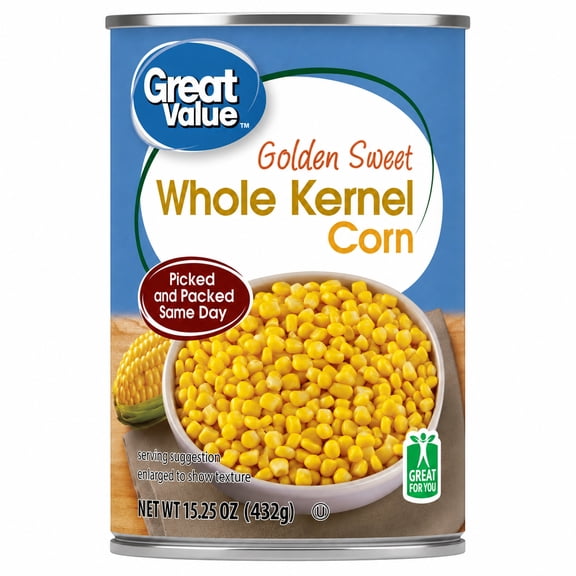
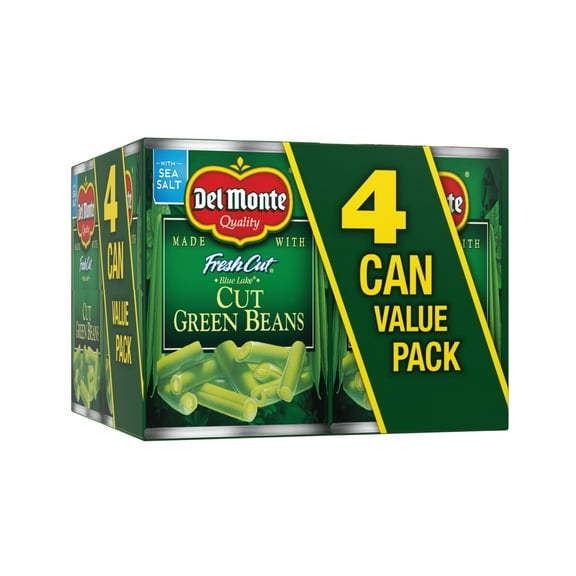
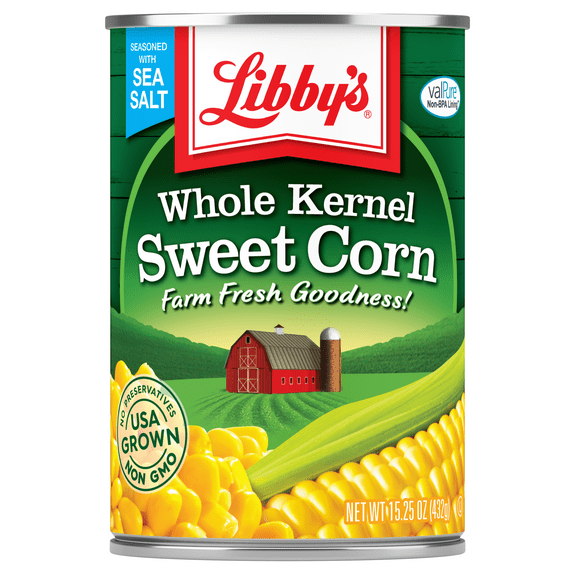
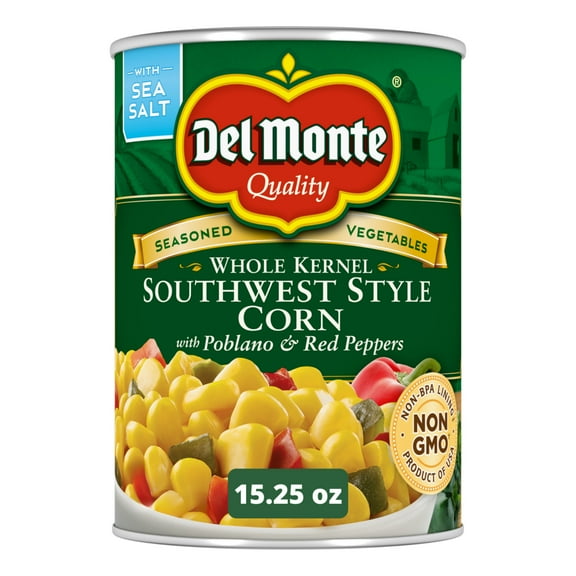
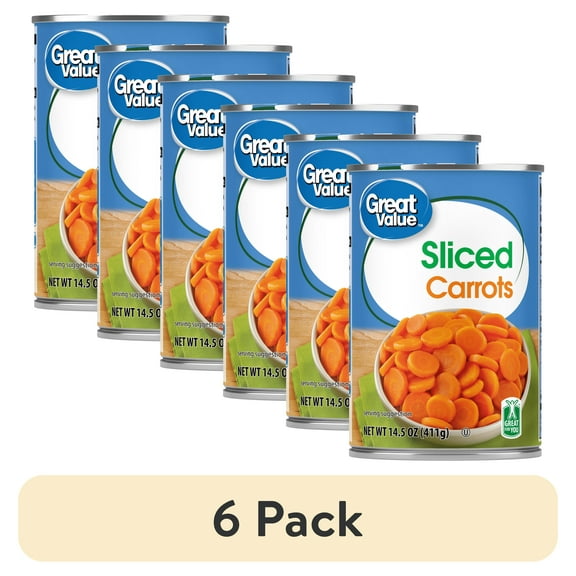
For vegetables, think about cut and liquid. Whole kernel corn, cut green beans, sliced carrots, and peas each support different textures on the plate.
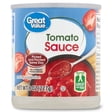
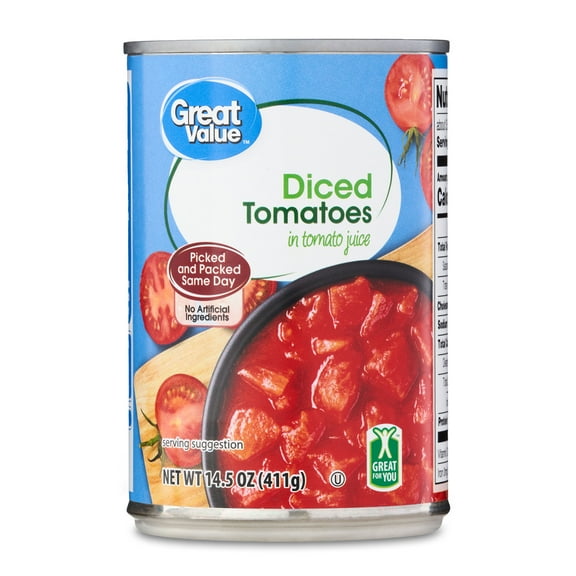
Tomato products serve different kitchen roles. Diced tomatoes hold shape in soups, while crushed tomatoes create smoother sauces and braises.
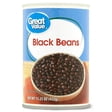
Beans vary by recipe and texture. Black beans, kidney beans, chickpeas, pinto beans, and cannellini beans each bring a distinct look and bite.
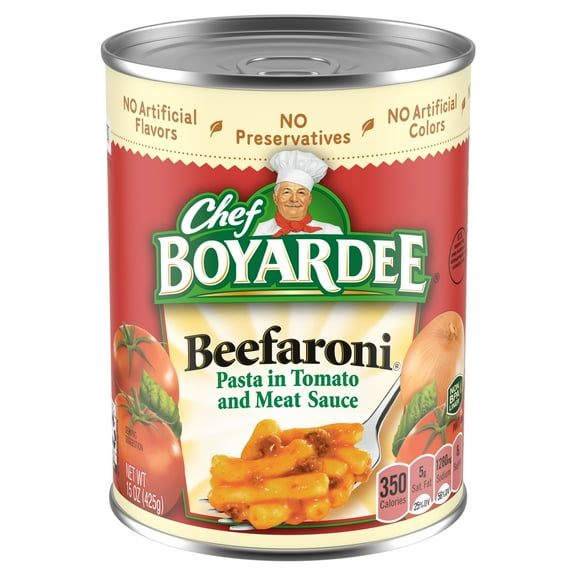
Soup choices can include condensed cans, broth-based varieties, and heartier options with noodles, rice, or beans. That range helps with lunches and recipe shortcuts.
When comparing food cans, check labels for net weight, serving size, and preparation notes. Those details help you match the product to your cooking style.
How canned foods fit real meals
Canned food works well when you need ingredients that move from shelf to table with minimal effort. It supports packed schedules, pantry planning, and simple meal backups.
For weeknight dinners, combine canned beans, tomatoes, and broth for chili or soup. Add canned vegetables to pasta, casseroles, or skillet meals for quick sides.
Lunch prep gets easier with tuna, chicken, or soup cups and cans. They fit sandwiches, wraps, salads, and desk lunches without a long ingredient list.
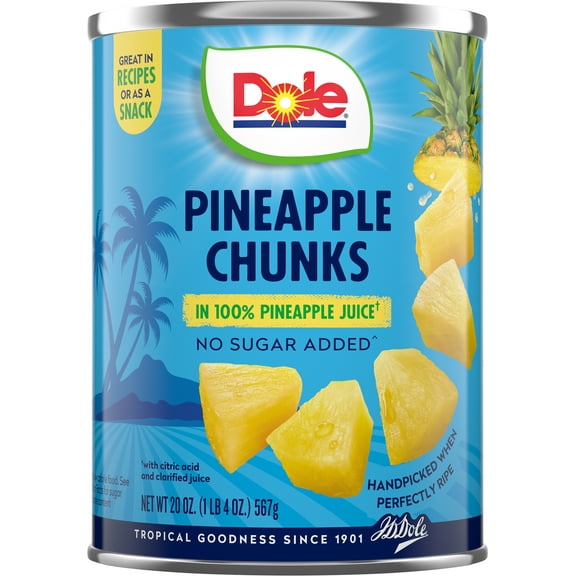
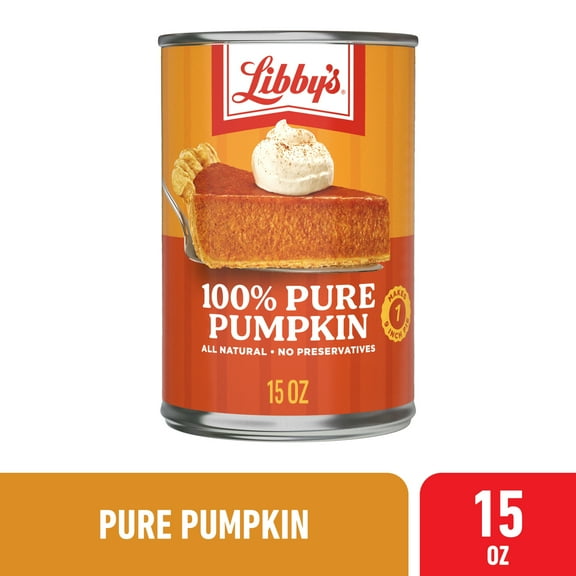
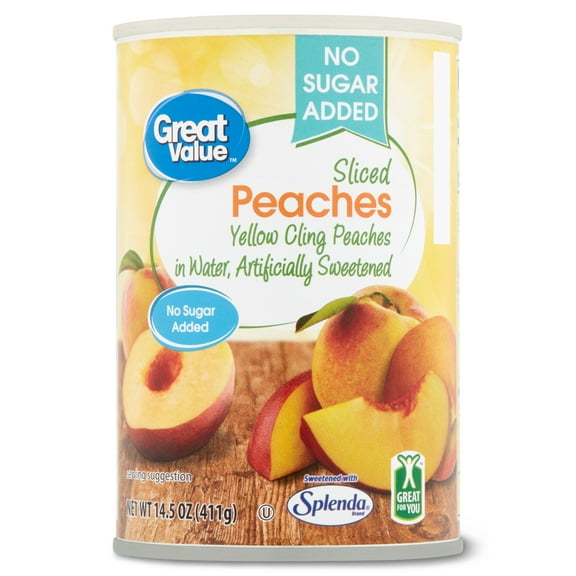
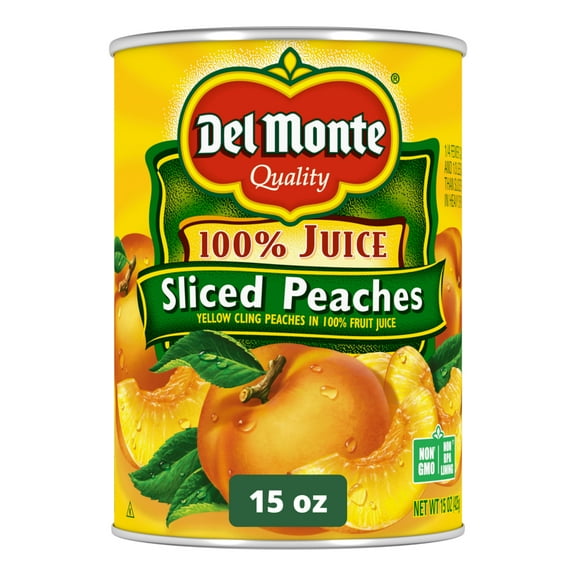
Breakfast recipes can use canned fruit as a topping for oatmeal, yogurt, or pancakes. Pumpkin puree also fits seasonal baking and breakfast treats.
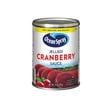
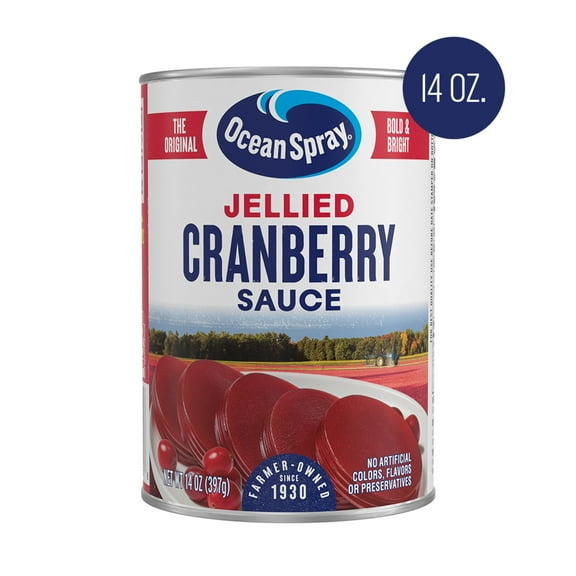
During holidays, canned pumpkin, cranberry sauce, green beans, and cream soups often become key recipe ingredients. These category staples are tied to classic side dishes and desserts.
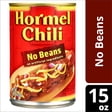
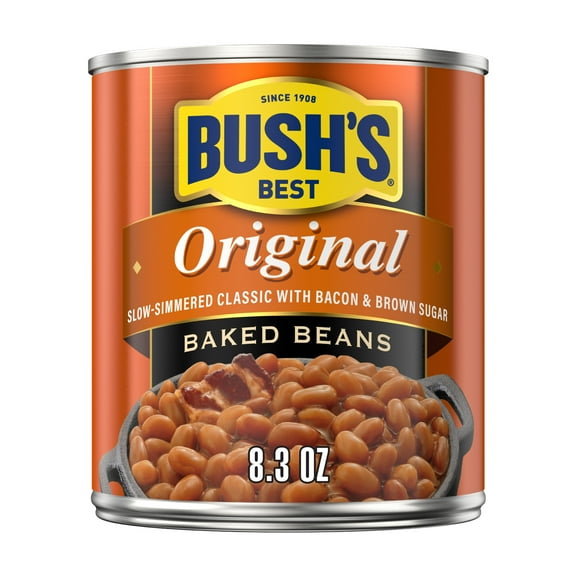
For outdoor meals and gatherings, can food options like baked beans, corn, and chili help round out cookout menus. They’re also easy to portion into serving bowls.
Many shoppers keep a rotating canned food list for pantry balance. That can include vegetables, protein options, soup, fruit, and tomato products for broader meal coverage.
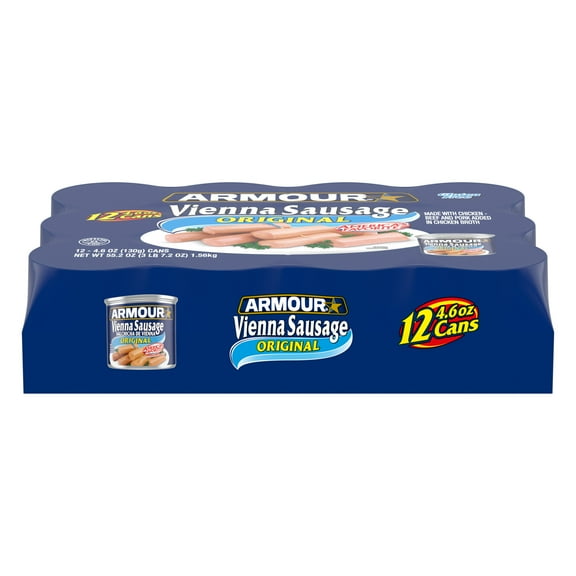
If you like batch cooking, larger counts and variety packs can simplify pantry organization. Grouping similar canned goods together can make meal planning faster each week.
What experienced shoppers check before choosing
Seasoned buyers usually compare flavor profile, preparation style, and can size before anything else. Those details affect texture, recipe fit, and how many servings you’ll get.
They also check whether a product is ready to eat, condensed, or meant for cooking. That difference matters when you’re planning quick lunches versus recipe ingredients.
For a smoother shopping process, many people sort canned foods by meal role. Vegetables and beans cover sides, while soups, meats, and tomatoes support complete dishes.
It also helps to mix familiar staples with a few specialty picks. That gives your pantry steady basics plus ingredients for chili nights, pasta sauces, and holiday recipes.
Walmart brings canned food and canned goods together in one place, so it’s easier to build a pantry that supports quick meals, planned recipes, and dependable kitchen variety.