

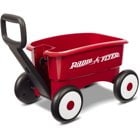
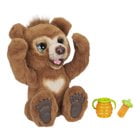
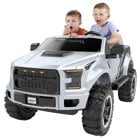
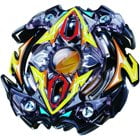
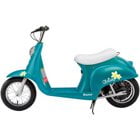
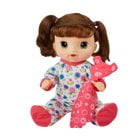
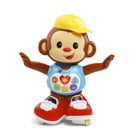
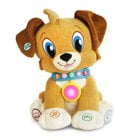
Shop Toys by Brand for Kids


























About Shop Toys by Brand for Kids - Walmart.com
You can shop toys by brand with clearer choices when you compare play styles, age ranges, and familiar names in one place. You can narrow options faster when brand names point to building, storytelling, racing, or hands-on learning.
How to choose toys by brand
You should start with the brand name because it often signals a specific play pattern. You can compare toy brands more efficiently when you know which names focus on construction, dolls, vehicles, or active play.
When you compare kids toy brands, you should check age guidance before anything else. You can make a smarter choice when your child can use the toy comfortably and enjoy it again and again.
- You can match familiar brands to favorite play styles, including building, collecting, racing, or pretend play.
- You can compare age ranges faster when packaging and product details clearly guide your choice.
- You can look for educational toy brands that support STEM, creative play, or motor skills through hands-on activity.
- You can focus on replay value when you want sets, figures, or games that stay engaging beyond one afternoon.
You may also prefer name brand toys when you want recognizable themes and consistent product cues. You can often add compatible sets, characters, or accessories later when a toy line expands over time.
Choosing between toy brands and features
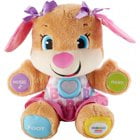
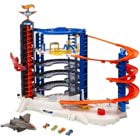
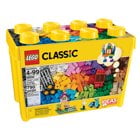
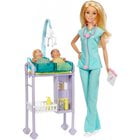
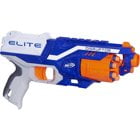
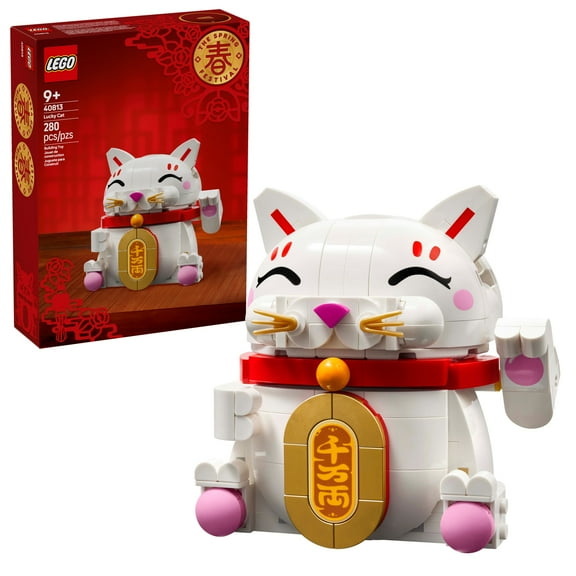
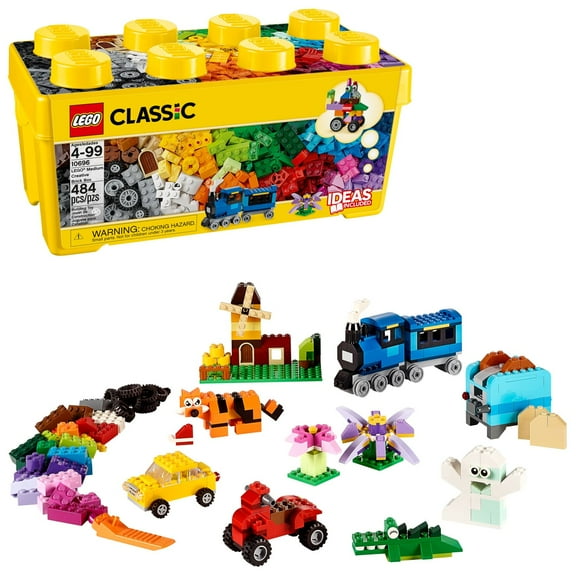
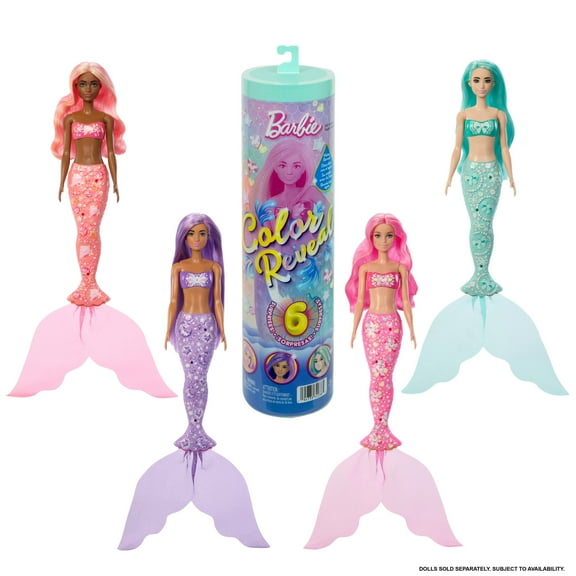
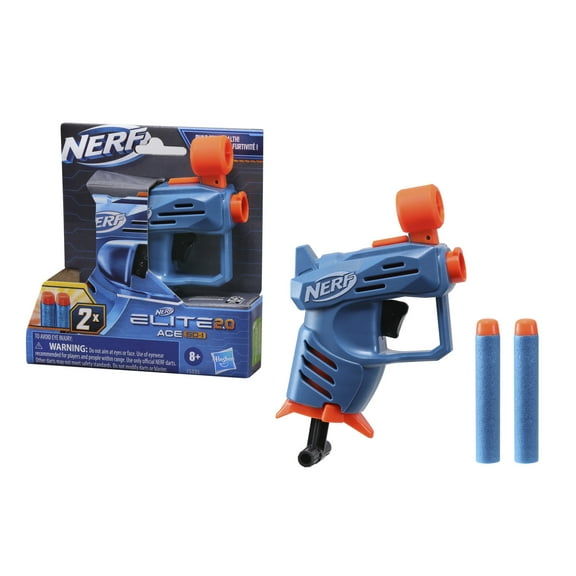
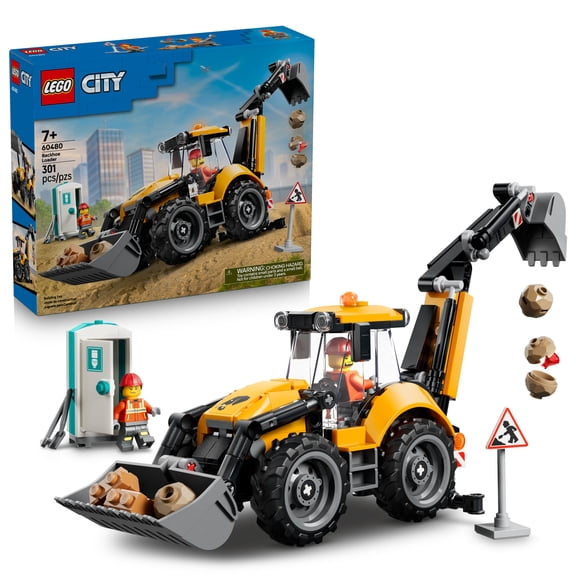
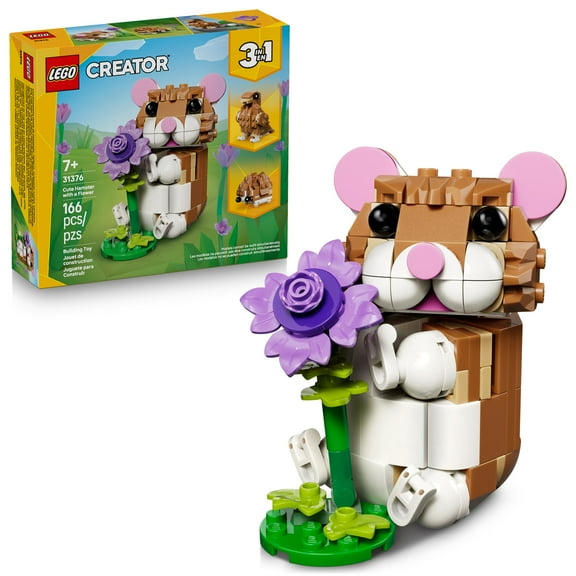
You should compare brand identity with features that matter in daily play. You can connect LEGO with building systems, Barbie with storytelling, Fisher-Price with early play, Hot Wheels with vehicle action, and Nerf with movement.
As you compare details, look for non-toxic materials and safety certifications in product information. You can use those details as practical decision points when brand reputation and intended age both matter.
You should also check age range closely because toddler toys differ from options for older kids. You can look for larger pieces, simpler actions, and easy-grip formats when early play stages guide your decision.
For ages five to seven, you may prefer toys with clear steps and flexible themes. You can compare beginner building sets, dolls, and games when your child enjoys guided play with room for imagination.
For ages eight to 11, you may look for deeper themes and more challenge. You can compare collecting, customization, and strategy elements when your child wants longer play sessions and more involved setups.
Teens may want toy brands with display appeal, competitive formats, or detailed building experiences. You can focus on model complexity, game strategy, and collectible presentation when older interests shape the choice.
You should compare durability and replayability alongside the category and brand. You can get longer use from toys that invite rebuilding, repeated races, changing storylines, or family game nights.
What to look for in kids toy brands
You can use age range as your first filter when you need a toy that feels engaging right away. You can reduce guesswork when the toy’s complexity matches your child’s coordination, attention span, and interests.
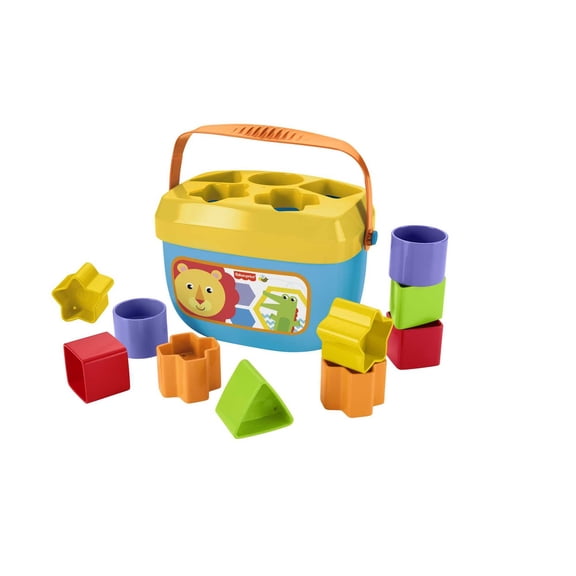
If you’re shopping for toddlers, you may lean toward early play toys with large pieces and simple motions. You can look for shape sorting, push play, stacking, or easy cause-and-effect activities in that stage.
For ages five to seven, you might compare building sets, dolls, or beginner games by play style. You can choose creative play options that balance easy setup with enough variety to hold attention.
If your child enjoys stories and character play, you can compare dolls and dollhouses with themed accessories. You can build richer pretend scenes when outfits, furniture, and companion pieces support ongoing roleplay.
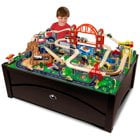
If racing and motion lead the way, you may prefer vehicle sets or track play. You can keep play fresh when cars, launchers, loops, and add-on pieces create new layouts and repeat action.
If active play matters, you might compare blaster sets and targets by format and size. You can check handling, compatibility details, and play area fit when you want movement-based fun indoors or outside.
When problem solving matters, you can look at games and puzzles with age-based challenge levels. You can get more repeat use when the rules feel understandable and the activity still feels rewarding.
Choosing educational toy brands by play goal
You can sort educational toy brands by the kind of skill you want to support during play. You can compare STEM, creative play, and motor skills options based on your child’s stage and interests.
For STEM play, you may compare building systems, logic games, and hands-on kits with patterns or problem solving. You can turn free time into focused activity when the toy encourages testing, building, and trying different ideas.
If creative play matters more, you might choose dolls, design-focused sets, or open-ended building formats. You can give your child room to invent stories, decorate scenes, and change the outcome each time.
For motor skills, you should look for movement-based actions, stackable pieces, easy-grip parts, or guided assembly. You can support hands-on practice when the toy encourages reaching, connecting, sorting, or rolling.
You can also combine educational goals with familiar brands instead of separating those needs. You can introduce learning-style play more smoothly when the toy format already feels recognizable and inviting.
Matching toys by brand to real shopping needs
You may need a birthday gift that feels recognizable without requiring deep product research. You can start with toys by brand when you know the child already enjoys a certain building system, doll line, or vehicle theme.
If siblings share a playroom, you should compare categories that work across several ages and interests. You can often find flexibility in games, larger building sets, or pretend play themes that support group play.
When storage matters, you can check piece count, overall footprint, and future expansion options. You can make a more practical choice when the toy fits your space and still supports later add-ons.
If you’re choosing a holiday gift, you may want name brand toys that feel easy to recognize. You can give with more confidence when the age label, category, and play style are clear at a glance.
You should use brand, age range, toy category, and educational focus together instead of choosing by name alone. You can feel more confident when your choice matches your child’s stage and supports satisfying repeat play.