

K’NEX in Building Play Sets









About K’NEX in Building Play Sets - Walmart.com
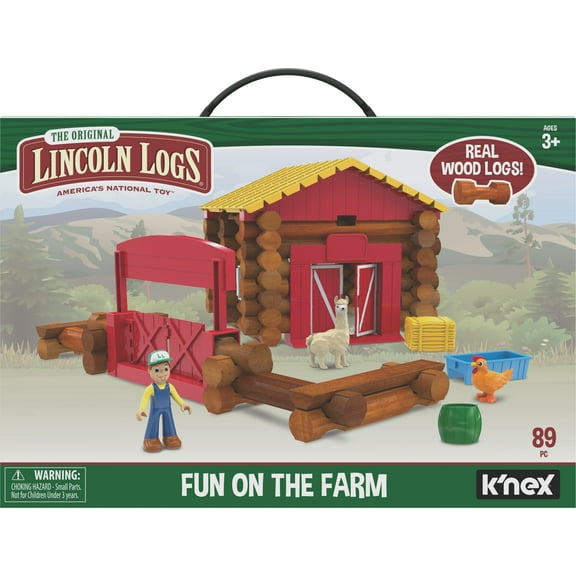
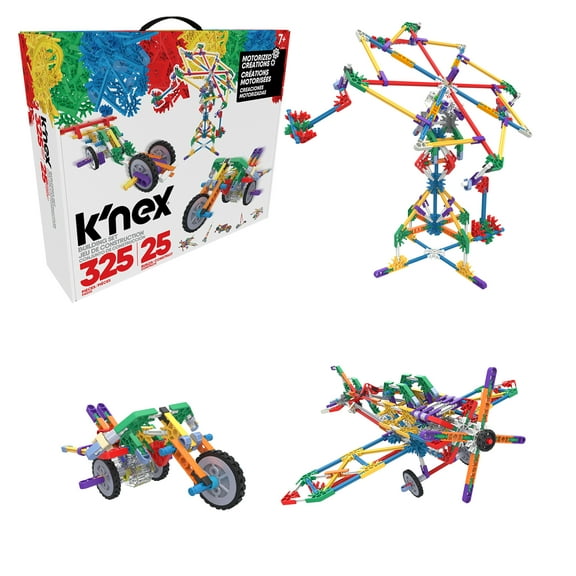
Knex gives you a hands-on way to explore building toys with rods, connectors, and moving designs that feel different from standard blocks. You can compare age ranges, set types, piece counts, and power options to choose builds that match your builder’s skill and interests.
How to choose knex building sets
You should start with age range because piece size and build complexity change how easily your child can connect parts. You’ll usually find preschool options with larger pieces, while older builders can handle tighter connections and longer instructions.
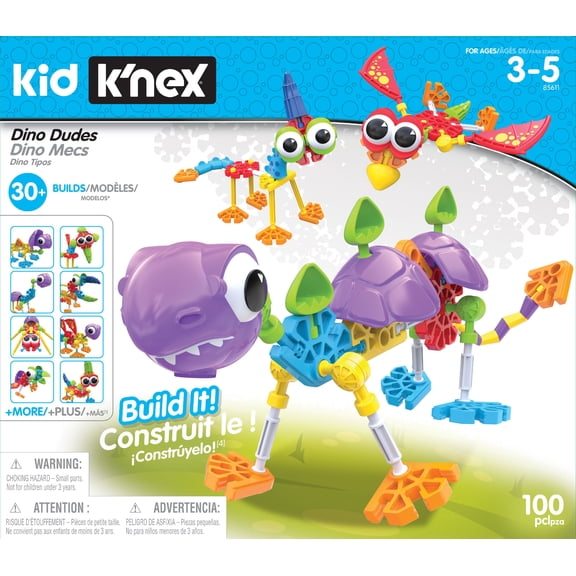
If you’re comparing Kid K'NEX and classic styles, you should look at hand size, patience, and attention span first. You’ll notice larger parts suit early motor skill practice, while smaller rods and connectors support detailed engineering builds.
You can also use piece count as a quick guide for build time and challenge level. You’ll often prefer under 100 pieces for shorter projects, while 500 to 1000 pieces support longer sessions.
- You can choose preschool sets when your child needs larger pieces and simpler connections.
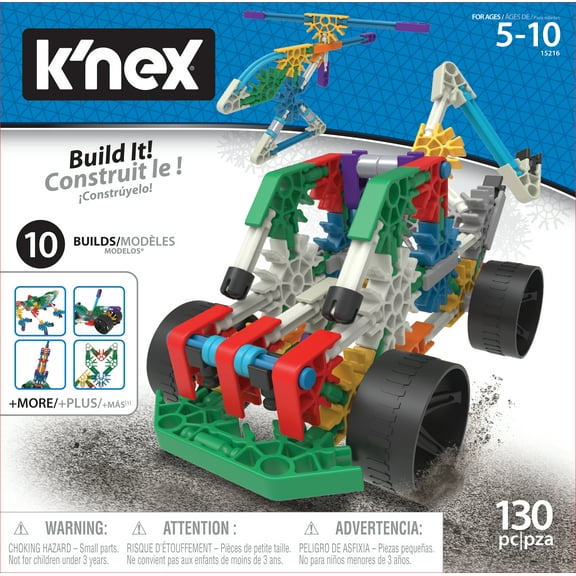
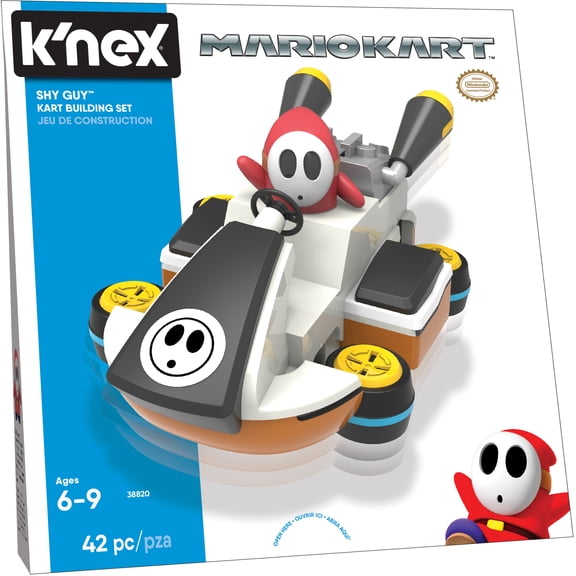
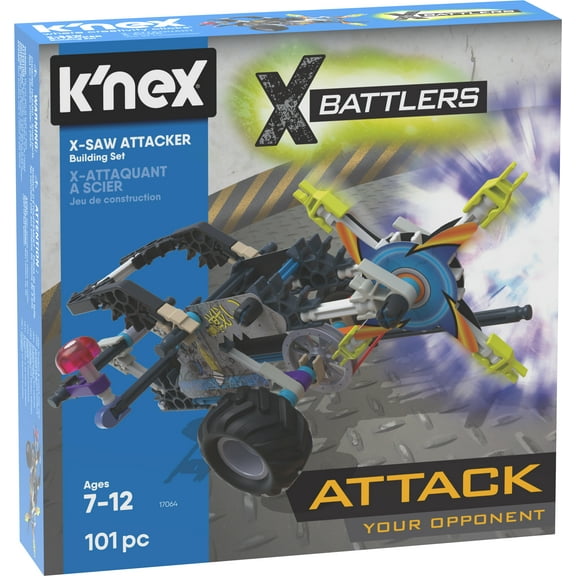
- You can choose kids sets when your builder wants recognizable vehicles, creatures, or starter moving models.
- You can choose older kids sets when your builder enjoys multi-step instructions and more detailed structures.
- You can choose advanced builders sets when your project includes large frames, gears, and extended construction time.
Key differences in knex toys and themes
You should compare theme first because interest keeps builders engaged through longer projects. You’ll often see roller coasters, ferris wheels, vehicles, beasts, and classic building tubs serving very different play styles.
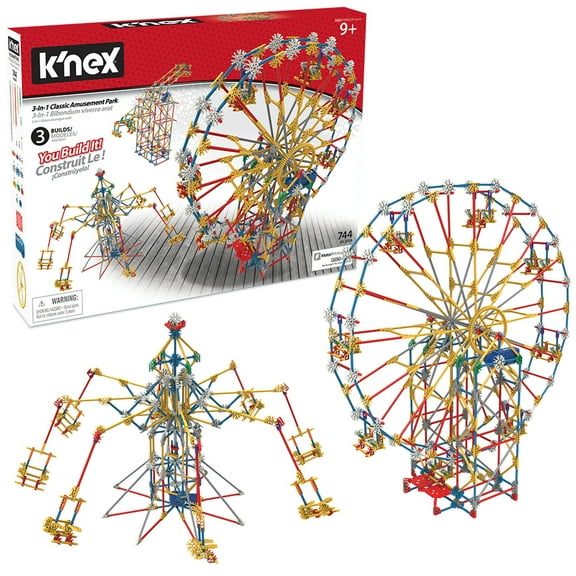
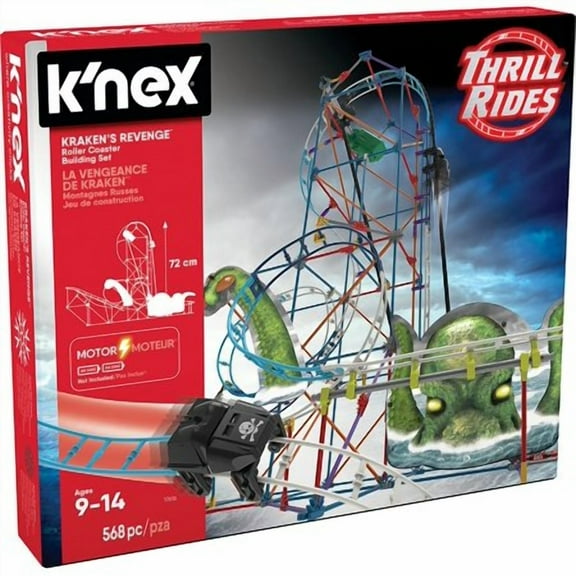
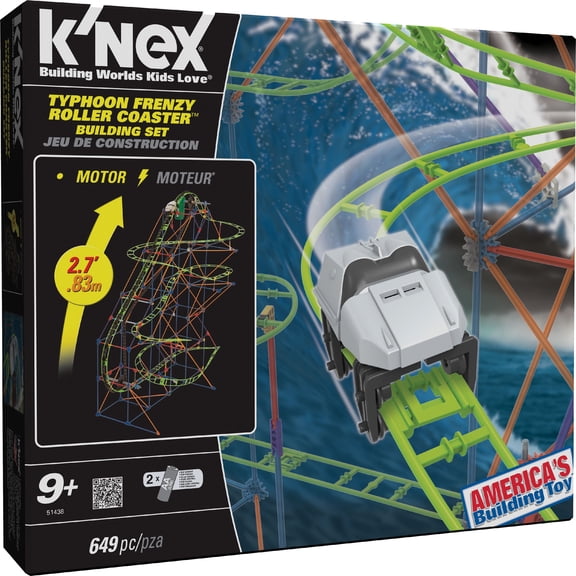
If your child likes motion, you may lean toward a knex roller coaster or ferris wheel set. You’ll get track-focused building, support towers, and moving elements that make the final model feel active.
If your child prefers storytelling, you may choose vehicles or beasts with recognizable shapes. You’ll find those builds easier to connect with pretend play after the model is complete.
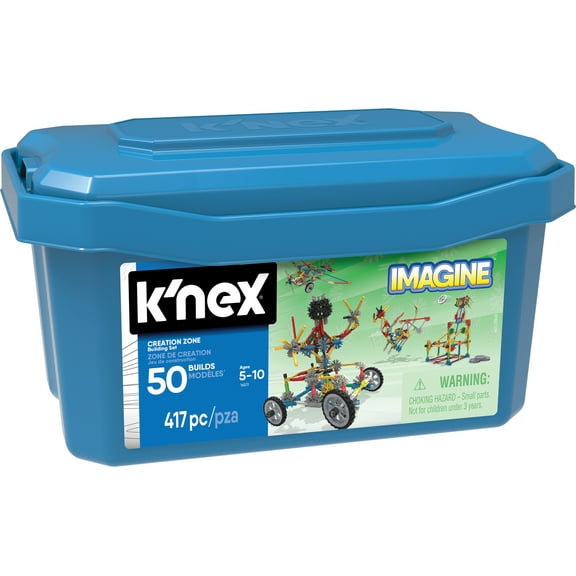
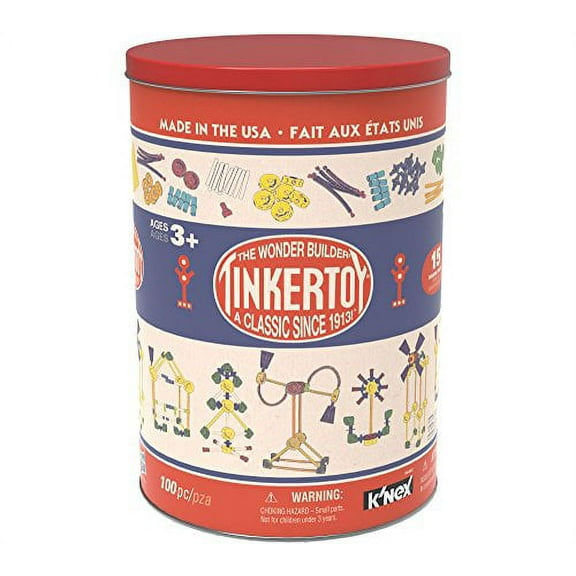
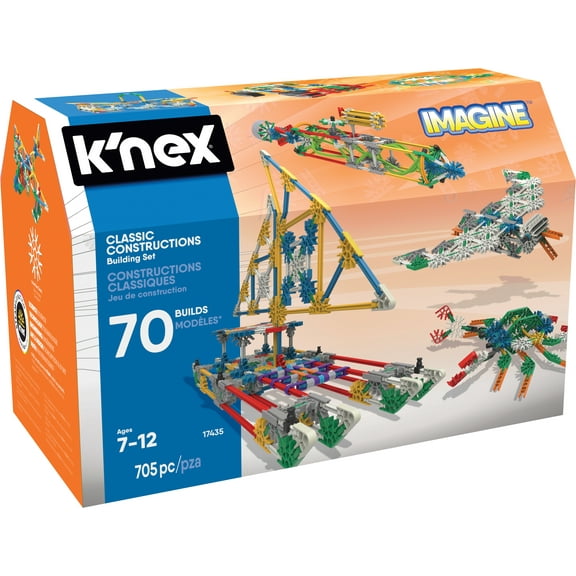
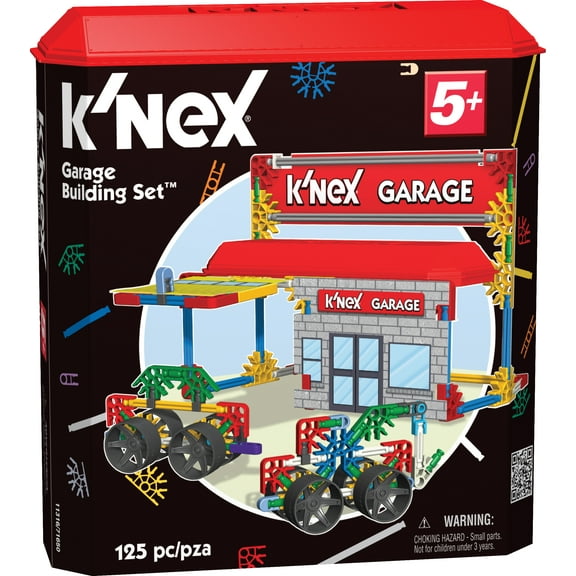
Classic building tubs work well when you want open-ended knex building toys instead of one fixed result. You can reuse loose knex parts across many ideas, which supports creative play and repeated rebuilding.
What to look for in piece count and storage
You should match piece count to your available time, workspace, and cleanup routine. You’ll usually finish smaller sets faster, while large assortments give you more rods, connectors, and specialty pieces.
When you compare 100 to 500 pieces with 1000 plus pieces, you should consider patience and sorting needs. You’ll likely want more table space for larger builds and more time to organize colors and shapes.
You should also check whether the set comes in a plastic tub or a box. You’ll appreciate tubs for repeated access and cleanup, while boxes may suit one main project and shelf storage.
If you’re looking for knex parts for rebuilding, you should prioritize assorted tubs and larger counts. You can keep extra connectors, wheels, and rods together, which makes the next build easier to start.
Choosing motorized and manual builds
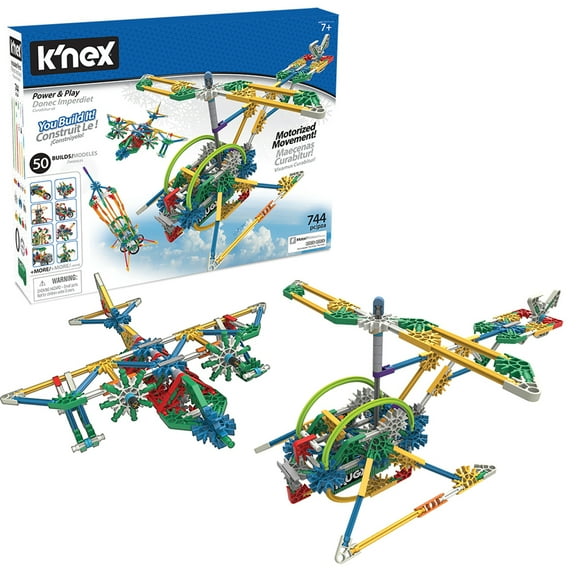
You should decide early whether your builder wants motion powered by hand or by a motor. You’ll notice non-motorized sets focus on structure first, while motorized builds add spinning, climbing, or rolling action.
If you choose a battery-powered motor, you should check battery requirements before you start building. You’ll also want to compare gear systems, because those parts help transfer movement through tracks, wheels, and lifts.
If you choose a plug-in motor, you should confirm where your build will stay during play. You’ll want steady placement for larger displays, especially when your model includes towers, loops, or moving platforms.
Manual sets can make sense when you want simpler setup and fewer extra components. You’ll still get the signature rod-and-connector system, and you can focus on shape, balance, and design.
How educational focus shapes your choice
You can use educational focus to narrow your options when several sets look similar. You’ll often see STEM, engineering, motor skills, and creative play listed as different ways to guide the same building experience.
If you want early practice with coordination, you should look for larger builds with simpler steps. You’ll support motor skills through grasping, connecting, and pulling pieces apart during rebuilding.
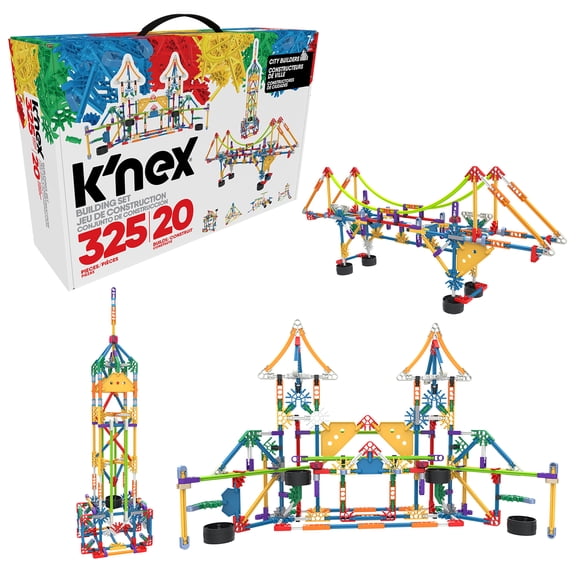
If your builder likes problem solving, you may prefer engineering-focused sets with gears, bridges, and moving sections. You’ll get more chances to explore how parts connect, how supports hold weight, and how motion travels.
Creative play sets make sense when you want flexibility over exact replication. You can build, rebuild, and change direction often, which keeps knex toys useful across many play sessions.
Using knex for real play and gift scenarios
You can choose smaller sets for birthdays, quick projects, or a first introduction to construction toys. You’ll get a manageable build that helps new builders learn the connector system without feeling overwhelmed.
For shared family projects, you may prefer mid-size or large sets with many steps and moving features. You can divide tasks by age, with one builder sorting parts while another handles towers or track sections.
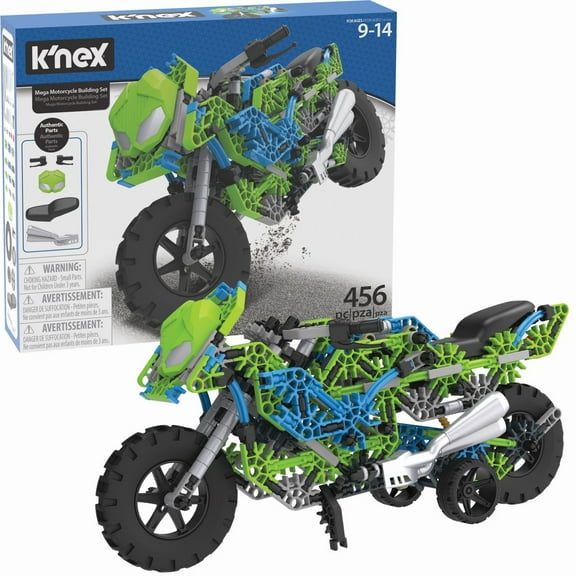
If your child wants a display piece, you may lean toward a knex roller coaster, ferris wheel, or motorized vehicle. You’ll get a model that keeps visual interest after building time ends.
For everyday creative use, you may prefer classic tubs that support repeat building without a strict script. You can keep pieces organized for frequent rebuilding, which turns one set into many possible projects.
You can choose knex with more confidence when you compare age range, theme, piece count, educational focus, and power source together. You’ll end up with a build that fits your space, your cleanup routine, and your builder’s attention span.