

Kids’ Biographies & Autobiographies in Children’s & Kids’ Books















About Kids’ Biographies & Autobiographies in Children’s & Kids’ Books - Walmart.com
Children's biography books help you turn real lives into meaningful reading time. You can match each title to your child's reading stage, interests, and school topics.
You may want true stories that feel inspiring without feeling hard to follow. You'll also find category choices that support classroom units, book reports, and family reading routines.
How to choose children's biography books
You should start with reading level, because your choice affects attention, confidence, and reading comfort. You can compare toddler, early reader, middle grade, and young adult options by language and detail.
For toddlers, you may prefer board books and picture books with simple words and clear art. For early readers, you can look for short chapters, larger type, and visual cues.
Middle grade readers may want fuller timelines, richer context, and independent reading. Young adult readers may prefer deeper life stories, personal reflections, and historical background.
You can also compare narrative style before you choose a title. You'll notice graphic novels, illustrated books, chapter books, and picture books support different reading habits.
Biographies for kids by subject and interest
You can narrow biographies for kids by focusing on what already holds your child's attention. You may also match subjects to school units, reading logs, and seasonal classroom themes.
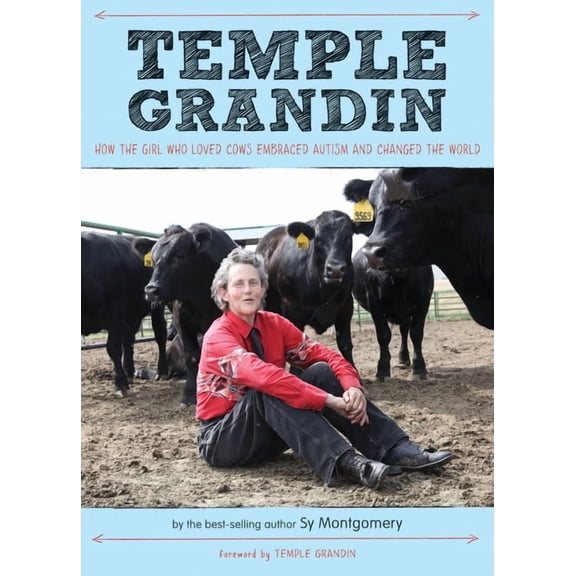
If your child likes discovery, you can look for scientists and inventors. If your child enjoys teamwork and competition, you may prefer athletes and sports figures.
You may want artists, musicians, and creators when your child enjoys drawing or performing. You can also choose political leaders and historical figures for social studies connections.
- You can use scientist biographies to support STEM curiosity and classroom projects.
- You can choose athlete stories when your child connects with practice, teamwork, and perseverance.
- You can pick artist and musician titles to pair reading with creative hobbies.
- You can select historical leaders for timeline units, heritage months, and report topics.
You may also look for famous people books for children from different backgrounds and time periods. You'll build a broader home library when your child sees many real-world paths.
Choosing format and narrative style
You should compare format before you decide, because book style affects attention span and reading comfort. You can choose hardcover, paperback, audiobook, or board book based on how your child reads.
Hardcover books can suit frequent rereading and classroom sharing. Paperbacks can feel lighter in backpacks and easier for independent readers to hold.
Audiobooks can support listening time during car rides, quiet time, or family read-alongs. Board books can work well when you want sturdy pages and short, guided reading moments.
You should also compare how the author tells the story on the page. You'll often find illustrated and picture book styles useful for younger readers and visual learners.
Graphic novel biographies can help you present timelines, dialogue, and major milestones in a visual way. Chapter books can give your child longer reading sessions and fuller life details.
When you compare these options, you can match the story to your child's reading confidence. You'll often keep interest longer when text load and image support feel balanced.
Using autobiographies for children in everyday reading
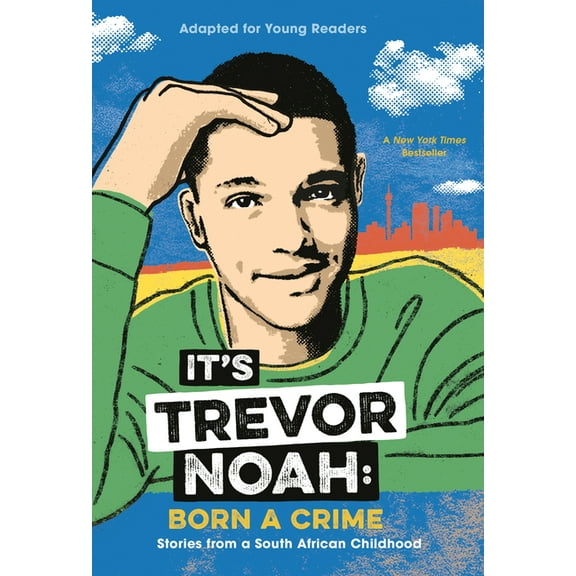
Autobiographies for children can add a personal voice that feels direct and memorable. You may choose them when your child wants experiences told from the subject's own perspective.
You can use these books for bedtime reading, homeschool lessons, or independent reading. You'll also find them helpful for book reports and biography projects.
Historical stories for kids can fit naturally into Black History Month books for kids and women's history books for children. You can also use them year-round for broader reading goals.
When your child studies space, you can pair reading with scientist biographies and simple activities. When your child studies government or history, you can match books to major events and leaders.
You may also build themed reading stacks around sports, art, invention, or activism. You'll create stronger connections when reading choices reflect schoolwork and personal interests.
If your child resists long text, you can begin with illustrated life stories or graphic novel formats. If your child wants added depth, you can move into chapter books and young adult biographies.
What to look for before you choose children's biography books
You should check age guidance, format, and subject before making your final choice. You can also compare page count and visual density to gauge reading effort.
Look for books that match your child's current reading stage without feeling too simple. Consider topics that support curiosity, classroom learning, or family reading time.
With children's biography books, you can turn real people and real events into reading that feels relevant. You'll bring home stories that support learning, discussion, and lasting interest.