

Jack Stands in Automotive Stands and Supports














About Jack Stands in Automotive Stands and Supports - Walmart.com
Jack stands give you stable vehicle support for tire service, brake work, and garage maintenance on cars, trucks, and SUVs. This page focuses on capacity ranges, lift compatibility, and stand designs that fit real driveway and shop tasks.
Jack stands for cars, trucks, and SUVs
Choosing the right support starts with your vehicle type and the weight each stand can handle. Sedans often need different capacity planning than pickups, crossovers, or full-size SUVs.
Car stands help keep a lifted vehicle supported after a floor jack raises it. That matters when youu're rotating tires, inspecting underbody parts, or servicing brake assemblies.
Look for options that match your routine and your storage space. Compact pairs fit home garages, while taller designs suit trucks with added ground clearance.
Why jack stands matter during vehicle maintenance
The right set helps create a steady working height under the frame or manufacturer lift points. That gives you room for wheel removal and access underneath.
They also support repeat jobs across seasons. Spring tire swaps, brake pad changes, and undercarriage checks all call for dependable vehicle support.
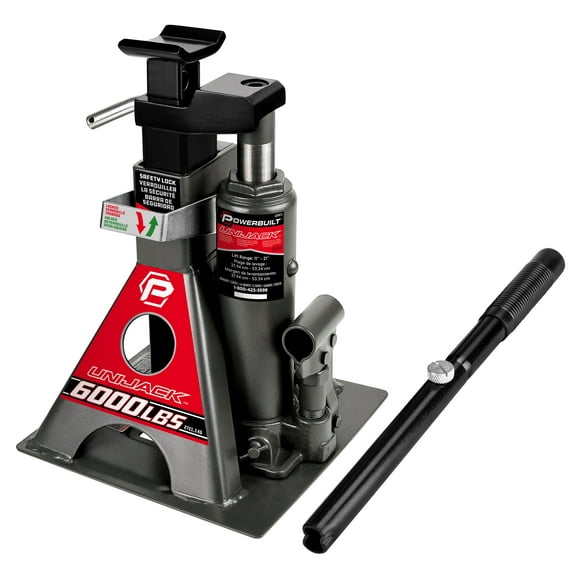
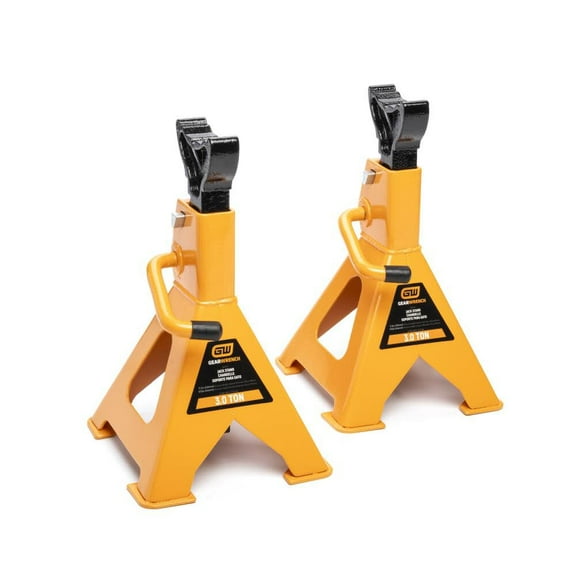
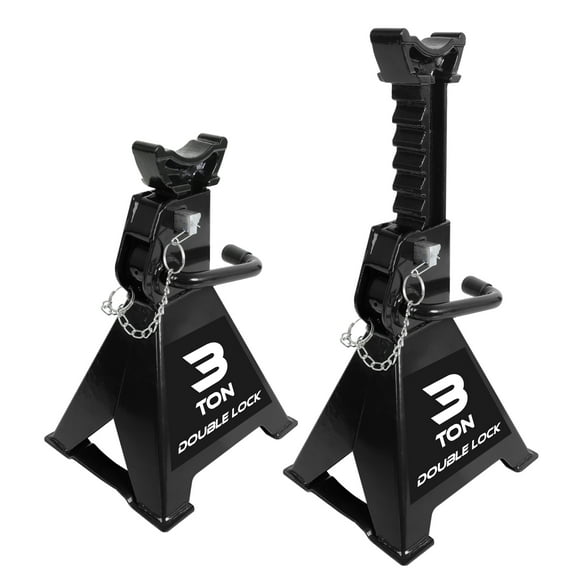
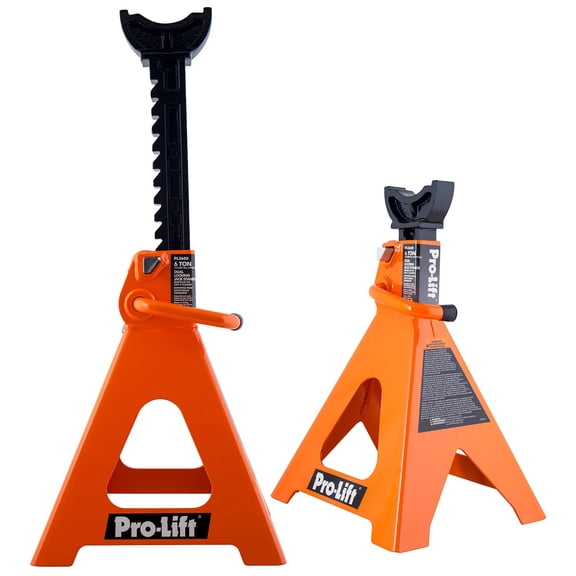
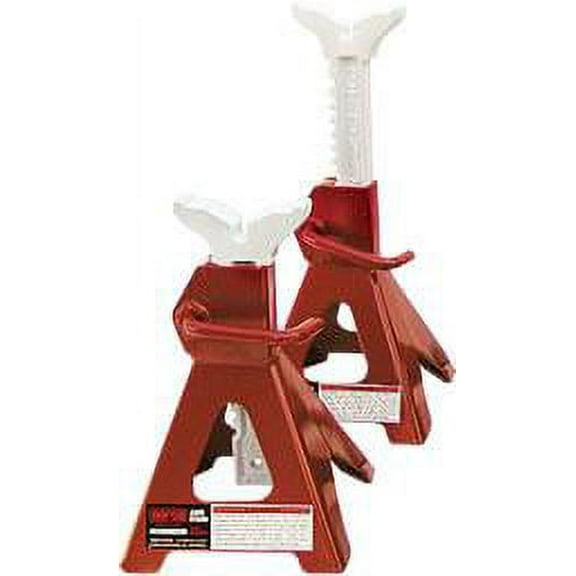
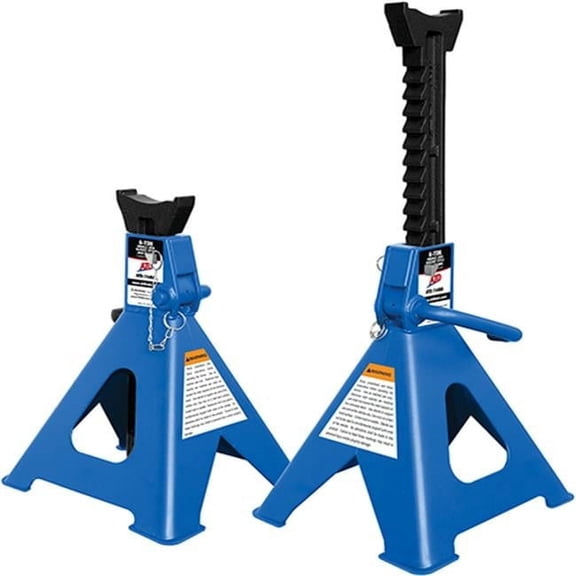
- Choose rated capacities such as two-ton, three-ton, six-ton, or 12-ton for the vehicle class you service.
- Pick height ranges that reach your lift point without forcing extra blocks or awkward positioning.
- Select base shapes that sit securely on concrete garage floors and other flat work surfaces.
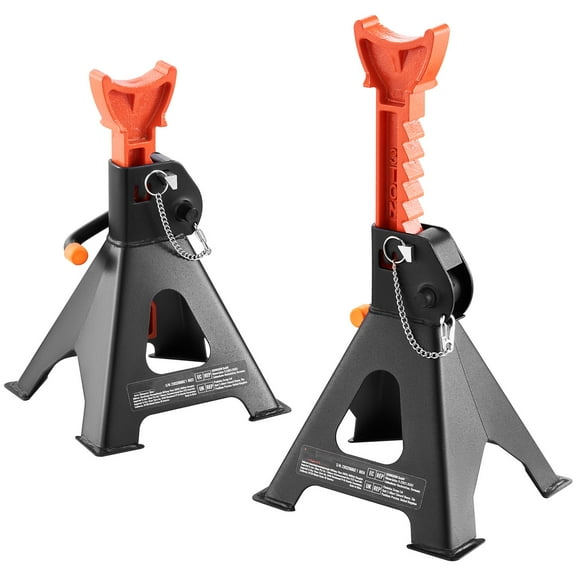
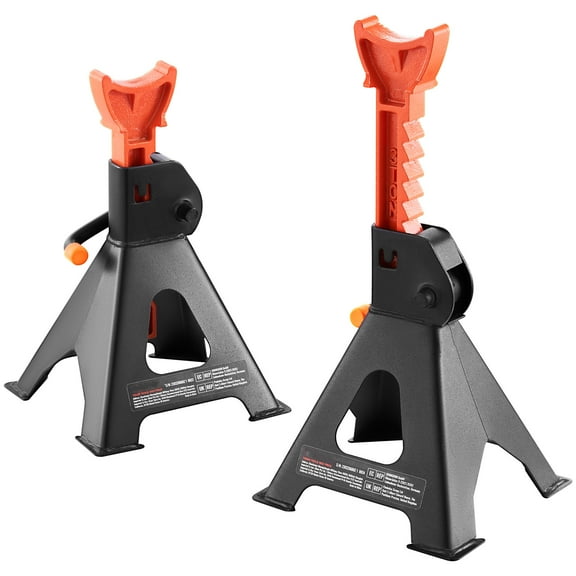
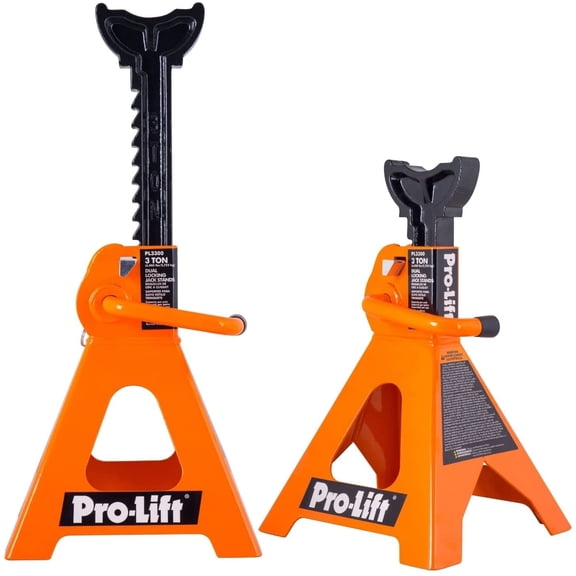
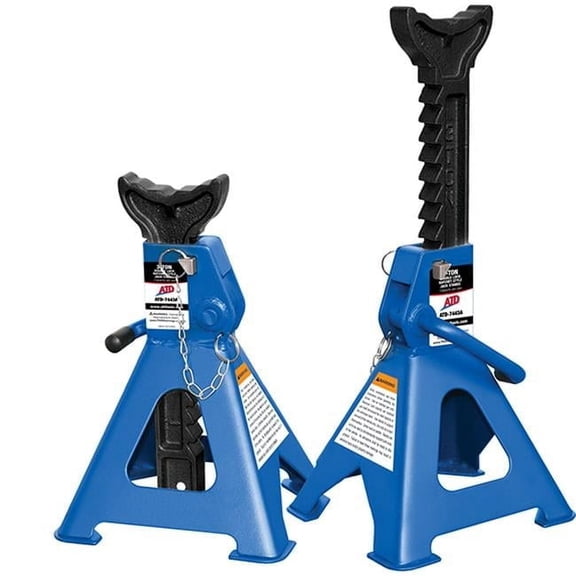
- Compare locking styles, including ratchet designs and pin styles, for the setup you prefer.
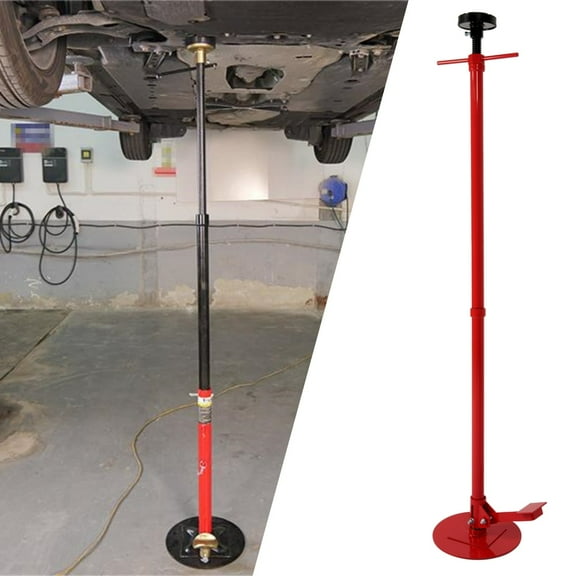
Heavy duty jack stands are useful when you service larger trucks or work with taller frame heights. Wider bases and taller lift ranges can improve fit for those applications.
How to compare capacity, height, and locking design
Capacity is a key filter because it narrows choices fast. Many shoppers start with two-ton or three-ton pairs for passenger vehicles, then move higher for trucks.
Height range matters just as much as ton rating. A stand for car service should reach the proper support point after the vehicle is lifted.
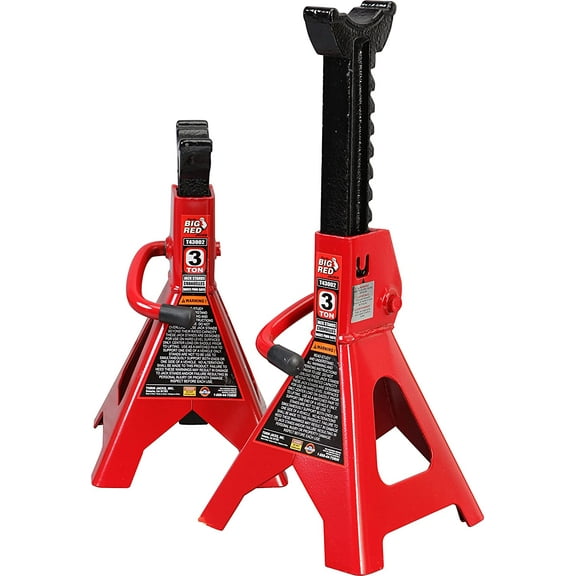
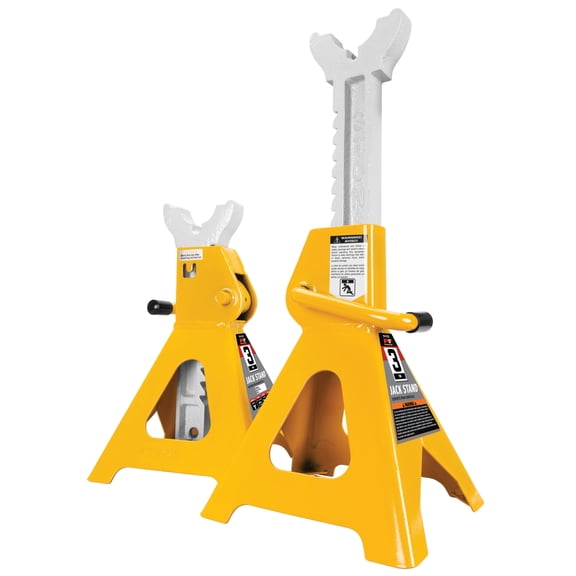
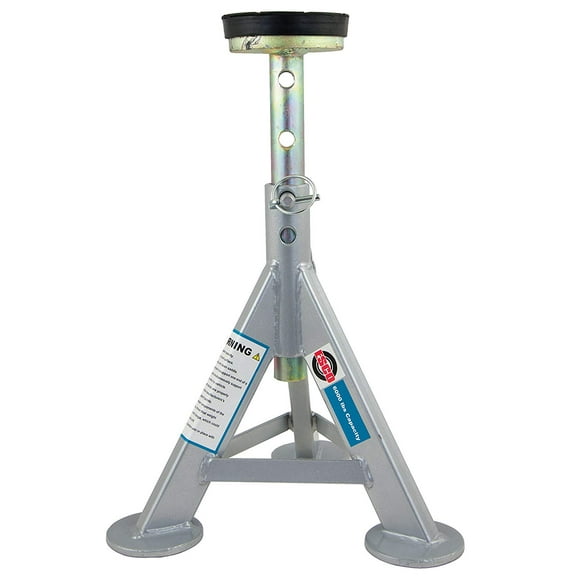
Ratchet models use a notched center post for fast adjustment during setup. Pin-style designs use a locking pin through the support post at selected heights.
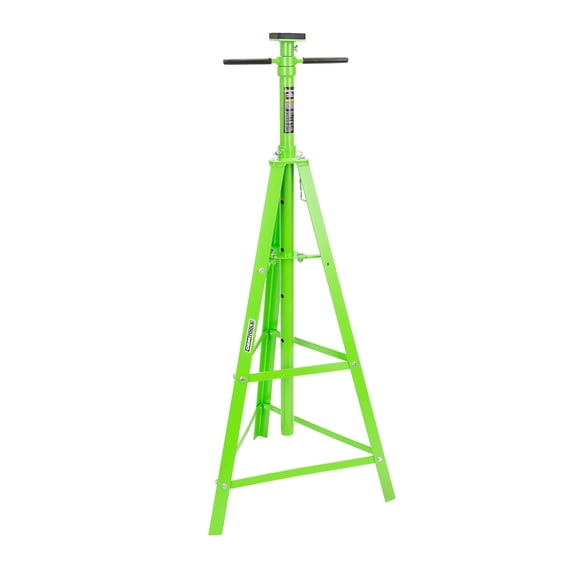
Base construction affects stability and footprint. Tripod and square bases can feel different in tighter spaces, especially beside low-profile floor jacks.
Material also changes handling. Aluminum jack stands are easier to carry and reposition, while steel designs are often chosen for heavier shop tasks.
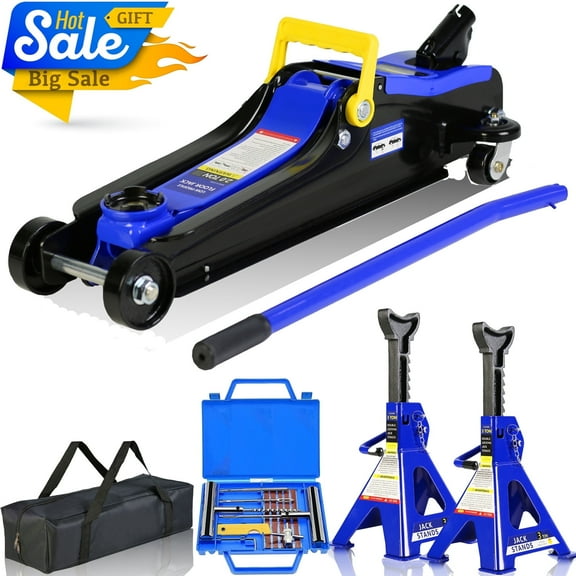
Pairing matters too. Many listings include two stands, while some sets support involved garage setups with matching accessories or storage cases.
Aluminum jack stands and steel car stands
Aluminum jack stands appeal to shoppers who move equipment often. Their lighter build can make setup easier when youu're working around multiple corners of a vehicle.
Steel car stands remain a common pick for frequent garage use. They usually have a familiar feel, solid welded construction, and a wide range of capacity choices.
Saddle shape is another detail worth checking. Contoured saddles can align neatly with many frame contact points and help simplify placement.
Finish and portability can influence storage between jobs. Some shoppers want compact stands that fit beside a spare tire kit or garage shelving.
Heavy duty jack stands and support options
Heavy duty jack stands fit truck maintenance, lifted vehicles, and shop tasks that call for taller support ranges. They often include wider bases and thicker steel construction.
These models are also useful when frame contact points sit higher off the ground. That makes them a practical choice for pickups, vans, and larger sport utility vehicles.
Jack stands near me availability and pickup intent
Many shoppers want jack stands in stock with convenient shipping or pickup options. Clear filters help you compare capacity, height, material, and set size quickly.
That convenience matters before a tire rotation, brake service, or seasonal wheel swap. Fast product comparisons help you choose a stand that fits your vehicle and jack.
Use cases and a simple buying guide
If you drive a sedan or compact crossover, lower-profile stands with moderate lift ranges may fit your service routine. They work well for tire rotations and brake jobs.
For pickups and larger SUVs, extra height can matter as much as rated capacity. A taller support range can match truck frames and lifted suspensions.
Home mechanics often compare jack stands in stock by capacity, height, and material before a weekend project. Clear filters help narrow options without guesswork.
If you already own a floor jack, check the jacku's lift range against the standu's minimum and maximum height. Matching those numbers supports setup.
Some shoppers also compare these with car ramps for oil changes and front-end access. Jack stands stay useful when wheel removal is part of the job.
A straightforward checklist helps. Confirm vehicle type, choose the ton rating, review height range, compare steel against aluminum, and check the locking mechanism.
When those details line up, your setup feels practical for repeat maintenance. The result is access under the vehicle and support where it counts.