

Hyper ToughNaipoKFFKFFLafatiBlack JackJEGSPOVANLIVEVORMaxorityLARBANKEStrongholdHemotonBENTISMJack BossHARTPro-LiftBig RedSZTAATebruUnbrandedTorinKtaxonSTARK USAcyricoHPDMCDNA MotoringCamcoPOPETPOPPerformance ToolScitooMachProPixnorLuckynoteIHEXStrongwayWestwardLovoInKohreeWOHSAOGASKYAUTOXBERTLibra Trailer PartsBowoshenTCEAIWFLBastion DistributionPuppyCheerSeizeenLukuGenericSUPERFASTRACINGSpeedway MotorsWheelXDeiokinwnpxqntGOOHOCHYHpdavvRaindropsmteryoingK Tool InternationalCJ NorvaBulldogPittsburgh AutomotiveNOBRANDTowingMasterBeslandsMountainZENYGeneralMayflower DistributingBlackhawkWilmarReeseGrace PawsShenmamo shopOcibmnAkron ProductsNesteryHomedokeaKindofLOOKBENGPAOBASouthwest WheelChateauyAmerican Forge & FoundrySoftHome LabDonextNorcoATD ToolsGUOXIANGHUSKY TOWING PRODUCTSOunonaBALLFUCURTLOLIPPYYRoiXstSeaYhTOWKINGCQSXDADELICOZEAcpouwAurum LivingPowerbuiltAURAVISTAS-HOMEZHISHENGIntbuyingZOSEGarveeHomeOmegaSTORKINGSunex ToolsXLYWKJESCOGARVEEGFYSHIPGizmoPawsdotUriah ProductsWORGEOUSYUANYUANXIZIBeauprettyEZ Travel DistributionHomemaxsJERFITMilistenOlurrisaSHENCAIOUVoyager ToolsChannellockLDTechnologyMartins IndustriesMuweixinPreasionXiangqiTradingAutofuAutomotiveFOMIYESHSSMHubimerelezintsupermaiJetMasteelfOTCRareelectricalRENACLIPYStromberg CarlsonVestil ManufacturingBIMZUCBroadfashionDIANJIEHCYJIUPUKEENleorxLITINKIMILiufqunMaisutsebMeiyiuTABLZONETechtongdaTel-O-PostTOOLKIMAXTowallmarkWETOXLWeXbleQinWinston ProductsWLTZCJLDWorldWide Sales OnlineYAHHUYartakaAccreateATDBESTYASHDragonpad USADUOSONGHHZFWALHuajiang TechIdealHouseJia Pa Ke JiKojooinLGXEnzhuoLilyStoreMaeklonMescukayMiumaeovMyers Tire SupplyMytee ProductsRamRAM Gameroom ProductsSuodokaThe Trailer Parts OutletTONEIDERWHAMVOXAcekidAdendaAdicionesAdnikAstro Pneumatic Tool Co.BetterbrandbROK
Car Jack Kits, Scissor, Hydraulic & Floor Jacks for Cars & SUVs
Uses item details. Price when purchased online




















About Car Jack Kits, Scissor, Hydraulic & Floor Jacks for Cars & SUVs - Walmart.com
Discover Car Jacks for Confident Outdoor Vehicle Maintenance
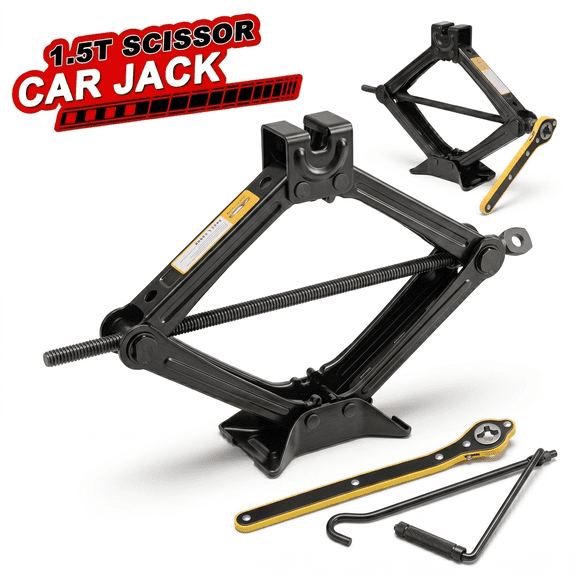
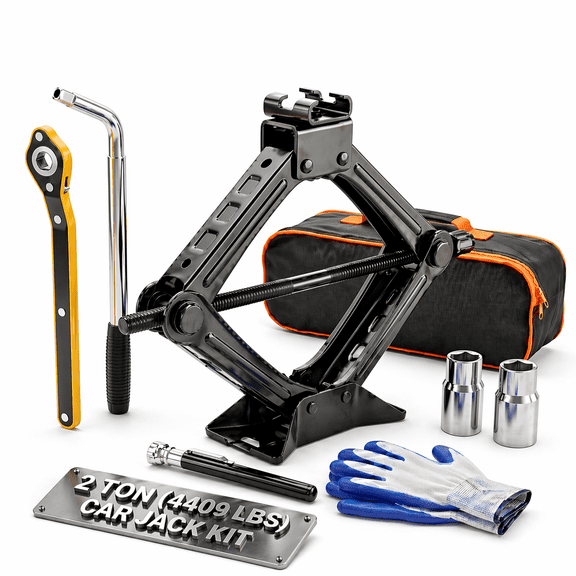
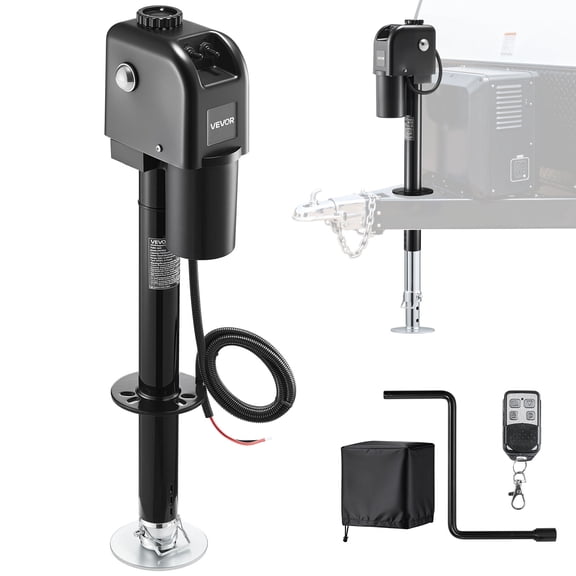
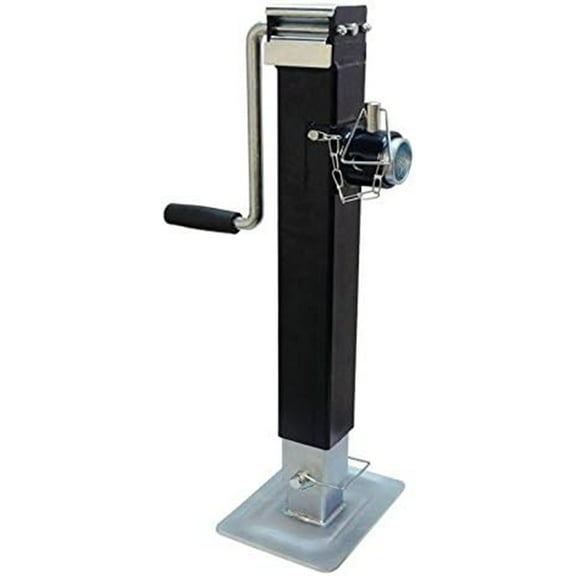
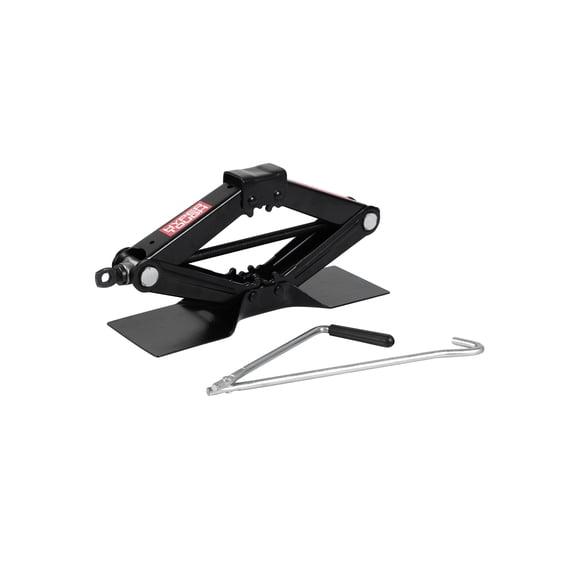
Getting your vehicle ready for an adventure or ensuring reliable performance starts with the right equipment. Walmart carries a wide selection of car jack kits—scissor jacks, hydraulic floor jacks, bottle jacks, and more—so you can tackle routine maintenance or unexpected tire changes wherever your outdoor plans take you.
Key Benefits for Every Garage and Outdoor Setting
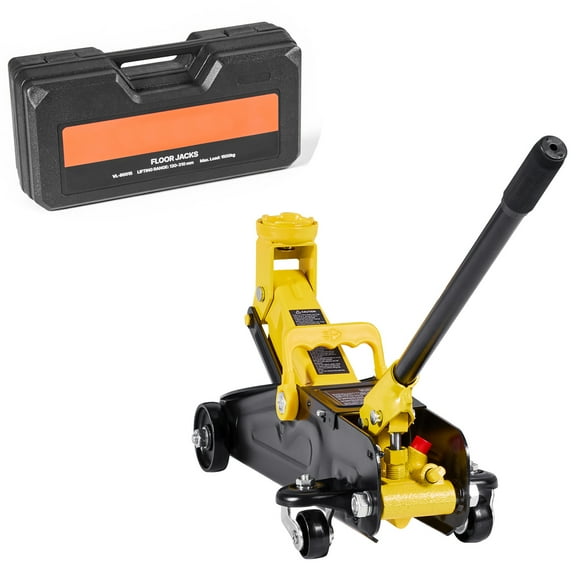
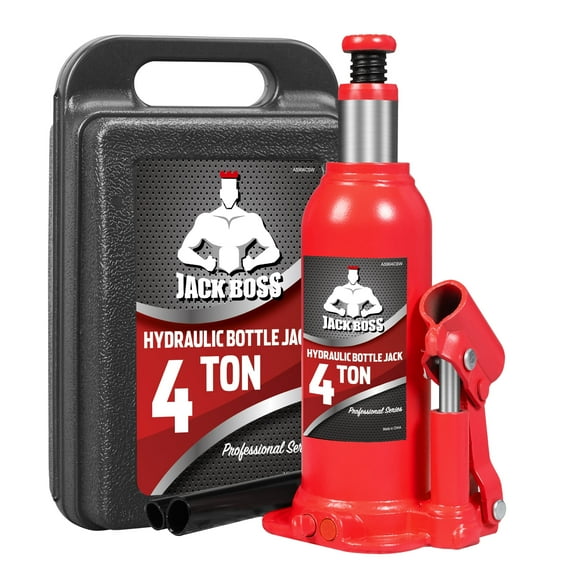
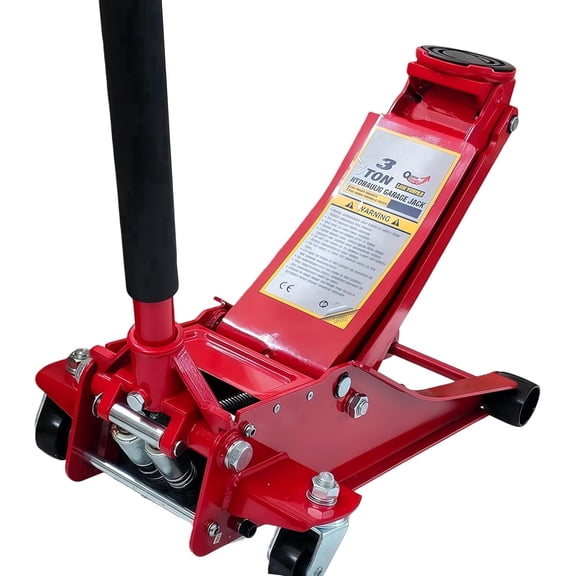
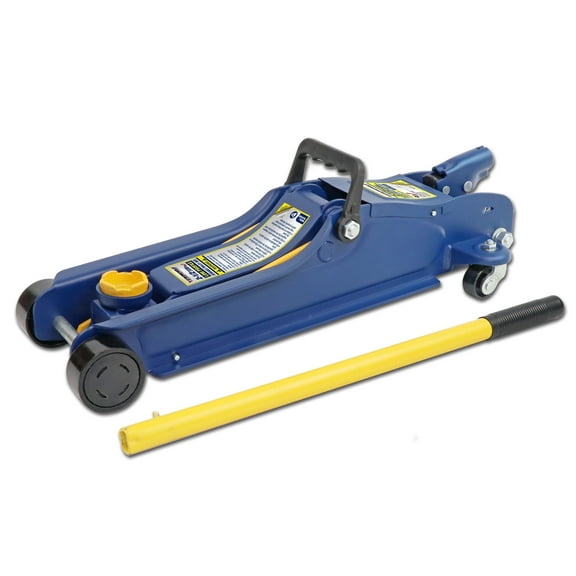
- Tailored to Your Vehicle: Explore 2-ton, 3-ton, and 4-ton car jack options to match your car, SUV, or truck’s weight and clearance for secure lifting and hassle-free tire changes.
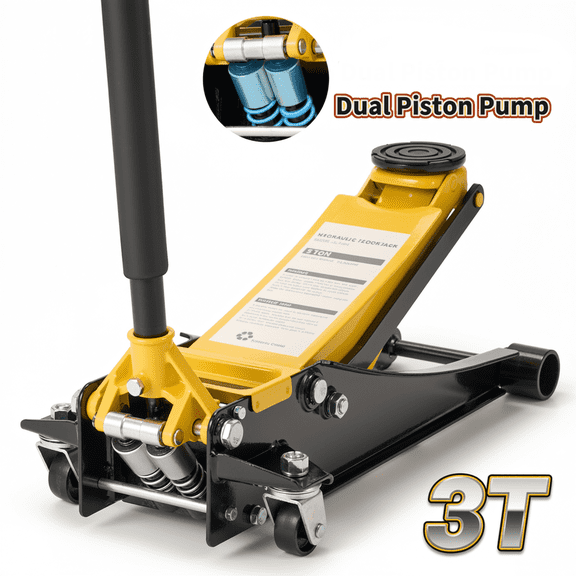
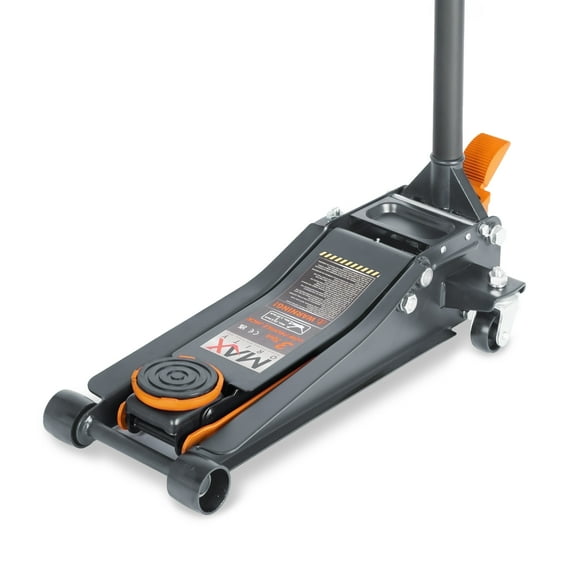
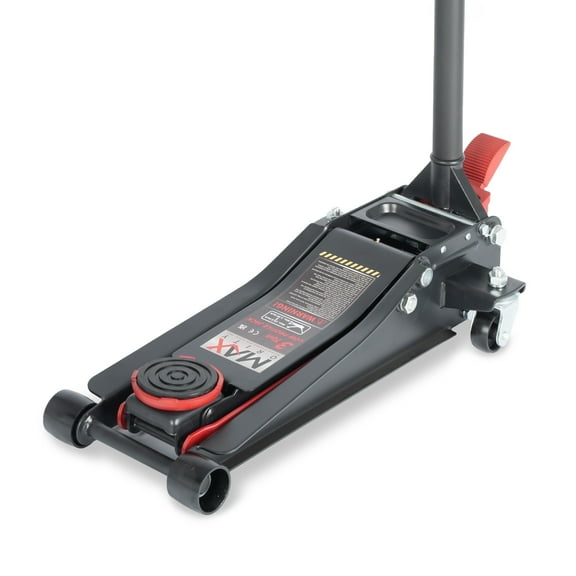
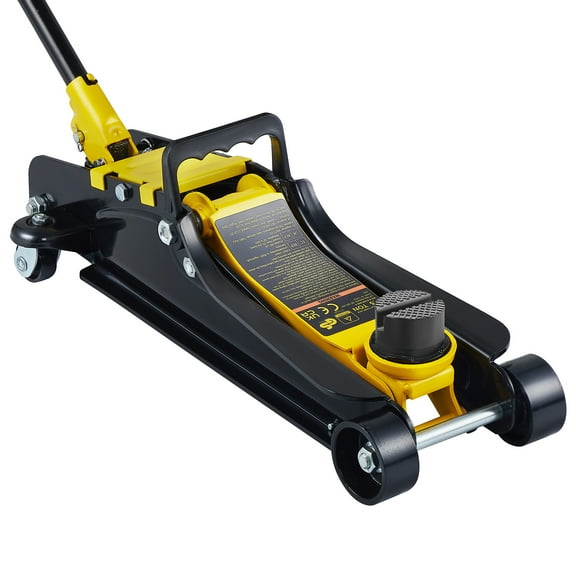
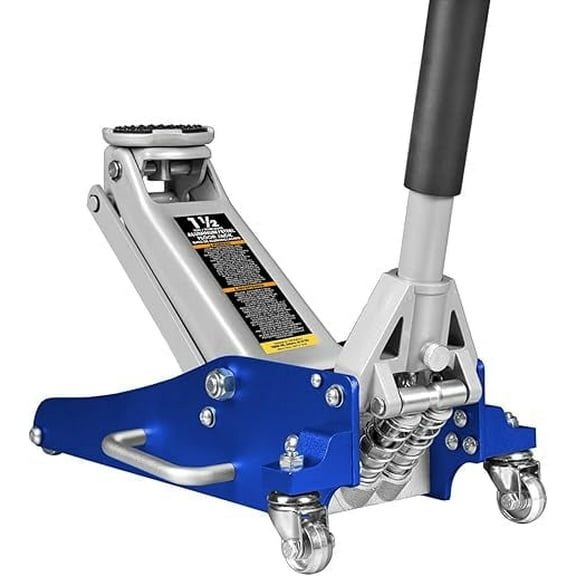
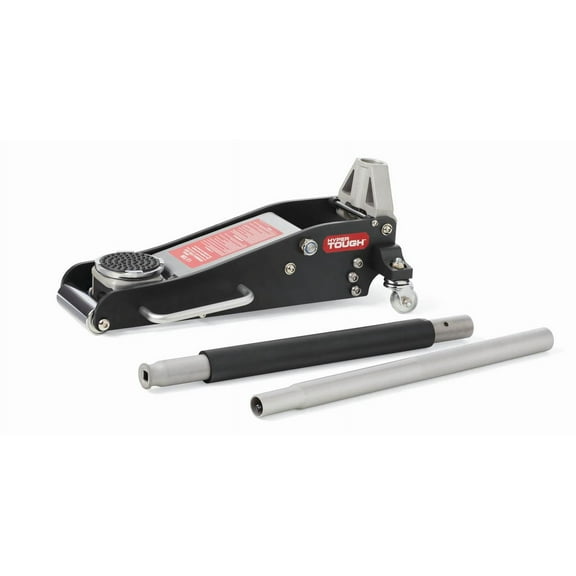
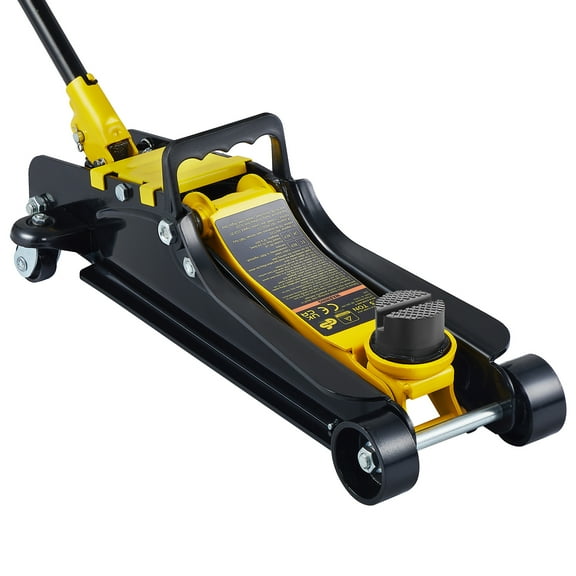
- Effortless Access in Tight Spaces: Low-profile floor jacks make lifting sedans and sports cars easier, letting you reach difficult lift points without the struggle when working in outdoor or driveway settings.
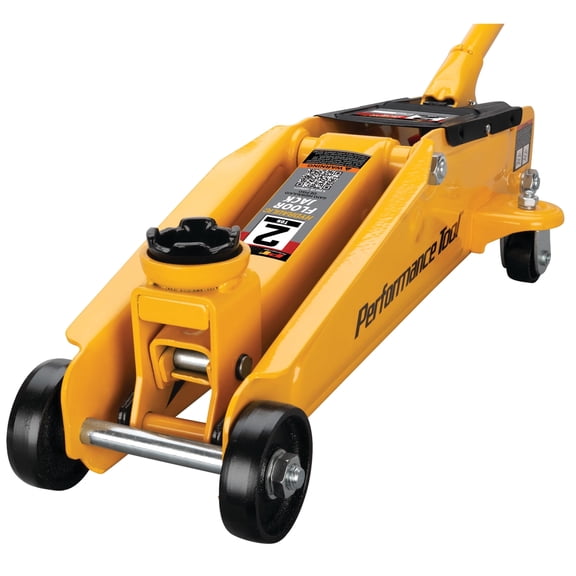
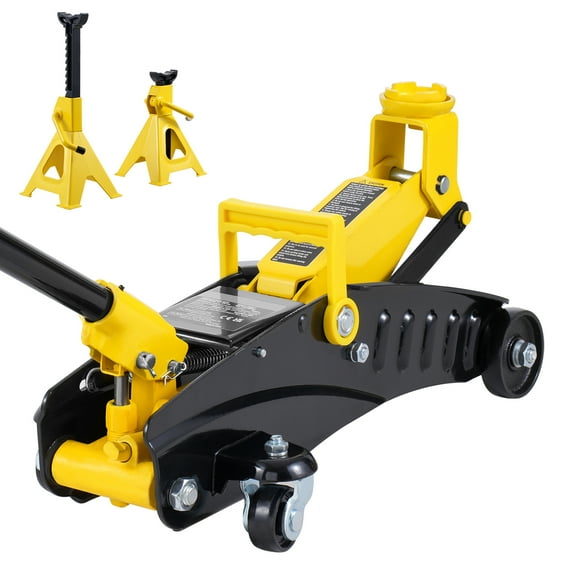
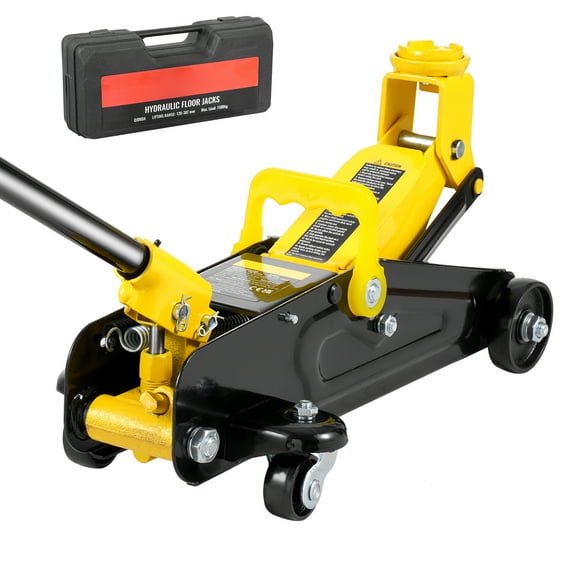
- Stable and Smooth Operation: Hydraulic floor jacks with pump handles and wheeled bases deliver steady lifts and convenient mobility, ideal for shifting between garage and driveway projects.
- Easy to Carry and Transport: Lightweight aluminum models suit mobile outdoor maintenance, while durable steel constructions are perfect for stationary garage setups, keeping your workflow efficient and supported.
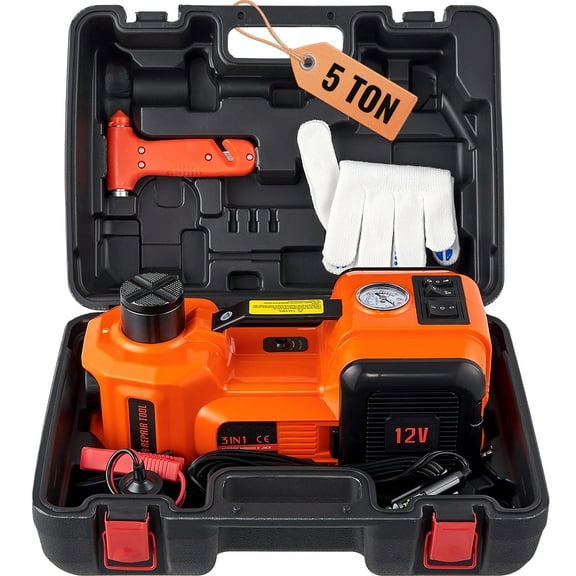
- Safety-First Design: Features like bypass valves, overload protection, and sturdy caster wheels help promote secure lifting and peace of mind, whether you’re working at home or on the go.
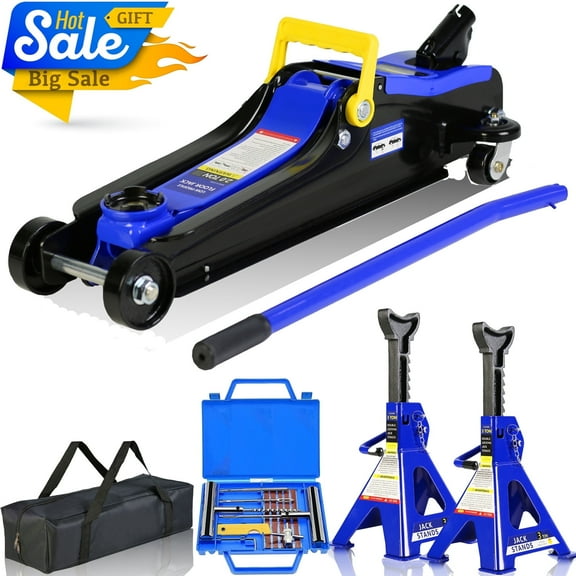
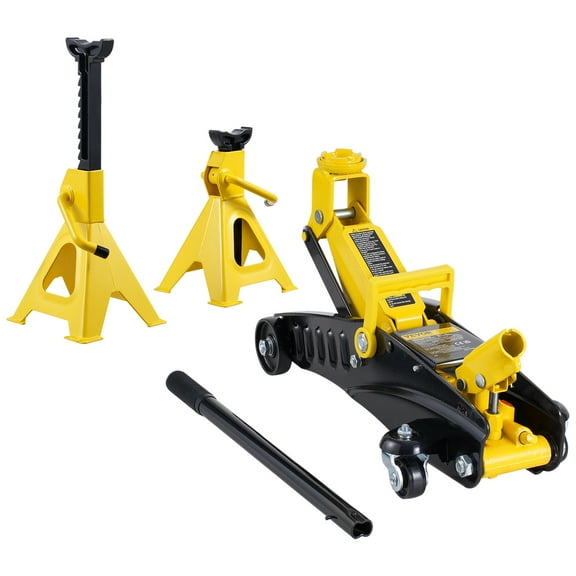
- Build a Complete Outdoor Kit: Enhance your jack’s versatility by pairing it with jack stands, ramps, and mechanic tools from Walmart, creating a comprehensive solution for vehicle care anywhere.
Shop with Confidence at Walmart
Walmart’s range of car jacks is designed for real-life needs—from quick driveway fixes to extended outdoor repairs. Compare capacities and profiles, choose the materials that fit your maintenance style, and keep your outdoor entertaining plans—and your vehicle—on track.