


Find auto parts that fit
Let’s search for parts that fit your vehicle.ATV Fluids in Oils and Fluids
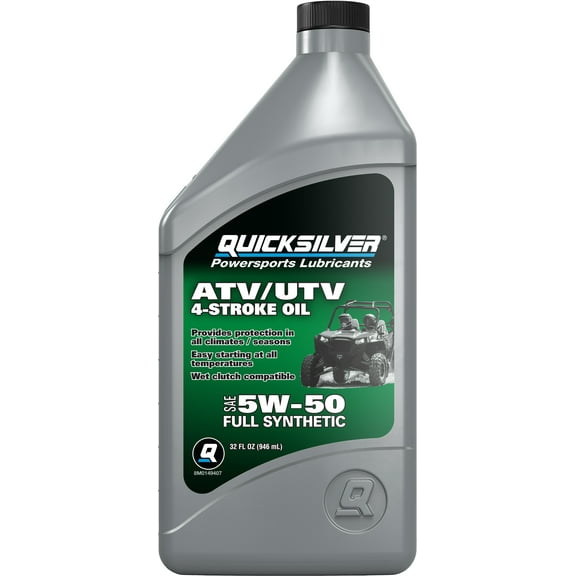

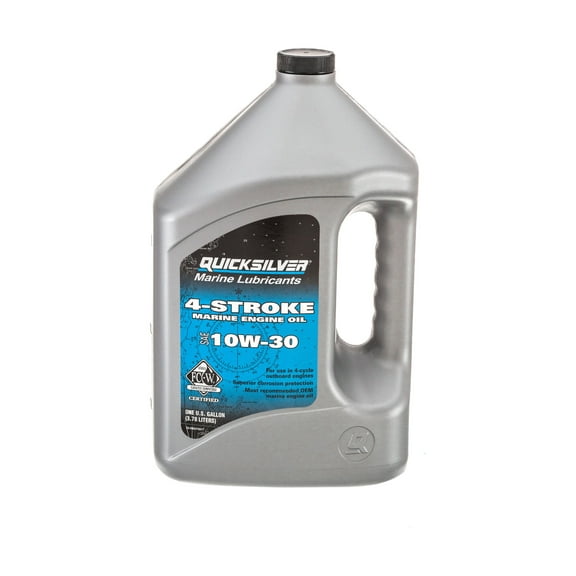


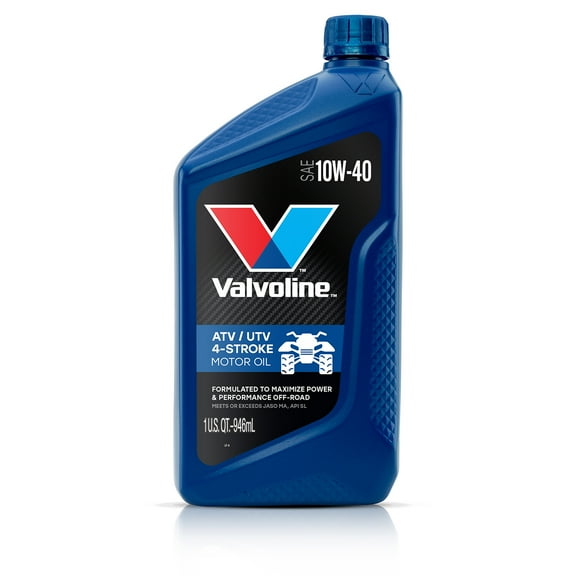

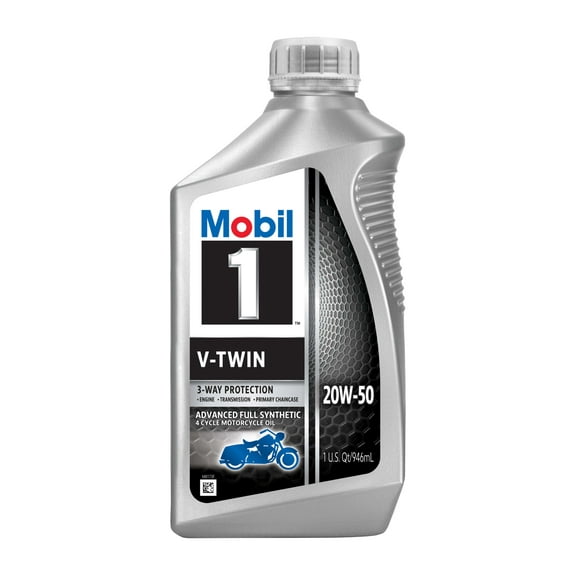













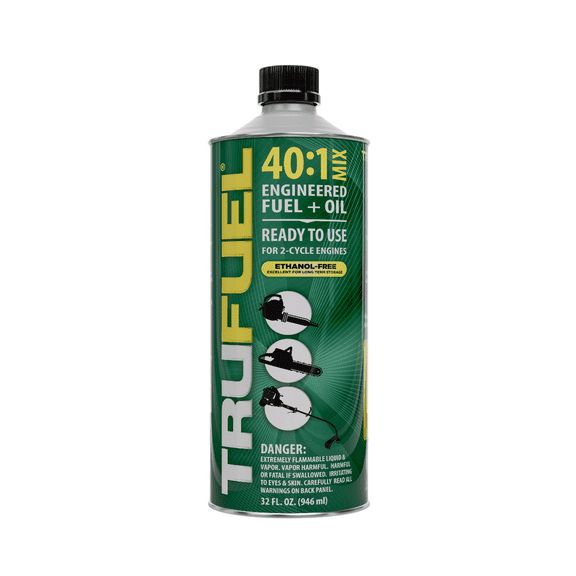


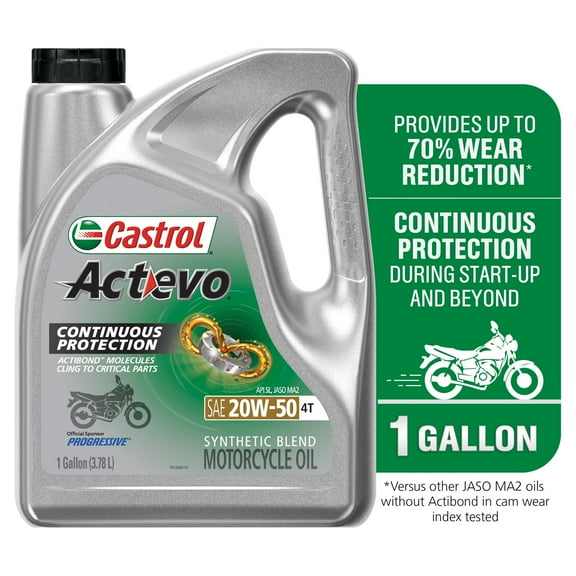


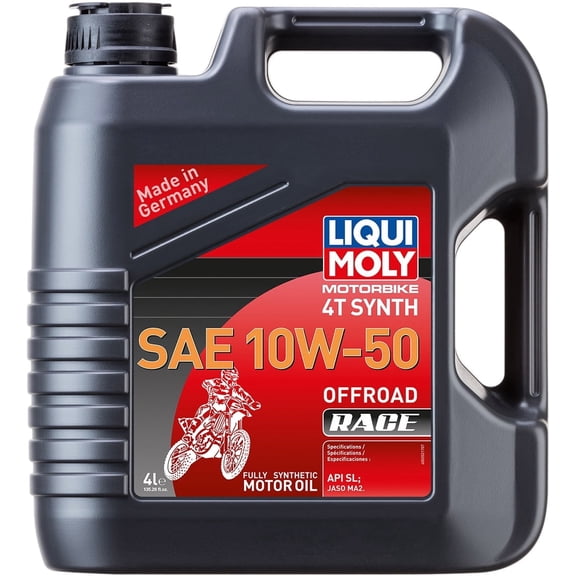
About ATV Fluids in Oils and Fluids - Walmart.com
Auto tires are easier to compare when you focus on fitment, tread type, and installation options before you buy. Different vehicles need different sizes, and your road conditions help shape the right tire category for your routine.
How to choose auto tires for your vehicle
Start with your tire size, because fitment affects ride feel, handling, and wheel compatibility. You’ll usually see width, aspect ratio, radial construction, and wheel diameter printed on your current sidewall.
A size like 225/65R17 gives you a clear fit guide for your vehicle. In that code, your width is 225, your aspect ratio is 65, and your wheel diameter is 17 inches.
Another key step is matching tires to your vehicle type before you compare tread styles. Depending on your vehicle, you may need passenger tires, suv tires, minivan tires, or light truck options.
Choosing between car tires and vehicle types
Car tires often fit daily commuting, school runs, and highway driving when your vehicle uses passenger-focused fitment. On paved roads, you may notice a smoother ride and tread patterns made for steady everyday use.
For heavier vehicles, you may want SUV or light truck options for cargo, family travel, or mixed surfaces. With those uses, your tire choice can support steady handling and the load range your vehicle expects.
As you compare categories, it helps to keep a short checklist in front of you. That approach lets your fitment, tread style, and service planning stay aligned from the start.
- You can check your sidewall size for width, aspect ratio, radial construction, and wheel diameter.
- You can compare fitment for passenger car, SUV, light truck, or minivan use.
- You can look for tread styles that match highway driving, mixed surfaces, or winter roads.
- You can review mileage warranty ranges, including 40,000, 50,000, 65,000, or 80,000 plus miles.
- You can confirm whether your order pairs with professional tire installation services at Walmart.
How to compare all season tires and seasonal options
All season tires work well when your weather changes through the year but stays fairly moderate. With one set, you can cover dry pavement, wet roads, and light winter conditions.
In warmer climates, you may prefer summer tires for sharper road response and firm handling. Their tread focus usually fits dry pavement and rainy roads instead of snow coverage.
When your roads see snow, slush, or long cold stretches, winter options deserve a closer look. In those months, your traction needs change, and tread design becomes a major buying factor.
Driving style also guides your choice across major tire types. If your route mixes pavement and dirt, you may prefer all-terrain tread, while performance options focus on responsive road feel.
What to look for in tire features and ratings
After you confirm your size, check speed ratings and load details to match your driving needs. Those ratings show the demands your tire can handle during normal vehicle use.
Tread pattern is another useful decision point when you compare options. Depending on your route, you may want wet traction, snow grip, lower highway noise, or a balanced mix.
Mileage warranty ranges can help you match your purchase to your driving habits. If your commute is long, you may compare 40,000 mile options with 80,000 plus mile choices.
It also helps to think about treadwear in practical terms before you decide. For frequent highway driving, you may lean toward longer-wear options, while occasional driving may point elsewhere.
Using auto tires for daily driving and seasonal needs
Matching tire type to your routine helps you narrow choices quickly. Weekday commuting, weekend travel, and local weather can point your search toward very different tread and fitment combinations.
For a sedan, you might choose passenger tires with all-season tread for errands and highway miles. In that setup, you may want balanced traction, everyday comfort, and steady road noise control.
If your vehicle carries gear or family cargo, suv tires with all-season or all-terrain tread may fit your plans. That combination can reflect vehicle weight, cabin comfort, and occasional unpaved driving.
In colder regions, you could compare winter tread for a second seasonal setup. During cold-weather driving, you may benefit from an option that matches lower temperatures and slick roads.
How installation services fit into your purchase
Professional installation can make your tire purchase feel simple and organized. During your visit, you may have mounting, balancing, and related tire center services completed in one stop.
Before you finalize your order, check service availability and fitment details for your vehicle. When your tire size, vehicle type, and installation timing line up, your purchase process feels clear.
With the right size, seasonality, mileage range, and service plan, you can choose auto tires with clear direction. That match can give your vehicle the fit, traction, and everyday road support it needs.