















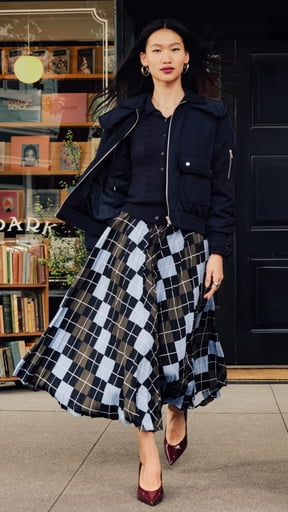
New and Trending
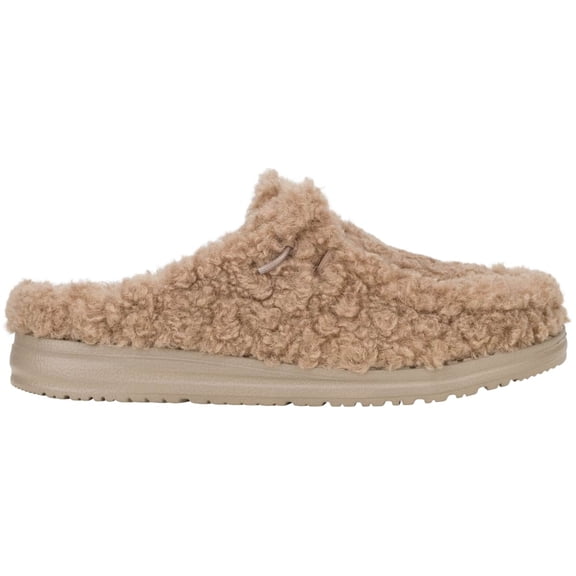
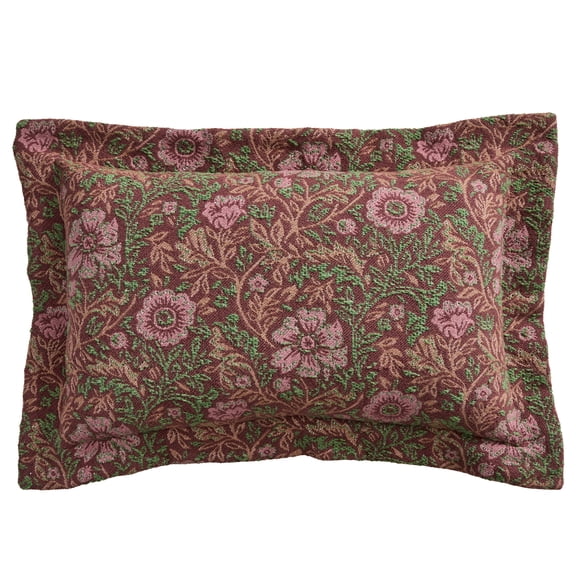
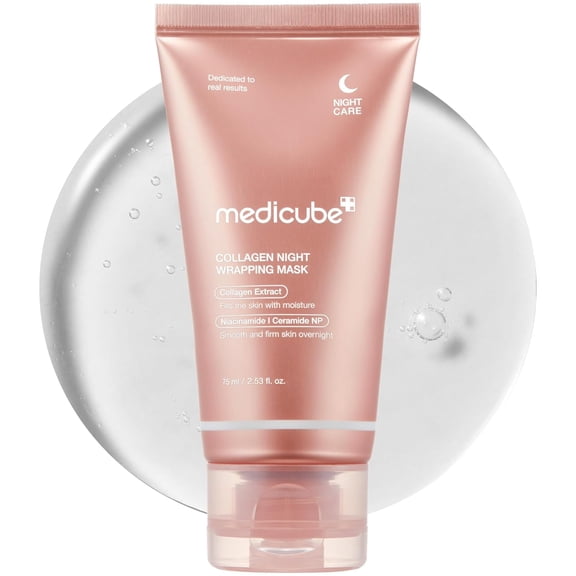
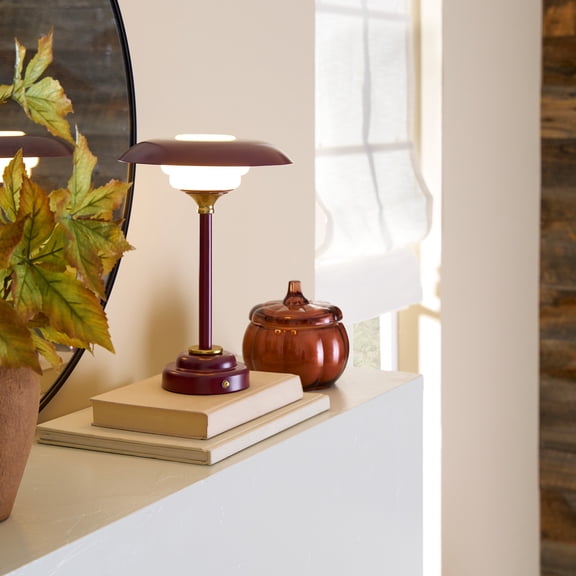
Cozy is calling
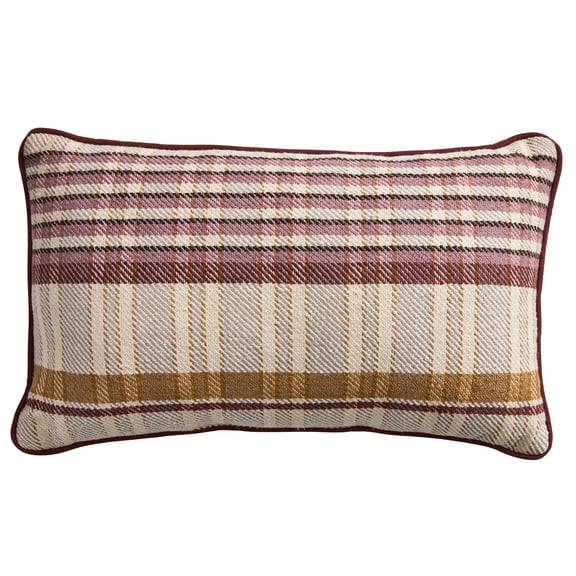
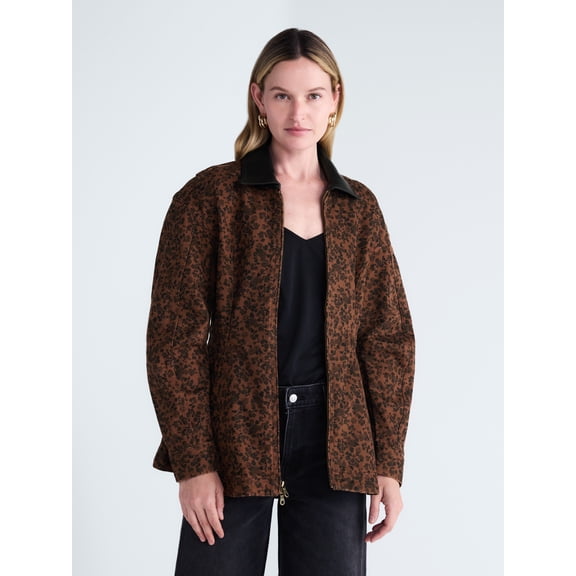
Bring on soft textures & warm touches.
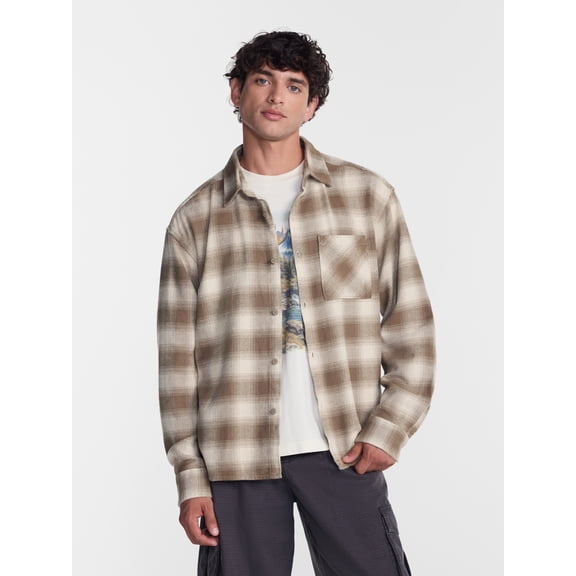
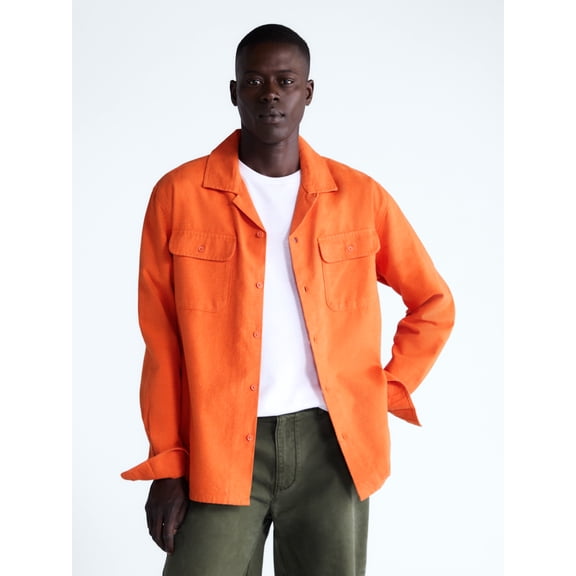
What to wear this fall
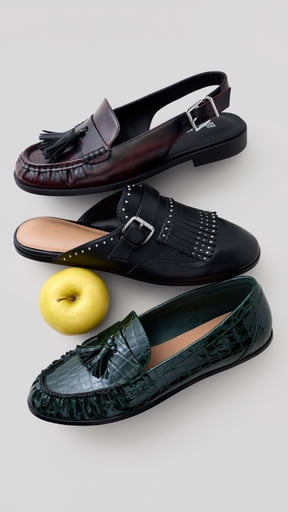

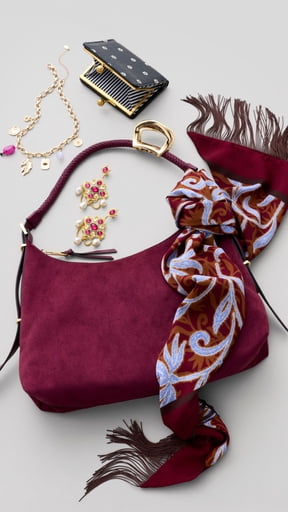

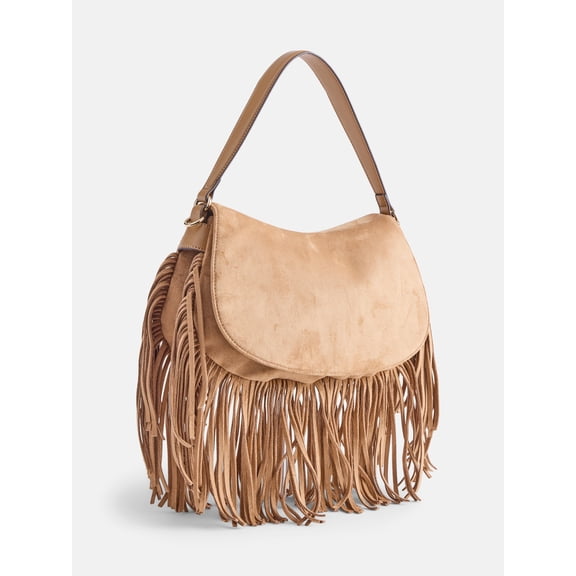
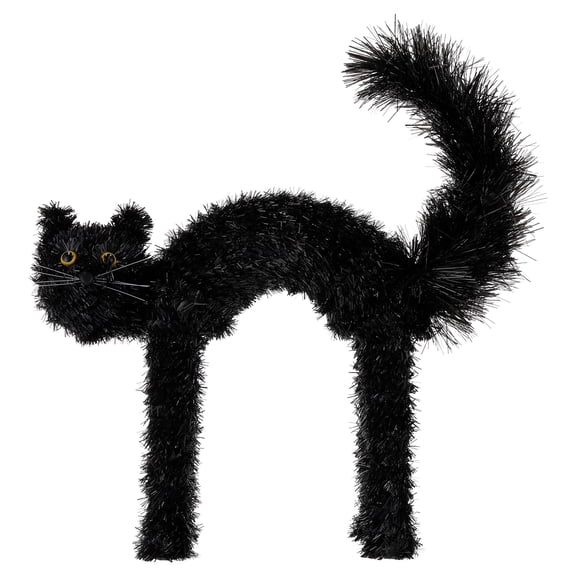
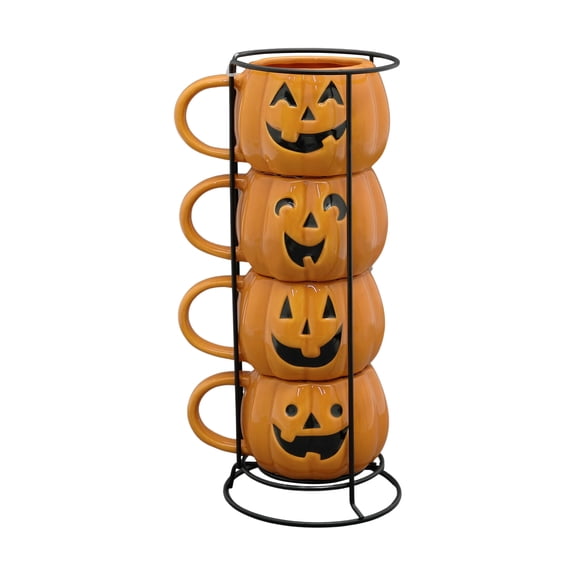
Trends you’ll scream for
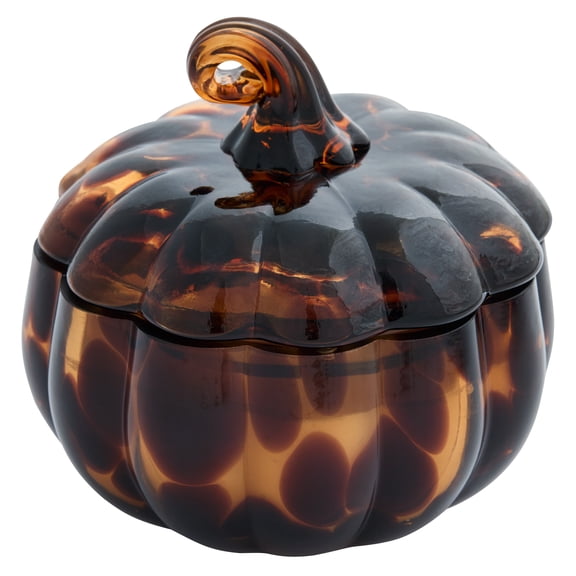
Viral Halloween decor, drinkware & more.
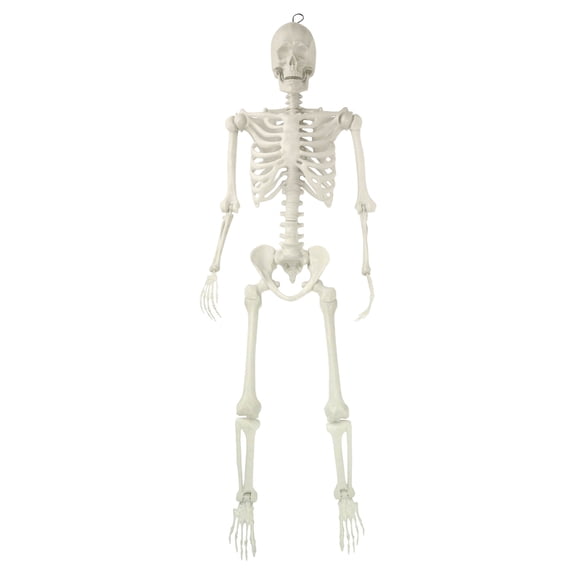


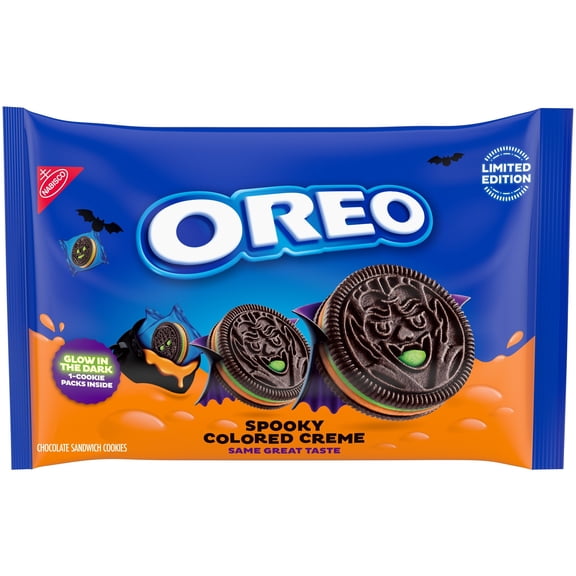
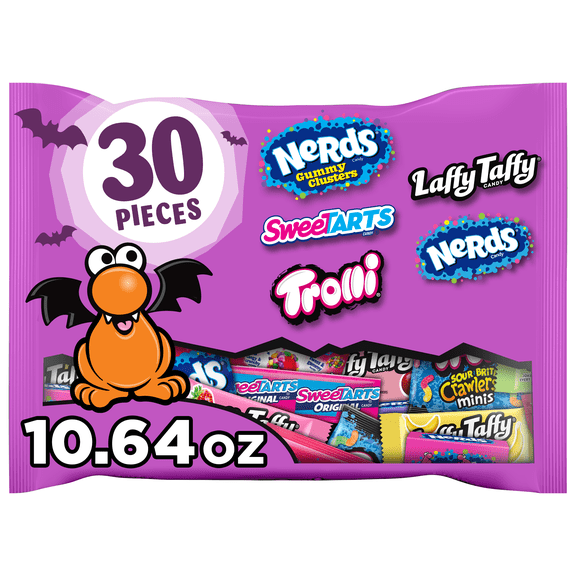





















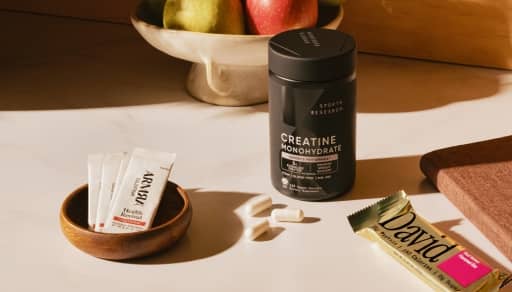
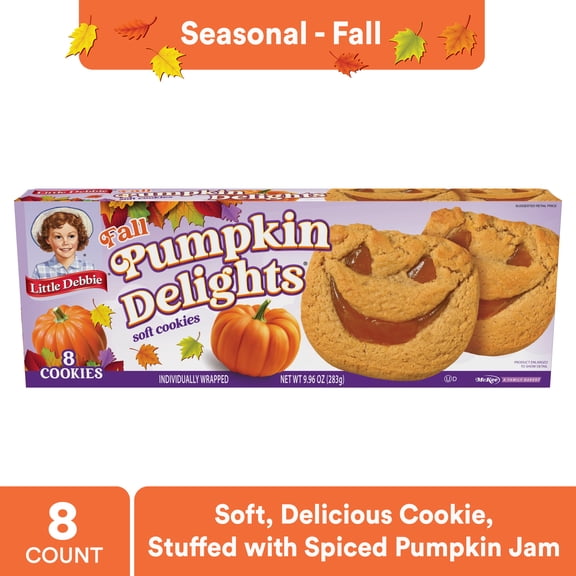
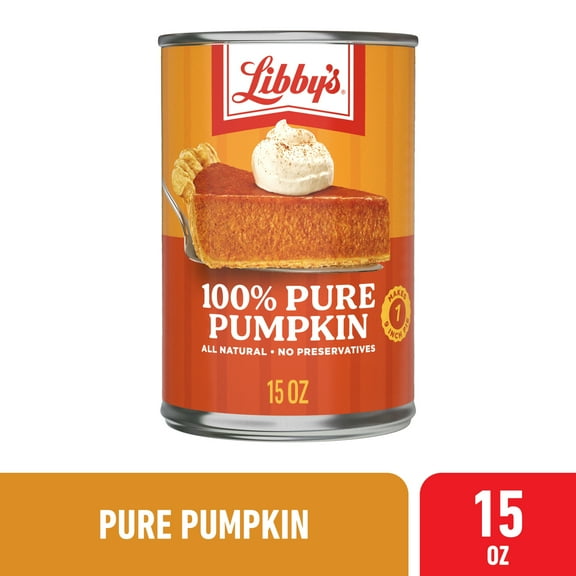
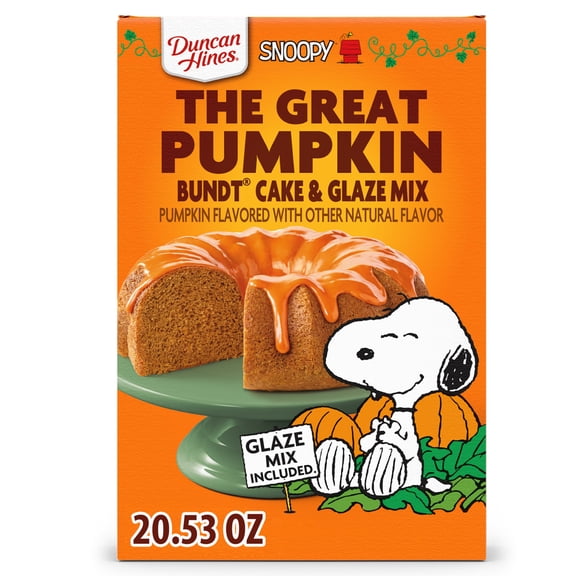
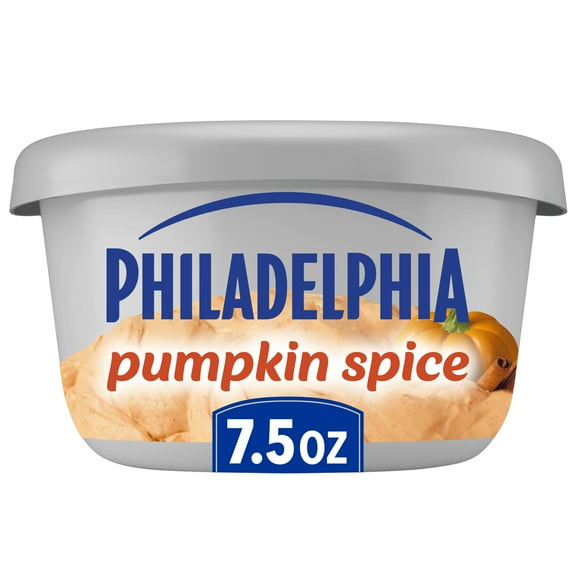
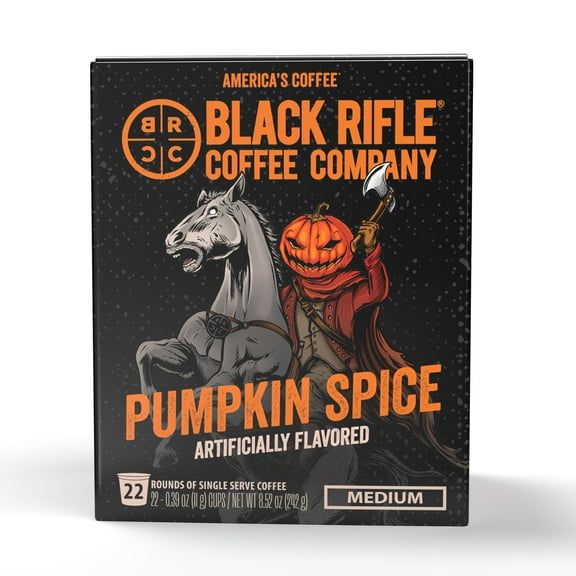
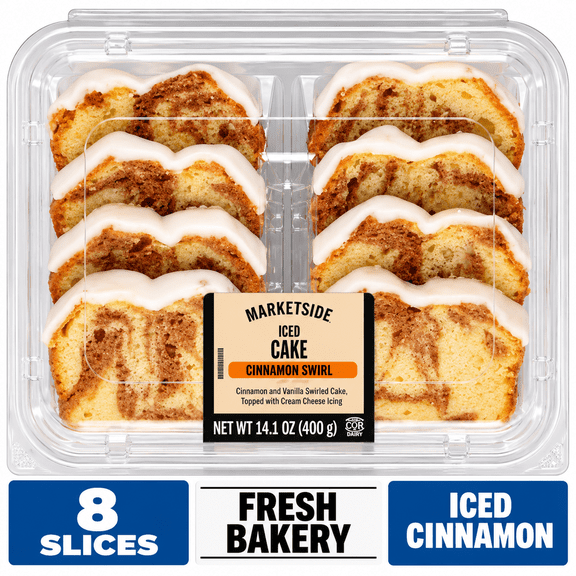
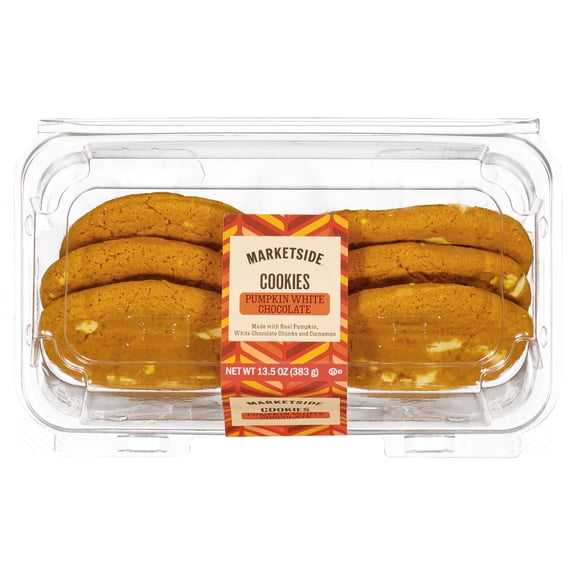
Savor the season
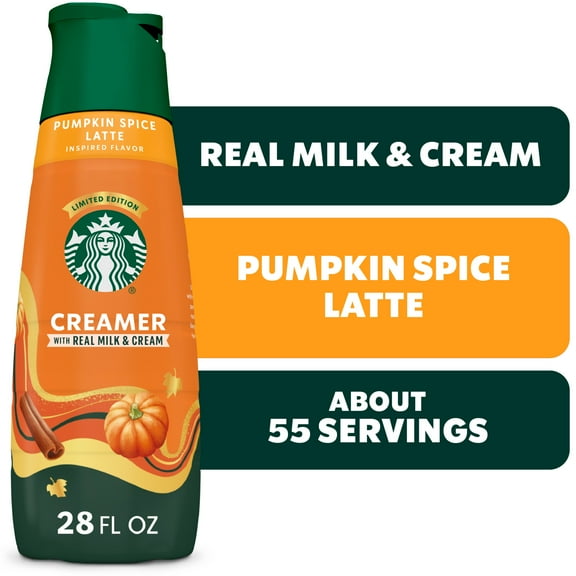
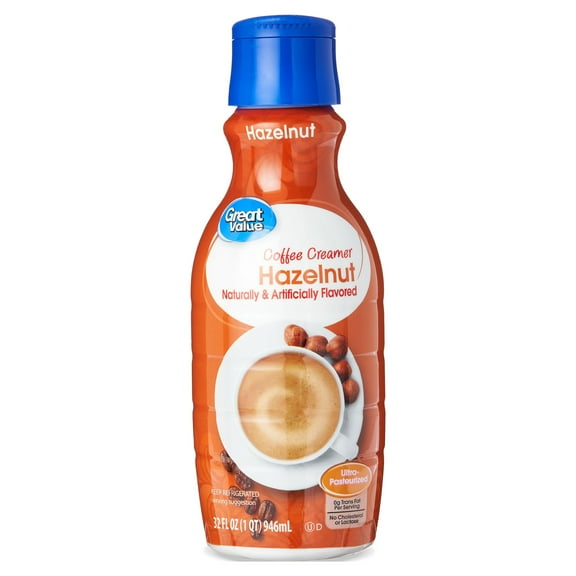
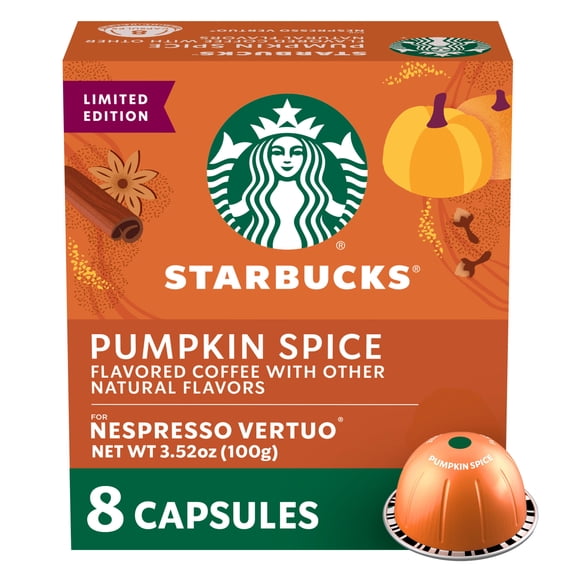
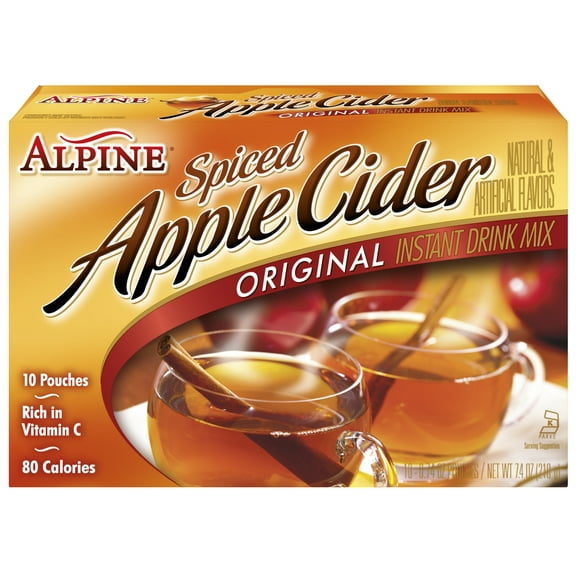
Creamers, baking mixes & more.







FAQ
About New and Trending - Walmart.com
You’ll find new trendy items here, so your search for fresh releases, viral picks, and timely favorites is straightforward and clear. You can compare what’s new and trending across major categories without jumping between separate pages.
How to choose new trendy items
When you shop new trendy items, you’ll want to compare trend source, product category, recency, and audience fit. You can use those four decisions to narrow choices that match how you actually plan to use them.
Some trends start on social media, while others grow through viral videos or seasonal demand. You’ll get a complete picture when your choice matches your routine instead of only matching a brief online moment.
- You can spot fast-rising picks tied to social media moments and creator-driven buzz.
- You can compare trending items across electronics, beauty, home decor, and toys.
- You can focus on just released products, new arrivals, or back in stock finds.
- You can match new popular products to teens, adults, kids, or tech enthusiasts.
You may also want to weigh excitement against everyday usefulness before choosing trending stuff to buy. You’ll feel more confident when your item fits your space, your habits, or your gifting plans.
Choosing trending items by trend source
Trend source matters because you’re often shopping products with algorithm-driven popularity and a short viral lifecycle. You should compare whether your interest comes from repeated use, shareable style, or a seasonal moment.
If you’re following social media buzz, you may want items with recognizable colors, formats, or accessories. You’ll often notice these picks move quickly because your feed keeps putting them in front of you.
When you’re shopping viral videos, you may want features that show clearly in clips and demos. You can focus on items that look simple to use and simple to understand at a glance.
If you’re shopping seasonal demand, you should check whether the timing fits your calendar and your plans. You’ll make a steadier choice when the trend still lines up with upcoming events or everyday use.
What to look for in trending items
Product category helps you shop with more purpose because each category trends for different reasons. You might want electronics for connected features, beauty for shareable looks, home decor for quick updates, or toys for current play patterns.
Recency gives you another useful filter when you compare trending things. You can look for a new release when you want a fresh drop, or back in stock options when you missed earlier demand.
Audience fit keeps your purchase practical from the start. You should check whether an item suits teens, adults, kids, or tech enthusiasts, so your choice feels relevant right away.
You may also want to compare hype with usefulness before picking new and trending products. You’ll make a stronger choice when the design, function, or style still fits your needs after the buzz slows down.
How to compare availability and authenticity
Shipping speed and availability matter when trending interest moves quickly across categories. You should check delivery and pickup options because your preferred item may move in and out of stock.
Authenticity matters when you’re shopping recognizable names, creator favorites, or branded formats. You can look for clear listings, familiar packaging details, and complete descriptions to feel certain about what you’re choosing.
If you’re comparing similar products, you should use photos, specs, and shopper-facing details together. You’ll make an informed choice when your selection shows the finish, size, or compatibility you actually want.
For electronics, you may want to check device compatibility, charging format, or accessory fit before you choose. For beauty, home decor, and toys, you may want color, size, or age-stage details.
Using new trendy items for real-life moments
If you’re refreshing your space, you may lean toward home decor tied to seasonal demand and new arrivals. You can update a shelf, desk, or entryway with shapes and colors people are noticing now.
If you’re following creator content, you may prefer beauty or electronics connected to social media clips and viral videos. You’ll often want formats that feel easy to use, easy to gift, and easy to share.
When you’re shopping for kids, you might focus on toys that are back in stock after a recent surge. You can use audience fit and availability together, so your pick feels timely and simple to find.
For tech enthusiasts, you may look for recent products with standout functions or accessory appeal. You’ll usually benefit from checking compatibility, release timing, and whether the trend fits how you already use your devices.
If you need a gift, you can use trend source as a shortcut for what feels current. You may choose viral favorites for a fun reveal, or newer staples for something that stays useful longer.
Why new trendy items work for you
You can use this page to compare recency, relevance, availability, and audience fit in one place. You’ll make quicker decisions when social buzz, seasonal timing, and practical details are easier to evaluate together.
You can also sort trending items across electronics, beauty, home decor, and toys without losing context. You’ll leave with a pick that feels current, practical, and simple to feel good about long after the scroll ends.