


Find auto parts that fit
Let’s search for parts that fit your vehicle.Touch Up Paint by Vehicle Make in Automotive Paint



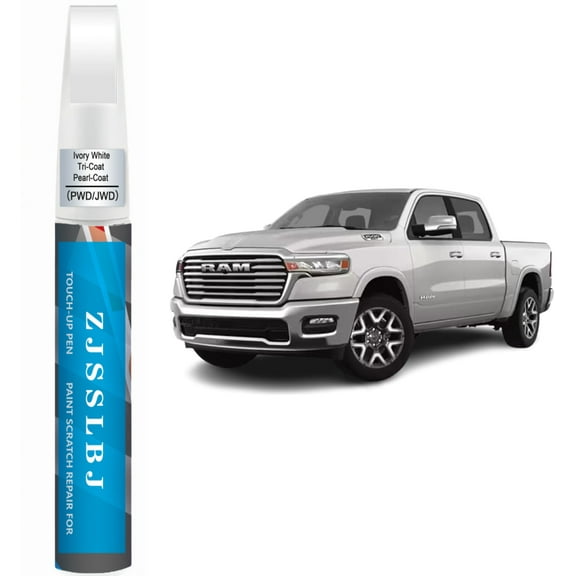



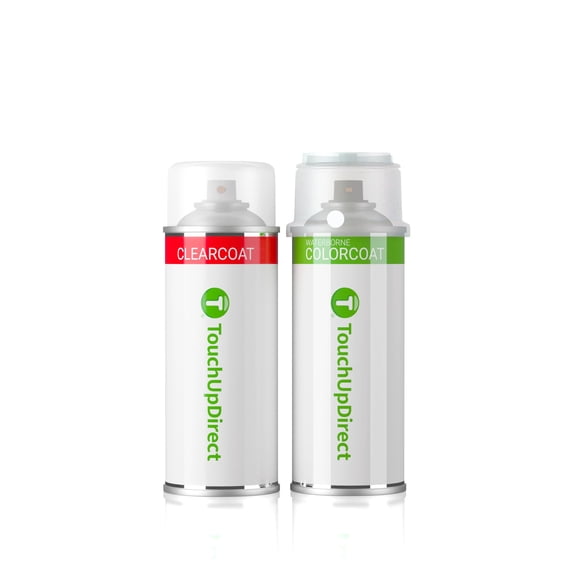

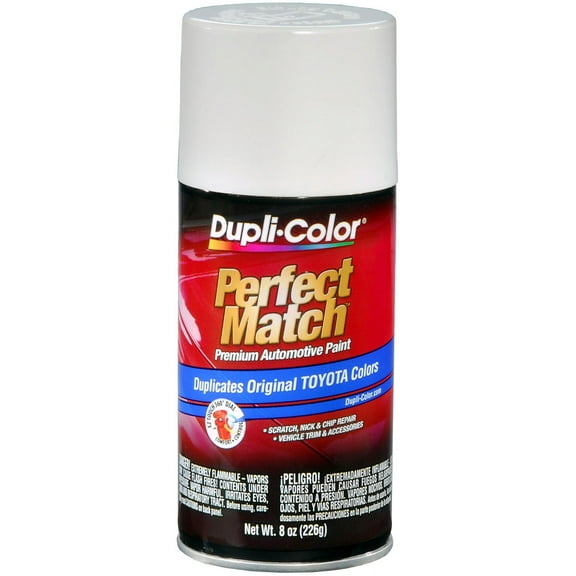








About Touch Up Paint by Vehicle Make in Automotive Paint - Walmart.com
You can narrow touch up paint by vehicle make quickly when you match your vehicle make, year, and paint code first. This helps you compare Ford, Honda, Hyundai, and Toyota options with less color guesswork.
If you’re fixing chips on a door edge or a scratch near the trunk, you can choose with confidence when fitment details are clear. You can also check whether your repair needs a pen, spray, basecoat, or clearcoat before you commit.
How to choose touch up paint by vehicle make
You should start with vehicle make because color names can repeat across brands while formulas stay different. You can avoid mismatched shades when you treat Ford black and Honda black as separate paint families.
Next, you should compare your vehicle year with the listed fitment because paint codes can change over time. You may see differences between 1999, 2002, 2015, and 2020 vehicles within one make.
You should also check the paint color or code before you pick a finish or applicator. This helps you narrow Laser Red, Oxford White, silver, or black choices with confidence.
- You can match color accurately when you use your OEM paint code.
- You can choose a pen, brush, or spray based on the scratch size.
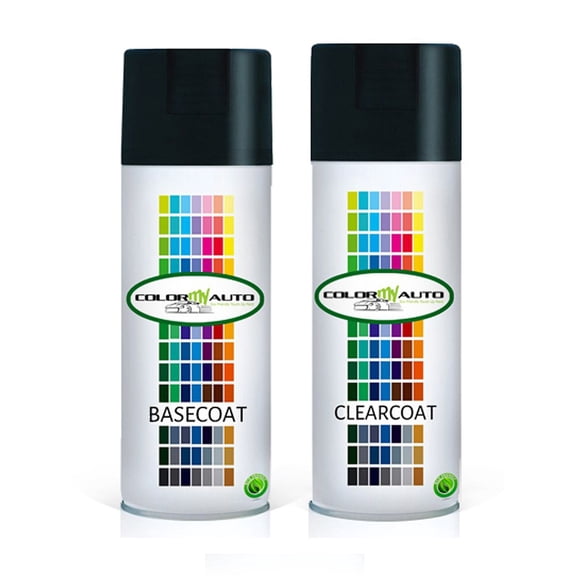
- You can decide whether your repair needs basecoat, clearcoat, or both.
- You can compare year-specific fitment before you choose a product.
Choosing by paint code, color, and year
You may find your OEM paint code on the driver-side door jamb, and your manual may confirm the location. You should compare that code with the listing details before you choose any color name.
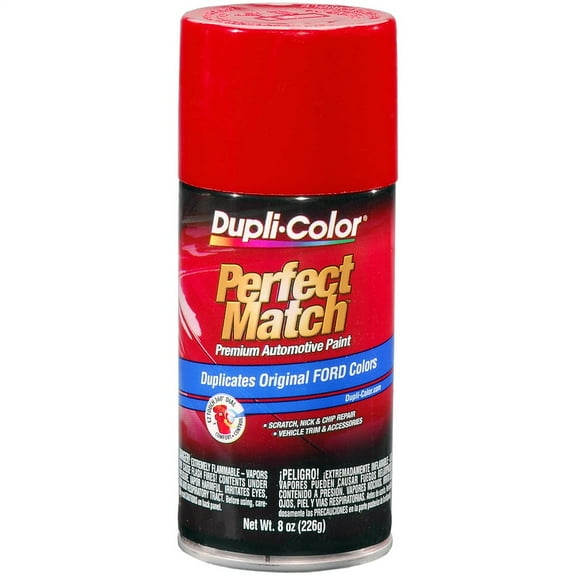
If you’re shopping for 2002 mustang red or laser red mustang paint, you should verify the code instead of relying on memory. You can avoid close shades that look different across sunlight, shade, and panel angles.
You may also search for honda black paint or hyundai touch up paint, but your code is highly important. You can get a precise match when your make, year, and code line up together.
When you compare year ranges, you should check whether the listing covers your exact model year. This helps you narrow options for an older coupe, a newer SUV, or a work truck.
Choosing pen, brush, or spray
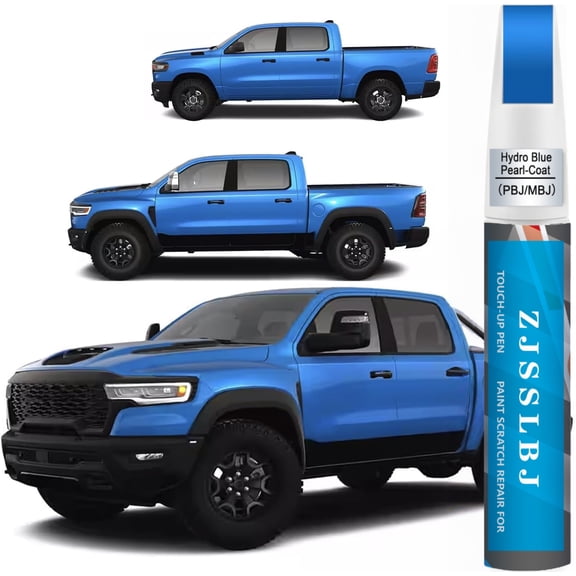
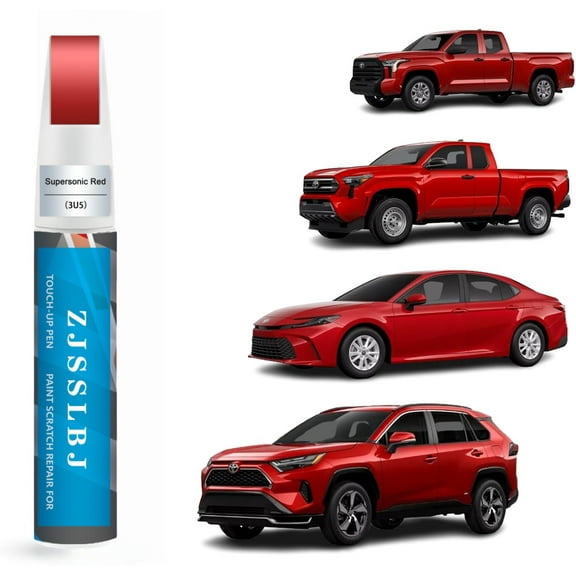
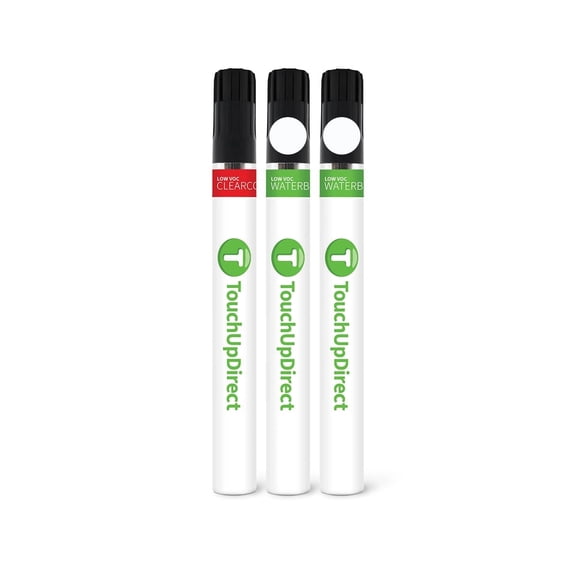
You should match the application type to the repair size because each format handles paint differently. You can get more control from a pen on tiny chips, while a brush can help with wider scratches.
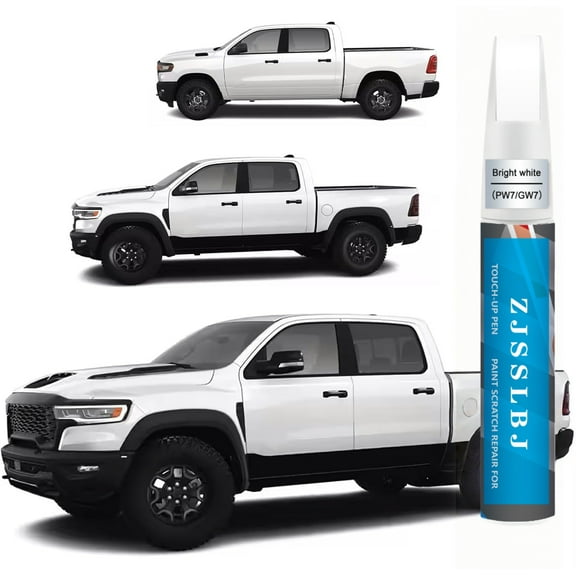
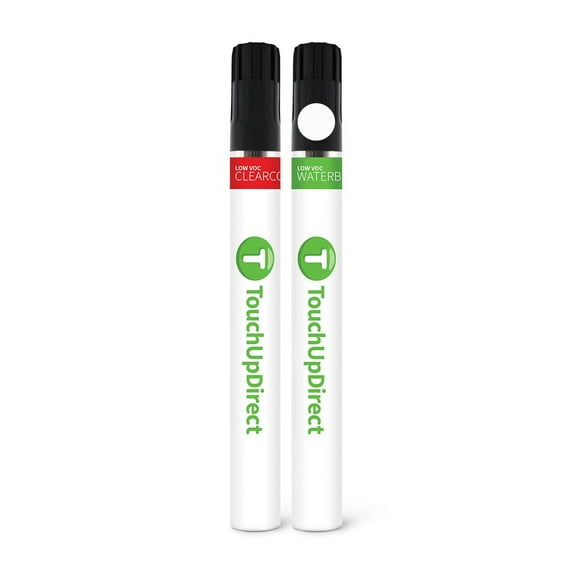
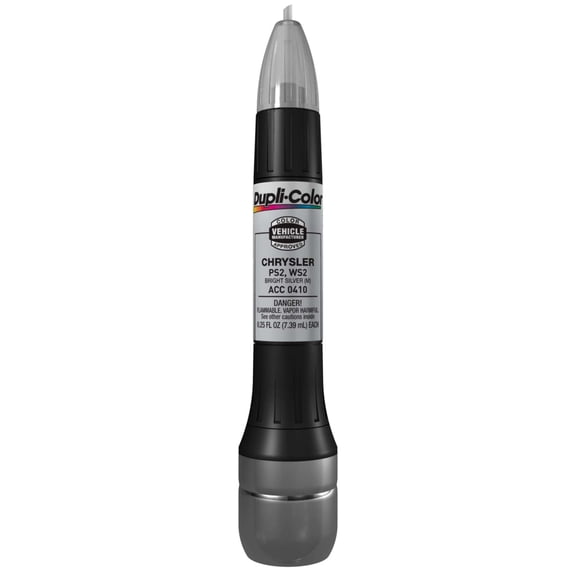
If you’re touching a narrow rock chip on the hood, you may prefer a pen for targeted application. This helps you place color in small spots without coating the surrounding paint.
For longer scratches, you might choose a brush because you can spread paint across a wider line. You should use steady strokes so your repair looks even from edge to edge.
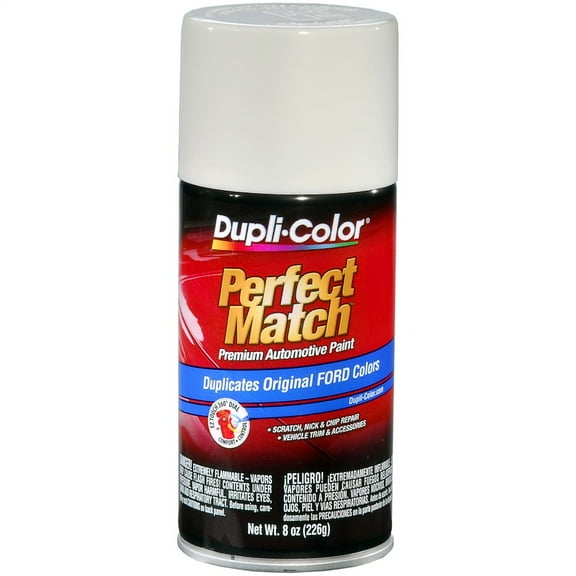
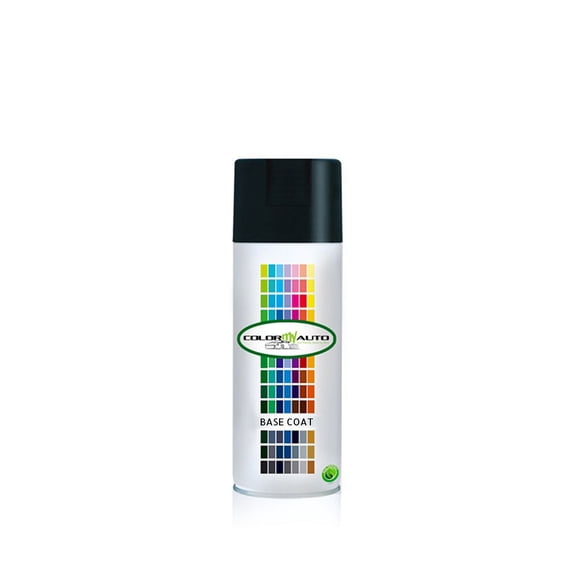
If you’re covering a larger visible area, you may look at a spray can or aerosol option. You can create broader coverage when you mask nearby trim and compare panel size first.
You should also check drying and curing details before layering color and clearcoat. This helps you plan each step and compare products that fit your repair pace.
Choosing basecoat, clearcoat, and primer
You should think about finish type before you start because not every repair uses the same steps. You may need color only for a tiny chip, or you may need basecoat plus clearcoat.
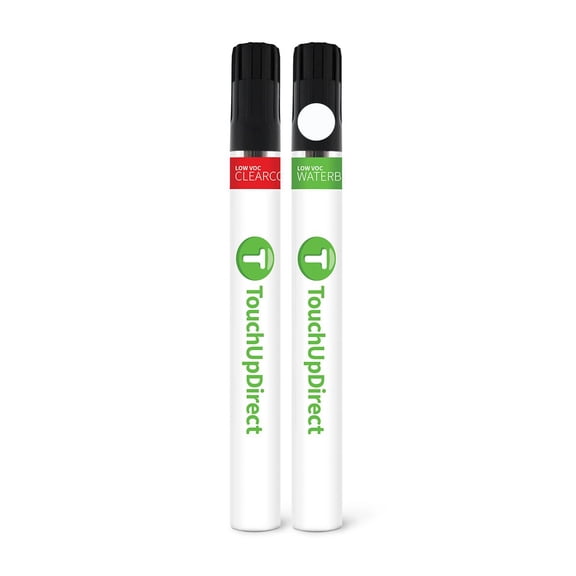
If your listing includes an all-in-one format, you can simplify small cosmetic touch-ups with minimal separate products. You should still check whether your vehicle’s finish calls for a distinct top layer.
When your scratch reaches exposed metal, you may need primer before you apply color. This helps you prepare the surface for even coverage and a neat final look.
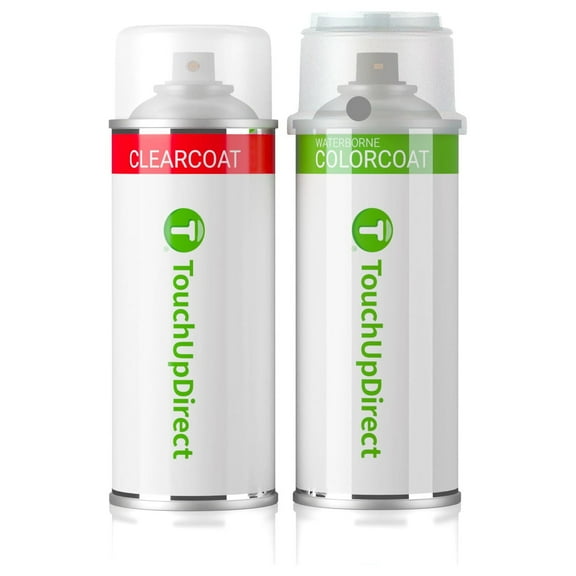
You should compare clearcoat compatibility if you want the repaired area to blend with a glossy panel. You can also check curing times so you know when to add the next layer.
If you’re handling laser red mustang paint or a black commuter-car scratch, you should match the layers to the listed finish type. This helps you keep your repair steps aligned with the panel appearance.
Using common make and color combinations
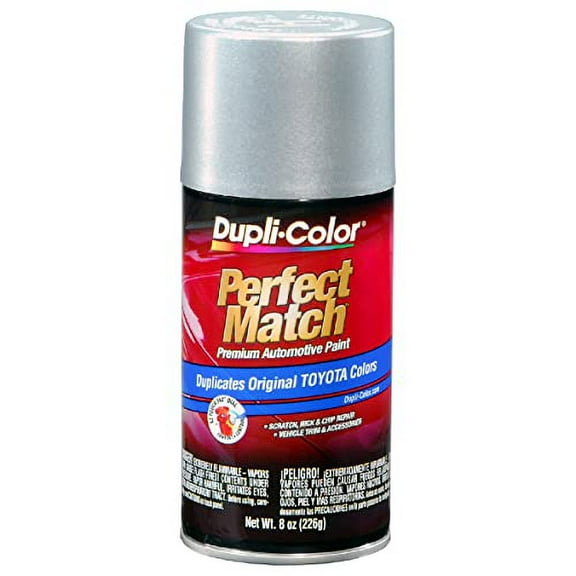
You may shop by make first if you know your vehicle line but not the exact formula. You can then narrow by year and code for Ford, Honda, Hyundai, or Toyota results.
If you’re repairing a sporty coupe, you might search laser red mustang or 2002 mustang red as a starting point. You should still confirm the code because similar reds can vary by year.
When you’re touching up a family sedan in black, you may start with honda black paint and then check finish type. You can decide whether a pen handles the chip or a brush fits the scratch.
If you’re refreshing a commuter vehicle, you might begin with hyundai touch up paint and compare silver, black, or white options. You can narrow choices quickly when you pair the make with the model year.
You may also need Oxford White for a work truck or silver for a newer SUV panel. You can use spray formats for larger sections and pens for scattered stone chips.
As you compare options, you should measure the repair area and check whether primer, color, and clearcoat are separate steps. You can make a precise selection when you match the format to the panel and finish.
You can shop with more precision when touch up paint by vehicle make matches your code, year, applicator, and finish. This helps you reduce color guesswork and get a consistent-looking panel repair.