

Beauty Essentials for Every Hair and Skin










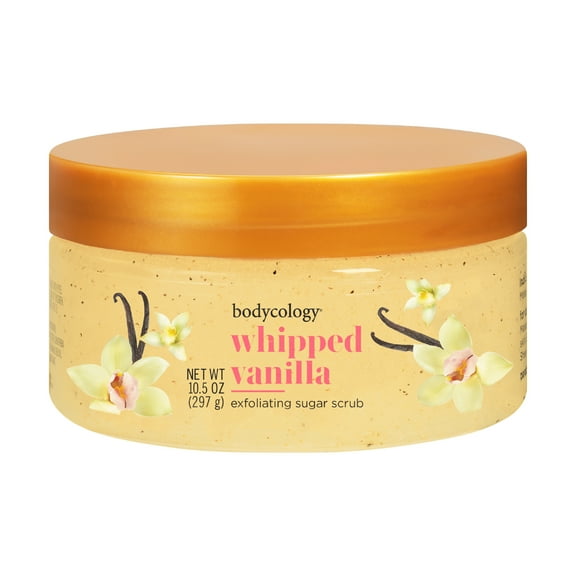
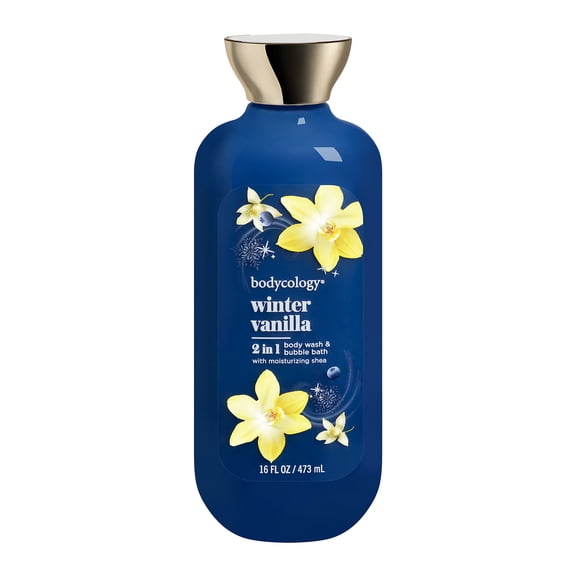
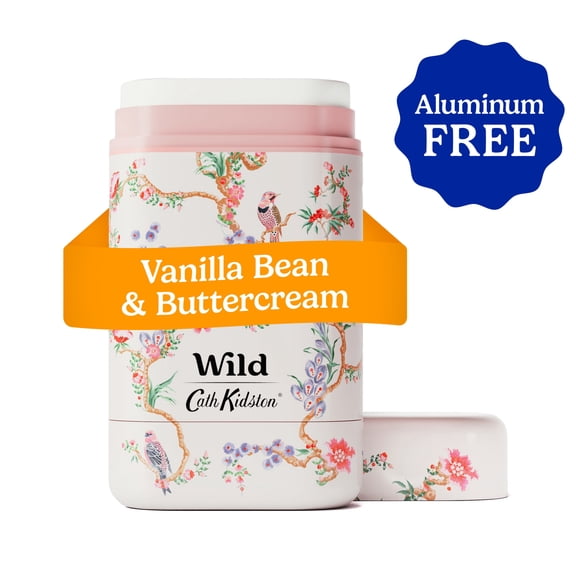








About Beauty Essentials for Every Hair and Skin - Walmart.com
Inclusive beauty helps you find products that reflect your skin tone, hair texture, and personal preferences. You can explore inclusive cosmetics, multicultural beauty products, and thoughtful formulas in one convenient destination.
You may want shades that match your undertone, hair care that respects your texture, and brands that reflect your values. You’ll find this page supports those decisions with clearer category guidance and easier product discovery.
How to choose inclusive beauty for your routine
You can start by checking which part of your routine needs more personalized options. You may focus on complexion, hair texture, formulation preferences, or founder-led brand values.
When you compare products this way, you can narrow choices faster and avoid guesswork. You’ll also notice which details matter most for daily wear, special events, or protective styling.
- You can compare makeup for all skin tones by shade depth and undertone.
- You can match hair care to coily, curly, wavy, straight, or protective styles.
- You can review formulation details like vegan, cruelty-free, or hypoallergenic labels.
- You can explore diverse beauty brands that align with your shopping priorities.
You’ll benefit from a category built around real differences in tone, texture, and preferences. You can look beyond one-size-fits-all options and choose products with more relevant details.
Choosing multicultural beauty products by skin tone range
You should begin with shade range because your complexion match affects how natural your makeup looks. You can compare fair, medium, deep, and rich options with more confidence.
For foundation and concealer, you’ll want to check undertone matching alongside shade depth. You can look for warm, cool, or neutral undertones to reduce mismatch across face and neck.
When you shop makeup for all skin tones, you should also compare blush, bronzer, and highlighter payoff. You may find deeper shades need richer pigment, while lighter shades need softer balance.
You can also consider finish when choosing complexion products for everyday use. You’ll notice matte, natural, and radiant finishes change how a shade appears in different lighting.
Choosing by hair texture and styling needs
You should match hair products to your texture because curl pattern affects moisture, slip, and styling control. You can compare options for coily, curly, wavy, straight, and protective styles.
For coily and curly hair, you may look for creams, leave-ins, and oils that support definition. You can check whether formulas feel richer for twist-outs, wash days, and braid prep.
For wavy or straight hair, you might prefer lighter textures that won’t feel heavy. You can compare sprays, serums, and shampoos that fit smoother styles or air-dried looks.
If you wear protective styles, you should consider scalp care, edge care, and refresh products. You can choose items that fit braids, wigs, wraps, or long-term style maintenance.
What to look for in inclusive cosmetics formulations
You can review formulation details to find products that match your preferences and daily routine. You may look for clean, vegan, cruelty-free, or hypoallergenic options when comparing inclusive cosmetics.
Ingredient transparency can make your choices easier when you’re comparing similar items. You can check labels for sulfate-free, paraben-free, or non-comedogenic details and connect them to your routine goals.
When you choose shampoo or cleanser, you should consider how the formula fits your regular use. You can compare sulfate-free options if you prefer a gentler cleansing profile for textured or color-treated hair.
For face products, you may check whether a formula is non-comedogenic before adding it to your lineup. You can use that detail to compare wear, feel, and finish across complexion categories.
How diverse beauty brands fit your values and use cases
You can also shop with brand ownership in mind when that matters to your routine. You may look for Black-Owned, Latinx-Owned, or Women-Owned labels across diverse beauty brands.
That approach can help you connect your purchases with founder perspectives and community representation. You’ll often see those brands offer shades, textures, and styling needs that feel more intentionally considered.
For workdays, you might prioritize easy shade matching, soft finishes, and simple hair refresh steps. You can build a routine that moves smoothly from morning prep to evening plans.
For events, you may want fuller coverage, bold pigment, or products designed for layered styling. You can compare category details that support long-wear makeup and polished hair looks.
If you’re updating your routine seasonally, you can reassess tone, texture, and formula preferences together. You’ll have a clearer path to products that reflect your features, habits, and values.
Inclusive beauty gives you a more thoughtful way to shop for complexion, hair, and formulation needs. You can choose with more confidence because the category centers shade range, texture compatibility, and brand perspective.