

Learning Books for Kids in Children’s & Kids’ Books






















About Learning Books for Kids in Children’s & Kids’ Books - Walmart.com
Learning books for kids help you turn reading time into skill-building practice. You can choose age-based titles, hands-on formats, and school-ready subjects that fit daily routines.
If you're comparing options, you'll want guidance that matches how children actually learn. You can narrow choices by age range, subject matter, format, and skill focus for a useful pick.
Choosing learning books for kids by age range
When you compare learning books for kids, you should start with your child's stage. You can look for toddler, preschool, kindergarten, and elementary options that match attention span and classroom expectations.
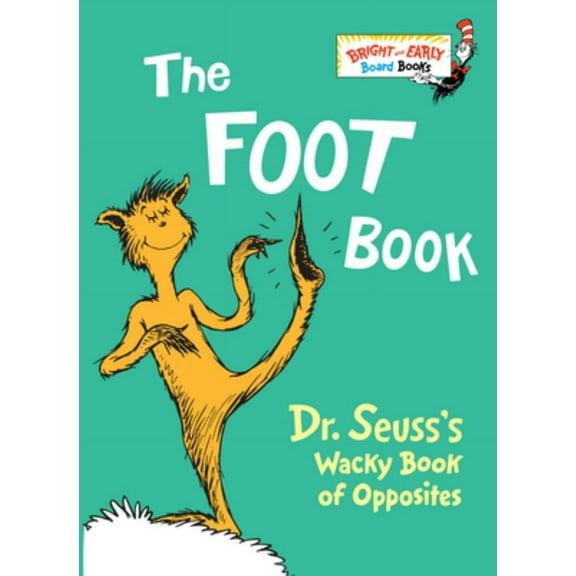
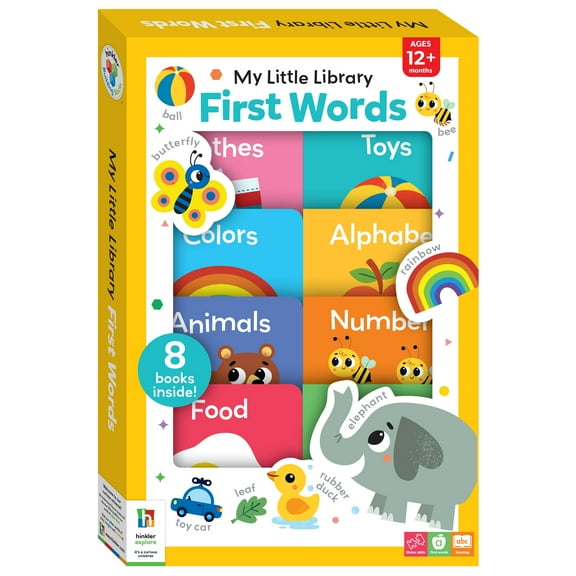
For toddlers, you'll often want simple words, bright pictures, and repeatable pages. You can use board books for early concepts like colors, shapes, letters, and counting.
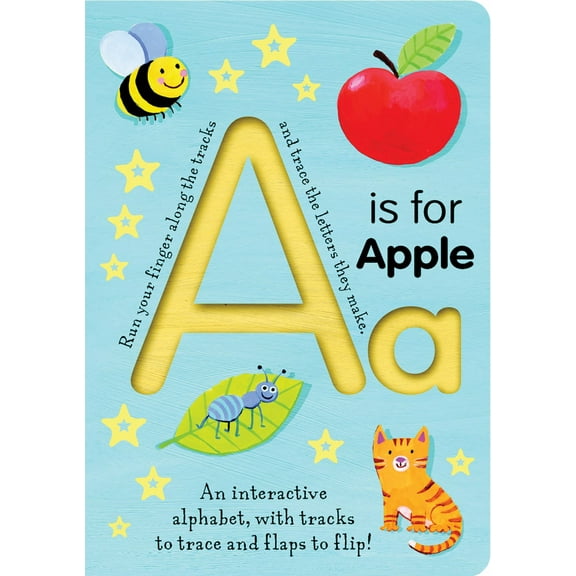
With preschool learning books, you may focus on tracing, matching, and first letter sounds. You can build familiarity with routines that feel playful instead of overly structured.
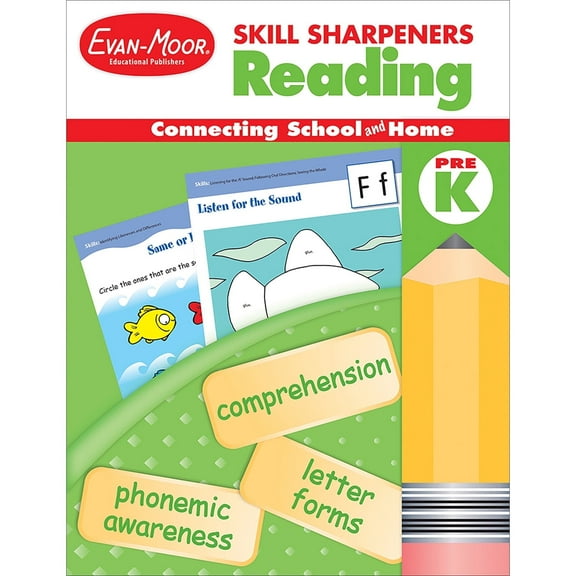
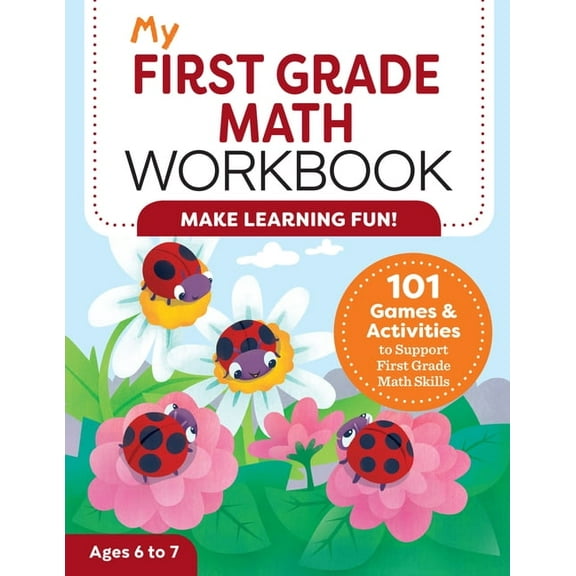
As your child reaches kindergarten, you may want guided practice and short activities. You can look for kindergarten workbooks that cover early reading, numbers, handwriting, and basic patterns.
For elementary learners, you might choose detailed directions and multi-step tasks. You can support reading comprehension, problem solving, and subject review with independent activities.
What to look for in educational books for kids
You can use educational books for kids to reinforce school topics in a clear, approachable way. You should compare books by the skills they practice, not only by the cover theme.
- You can reinforce letter recognition, phonics, and reading readiness through repeated word and sound practice.
- You can support counting, shapes, addition, and number sense with math books for kids.
- You can encourage pencil control and early writing through tracing lines, letters, and short words.
- You can introduce observation and simple experiments through science-focused activities and prompts.
If your child needs variety, you can mix reading, math, writing, and science across the week. You can keep practice fresh while still building familiar routines.
You'll also want books that match school topics in plain language. You can choose phonics books for beginners, number practice pages, or simple writing prompts that feel manageable.
Comparing formats for daily use
Format matters because you may use these books at home, in the car, or during quiet time. You can compare board books, workbooks, flashcards, and wipe-clean styles by how your child learns.
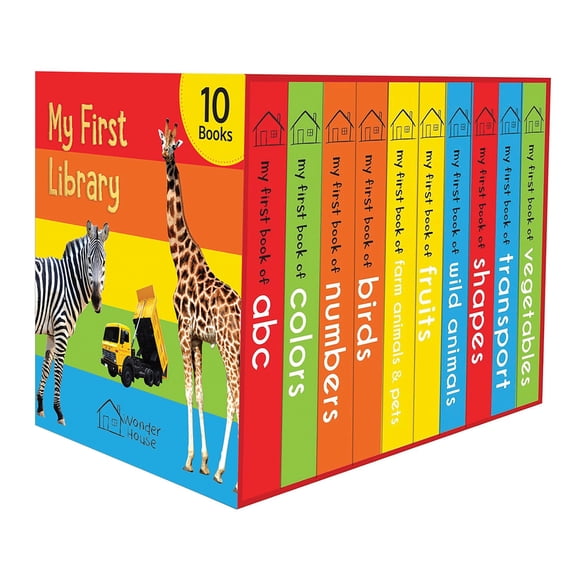
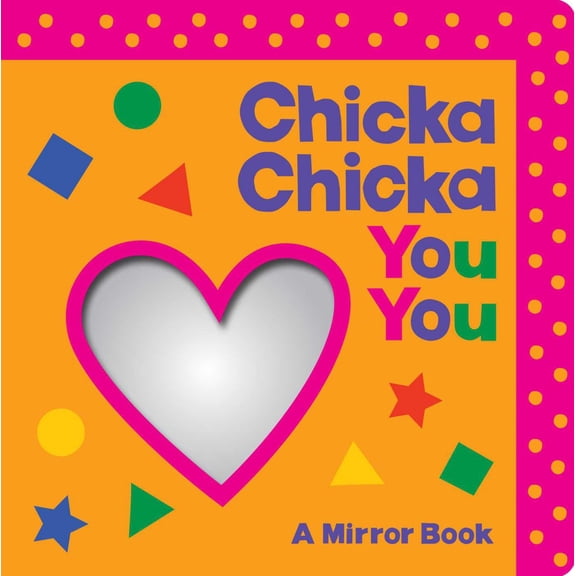
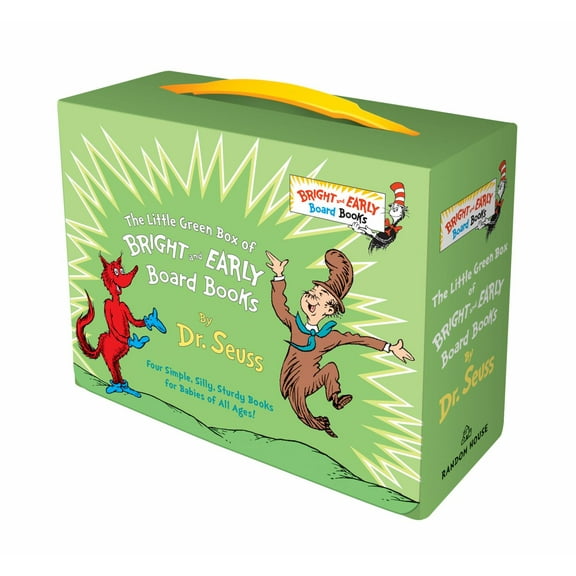
Board books work well when you want thick pages and simple page turns. You can hand them to younger children who are still learning how to handle books independently.
Workbooks fit structured practice when you want page-by-page lessons and clear progress. You can use them for preschool review, kindergarten readiness, or after-school reinforcement.
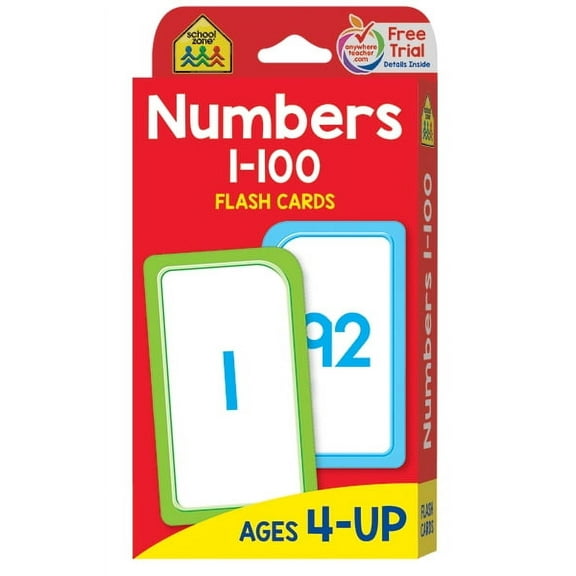
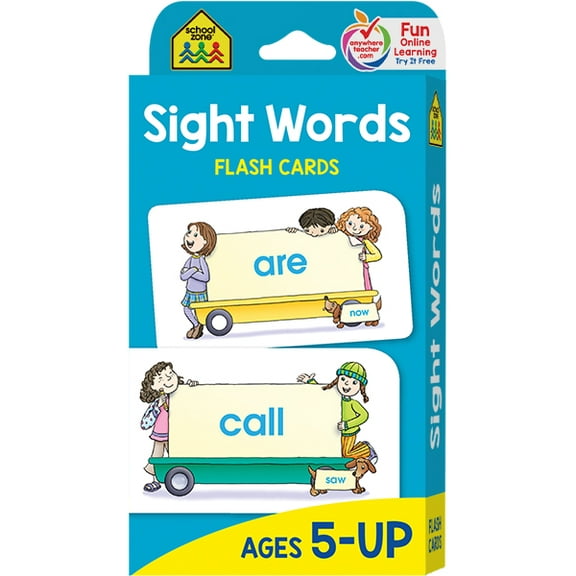
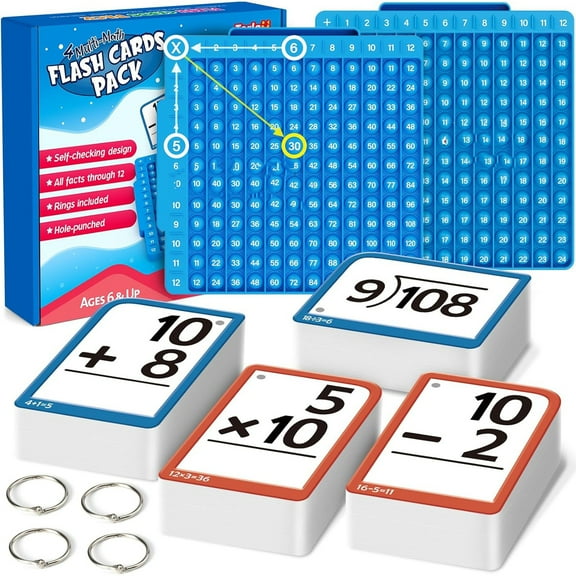
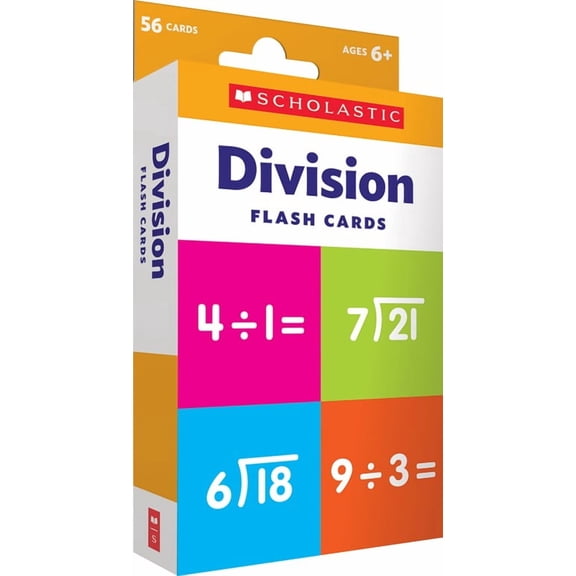
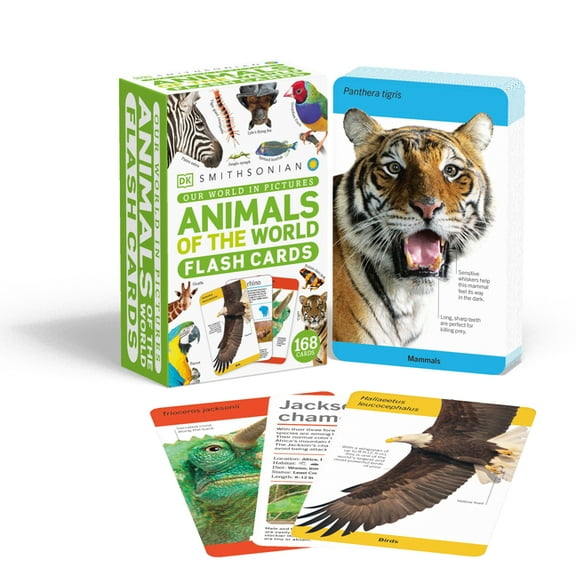
Flashcards help when you want short practice sessions with quick repetition. You can focus on letters, sight words, numbers, shapes, or basic facts without setting aside much time.
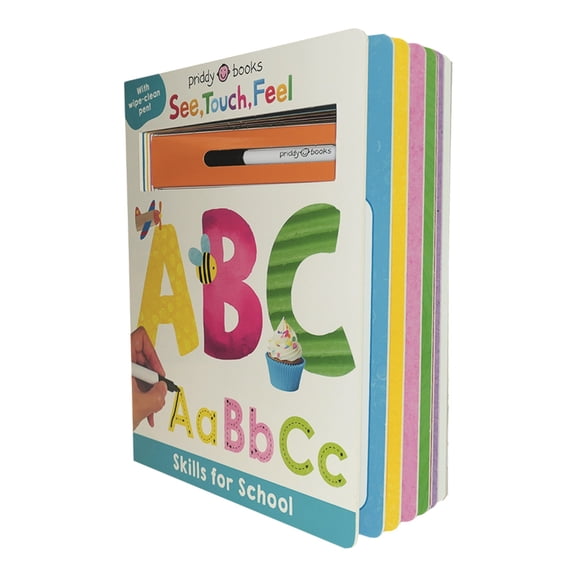
Wipe-clean books suit repeat practice because your child can trace, erase, and try again. You can reuse the same activities for letter formation, counting paths, and matching games.
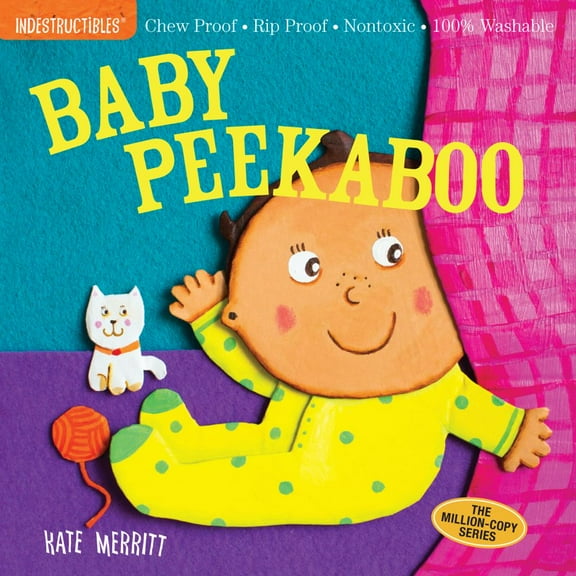
You should also consider durability when children use pages often. You can choose thick pages for younger hands or portable paperbacks for older children who carry books easily.
Matching skill focus and parental involvement
You can narrow kids activity books by the skills you want to encourage most. You may look for fine motor work, reading comprehension tasks, or problem-solving activities depending on your goals.
For fine motor skills, you can choose tracing, sticker, draw-and-follow, or maze pages. You can help children practice hand control while they stay engaged with simple tasks.
If reading growth matters most, you can compare stories, phonics drills, and comprehension prompts. You can support sounding out words, following directions, and recalling details after reading.
When you want problem solving, you can look for patterns, sequencing, sorting, and beginner logic exercises. You can give children practice with thinking through steps instead of rushing to answers.
Parental involvement also shapes the right choice for your routine. You can pick guided books for shared learning time or independent pages for quieter moments.
Some books work well when you read instructions aloud and model the first activity. Others let older children complete short tasks on their own with clear examples.
Using learning books for kids in real routines
You can make learning books for kids part of morning practice, travel, or bedtime wind-down. You can keep sessions short and consistent so children stay interested.
During preschool practice, you might rotate alphabet pages, counting games, and shape matching. You can build familiarity without making each session feel repetitive.
For kindergarten readiness, you can combine phonics books for beginners with number tracing and handwriting pages. You can cover reading and math in one sitting without needing extra materials.
On busy weekdays, you may prefer flashcards or wipe-clean pages that set up quickly. You can fit in a few minutes of focused learning before dinner or after school.
For road trips or waiting rooms, you can choose compact books with self-contained activities. You can keep children engaged with pages that don't require screens or complicated setup.
If siblings learn at different levels, you can choose separate age ranges within the same subject. You can keep everyone focused on reading, math, or writing at an appropriate stage.
With the right mix of age range, subject, format, and skill focus, you can choose books that support everyday learning. You can create practice that feels organized, relevant, and easy to maintain.