










Paper in Office Supplies



























About Paper in Office Supplies - Walmart.com
You can choose printer paper more confidently when you compare weight, brightness, size, and pack count before you print. You’ll also find options for everyday documents, classroom projects, presentations, and mailed forms in one category.
If you print often, you’ll want paper that feeds smoothly and matches your printer and task. You can compare reams, cases, and specialty sheets without guessing which type fits your workflow.
How to choose printer paper for everyday use
You should start with paper type because each option supports a different kind of project. You’ll usually pick copy paper or multipurpose paper for daily office printing and routine home use.
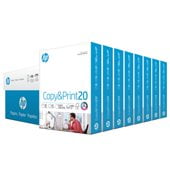
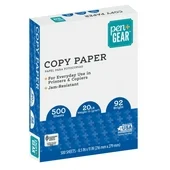
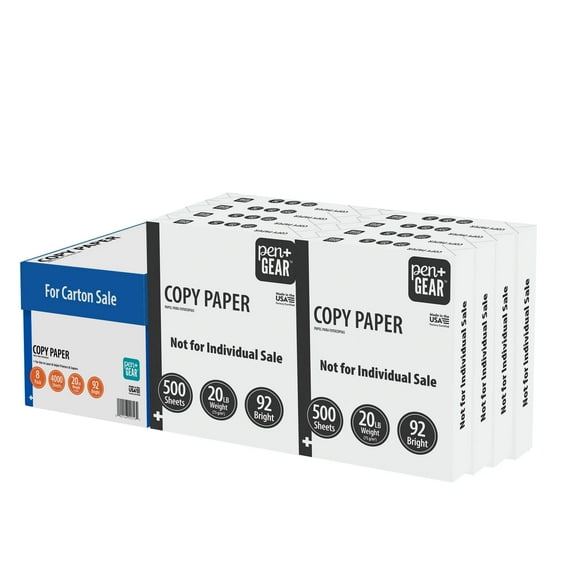
If you print handouts, drafts, invoices, or forms, you’ll often prefer copy paper with a reliable feel. You can use multipurpose paper when you want one stack for mixed printing, copying, and general paperwork.
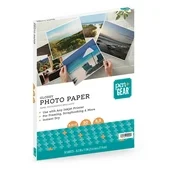
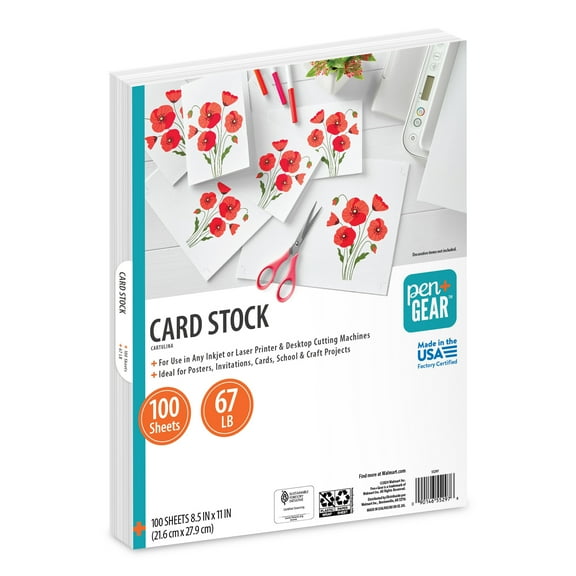
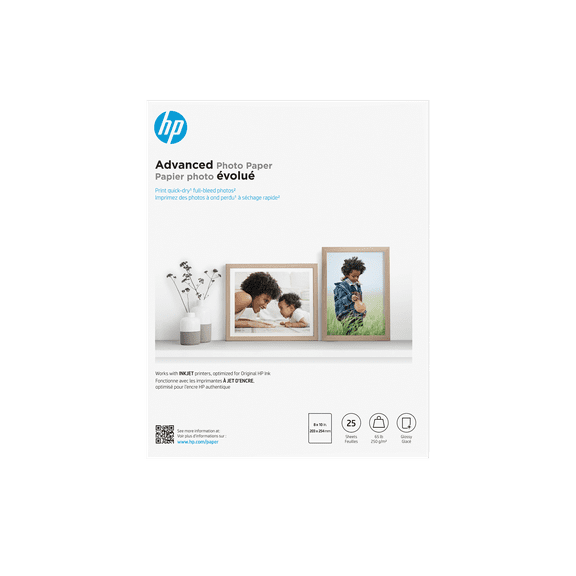
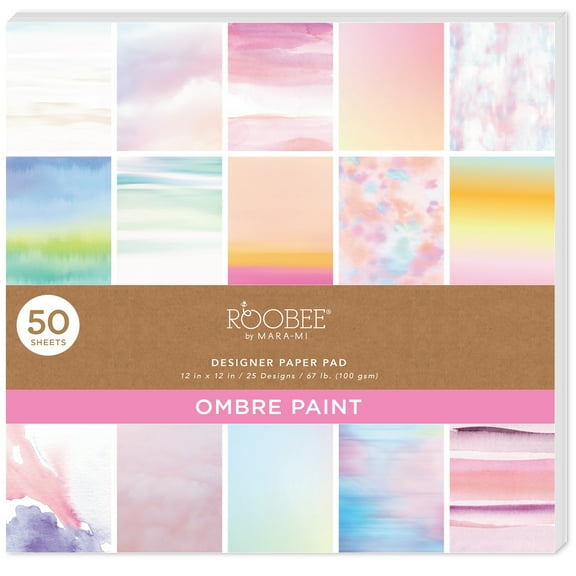
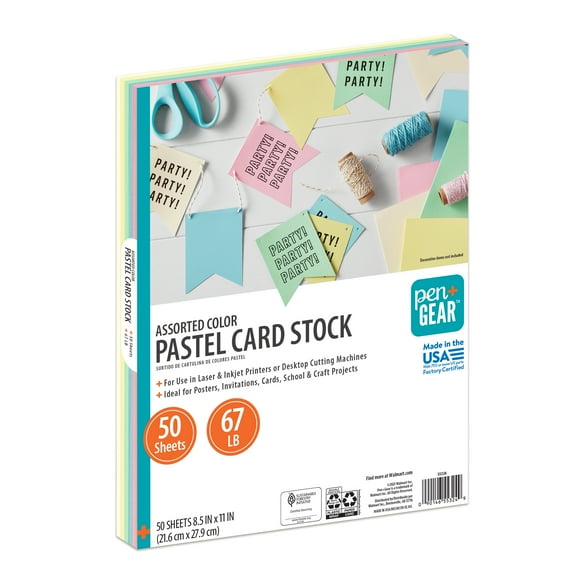
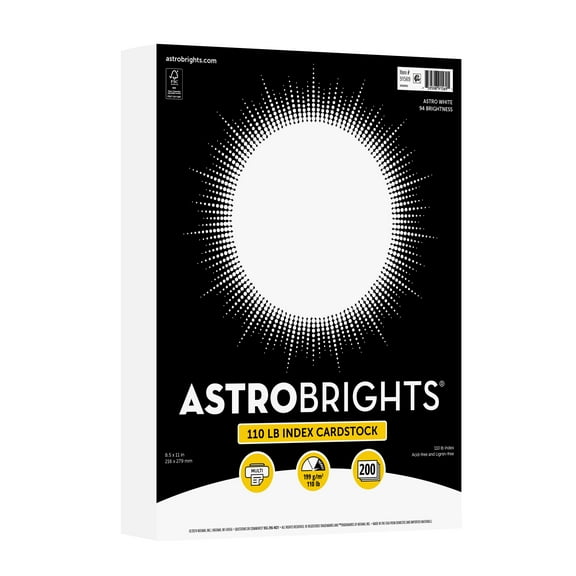
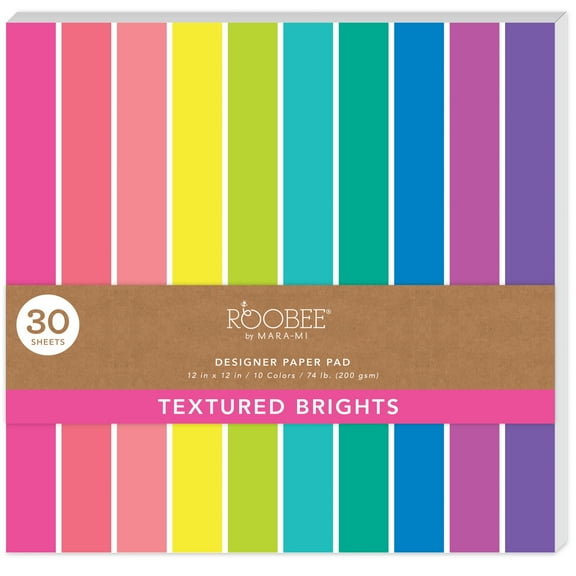
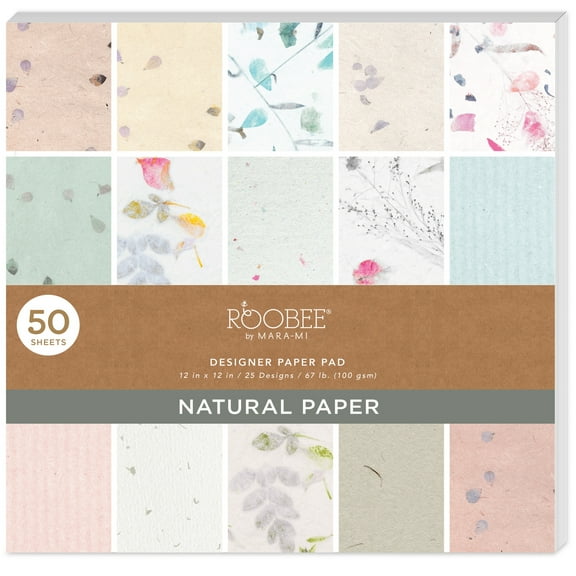
You may also compare specialty choices when your project needs thicker or more colorful sheets. You’ll often reach for cardstock paper for signs, invitations, and covers, while photo paper supports image-heavy prints.
- You can use copy paper for everyday black-and-white pages, reports, and school handouts.
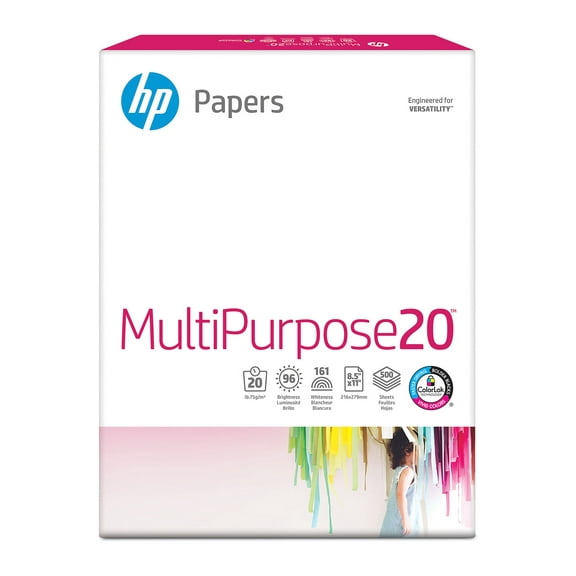
- You can choose multipurpose paper when your printer handles mixed jobs throughout the day.
- You can pick cardstock paper when your project needs a sturdier sheet and a firmer feel.
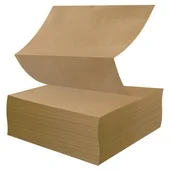
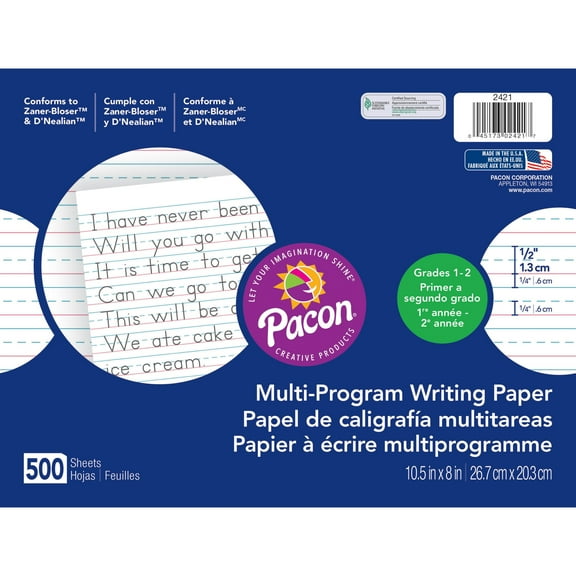
- You can keep construction paper or notebook paper nearby for classroom, craft, and note-taking needs.
Choosing paper type, size, and pack count
You should compare sheet size early because the wrong dimensions can slow down your project. You’ll commonly choose letter size paper for standard documents, homework, and office printers.
If you print contracts or longer forms, you may need legal sheets for extra length. You can choose ledger sheets when you print larger spreadsheets, signs, or layouts that need more room.
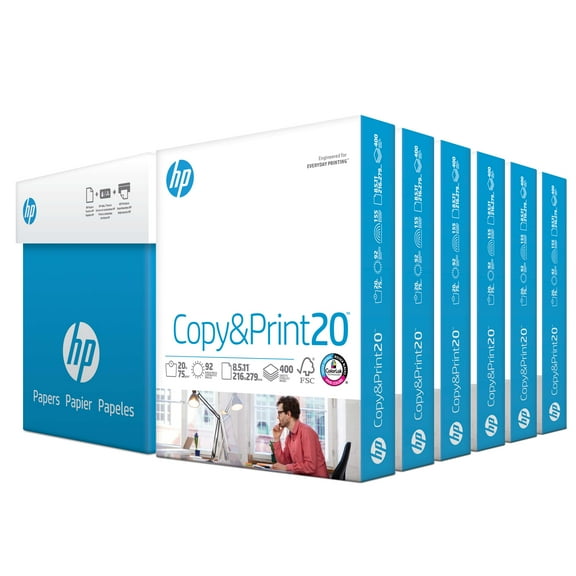
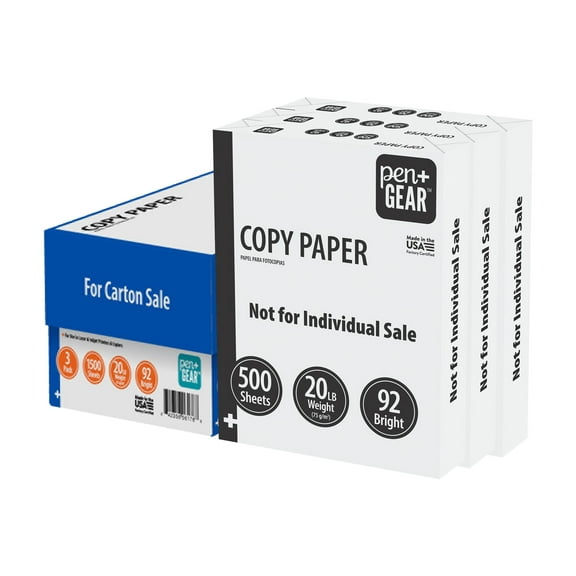
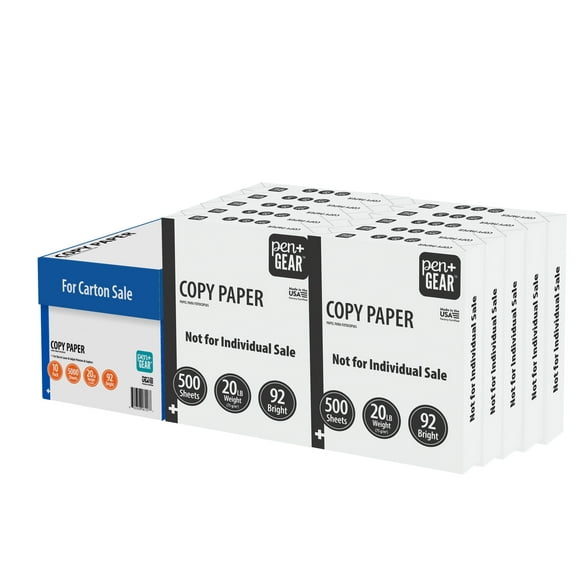
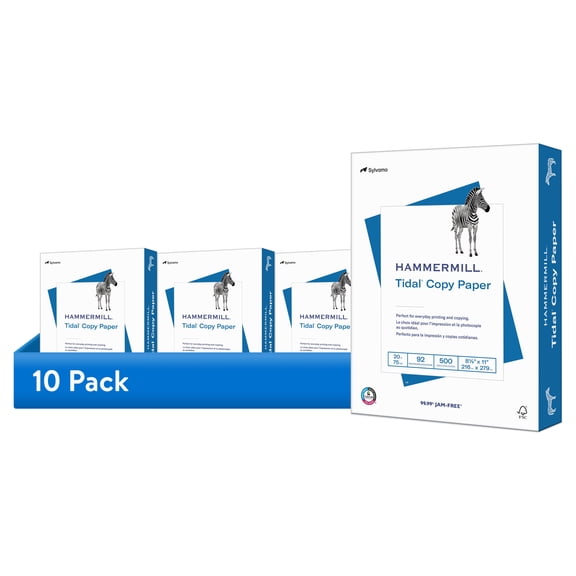
You should also measure how quickly you use paper before selecting a pack size. You’ll often prefer a single ream for lighter use, while a five-ream case supports busy offices.
If your printer runs daily, you may want three-ream or 10-ream packs to reduce reordering. You can keep backup stock on hand for school season, report cycles, and recurring business tasks.
Understanding copy paper weight and brightness
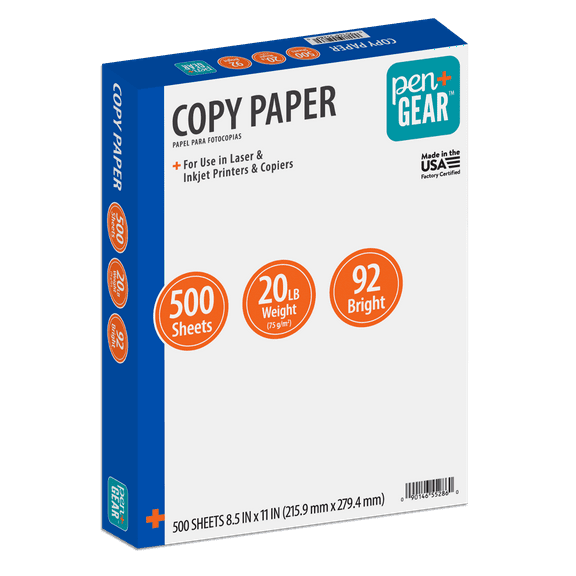
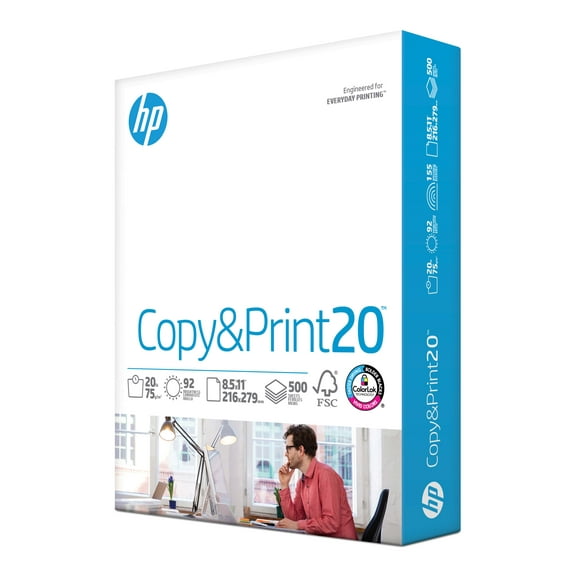
You can compare paper weight by matching thickness to your print goal. You’ll often use 20 lb sheets for everyday documents because they handle routine printing and copying well.
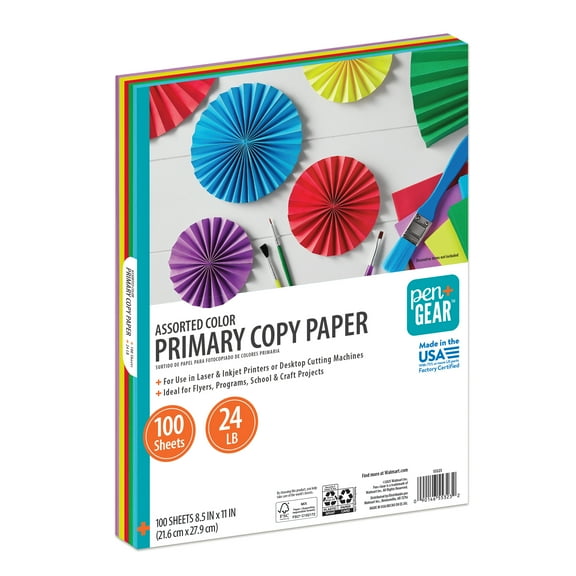
If you want a more substantial page, you may move up to 24 lb paper. You’ll notice 24 lb sheets feel sturdier for resumes, presentations, and double-sided documents.
You can choose 28 lb or 32 lb paper when your project needs a more polished look. You’ll usually reserve 65 lb or 110 lb sheets for cardstock paper, covers, menus, and display pieces.
You should also compare brightness ratings because contrast changes how text and color appear on the page. You’ll often see 92 US, 96 US, 97 US, and 100 US listed on copy paper packages.
If you want sharper contrast, you may prefer a higher brightness level for charts or presentation pages. You’ll often find lower brightness works well for internal drafts and high-volume printing.
Checking printer compatibility before you print
You should check whether your paper matches your printer type before you load the tray. You’ll want a sheet that feeds cleanly and supports the kind of output you expect.
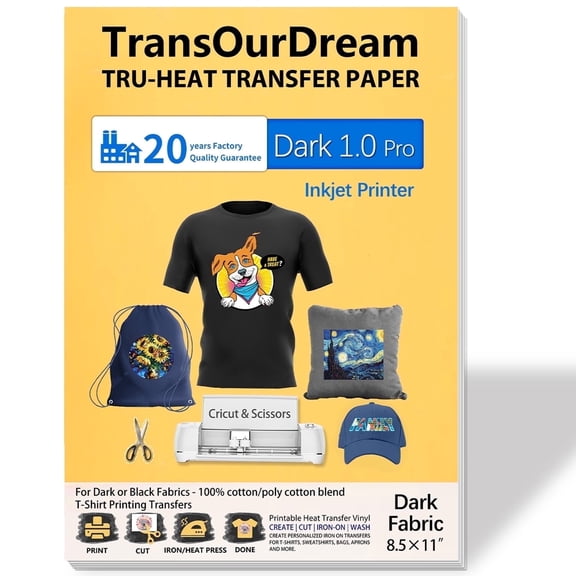
If you use an inkjet printer, you may prefer paper that helps ink look clear on the page. You can also compare photo paper when your project includes detailed images or color-heavy prints.
If you use a laser printer, you’ll often focus on smooth feeding and crisp text. You can choose multipurpose paper when you need one option that works across shared office machines.
You may also keep different paper types for different jobs instead of forcing one sheet into every task. You’ll make daily printing easier when copy paper handles routine pages and cardstock covers special projects.
Matching printer paper to school, office, and creative projects
You can match printer paper to your schedule by thinking about what you print most each week. You’ll often need different sheets for homework, office packets, crafting, and presentation materials.
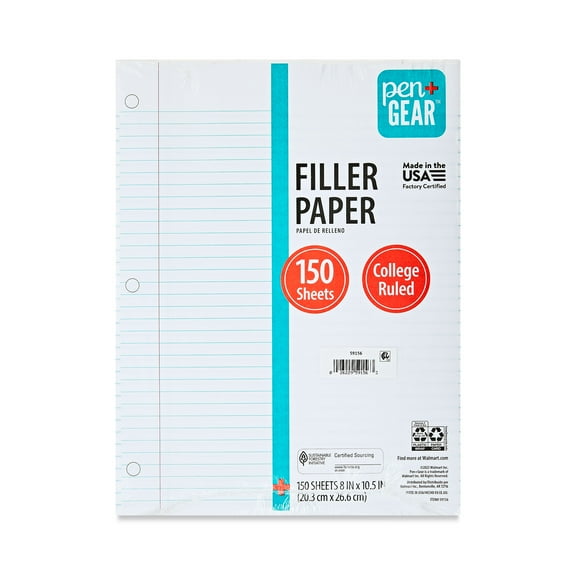
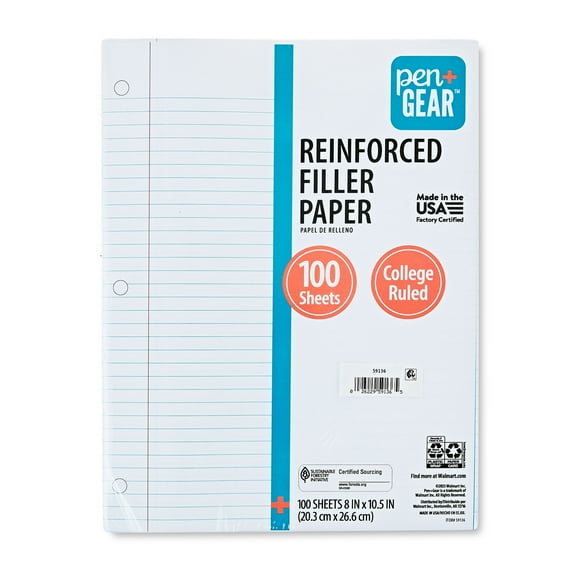
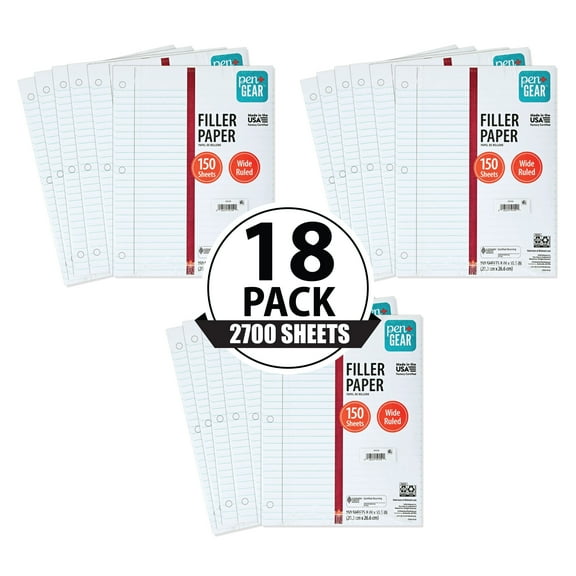
If you’re preparing back to school paper supplies, you may combine printer sheets with filler paper and notebook paper. You can also add graph paper for math work or college ruled filler paper for class notes.
If you run an office, you’ll likely keep letter size paper for reports, invoices, copies, and shipping documents. You can add brighter sheets for client-facing packets and heavier stock for title pages.
You may choose construction paper for classroom displays and cardstock paper for event signage or menus. You’ll get more control over the finished look when weight, brightness, and size match the task.
You can feel more prepared when your paper choice fits your printer, your project, and your print volume. You’ll finish everyday documents and standout pages with cleaner results and fewer interruptions.