




Kitchen & Dining Chairs












































About Kitchen & Dining Chairs - Walmart.com
Dining chairs help you complete your eating space with comfort, fit, and everyday style. You can compare materials, set sizes, and chair shapes here, so your table feels balanced.
If your room serves daily meals and occasional gatherings, you need seating that fits your layout and routine. You’ll notice the right choice makes movement easier and mealtime seating more comfortable.
How to choose dining chairs for your space
You should start with table height, room size, and how many seats you need around your table. You’ll usually want seat heights around 18 inches for standard dining tables.
If your room doubles as a breakfast nook, you may compare dining room chairs and kitchen chairs by footprint. You can keep walkways open by checking chair width, arm height, and pull-out space.
When you compare options, you should think about daily use before looks alone. You’ll notice the right chair choice supports easier seating, cleaner lines, and a more comfortable setup.
Comparing upholstered dining chairs and other materials
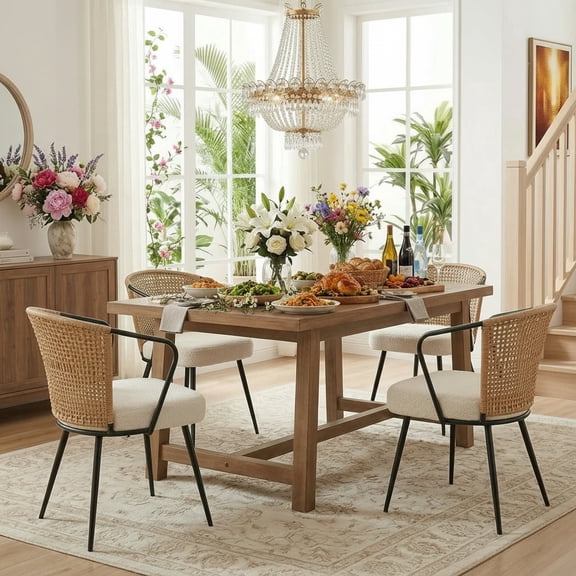
You can use material as your first filter because it shapes comfort, upkeep, and the room’s overall look. You’ll often see upholstered dining chairs, wooden dining chairs, metal dining chairs, leather looks, and plastic styles.
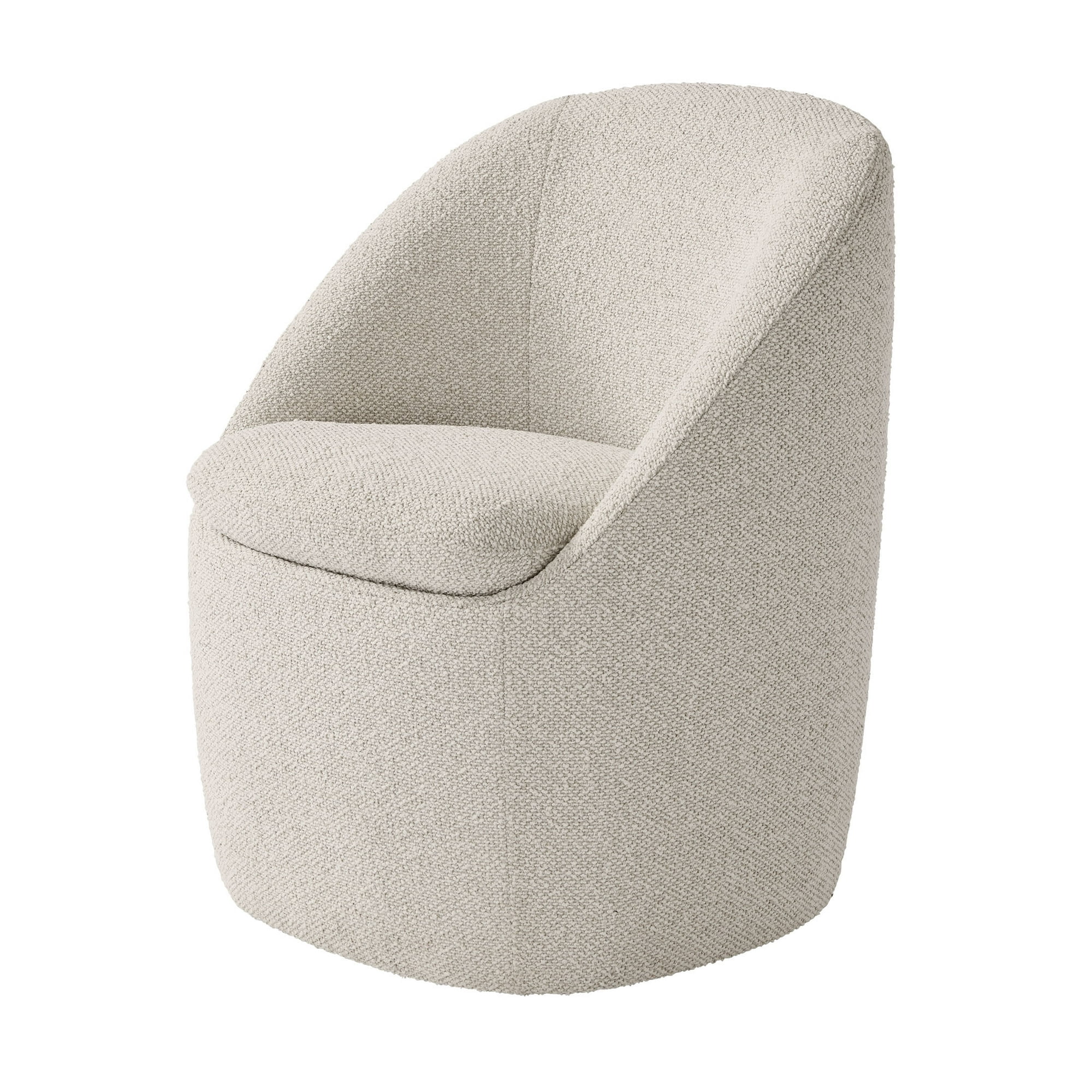
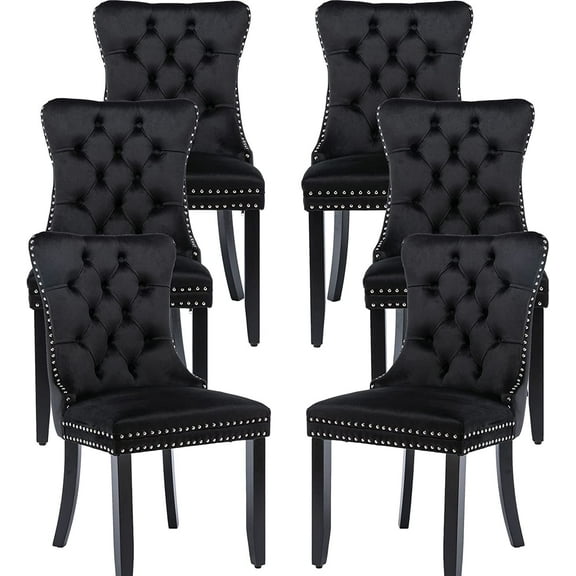
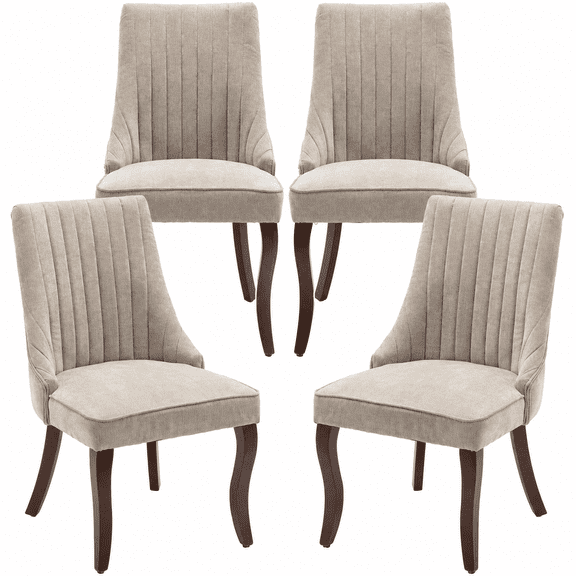
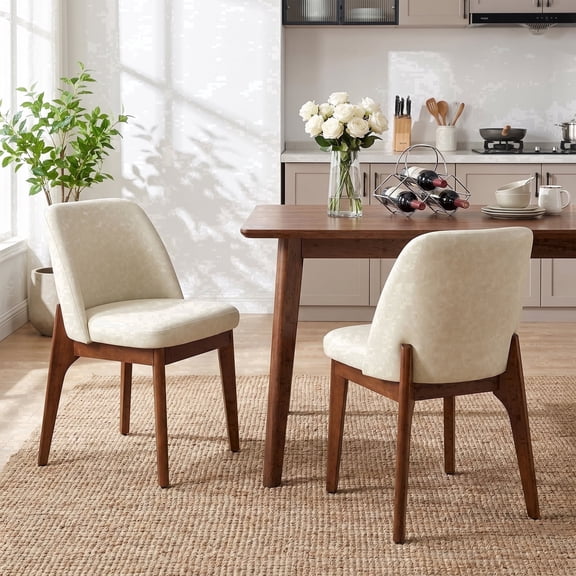
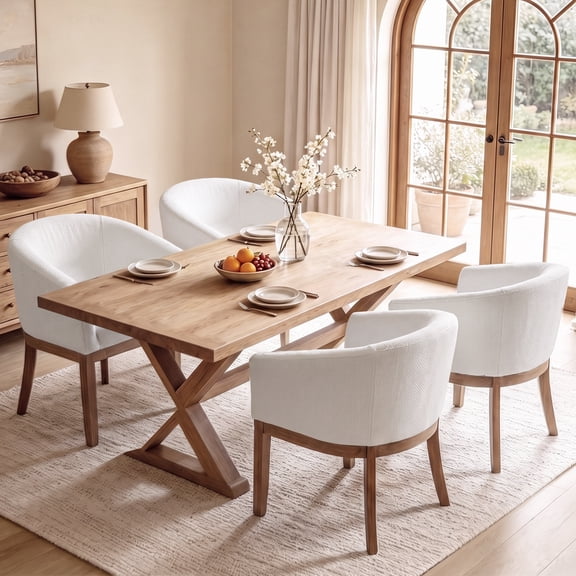
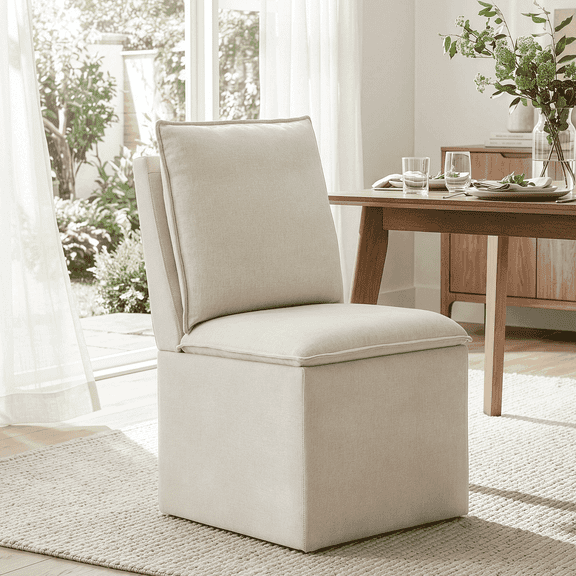
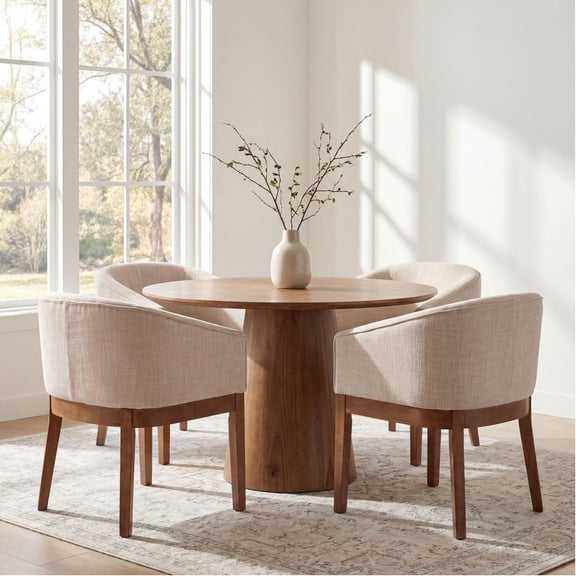
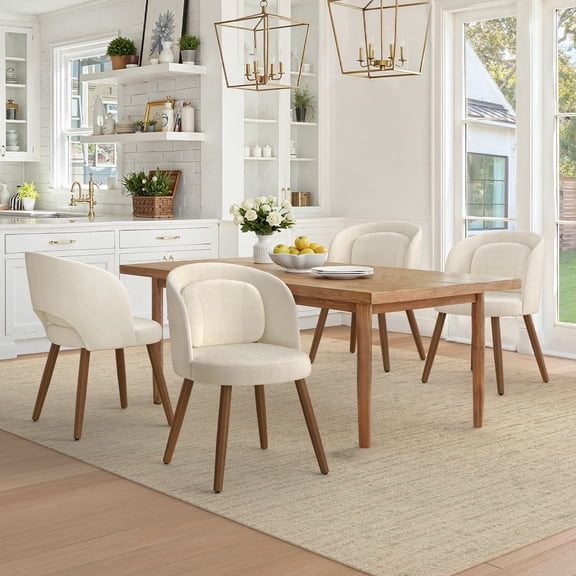
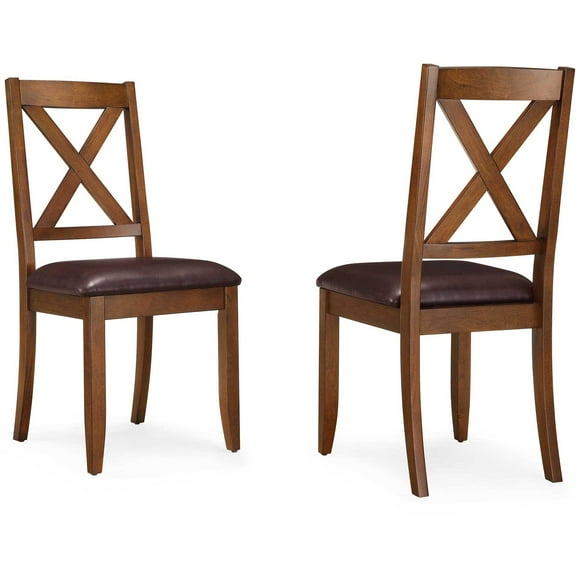
If you want a softer seat for longer dinners, you may consider upholstered dining chairs with padded backs or seats. You’ll get a warmer look that works well in formal rooms and everyday family spaces.
When you want easier wipe-down care, you might prefer wood, metal, or plastic surfaces around busy tables. You can use these materials when quick cleanup matters after breakfast, homework, or crafts.
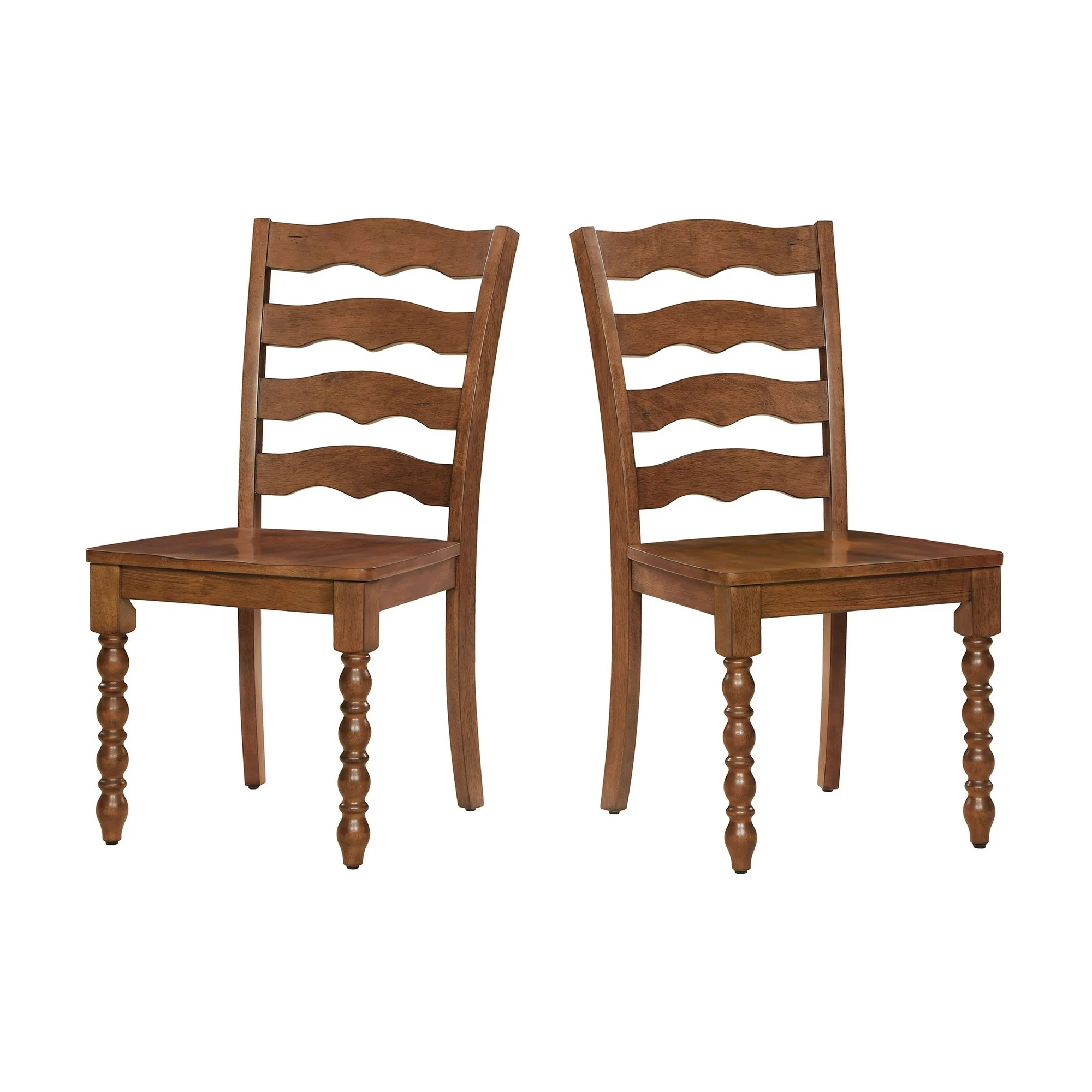
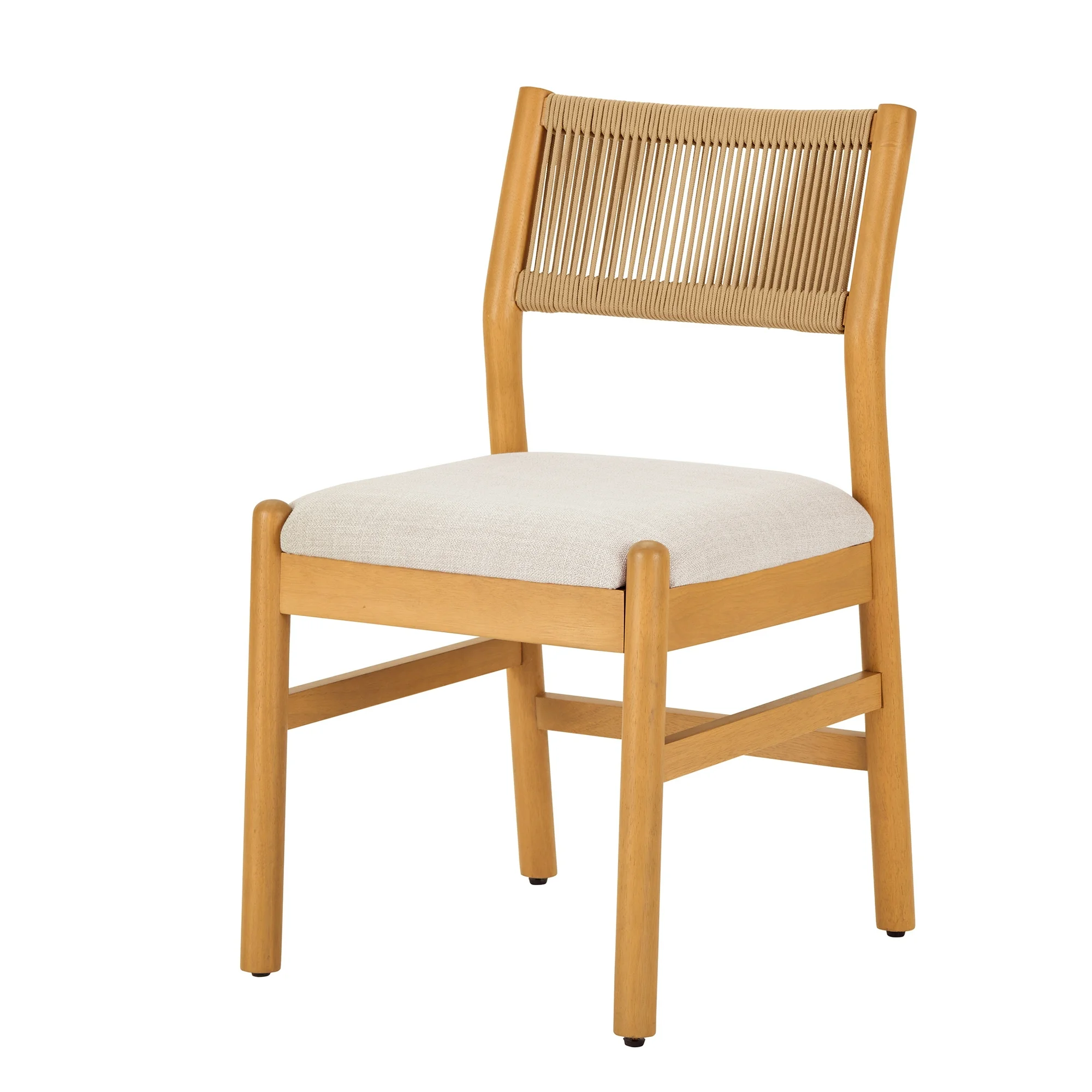
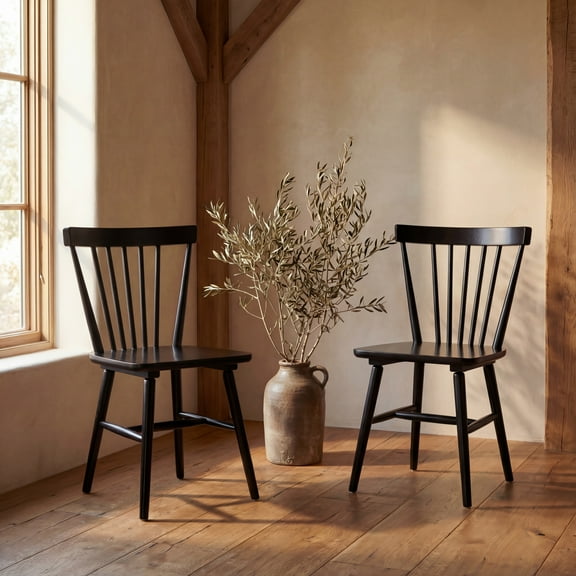
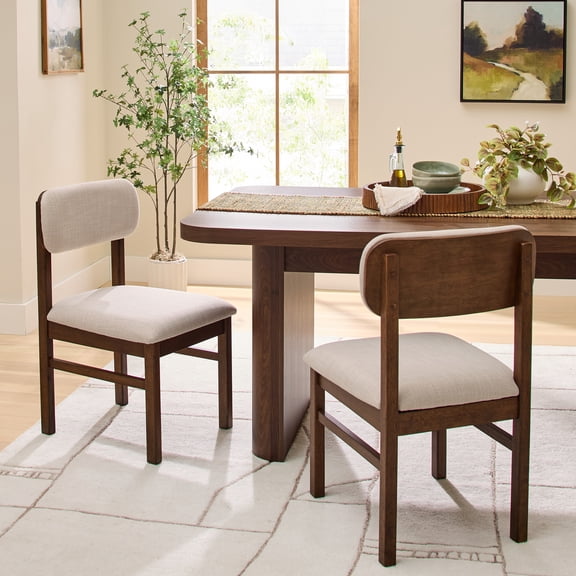
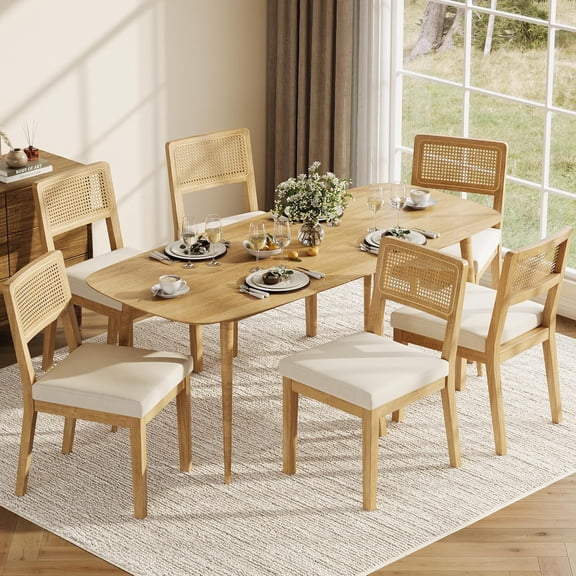
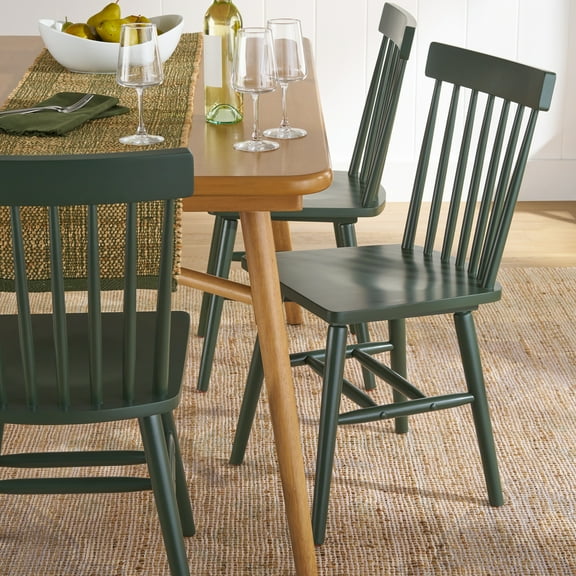
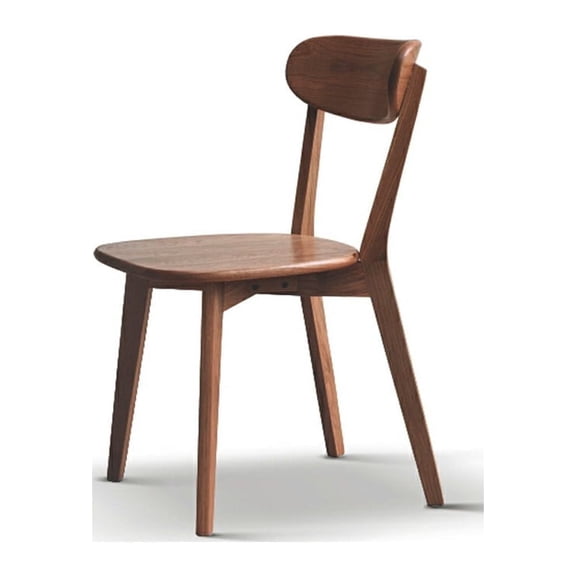
For a natural look, you can choose wooden dining chairs in brown, walnut, black, or white finishes. You’ll often see wood styles with slat backs, curved backs, or classic silhouettes.
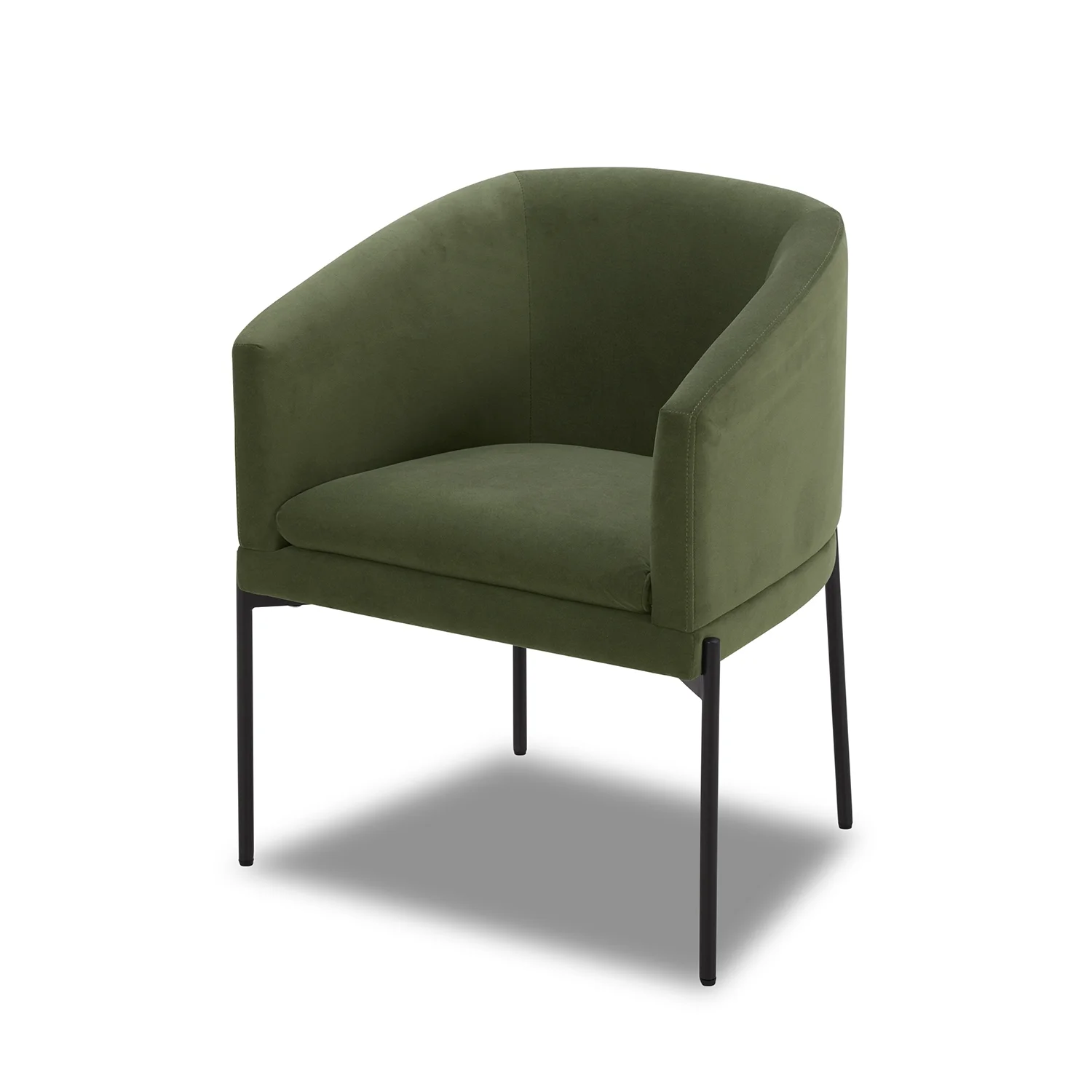
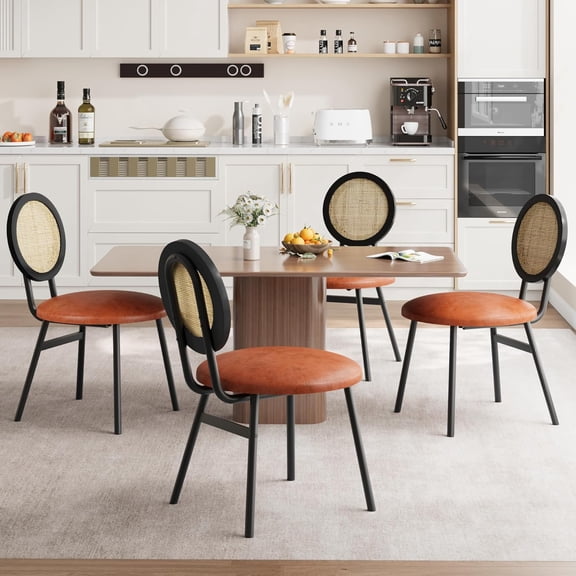
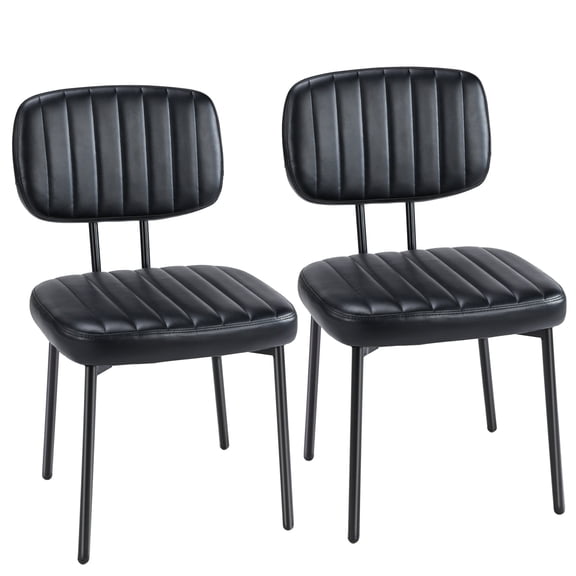
If you like a cleaner edge, you may compare metal dining chairs with slim frames and open designs. You’ll often get a lighter visual footprint, which helps smaller dining areas feel less crowded.
- You can choose upholstery when your meals run longer and your seating comfort matters more.
- You can choose wood when your room needs warmth, visible grain, and classic dining appeal.
- You can choose metal when your space leans industrial, modern, or easy-care.
- You can choose plastic when your seating needs a lighter frame and simple cleanup.
Choosing modern dining chairs and coordinating style
You should compare style with the table you already own, because chair shape changes the room quickly. You’ll often shop modern dining chairs, farmhouse looks, mid-century styles, traditional shapes, and industrial frames.
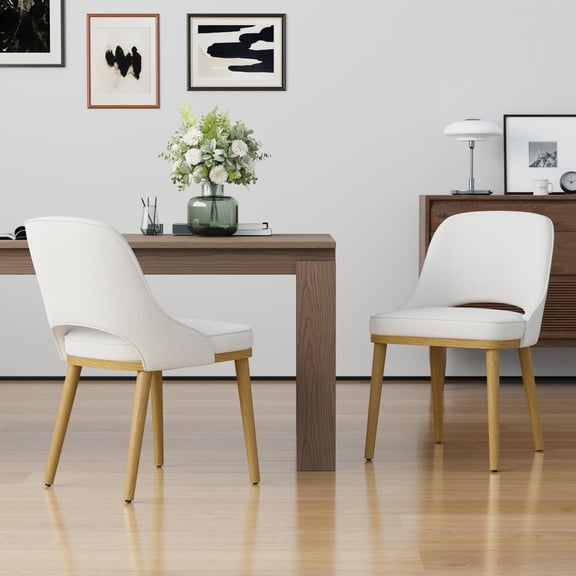
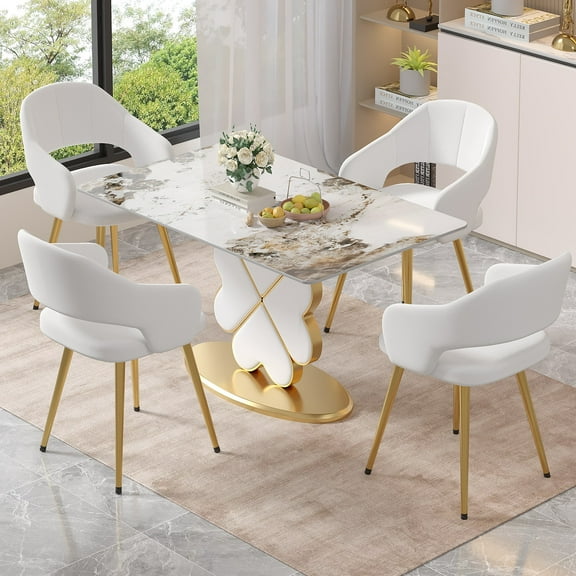
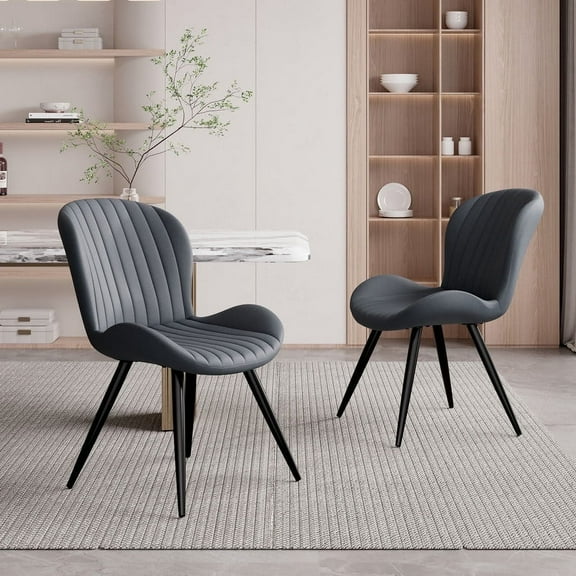
If your room has clean lines, you may prefer modern dining chairs with slim legs and simple profiles. You can pair them with glass, marble-look, or rectangular wood tables for a current look.
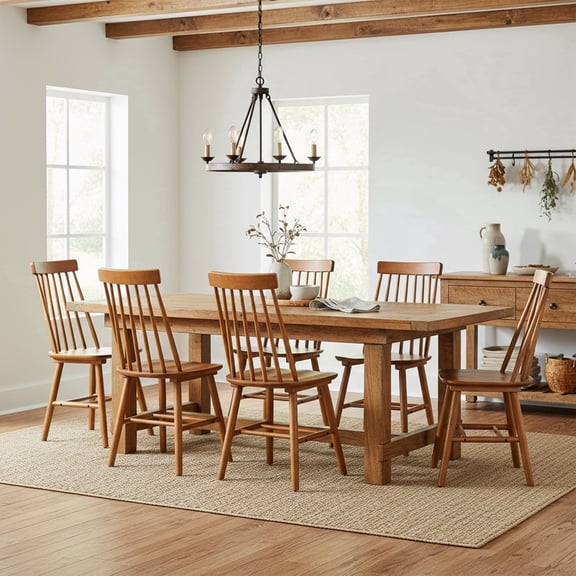
When your home feels warmer and more relaxed, you might lean toward farmhouse seating with textured wood or cross-back details. You’ll often find these looks pair well with trestle tables and neutral rugs.
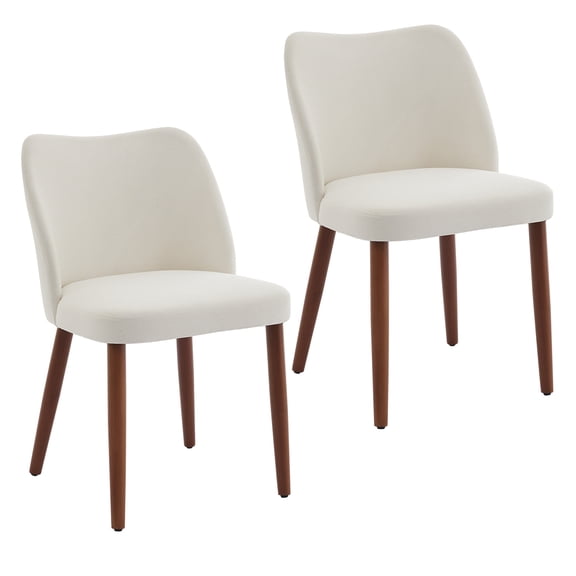
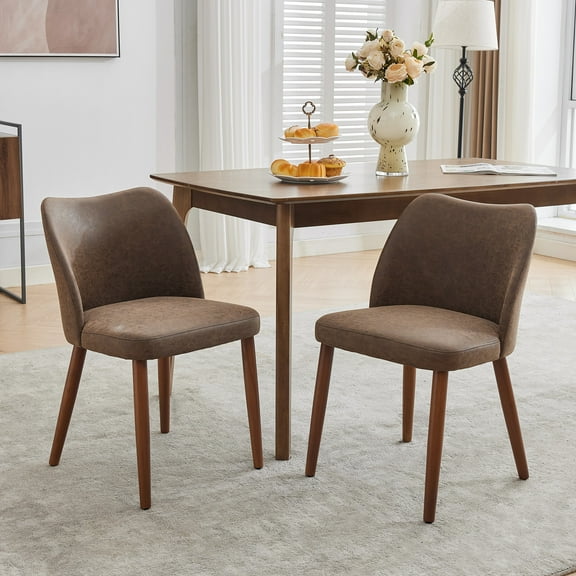
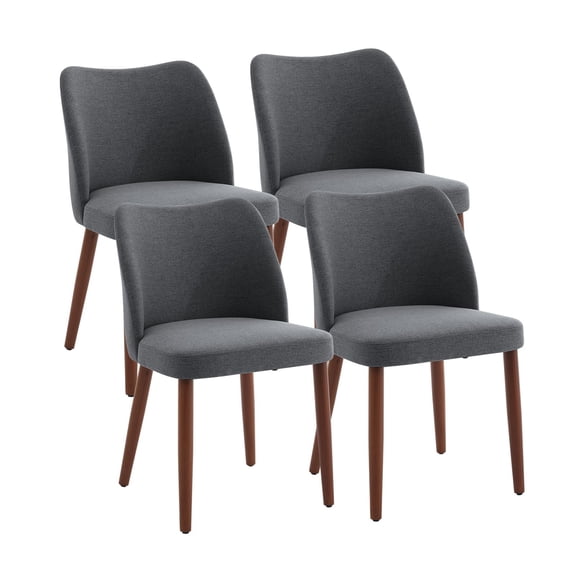
For vintage-inspired rooms, you can compare mid century modern dining chairs with tapered legs and curved backs. You’ll get a profile that works well with walnut tones, black dining chairs, and smaller spaces.
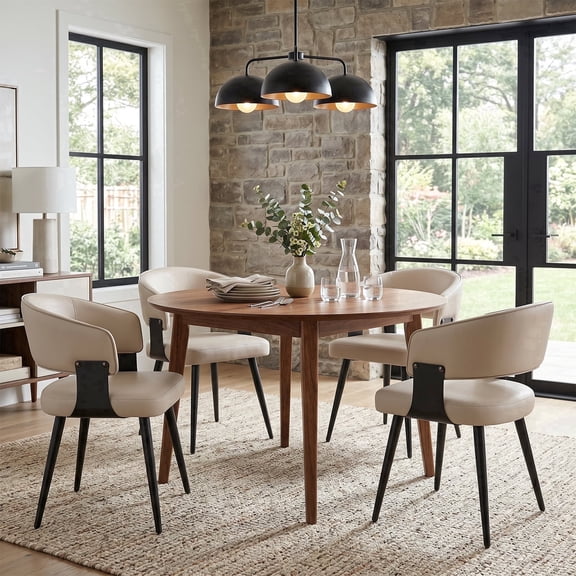
If you want a more formal setup, you may look at parsons chairs, armchairs, or traditional side chairs. You can use armchairs at the table ends and side chairs along the length.
Choosing the right set size and chair type
You should match set size to table length, household size, and how often you host guests. You’ll commonly see a set of 2, set of 4 dining chairs, set of 6, or single chairs.
If you’re updating a small apartment table, you may start with a set of 2. You can keep the layout open while still giving your dining area a finished, coordinated look.
For four-person tables, you’ll often find a set of 4 dining chairs makes matching simple. You can create a consistent look faster, especially when you want shared height and finish.
When you host often, you may mix singles with larger sets to fine-tune your seating count. You can also combine side chairs and armchairs to suit rectangular or oval tables.
You should also compare chair type before you choose a finish or color. You’ll find side chairs fit easily in tighter rooms, while armchairs need more width and clearance.
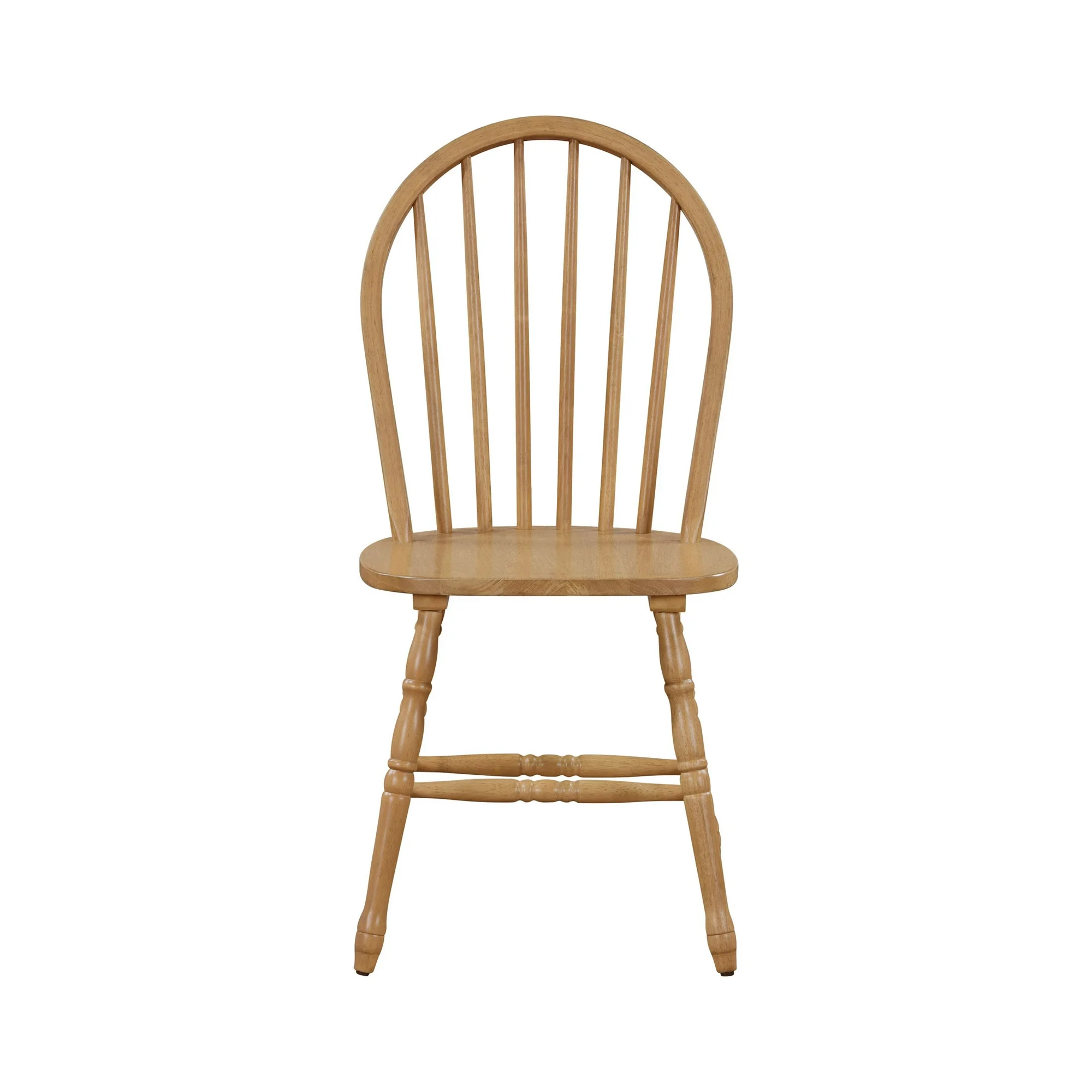
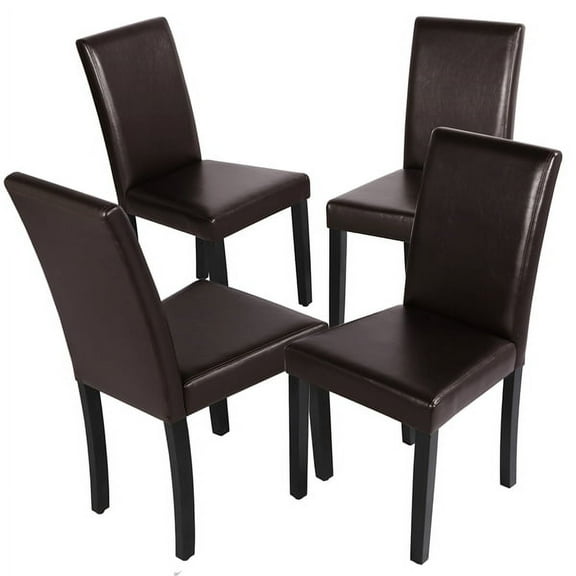
If you like tailored lines, you may consider parsons chairs with fully covered seats and backs. You can choose windsor chairs when you want a classic spindle-back look with visible wood detail.
Checking dimensions, colors, and everyday use
You should measure seat height, overall width, and back height before you choose a style. You’ll want enough knee room under the table and enough space between chairs.
When your table apron sits lower, you should check whether armchairs can slide under it. You can avoid crowding by measuring table legs, chair depth, and seat spacing.
You can also use color to tie your room together without replacing the whole dining set. You’ll often see black dining chairs, white finishes, grey upholstery, brown wood, and walnut tones.
If your room needs contrast, you may use black dining chairs against a lighter table or floor. You can choose grey or white when you want a softer look with many dining spaces.
For daily family use, you should think about cleaning needs and assembly details before you decide. You’ll appreciate easy-care surfaces, stable legs, and simple assembly during regular use.
You can complete your setup by coordinating your chairs with dining tables, dining room sets, or bar stools. You’ll feel more confident when your seating fits your table, layout, and routine.