

Women's Hunting Clothing in Hunting Clothing




































About Women's Hunting Clothing in Hunting Clothing - Walmart.com
Women's hunting clothing helps you stay concealed, comfortable, and mobile with fits shaped for your frame. You can compare female-specific cuts, quieter fabrics, and weather-ready layers for changing field conditions.
How to choose women's hunting clothing
When you shop women's hunting clothing, you should start with fit, layering, and terrain match. You may notice those choices affect comfort, range of motion, and how easily your layers work together.
Instead of settling for downsized men’s pieces, you can look for a tailored female cut through the shoulders, waist, and hips. You may also prefer active fit styles for movement or relaxed fit styles for thicker base layers.
Your hunting setup often works harder when each clothing type has a clear job in your layering system. You can use shirts for a base, pants for mobility, and jackets or vests for changing wind and temperature.
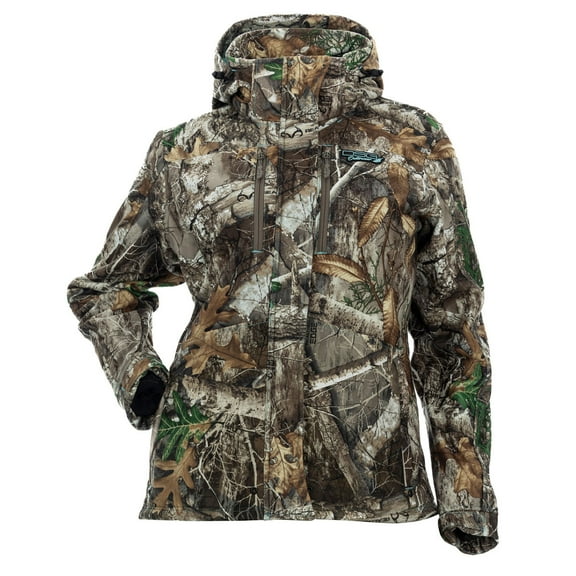
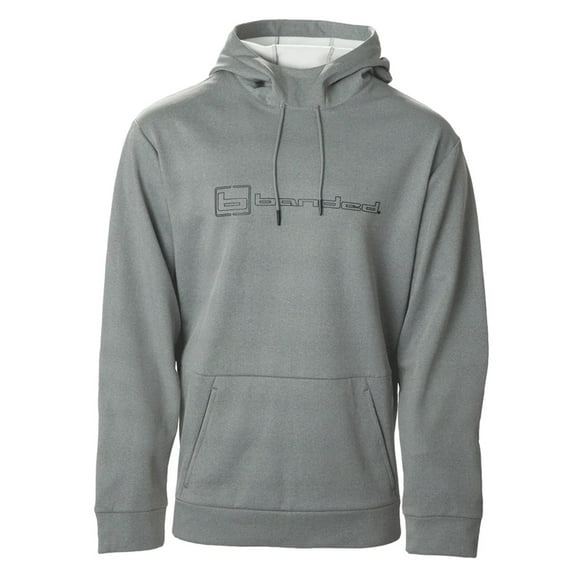
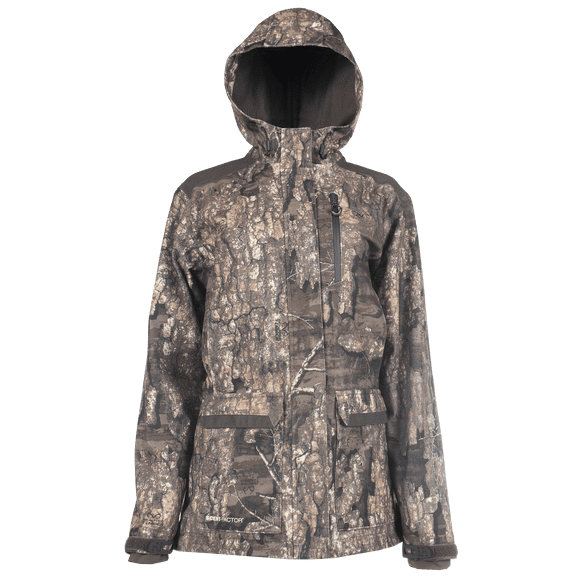
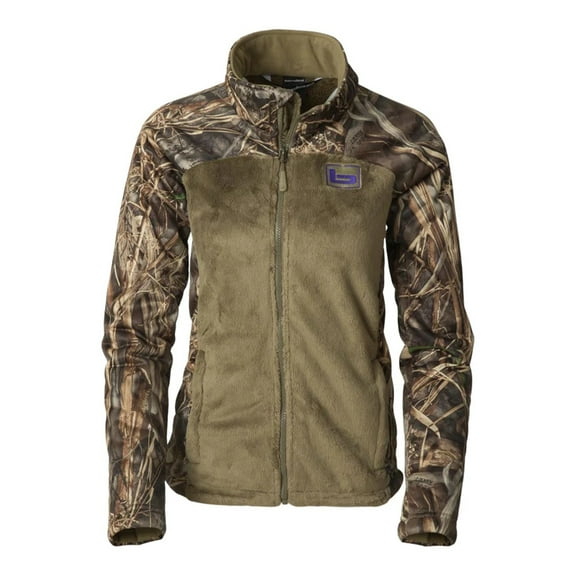
- You can choose jackets when you need outer coverage against wind, brush, and light moisture.
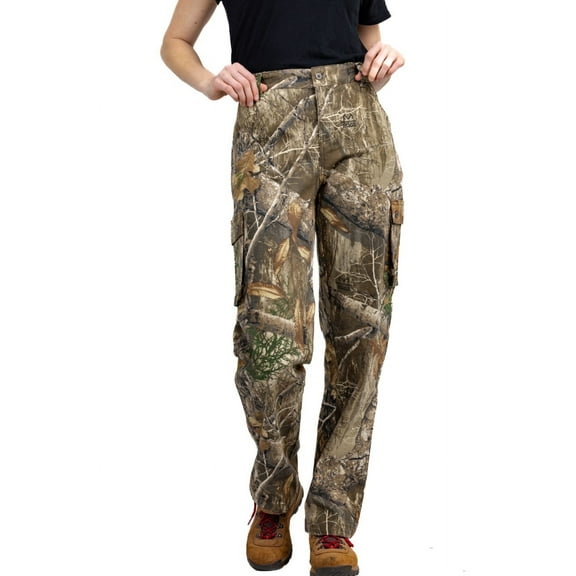
- You can pick pants or bibs when you want added mobility, seat coverage, and layering room.
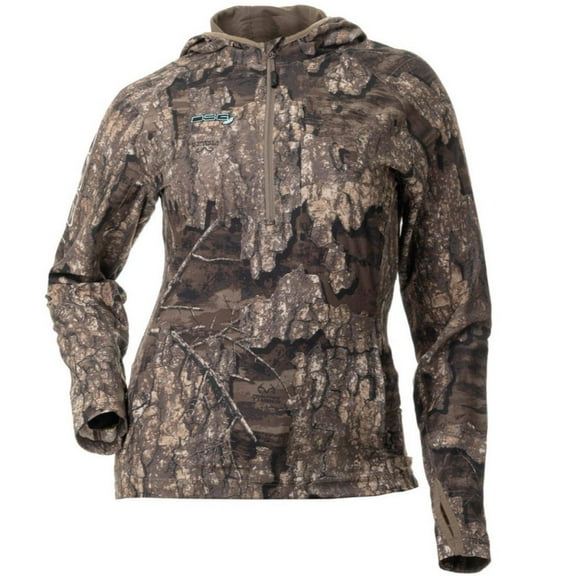
- You can wear shirts and vests when you need flexible layering through milder mornings and warmer afternoons.
Choosing women's camo hunting gear by pattern and visibility
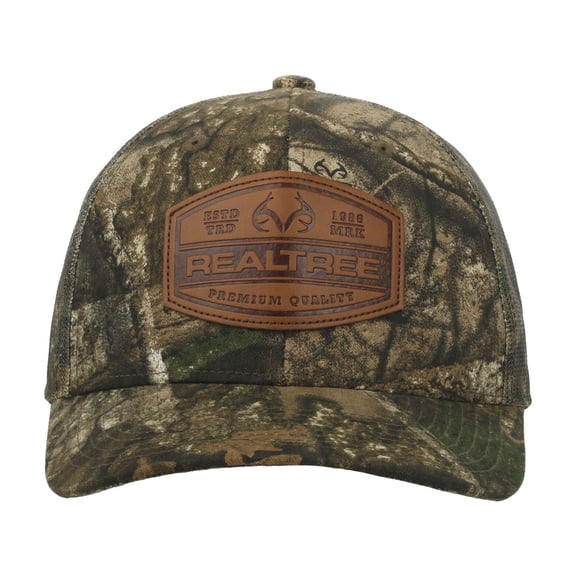
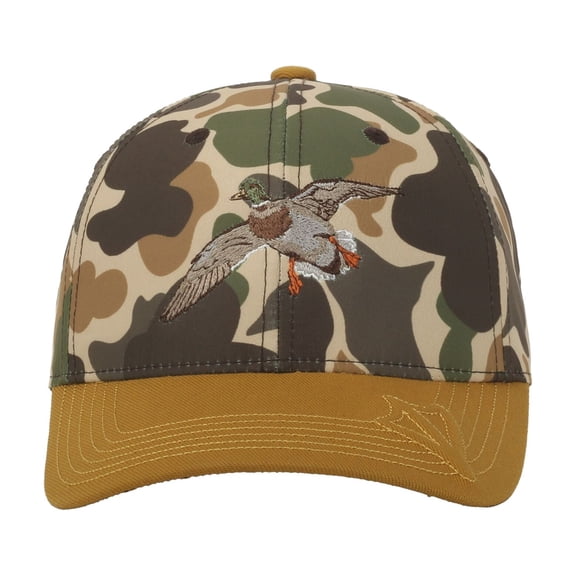
Your camo pattern should match the cover you hunt, the season you’re in, and the visibility rules you follow. You can compare solid styles, woodland patterns, and women’s blaze orange clothing for different conditions.
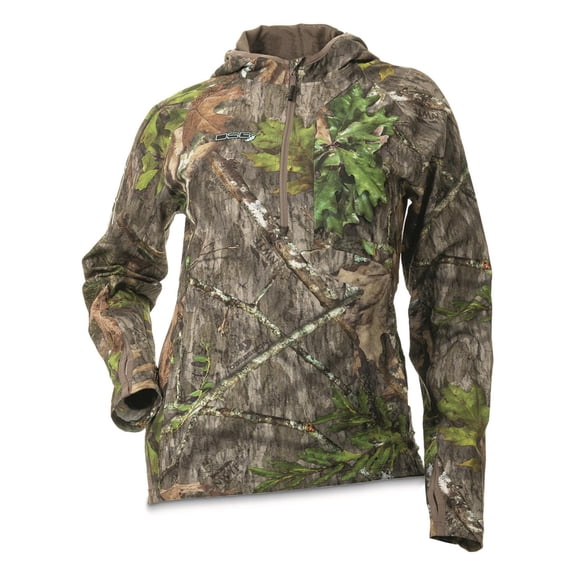
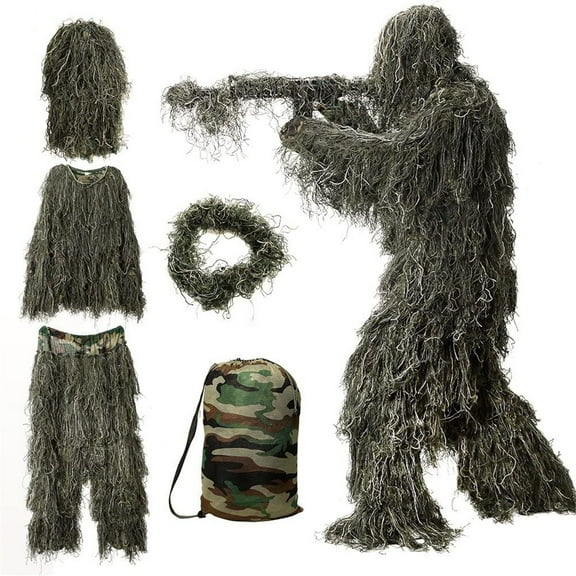
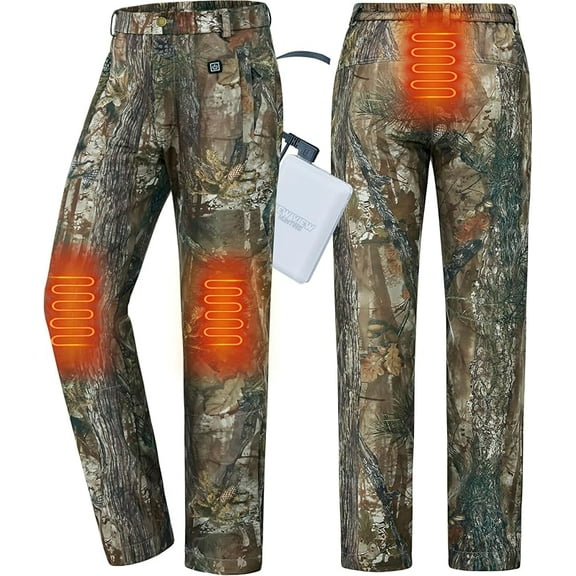
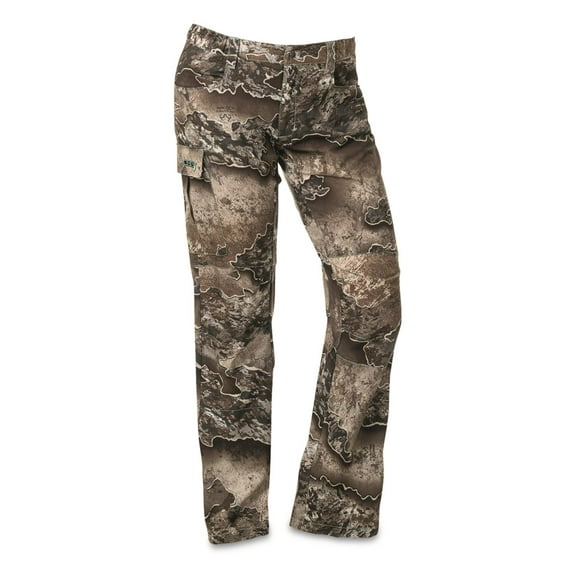
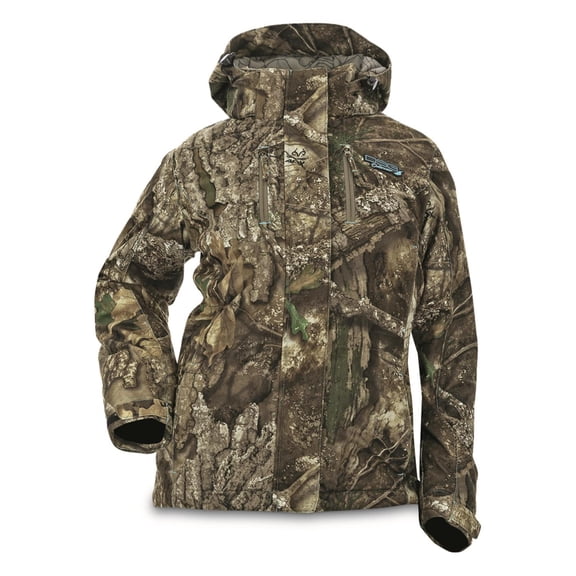
If you hunt mixed timber and brush, you may want women’s camo hunting gear with branch and leaf shapes. If you move between stand hunting and open edges, you might prefer a solid piece layered with patterned outerwear.
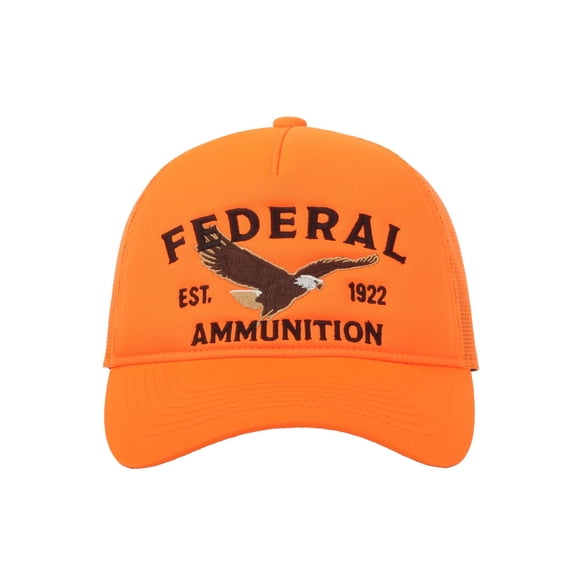
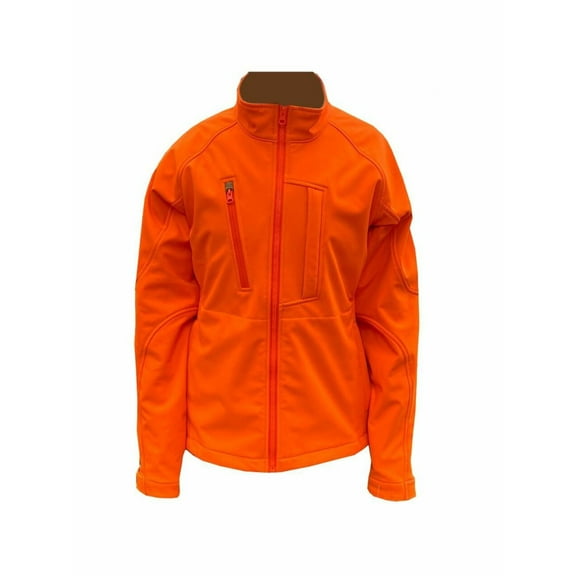
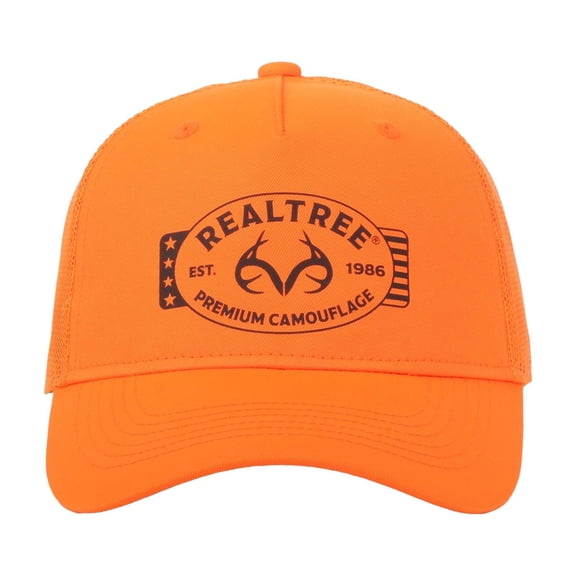
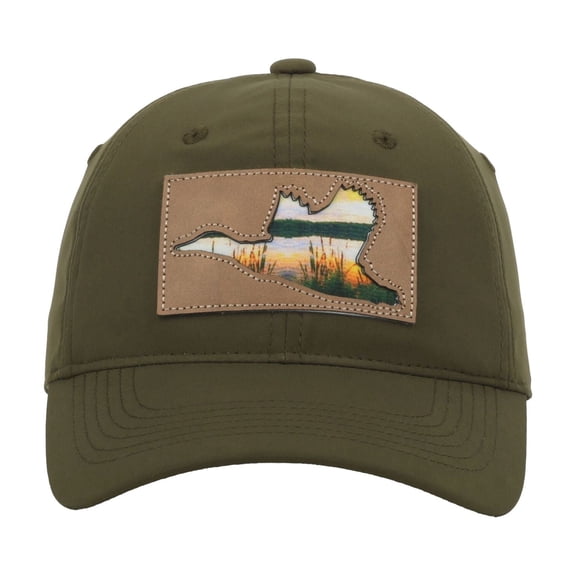
During seasons that call for visibility, you can look for blaze orange jackets, vests, or hats that pair with camo bottoms. You can get the visibility you need without rebuilding your whole setup.
Terrain matters too, so you should compare pattern scale and color contrast before you choose. You may find that darker prints blend into late fall woods, while lighter mixes suit dry grass and open fields.
Choosing women's hunting jackets and outer layers
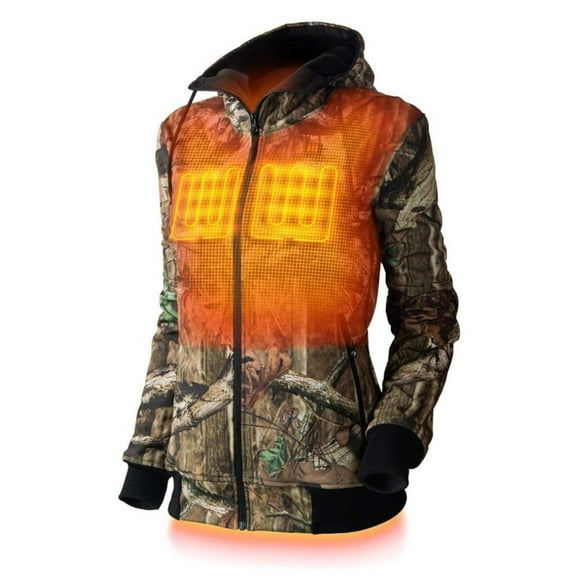
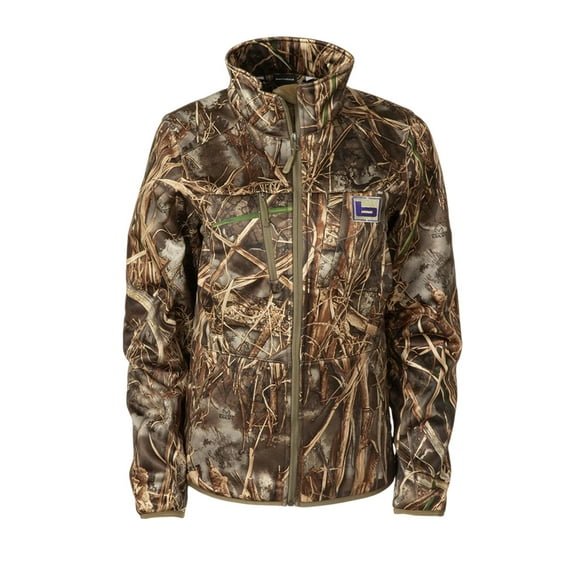
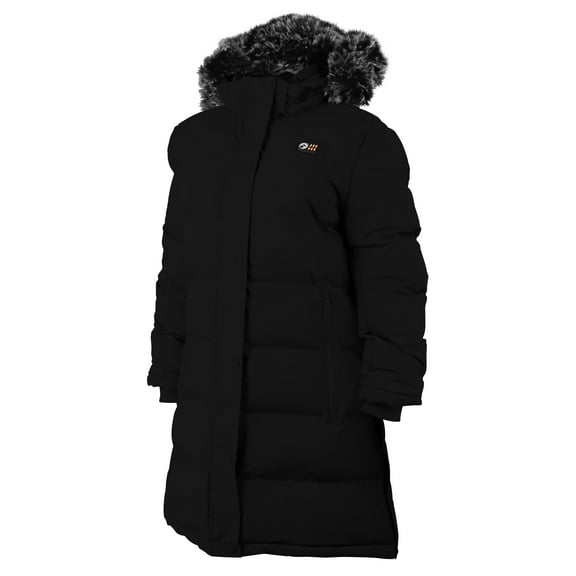
Your outer layer should match the weather, your movement level, and how long you’ll stay outside. You can compare lightweight shells, midweight layers, and insulated hunting clothes for women by season.
If you hunt early season mornings, you may want a lightweight jacket that sheds light rain and blocks wind. If you hunt colder sits, you can step up to heavier insulation and room for base layers.
Waterproof and wind-resistant finishes matter when your forecast changes fast or your route stays exposed. You may want coverage that helps your layers stay dry without feeling bulky through the shoulders.
Fabric noise is another key choice, especially when your movement needs to stay controlled near game. You can look for softer outer materials that move quietly when you raise your arms or shift position.
Choosing women's hunting pants and bibs
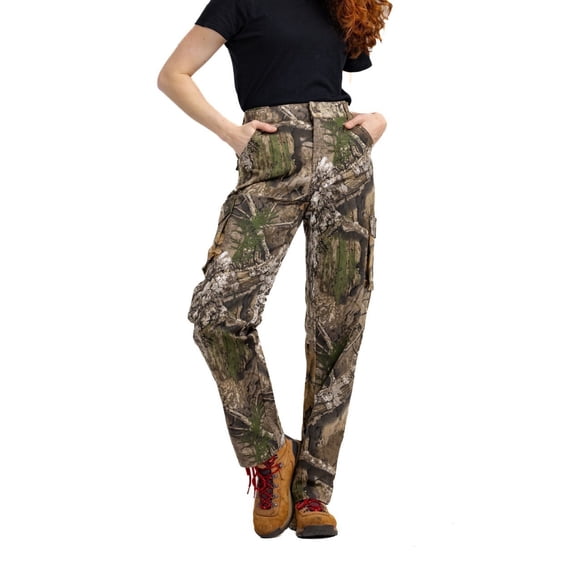
Your lower-body layers need to support walking, crouching, climbing, and long sits without pulling or bunching. You can compare women’s hunting pants and bibs by rise, stretch, and room through the hips.
If you cover ground often, you may prefer pants with an active fit and articulated knees. If you sit longer in colder weather, you might choose bibs that add coverage over your core and layers.
Pocket placement also affects how smoothly your day goes in the field. You may appreciate storage that stays reachable with a pack belt, harness, or outer jacket in place.
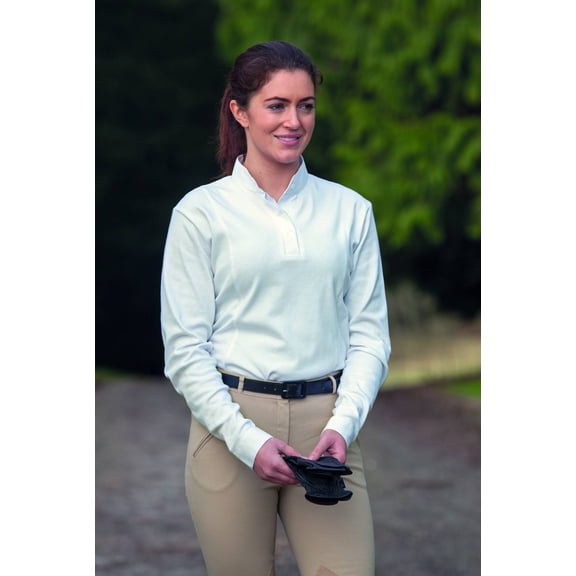
Shirts and midlayers round out your system, so you should think about bulk as much as warmth. You can layer lighter tops under jackets, or use midweight pullovers when your temperature shifts through the day.
What to look for in female hunting apparel fit and layering
Female hunting apparel should help you move naturally without excess fabric at the arms, waist, or inseam. You can check size charts, inseam details, and fit notes before you build your setup.
If you wear thick base layers, you should leave space in jackets and bibs for easy movement. If you hunt in mild weather, you may want a closer fit that reduces extra bulk.
Layering works optimally when each piece adds a clear function instead of repeating the same job. You can start with a shirt, add insulation if needed, and finish with weather protection when conditions call for it.
As temperatures drop, you can switch from lightweight pieces to midweight or insulated options without changing your whole system. This helps you get a more flexible setup for early season starts, cold fronts, and late season hunts.
Matching women's hunting clothing to real hunting conditions
If you hunt from a blind or stand, you may want insulated outerwear and bibs for longer stationary periods. If you cover ridges or field edges, you might choose lighter layers that keep movement easier.
For wet grass, light rain, or windy mornings, you can prioritize waterproof shells and women’s hunting jackets with room underneath. This helps you stay more comfortable when weather shifts before midday.
If your region moves from green cover to bare timber, you should adjust your pattern and layer weight with the season. You can rotate from leafy camo to darker woods tones or solid layers with blaze orange accents.
When you need one setup that works across several trips, you can build around versatile pants, a midlayer, and a weather-ready shell. This makes it easier to adapt to changing terrain, temperatures, and visibility requirements.
Your search for women’s hunting clothing gets easier when you compare fit profile, camo pattern, insulation, and fabric noise together. You can build a field-ready setup that feels comfortable, moves naturally, and matches your hunting conditions.