


Find tires that fit
Let’s search for tires that fit your vehicle.Shop by Brand in Tires & Accessories


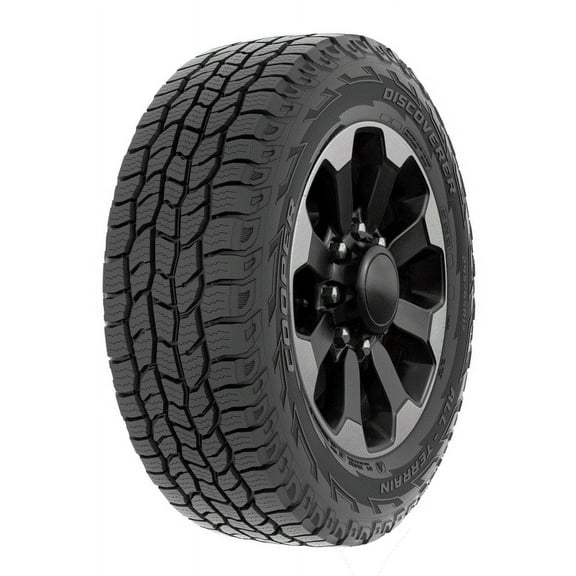


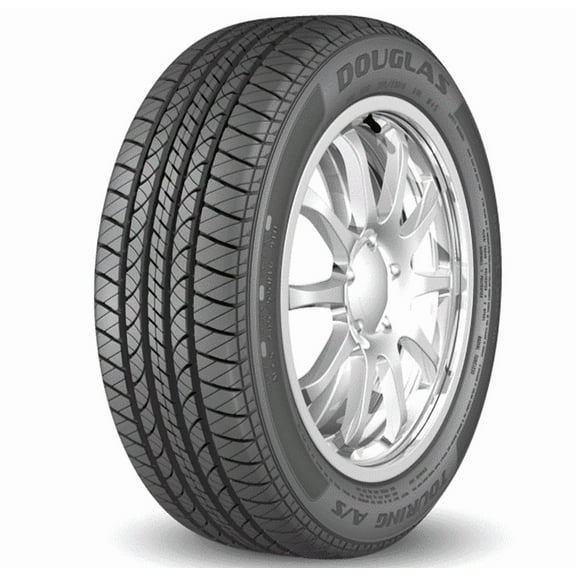
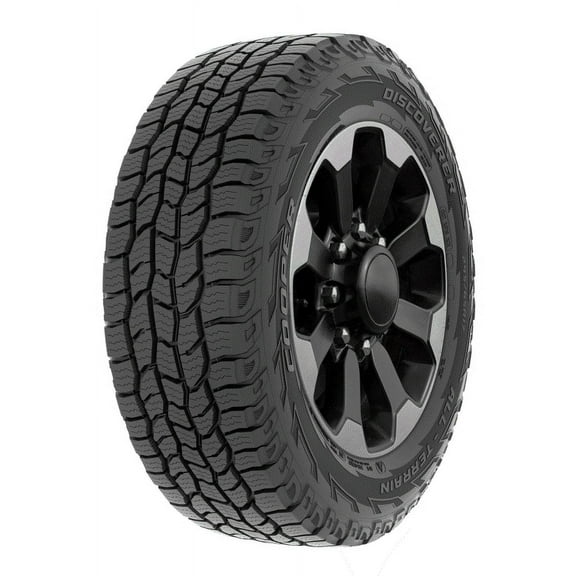
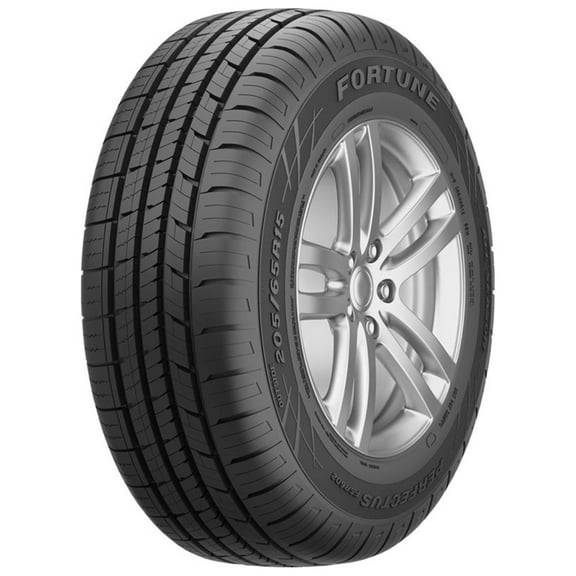
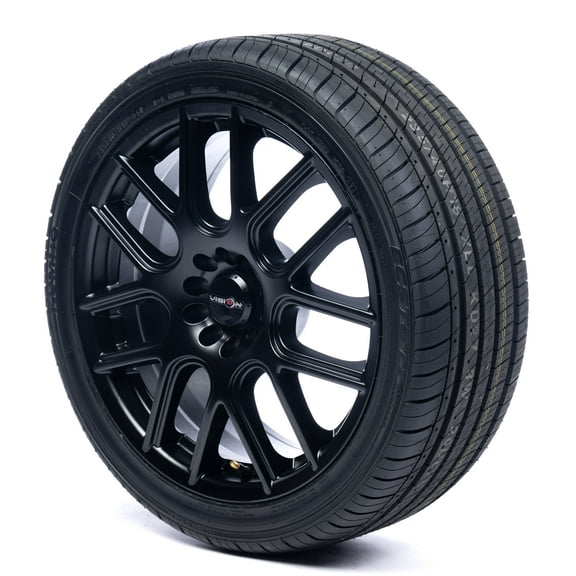
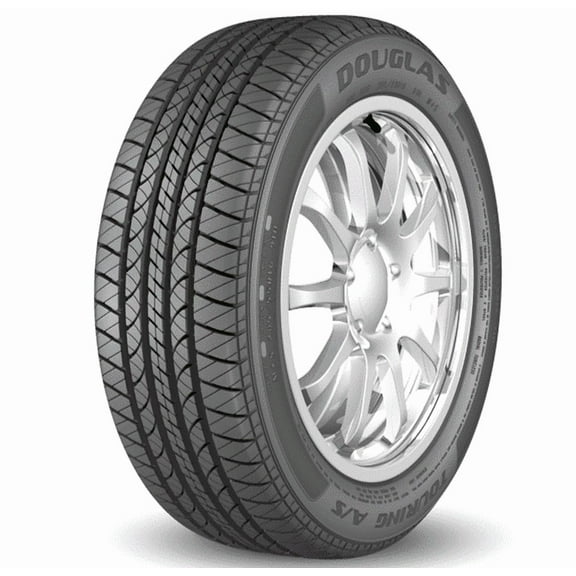
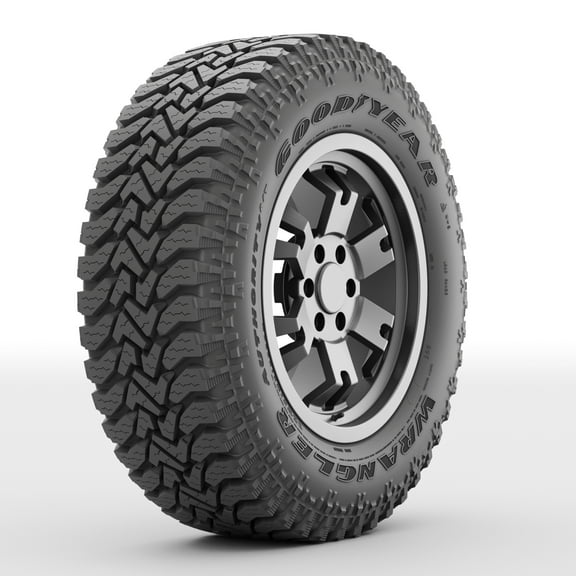
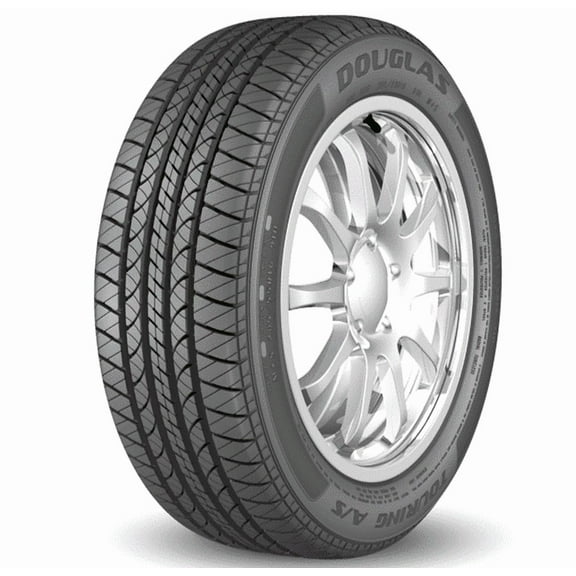


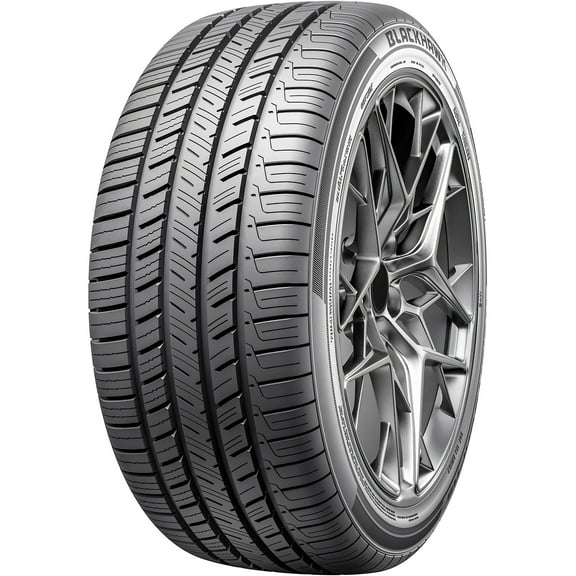
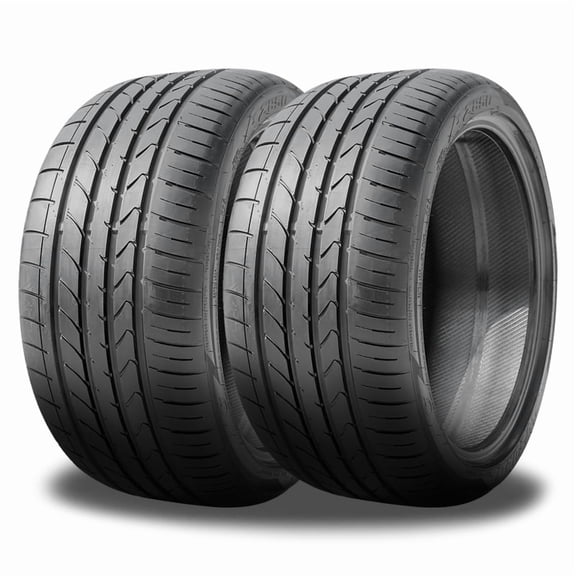


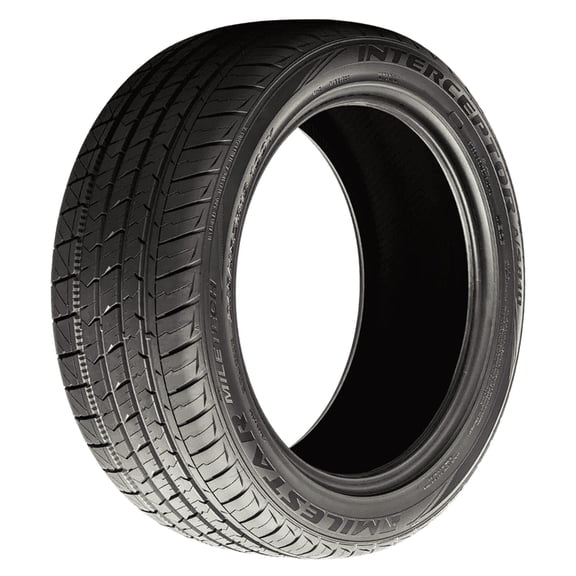
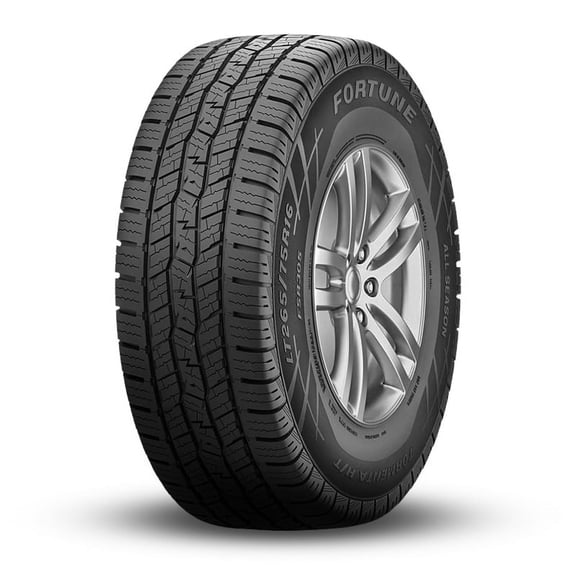







About Shop by Brand in Tires & Accessories - Walmart.com
All season tires help you compare year-round traction, everyday comfort, and exact fit in one place. You can sort through options for cars, SUVs, crossovers, and light trucks with clearer decision points.
For mixed driving, you may want one category that handles dry pavement, wet roads, and light winter conditions. Clear filters can keep your search focused on the tire size and ratings your vehicle needs.
Choosing between all season tires and all weather tires
Start with tire type, because your driving pattern should guide every other choice. All-season options suit broad daily use, while all weather tires usually lean harder into colder conditions.
When your route includes changing temperatures, you can compare how each category balances tread life, wet grip, and road feel. That balance matters differently for commuting, school runs, and highway travel.
You may also notice mud and snow tires marked M+S on the sidewall. If your winter prep tires need stronger snow-focused design cues, you can look for the 3PMSF symbol instead.
- You can use all-season fitments for commuting, errands, and long highway miles.
- In colder climates, you can compare all weather tires for longer stretches of low temperatures.
- On slush or light snow days, you can check M+S markings for broader seasonal versatility.
- For stronger snow-oriented design cues, you can review 3PMSF markings before narrowing your list.
Choosing the right passenger car tires and vehicle fit
Vehicle type should narrow your options before you compare tread patterns. Passenger car tires usually focus on ride comfort, while suv all season tires support taller, heavier vehicles.
Crossovers often need a mix of responsive handling and everyday comfort, so your comparison may land between sedan and SUV priorities. For heavier carrying demands, light truck all season tires can align with work use and added cargo.
Your size code is the next checkpoint, and it needs an exact match. You can usually see width, aspect ratio, and wheel diameter together, such as 225/65R17.
That code helps you filter quickly, but your wheel diameter must stay exact. Even a small mismatch can remove useful choices from your fit plan and search results.
What to look for in all season radial tires
After you confirm fit, you can compare all season radial tires by speed rating and load index. Those numbers show how the tire matches your vehicle’s intended performance and carrying needs.
Instead of guessing, match those specs to the label on your vehicle or current tire. This helps keep your handling feel, ride quality, and daily drivability aligned with factory requirements.
Performance rating also shapes the driving experience you can expect. Touring choices often favor comfort, while grand touring can blend smoother highway manners with more responsive control.
If your vehicle calls for a sharper feel, you may compare high performance and ultra high performance options. Those categories usually trade some ride softness for quicker steering response.
Treadwear warranty gives you another practical comparison point. A 40,000-mile, 60,000-mile, or 80,000+ mile range can help you estimate how each option fits your yearly mileage.
With long commutes, you may lean toward a higher mileage range. During shorter city driving, your focus may shift toward handling feel and road comfort.
Comparing traction, tread life, and seasonal markings
Wet and dry traction deserve close attention because they shape how your vehicle responds in everyday weather. Grooves, siping, and tread pattern design all affect how confidently you can handle changing pavement.
Manufacturers often position a tire around comfort, sportier handling, or balanced year-round use, so you should compare that intent carefully. Your driving style matters just as much as the name on the sidewall.
M+S markings can support broad seasonal use, especially when your roads see rain, slush, and occasional snow. When colder conditions are a regular part of your route, a 3PMSF-marked option may make more sense.
Before narrowing your list, consider how much highway driving fills your week. More mileage can make treadwear warranty and stable road manners matter as much as cornering feel.
How your driving needs shape the right choice
For daily commuting, you may prefer passenger car tires with a touring or grand touring rating. That combination often supports a composed ride, predictable handling, and steady road manners.
Family travel can push your search toward suv all season tires with the right load index. Extra cargo, more passengers, and a taller vehicle make those supporting specs worth checking closely.
Mixed work and weekend driving may lead you to light truck all season tires. In that case, your load capacity, exact size, and treadwear warranty should work together from the start.
Seasonal planning can also shape your comparison before colder months arrive. If your winter prep tires list is growing, all weather tires or 3PMSF-marked options may deserve a closer look.
Installation matters after you choose the right set, and service can streamline the replacement process. You can pair your purchase with tire installation services and wheel alignment support when your setup needs both.
Why all season tires make comparison easier
When your search covers fit, performance rating, treadwear warranty, and seasonal markings together, you can compare with more clarity. That approach helps you connect traction, mileage expectations, and vehicle compatibility.
With the right size code, load index, and tread design in place, your next set can feel easier to choose. You can end with a tire setup built for steady driving through changing seasons.