























Live Plants
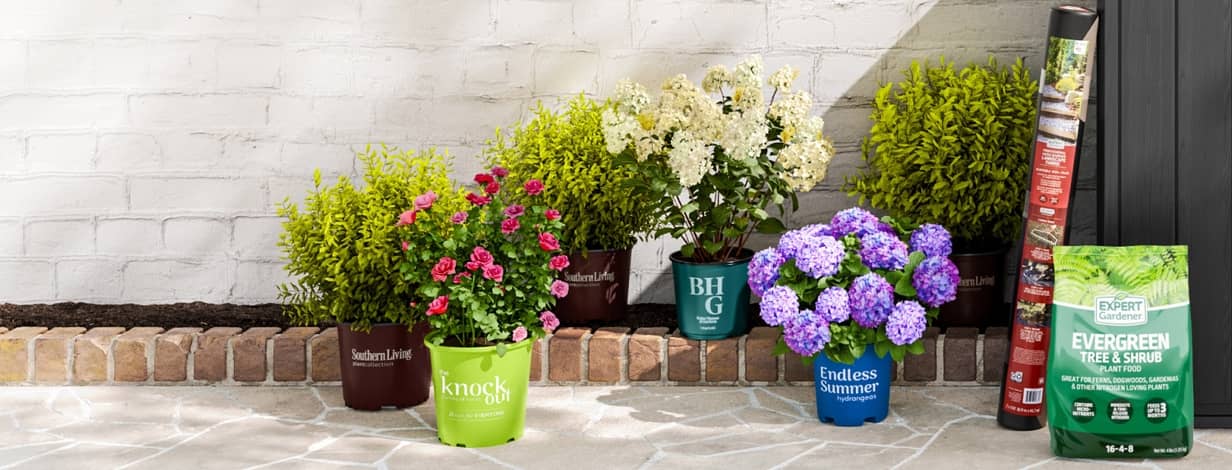
Live plants you’ll love
Easy-growing houseplants
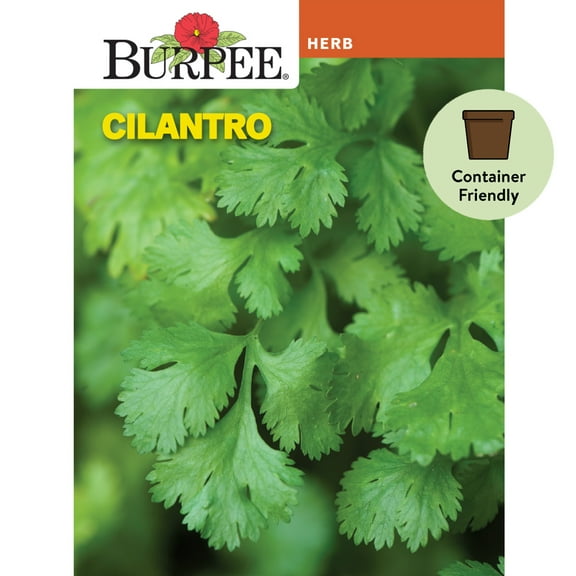
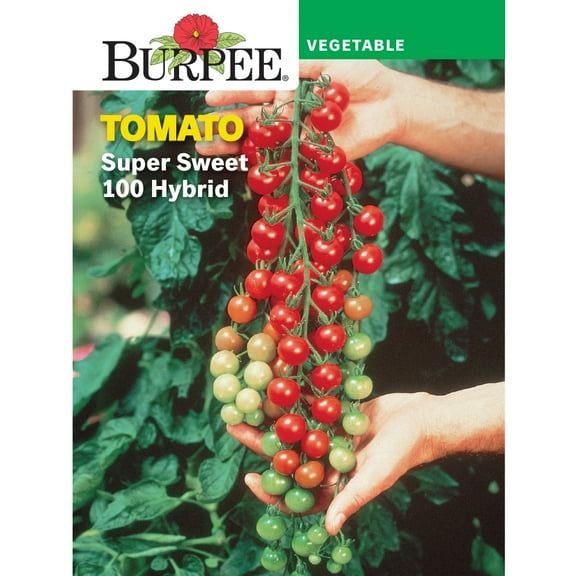
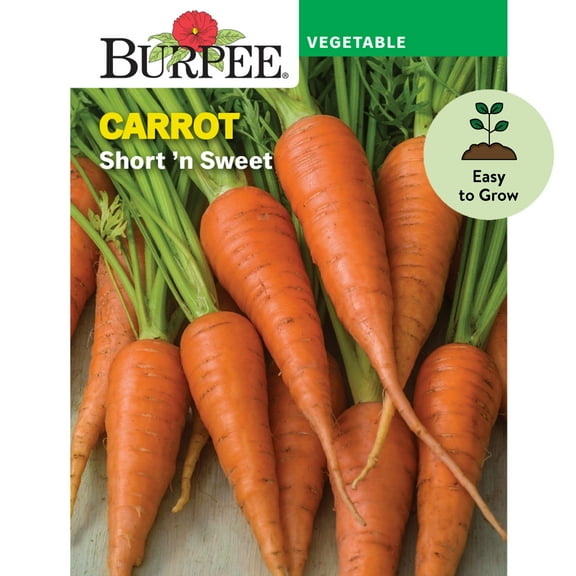
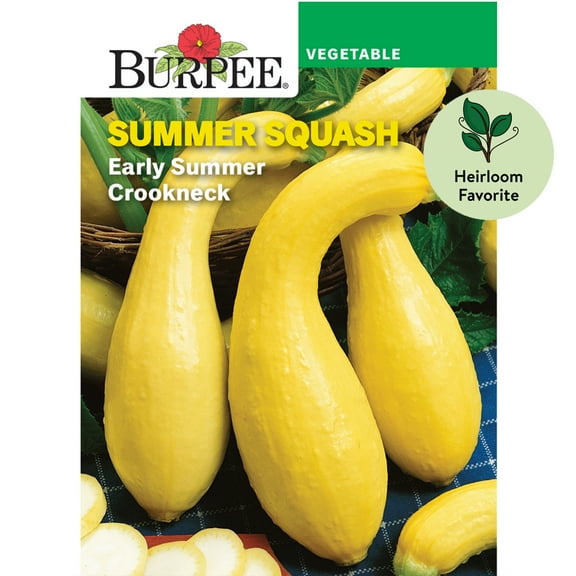
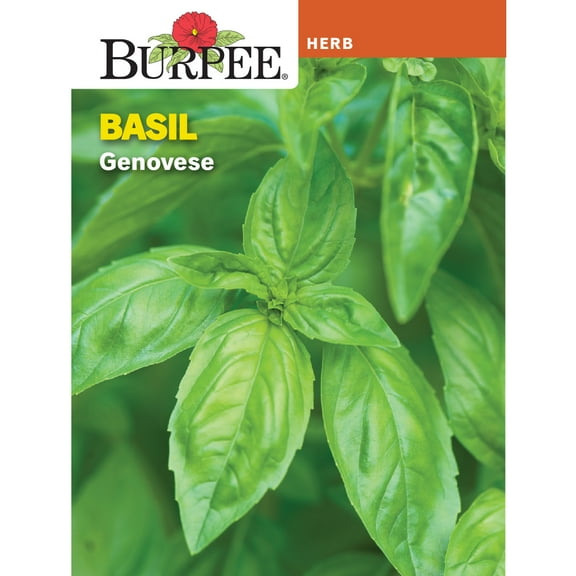
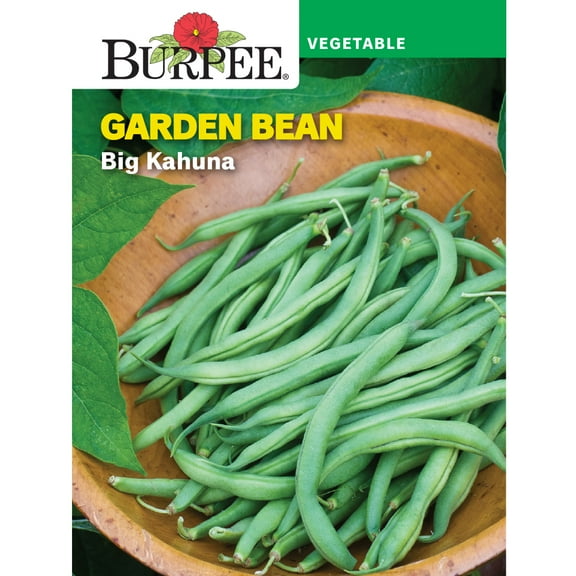
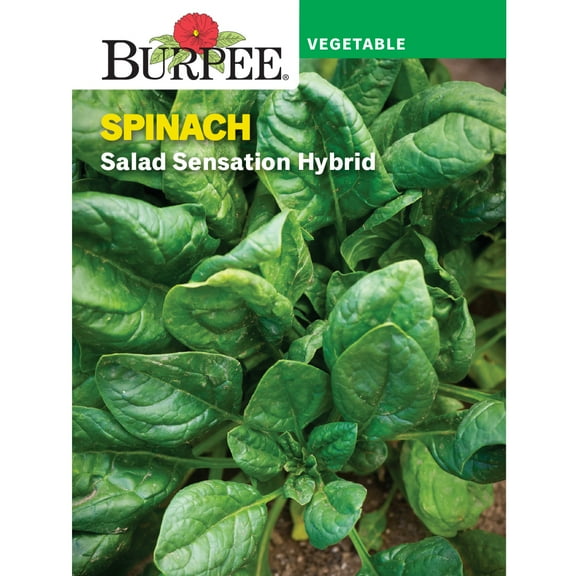
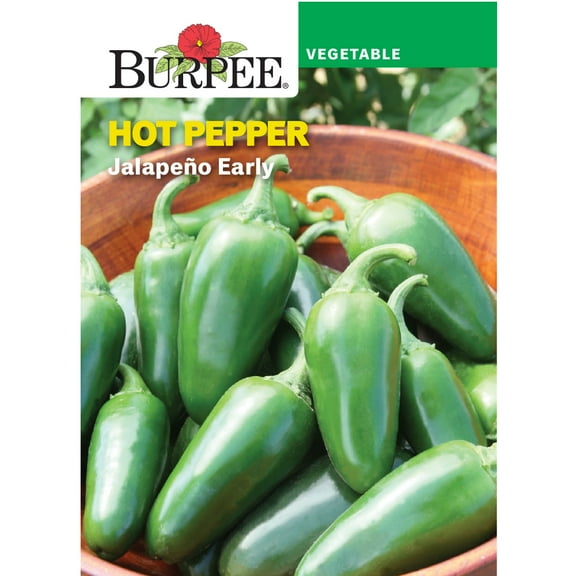
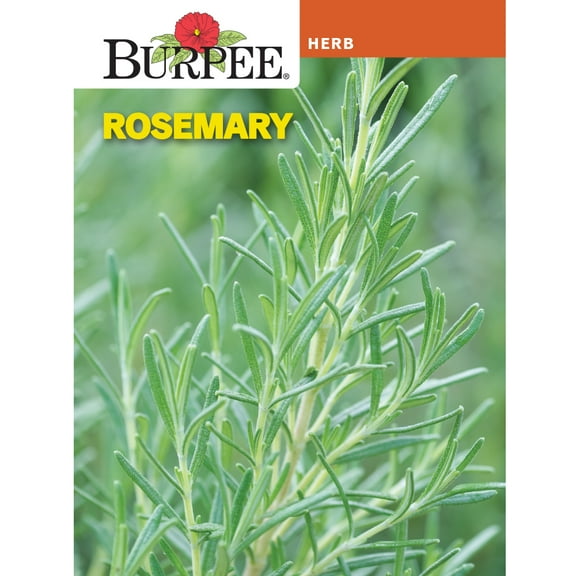
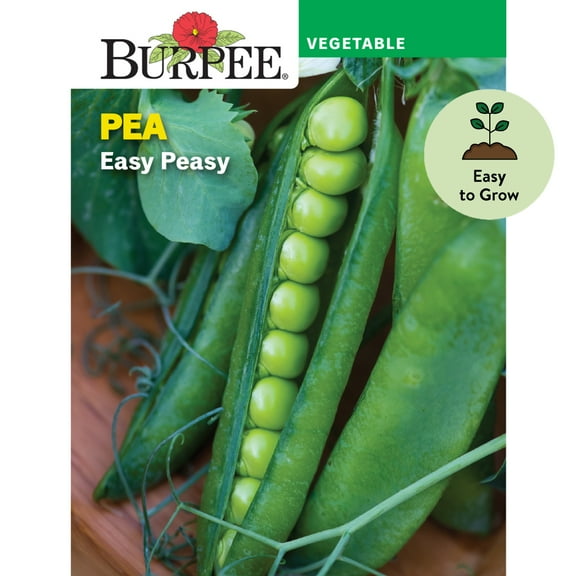
Easy seed gardening
Sow herbs, veggies, fruit & more.
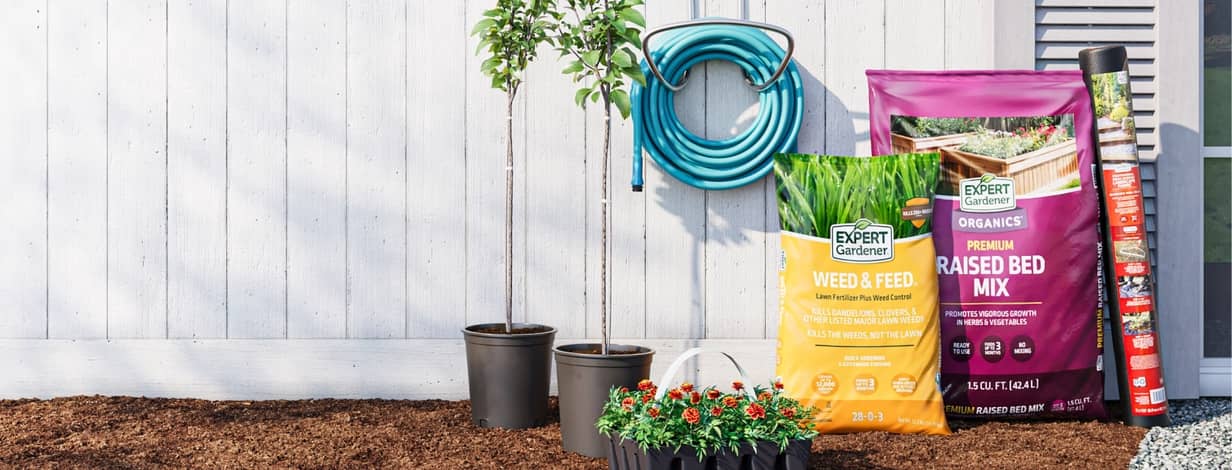

Garden brands to know
Ready, set, grow!


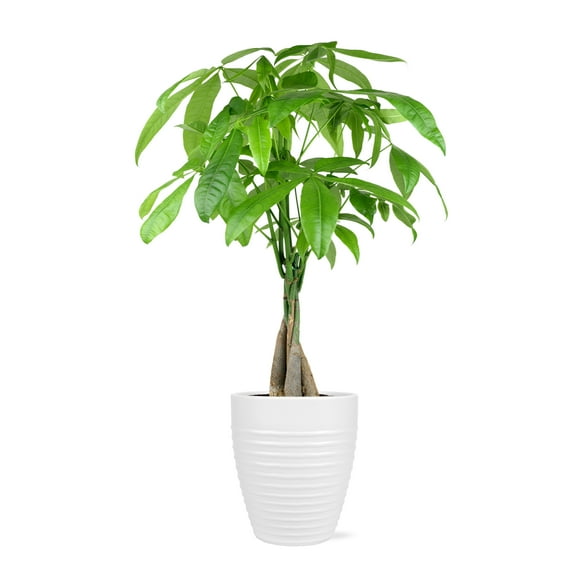
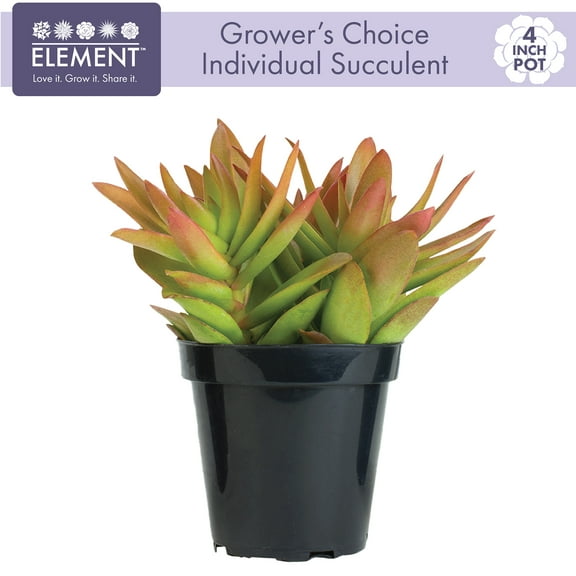
Trending houseplants

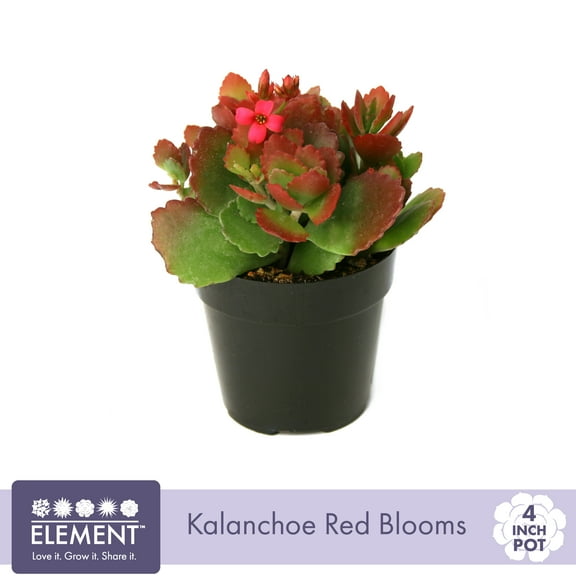
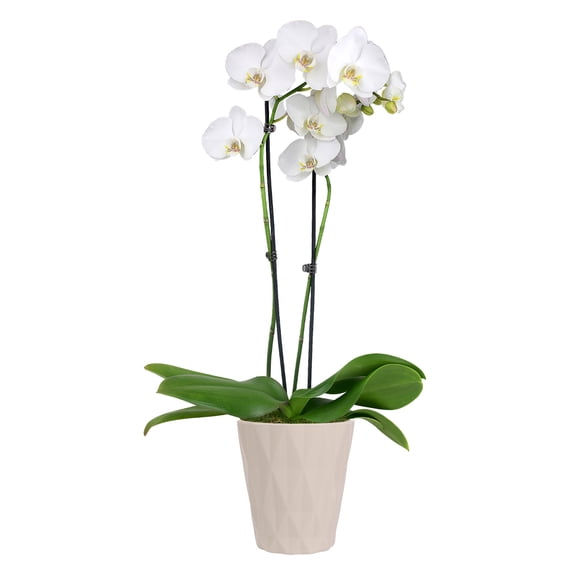
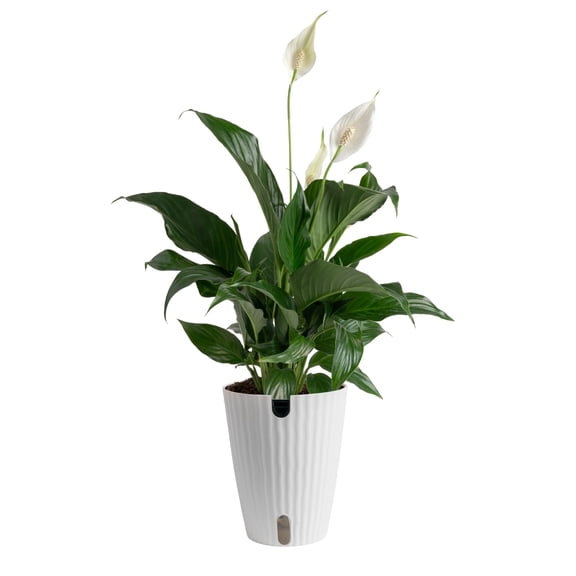
Grow your own way
FAQ
About Live Plants - Walmart.com
With Walmart plants, you can compare live plants for your space, your light, and your planting plans in one place. You can narrow indoor greenery, outdoor color, and potted styles while keeping pickup or delivery convenience in view.
If you’re deciding where to buy plants, this page gives you a practical way to compare key plant details. You can review plant type, container style, light needs, and watering habits before you choose.
How to choose Walmart plants by plant type
When you shop Walmart plants, you can start with the role each plant can play in your home or yard. You might choose indoor plants for shelves, desks, and corners that need living color.
For patios, beds, and entryways, you can compare outdoor plants by season, bloom style, and growth habit. You may also look at succulents, flowering plants, and foliage plants for different visual effects.
- You can use indoor plants to add greenery to rooms with steady temperatures.
- You can use outdoor plants to fill containers, borders, and porch displays.
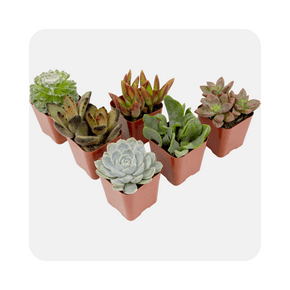
- You can choose succulents when you want sculptural shapes and simpler watering routines.
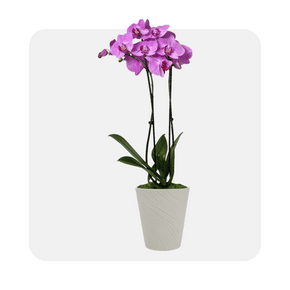
- You can pick flowering plants when you want color changes through the season.
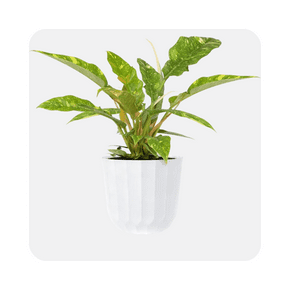
- You can select foliage plants when you want leaf pattern, texture, and year-round interest.
As you compare a live plant, you should think about placement before appearance alone. You’ll avoid mismatches when you match the plant type to your room, porch, or garden bed first.
Choosing live plants by container type
You can often narrow live plants faster by checking container type early in your search. You can choose potted plants when you want a setup that’s ready to place and style.
If you want height, you can compare hanging baskets for porches, hooks, and sunny windows. If you want planting flexibility, you can look at bare root options for garden beds.
With potted plants, you can usually see how the plant fits on a table, stand, or windowsill. You can also check whether your plant arrives in a nursery pot or a decorative container.
That detail matters when you’re deciding if you need an extra planter for your space. You’ll keep your setup simpler when you check potting status before you choose.
What to look for in live plants and light needs
You should match live plants to the light your space actually gets each day. You can look for full sun plants for bright outdoor spots and south-facing areas.
For gentler conditions, you can compare partial shade plants that handle mixed light through the day. In dimmer rooms, you can focus on low light options that suit offices, bedrooms, and hallways.
Watering needs are another useful filter when you’re balancing plant care with your routine. You can choose low water plants when you want less frequent attention between waterings.
If you enjoy regular care, you can compare moderate water and high moisture plants for kitchens, patios, and active growing areas. You’ll keep care simpler when you match moisture needs to your schedule.
When you’re looking for plants for quick access, you may also want faster local fulfillment and store availability. You can use those options to find live plants that fit your timing and your planting window.
Checking USDA hardiness zone and pet considerations
For outdoor planting, you should check USDA Hardiness Zone before you choose. You can use that rating to compare which plants match your region’s typical winter conditions.
If your area has colder winters, you can look for outdoor plants rated for lower zone numbers. If your climate stays mild, you can compare plants suited to warmer zone ranges.
Pet households often want clearer plant information before bringing greenery home. You can review product details and labels when pet considerations are part of your decision.
If your dog or cat explores leaves, pots, or soil, you should check each listing carefully. You’ll make a more confident choice when you confirm care notes and plant details first.
Matching live plant combinations to real spaces
You can pair low light foliage plants with potted containers for bedrooms, offices, and apartments. You can pair full sun flowering plants with porch planters when your entry gets strong daylight.
For a simple indoor update, you can combine succulents with small pots on shelves or desks. For a fuller porch look, you can use hanging baskets alongside larger outdoor containers.
If you’re planting a yard, you can compare outdoor options by zone, sun exposure, and watering habits together. You’ll build a more workable plan when those details line up from the start.
When you need a giftable option, you can look at potted plants that feel ready to display right away. When you want long-term garden flexibility, you can consider bare root choices for custom planting.
Why Walmart plants make plant shopping easier
You can use Walmart plants to compare live plants with the details that matter to you for daily care. You’ll move forward with more confidence when your plant type, light level, zone, and potting needs line up.
With those decisions handled early, you can bring home greenery that fits your room, your yard, and your routine. You’ll enjoy a smoother setup and a stronger start for every plant you choose.
Related Links
- All Indoor Plants
- Ferns
- Palm Plants
- Venus Fly Trap Plants
- Cacti Plants
- Peace Lily Plants
- Pothos Plants
- Jade Plants
- Bonsai Trees
- Bamboo Plants
- Snake Plants
- Succulent Plants
- Fiddle Leaf Figs
- Majesty Palm Plants
- Dracaena Plants
- Orchids
- Hanging Succulent Plants
- Aloe Vera Plants
- Money Tree Plants
- Spider Plants
- Philodendron
- Chia Pet Plants
- Artificial plants