



Adaptive Clothing & Sensory
Back to School


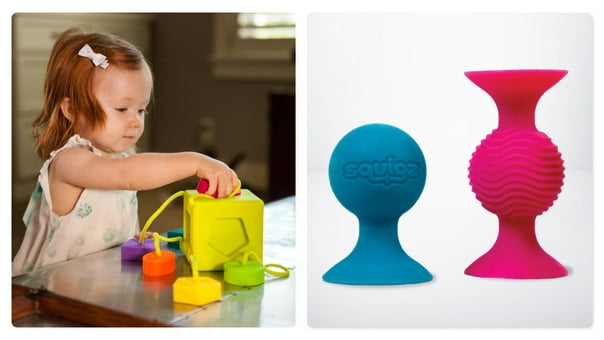
Sensory toys

Brands from the community


Gluten-free staples






Innovative solutions


Shop by need



Adaptive at Walmart
Uses external data. Price when purchased online


























FAQ
About Adaptive Clothing & Sensory-Friendly Products | Walmart - Walmart.com
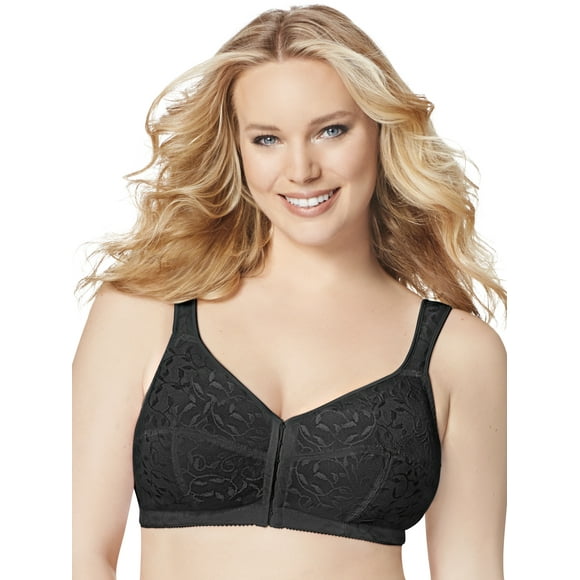
Adaptive apparel helps you dress with less effort while supporting comfort, access, and sensory needs in one place. You can also explore sensory-friendly products, including stress fidget toys and squishy textures, alongside easy-wear clothing choices.
If you’re comparing what stores sell adaptive apparel, you’ll want clear guidance on closures, fit, and fabric feel. You can use this hub to understand practical features like magnetic fronts, tagless finishes, and seated-fit shapes.
Choosing adaptive apparel by closure type
When you compare closure types, you should focus on how easily your hands can guide each opening. You may prefer magnetic fronts, hook-and-loop tabs, snaps, or slip-on designs based on daily routines.
Magnetic closures can help you align shirt fronts quickly with fewer steps during dressing. Hook-and-loop tabs can give you adjustable placement, while snaps and slip-on styles can simplify repeated outfit changes.
- You can choose magnetic closures when you want fast alignment on shirts, jackets, and dress styles.
- You can pick hook-and-loop closures when your fit needs change through the day.
- You can look for snaps when you want familiar openings with simple hand placement.
- You can choose slip-on styles when you want fewer fastening steps from the start.
Because this category includes adaptive clothing for different ages, you should compare closure placement as carefully as closure type. You may find side openings, front openings, and wide necklines useful for easier dressing access.
What to look for in sensory-friendly features
If fabric feel matters to you, sensory details can shape which pieces feel easier to wear all day. You can look for tagless labels, flat seams, soft fabric, and weighted options in select items.
Tagless construction can help you avoid scratchy neck labels during school, work, or travel. Flat seams can create a smoother interior feel, and soft fabric can make layers feel less distracting.
When you shop sensory & fidget squishy items, you should compare texture, firmness, and hand feel. You may prefer squeeze stress balls, a stress squeeze toy, or squish balls for kids during focused activities.
This hub also supports existing sensory searches with familiar terms shoppers already use online. If you’re seeking a hard sugar squishy or a needoh golf ball texture, you can compare similar tactile options here.
Comparing fit types for easier dressing
Fit type affects how clothing sits when you’re standing, seated, or moving between positions during the day. You should compare wheelchair-friendly cuts, seated fit shapes, and wide opening designs before you choose.
Wheelchair-friendly and seated fit styles can place extra room where your body needs it most. Wide openings can help you guide sleeves, pant legs, or necklines with less repositioning.
If you’re searching an adaptive clothing store near me, you’re often looking for practical access features first. You can use this page to compare those features online, including wide armholes, back overlaps, and easier waist access.
You should also think about how garments handle frequent wear and repeat washing cycles. You may want fabrics and seams that keep their shape after regular laundering and everyday use.
How material choices affect comfort and durability
Material changes how clothing and sensory items feel in your hand and against your skin. You can compare organic cotton, ultra-soft silicone, and non-toxic rubber based on use and texture preference.
Organic cotton can give you a familiar fabric feel for tops, pants, and sleepwear categories. Ultra-soft silicone and non-toxic rubber can give you squeezable textures for stress fidget toys and sensory play.
If you need clothing for repeated washing, you should check fabric care notes and seam construction. You may want pieces that hold up through frequent high-temp laundering and regular rotation.
For sensory products, you should compare surface texture and firmness before you choose a favorite feel. You can look for tear-resistant materials and easy-clean finishes when tactile play happens often.
Matching adaptive apparel and sensory items to daily routines
You might want easy-wear outfits for school mornings, work prep, travel days, or assisted dressing routines. You can pair slip-on or magnetic styles with soft fabric options when speed and comfort both matter.
For seated use, you may prefer wheelchair-friendly pants with easier access at the waist and hips. For sensory-sensitive wear, you can choose tagless tops and flat seams that reduce extra friction points.
You may also want sensory toys that fit into study breaks, waiting rooms, car rides, or desk time. You can compare squeeze stress balls, stress fidget toys, and squishy textures for quiet hand activity.
If you’re shopping for mixed household needs, this category can keep clothing and tactile options connected in one experience. You can support dressing ease and sensory preferences without switching between unrelated product types.
With adaptive apparel and sensory-friendly products together, you can compare closure, fit, feel, and material with clearer confidence. You leave with options that support easier dressing, smoother comfort, and reliable tactile routines.
Related Links
- Adaptive backpacks
- Adaptive clothing & shoes
- Adaptive sports equipment
- Adaptive tableware
- Bath safety
- Bedroom safety & aids
- Braces & support
- CPAP products
- Daily living aids
- Glasses & vision aids
- Hearing aids & amplifiers
- Inclusive learning
- Incontinence
- Mobility aids
- Physical therapy aids
- Smart home assistants