

Social Themes Kids' Books
























About Social Themes Kids' Books - Walmart.com
Children's books on social themes help you start meaningful conversations with stories that fit your child's age, reading level, and daily experiences. You'll find guidance for feelings, friendship, inclusion, and school moments in formats that suit bedtime, class time, and independent reading.
How to choose children's books on social themes
When you compare children's books on social themes, you should first match the core lesson to your child's current situation. You can look for stories about sharing before playdates, friendship before a new school year, or kindness during classroom changes.
You should also check whether the reading level fits how your child listens or reads. Board books support short read-aloud moments, while picture books and early readers give you more story detail.
Another key decision is representation in the story world. You may prefer books with diverse and inclusive characters because they help your child see many family structures, cultures, and perspectives.
Choosing by theme: kids books about feelings and social lessons
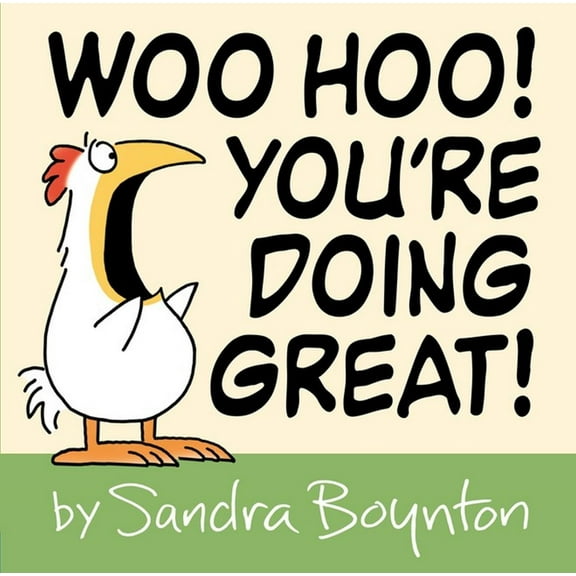
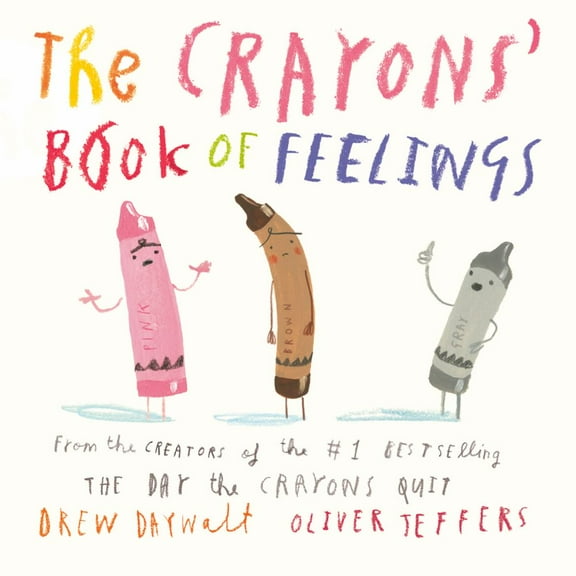
Kids books about feelings can help you name emotions in simple, age-appropriate language. You can use these stories to talk about excitement, frustration, jealousy, worry, or pride without making the conversation feel forced.
If your child is working on peer relationships, you may compare children's books on friendship with books about sharing for kids. You can choose one theme for a focused lesson or rotate themes across the week.
For school challenges, you may look at kids books on bullying and stories about classroom dynamics. You can pair those books with discussion questions about kindness, boundaries, and respectful choices.
- You can match a book's lesson to a real moment, like a new sibling, first classroom, or friendship change.
- You can choose empathy books for children when you want stories that show different viewpoints and emotions.
- You can compare inclusion themes when you want books that reflect diverse identities and everyday experiences.
- You can use sharing and friendship stories for group reading, circle time, or bedtime conversations.
Choosing the right age range and format
You should measure age fit by both attention span and comprehension. Toddlers often need short, rhythmic text, while preschool and early reader groups can follow more layered feelings and social situations.
For toddlers from zero to three, you may look for board books with sturdy pages and simple expressions. You can turn those pages quickly during short routines and repeat key words easily.
For ages three to five, picture books often give you fuller scenes, emotional cues, and discussion prompts. You can pause on the illustrations to talk about faces, body language, and choices.
For ages six to eight, you may compare early readers and short paperbacks with school-centered plots. You can use those stories when your child starts handling friendships, teamwork, and classroom expectations independently.
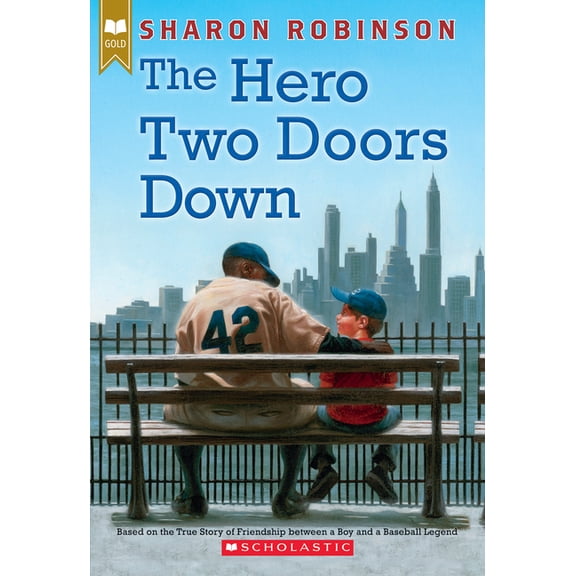
For ages nine to 12, middle grade titles can give you deeper character growth and more complex social conflicts. You can choose those books when your reader wants nuanced stories about identity, belonging, and responsibility.
Format matters when you plan where and how you'll read. Hardcover options often work well for repeat classroom use, while paperbacks can feel easy to carry in backpacks or reading bins.
What to look for in social emotional learning books for kids
Social emotional learning books for kids should connect clear lessons with relatable situations. You can look for stories that show taking turns, listening, apologizing, including others, or naming emotions in realistic moments.
You may also compare books by educational concept. Social emotional learning titles often focus on self-awareness and relationships, while growth mindset stories highlight effort, persistence, and learning from mistakes.
Character education books can support lessons about honesty, responsibility, and respect. You can use these themes when you want story time to reinforce classroom expectations or family routines.
If you plan to read aloud to a group, you should check whether the story has strong illustrations and a clear page-to-page flow. You can keep children engaged when the message unfolds through actions, not only explanation.
For bedtime reading, you may prefer a calmer tone and familiar daily scenarios. You can build connection through stories about feelings, siblings, school transitions, and small acts of kindness.
Matching book choices to real-life moments
You can choose children's books on social themes for many everyday situations that call for gentle guidance. A friendship story can fit before a playdate, while an emotions title can fit after a big day at school.
When your child starts preschool or changes classrooms, you may focus on school life and inclusion themes. You can introduce routines, cooperation, and meeting new peers through stories with familiar settings.
If your classroom needs shared discussion, you may choose picture books with broad themes and expressive art. You can invite children to notice how characters feel, what choices they make, and how conflicts change.
For individual reading, you may pick early readers or middle grade stories that let your child reflect privately. You can support growing independence while still opening space for later conversation.
You may also build a small home library around recurring needs. You can keep children's books on friendship, empathy books for children, and books about sharing for kids ready for regular reading.
When you choose thoughtfully by theme, age range, format, and educational concept, story time becomes easier to plan and easier to use. You'll gain books that help your child understand feelings, relationships, and everyday social moments with more clarity.