

Military History Books in History Books






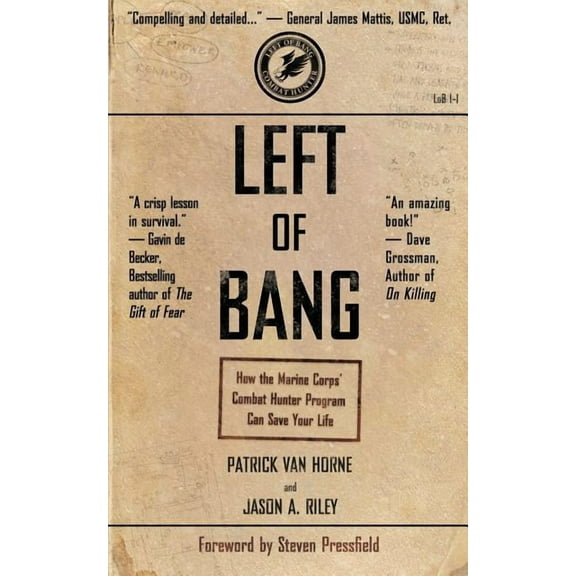
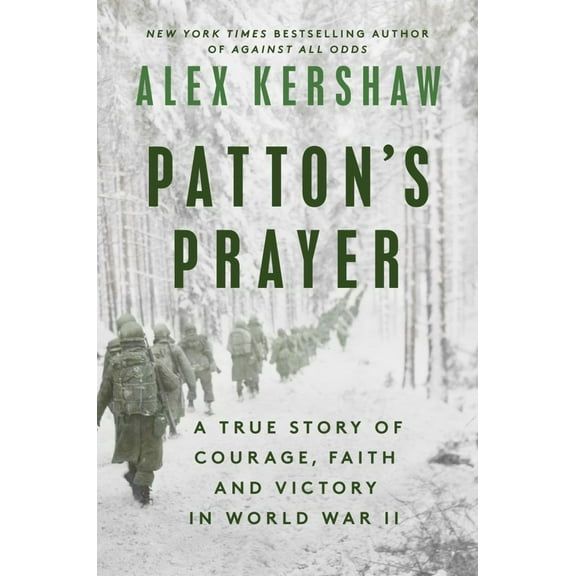












About Military History Books in History Books - Walmart.com
Military history books help you explore battles, strategy, and leadership across eras. You can compare readable narratives, research-focused studies, and illustrated editions that match your interests.
If you're building a focused reading list, you can sort by era, branch, format, and narrative style. You can also narrow your options by maps, unit detail, and military biographies.
How to choose military history books
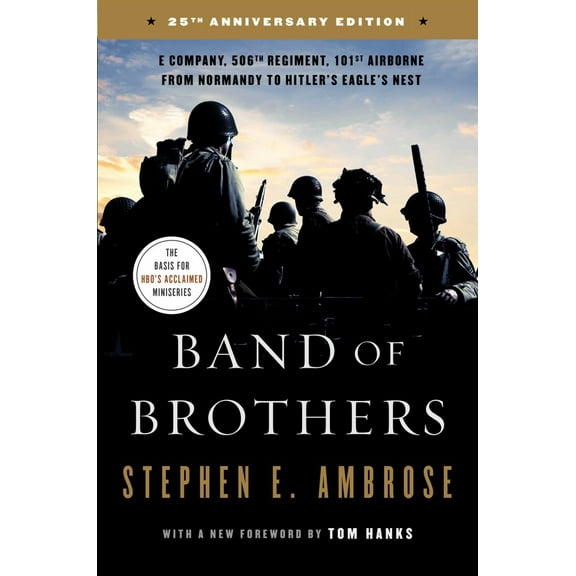
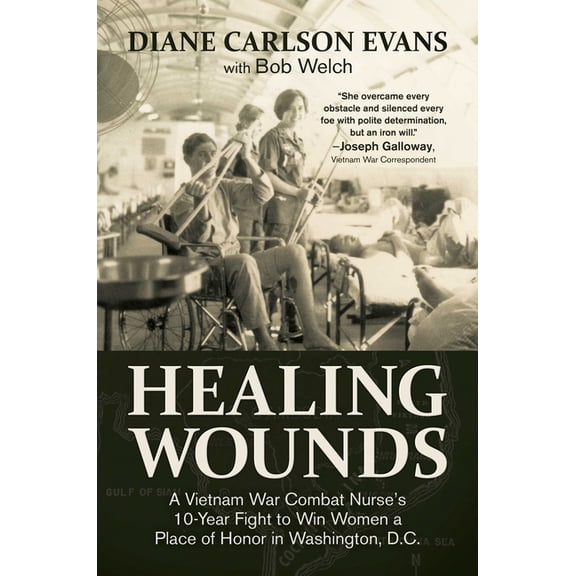
When you choose military history books, you should start with the historical era that holds your attention. You may want world war 2 history books, Civil War campaigns, World War I trench warfare, Vietnam War accounts, or ancient warfare studies.
You should also compare how each title presents history. You may prefer military history nonfiction with citations and analysis, or you may want a faster narrative that keeps pages moving.
For deeper study, you should check whether a book includes campaign maps, order of battle diagrams, and unit breakdowns. You can find those details especially useful when you want tactical context, not just a broad timeline.
Choosing by historical era
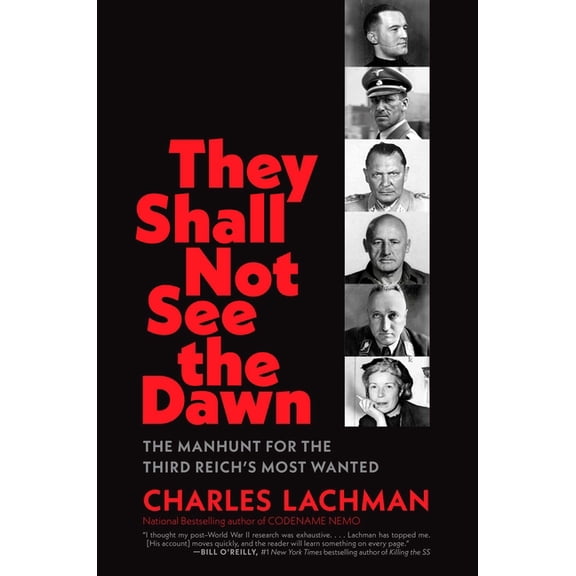
If you want large-scale campaigns and global perspectives, you can start with world war 2 history books. You may often find books on armored warfare, air campaigns, codebreaking, island battles, and command decisions.
If American conflicts interest you, you can look at civil war history books with battlefield analysis and political context. You may also compare books focused on generals, regiments, reconstruction, and battlefield maps.
You can expand your shelf with World War I studies, Vietnam War accounts, or ancient warfare titles. You can gain a wider view of how weapons, leadership, and logistics changed across centuries.
- You can use World War II titles for campaign-by-campaign reading.
- You can use Civil War titles for American battlefield and leadership study.
- You can use World War I and Vietnam books for modern conflict transitions.
- You can use ancient warfare books for early strategy and empire context.
Choosing by branch and tactical focus
You should choose books by military branch when you want a narrower lens on combat history. You may prefer army and infantry studies, naval history books, aviation accounts, or special forces operations.
If sea power interests you, you can look for naval warfare titles with fleet movements, ship classes, and major engagements. You can understand how convoy routes, carriers, and maritime strategy shaped wider conflicts.
If ground combat matters most to you, you can compare books with unit movements, terrain analysis, and command structure. You may often see order of battle diagrams that clarify where divisions and regiments fit.
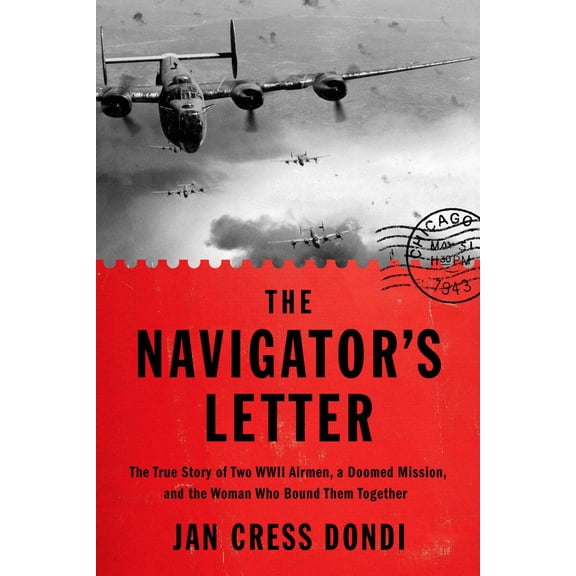
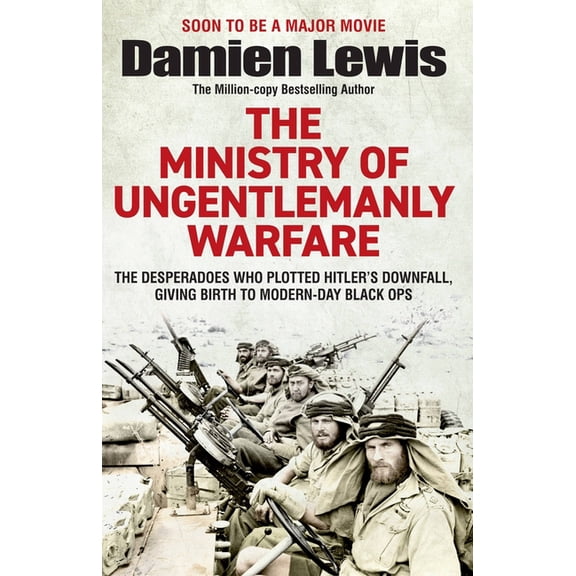
If air campaigns interest you, you can look for books covering bomber missions, fighter development, and air superiority planning. If you follow special operations, you can choose titles centered on raids, reconnaissance, and mission planning.
Comparing format and military history nonfiction
You should match book format to how and where you read. You may like paperback for travel, hardcover for display and map-heavy pages, eBook for quick access, or audiobook for commuting.
Hardcover editions often suit you when you want detailed illustrations, photo sections, or larger campaign maps. Paperback editions can work well when you want lighter books for frequent reading sessions.
You should also compare narrative genre before you decide. You may want military history nonfiction for documented analysis, military biographies for personal viewpoints, or tactical studies for battle planning detail.
If you enjoy character-driven reading, you can choose memoirs and military biographies from commanders, soldiers, pilots, and sailors. If you want framework and interpretation, you can choose academic histories with notes and source references.
Matching military history books to your reading goals
If you're new to the category, you should start with readable overviews that explain major battles and leaders clearly. You can build context first, then move into campaign-specific studies with denser detail.
If you're a collector, you may look for hardcover editions with archival photos, foldout maps, and strong visual presentation. You can appreciate formats that support repeated reference and shelf display.
If you're researching one campaign, you should compare titles with maps, timelines, and unit-level explanations. You can get more from a focused study when troop movements and command decisions are easier to follow.
If you enjoy personal stories, you can choose memoirs, letters, and military biographies that connect events to lived experience. You can see how individuals interpreted battles, leadership, and daily military life.
For classroom support or structured study, you can choose military history nonfiction with citations, glossaries, and chronological organization. You may find those elements useful when you want to track events with clarity.
When you want broader variety, you can combine era-based books with branch-specific titles and biographies. You can create a reading list that covers strategy, equipment, leadership, and personal perspective together.
What to look for before you decide
You should check whether a book balances accuracy with readability in a way that fits your goals. You may want dense documentation for study, or you may want a narrative style for steady reading.
You should compare tables of contents, map coverage, and subject focus before choosing. You can feel more confident when your selection matches your era, branch, and detail preferences.
Military history books give you a structured way to study conflict, leadership, and change across time. You can choose titles that fit your reading habits and deliver the depth you want.