

Children's Coming of Age & Growing Up Books




















About Children's Coming of Age & Growing Up Books - Walmart.com
Growing up facts of life books help you introduce body changes with clear language and steady guidance. You can compare ages, topics, and formats to match your child’s stage and reading style.
How to choose growing up facts of life books by age
You should start with age range because developmental stages shape how much detail feels useful. You can look for simple wording for younger readers and fuller explanations for older kids.
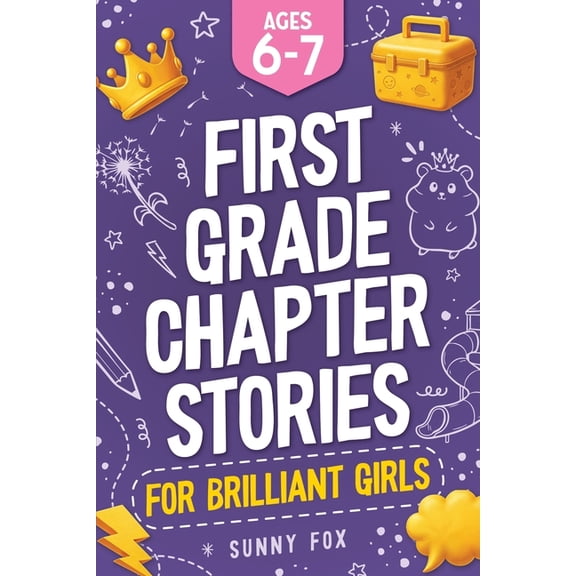
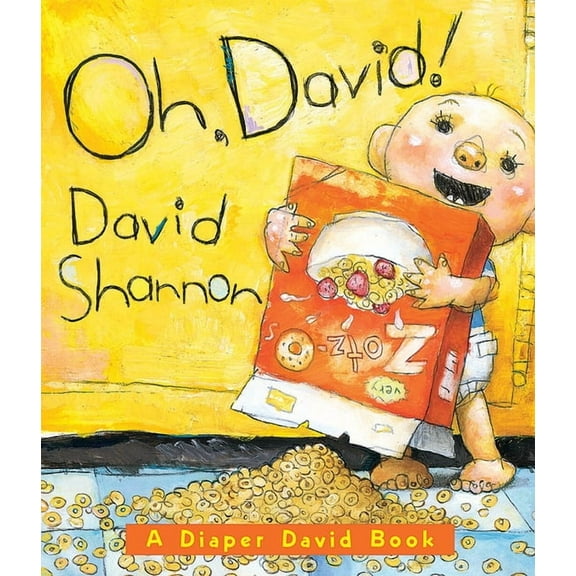
For ages four to eight, you may prefer books that use basic anatomy words and everyday routines. You can keep early conversations calm with short pages, gentle tone, and shared reading support.
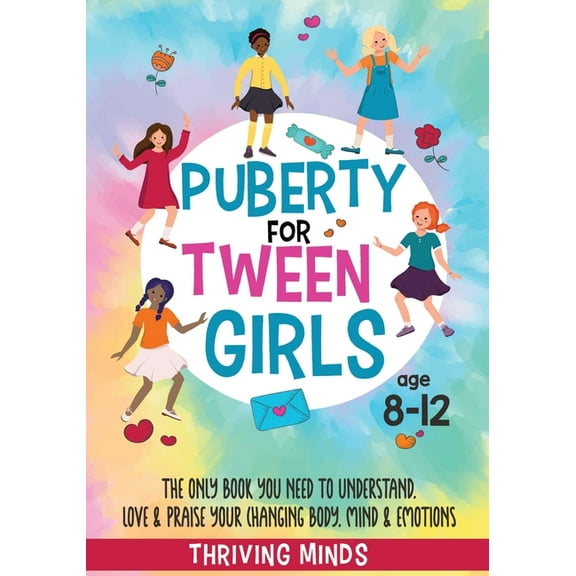
With ages nine to 12, you may want puberty books for kids that explain body changes step by step. You can compare reading level, diagrams, and question-friendly layouts for more independent learning.
For teens, you may look for broader growing up guide options with direct explanations and organized chapters. You can choose books that respect privacy while still making shared discussion easier.
What to look for in focus subject and tone
You can narrow facts of life books by the exact topic your family wants to cover first. You may choose puberty, emotional changes, anatomy, or hygiene based on current questions.
Tone matters just as much as subject when you’re planning sensitive conversations. You can compare gentle, scientific, or conversational styles to fit your child’s comfort and attention span.
- You can use puberty titles when your child wants clear explanations about changing bodies and daily routines.
- You can choose anatomy-focused books when you want accurate terms presented in a readable way.
- You can pick hygiene topics when you’re introducing deodorant, bathing habits, skin care, or period basics.
- You can select emotional changes books when you want language for moods, privacy, and social situations.
You may also compare how books balance anatomical accuracy with general guidance. You can use that difference to match whether your child needs detailed answers or a softer overview.
Choosing puberty books for kids and shared reading style
You should decide whether you want a book for parent-child reading or solo reading time. You can often tell by chapter length, page design, and how directly the book speaks.
If you plan to read together, you may prefer shorter sections that pause naturally for discussion. You can keep conversations moving with prompts, labeled illustrations, and plain definitions.
If your child reads alone, you may want stronger chapter structure and a steady explanatory voice. You can look for indexes, glossaries, and topic headings that make questions easier to revisit.
You may also compare audiobook, paperback, and hardcover formats before you choose. You can use audiobooks for listening together, while print formats help with page marking and rereading.
Comparing growing up books for boys, girls, and unisex readers
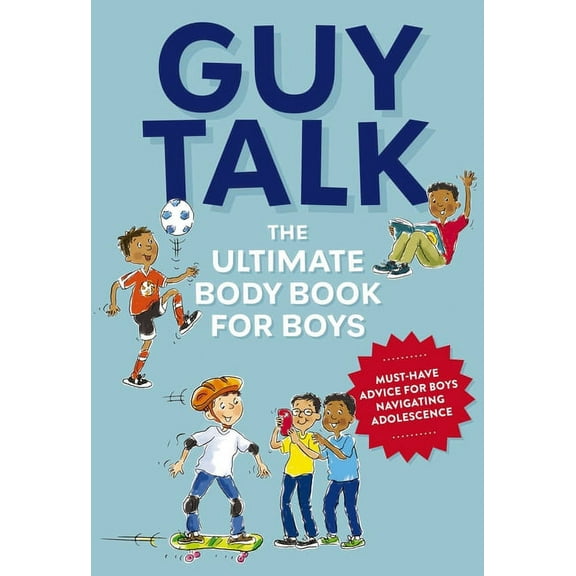
You can shop growing up books for boys, growing up books for girls, or unisex titles. You should use that choice to match how specific or broad you want the discussion.
Some families want books that focus on one developmental path with tailored examples and routines. You can also choose unisex books when you want shared vocabulary across siblings.
You may find targeted books helpful when your child wants direct answers about topics tied to one body pattern. You can use broader books when your family prefers inclusive explanations and side-by-side comparisons.
As you compare options, you should check whether the language feels respectful and easy to follow. You can often spot a good fit when the examples match your child’s maturity.
Using growing up facts of life books in real situations
You can use these books before school health lessons, during early puberty questions, or when routines begin changing. You may keep one nearby for quick check-ins after class discussions.
Before a first period conversation, you may want a book with diagrams, hygiene guidance, and calm wording. You can make the topic less awkward with clear sections and familiar terms.
When your child asks about body odor, shaving, or skin changes, you may prefer focused hygiene coverage. You can answer practical questions without jumping into topics that feel too advanced.
If your child seems curious about privacy, friendships, or mood shifts, you may choose emotional changes titles first. You can support those talks with examples that feel grounded in everyday life.
For siblings at different ages, you can compare age ranges and choose more than one reading level. You can keep everyone informed without forcing one book to cover every stage.
You can feel more prepared when your books match age range, focus subject, audience, and format. Your choice can turn a difficult talk into a clear, steady conversation your child can revisit.