

Children's Art Books for Creative Kids
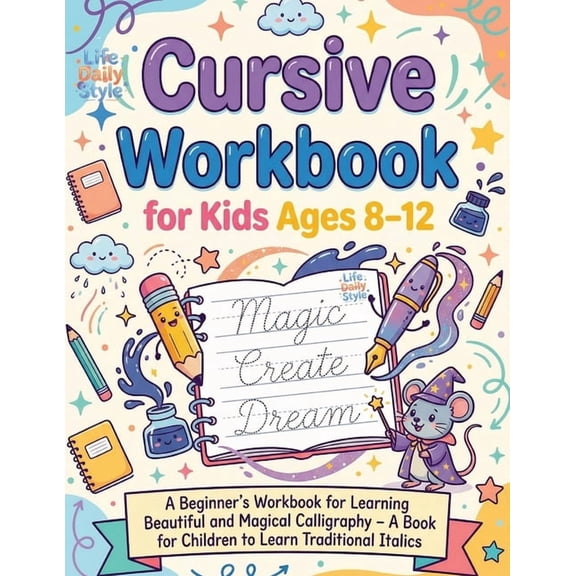


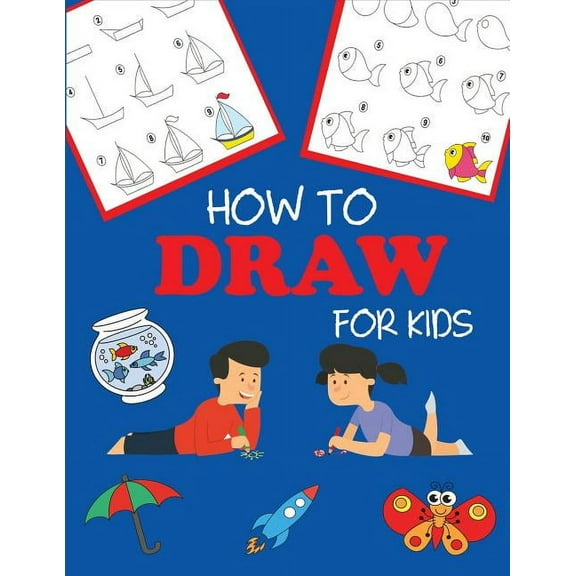
















About Children's Art Books for Creative Kids - Walmart.com
Art books for kids help you turn free time into creative practice with clear projects, age-based guidance, and screen-free activities you can start at home. You can compare drawing, painting, sculpting, and crafts in one place, so your child’s next book fits their age, interests, and skill level.
How to choose art books for kids
When you choose art books for kids, you’ll want to start with age appropriateness and instruction style. You can avoid frustration by matching simple prompts to younger readers and longer lessons to older kids.
For toddlers and preschool readers, you may prefer bold pictures, short directions, and easy mark-making activities. For ages four to eight, you can look for tracing, coloring, and guided projects with familiar shapes.
As your child grows, you may want books with layered lessons, perspective basics, or themed projects. You can often match ages nine to 12 with more detailed step by step drawing books.
Choosing the right art medium
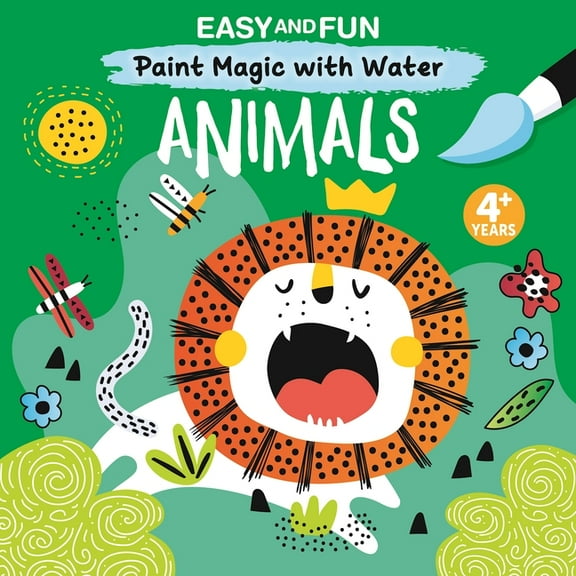
You can narrow your options faster by choosing the art medium your child prefers. You may see kids drawing books, painting books for kids, sculpting guides, and craft books for kids across this category.
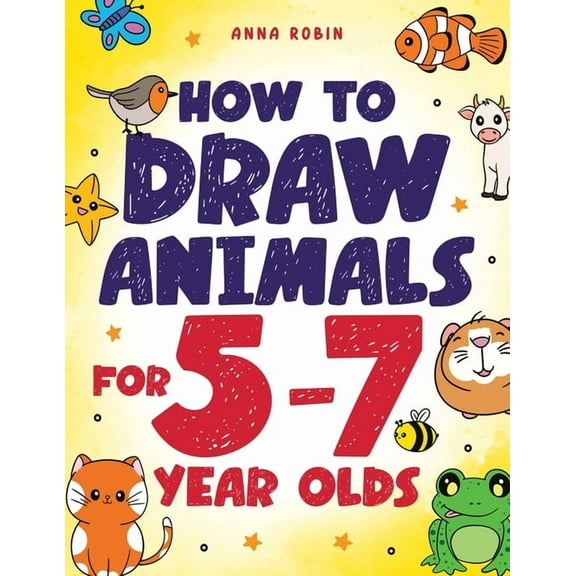
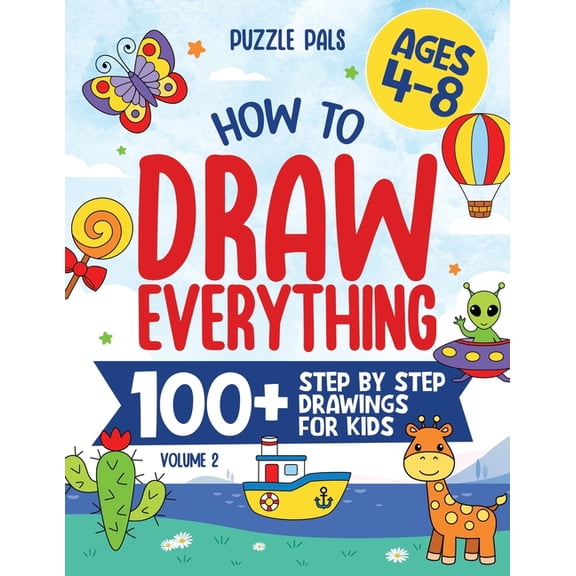
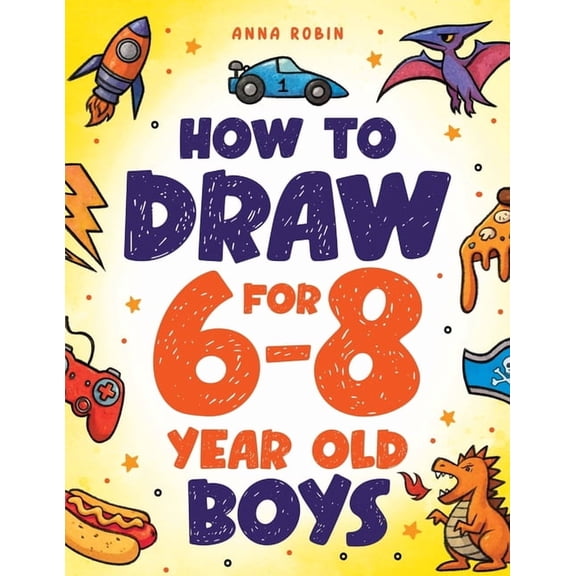
If your child likes pencils, markers, or sketch pads, you can focus on drawing titles first. You’ll often find how to draw books for kids with animals, characters, landscapes, and everyday objects.
When your child prefers brushes and color mixing, you can compare painting books that explain tools and simple techniques. If your child likes hands-on projects, you may lean toward crafts or sculpting activities.
- You can choose drawing books for line practice, shapes, shading, and guided sketches.
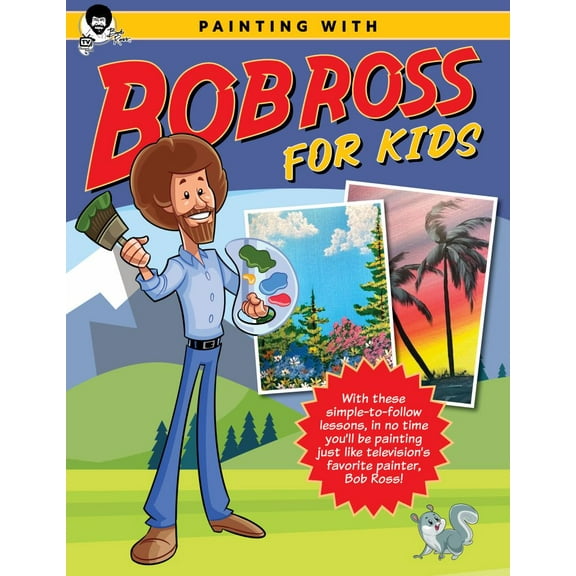
- You can choose painting books for color play, brushwork, and easy project ideas.
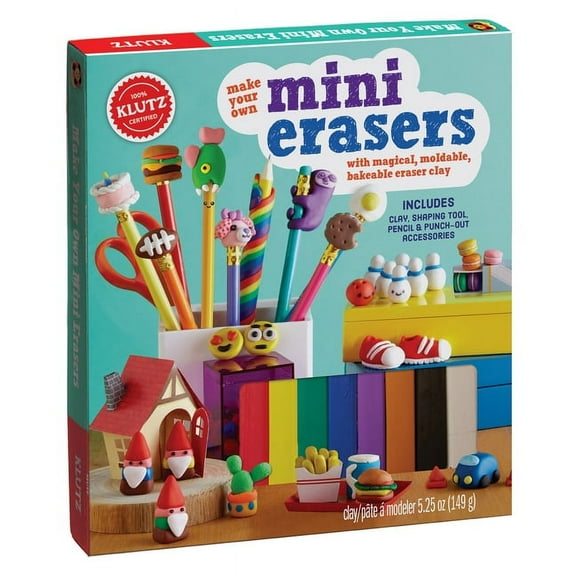
- You can choose sculpting books for clay shapes, texture, and three-dimensional making.
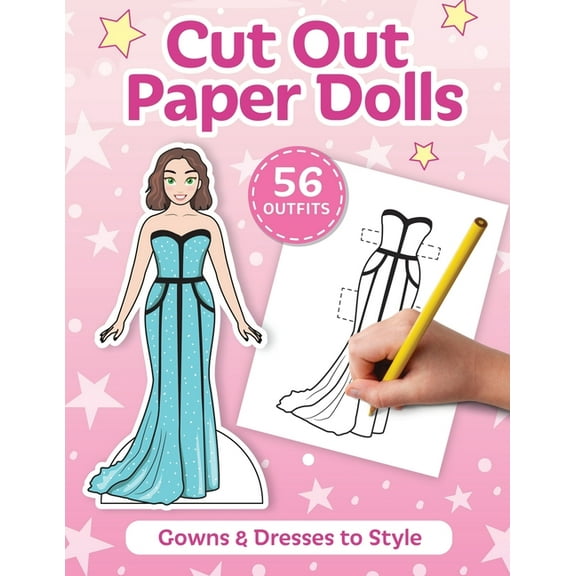
- You can choose craft books for paper projects, cutting, folding, and seasonal activities.
Comparing age groups and skill levels
You should check age group labels before you compare covers or themes. You can use those labels to judge pacing, reading level, and how much independence your child may need.
Beginner books usually give you short steps, large visuals, and familiar subjects. Step-by-step guides help you follow each stage clearly, which works well when your child wants visible progress.
Intermediate books often add proportion, texture, layering, or mixed-media ideas. You can choose those when your child already enjoys regular art time and wants more challenge.
What to look for in format and materials
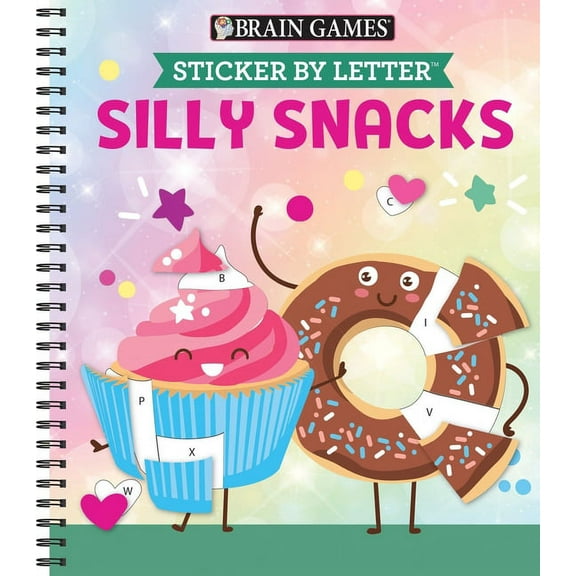
You can also compare format because it changes how your child uses the book. Paperback books feel easy to carry, hardcover books hold up well, and spiral-bound books can lie flatter during projects.
If you want an all-in-one experience, you may notice activity kit options with tools or project pieces included. You should still check whether your child needs basic crayons, paper, paint, glue, or clay.
Required materials matter because you may want projects that start with supplies already in your home. You can often find craft books for kids that use simple paper goods, washable markers, and everyday classroom staples.
Matching instruction style to your child
You can get more use from a book when the teaching style matches your child’s attention span. Some children follow visual sequences easily, while others prefer prompts, examples, and room to improvise.
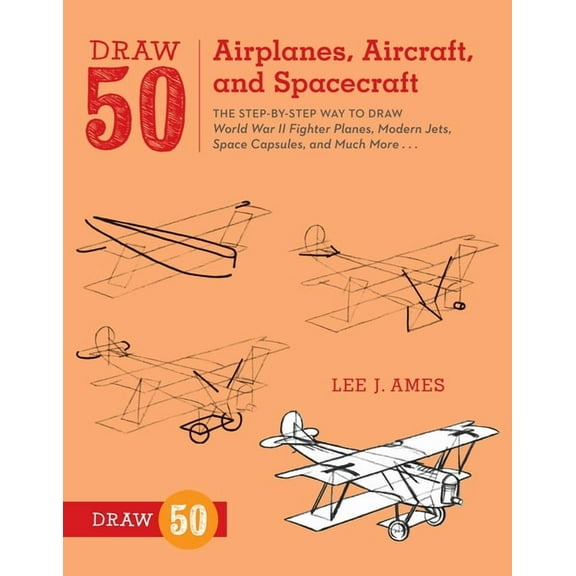
How to draw books for kids usually work well when your child wants structure and repeatable practice. You’ll often see numbered images that show how a circle, line, or oval becomes a finished picture.
Children’s art history books can fit when your child enjoys stories behind artists, styles, or famous works. You can pair those with drawing or painting titles when you want both inspiration and hands-on making.
Use cases for home, school, and seasonal projects
You can use these books for quiet afternoons, classroom centers, rainy weekends, or travel activities. They also help you plan screen-free routines that give your child a clear project to finish.
During summer, you may want summer craft books for kids with simple materials and flexible project times. Around holidays, you can choose holiday art activities for kids with cards, ornaments, decorations, or themed drawings.
If you teach at home or support classroom learning, you can use art books to build practice by topic. You might choose step by step drawing books for skill-building, then add crafts for variety.
For siblings with different ages, you can compare books by age group and difficulty before you decide. You’ll find it easier to keep everyone engaged when projects match attention span and hand skills.
When your child wants to draw every day, you can pick kids drawing books with repeatable exercises and themed prompts. If your child prefers making gifts or decorations, you can focus on craft-centered formats.
Why this category works for creative learning
You can use this category as a practical guide to medium, age group, format, and skill level before you choose. With the right fit, you can give your child clear creative direction, simple material planning, and more finished projects to feel proud of.