

Business & Money Books in Books


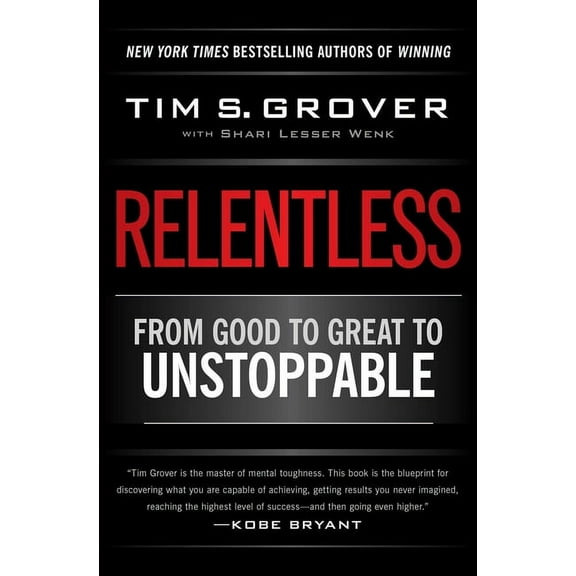
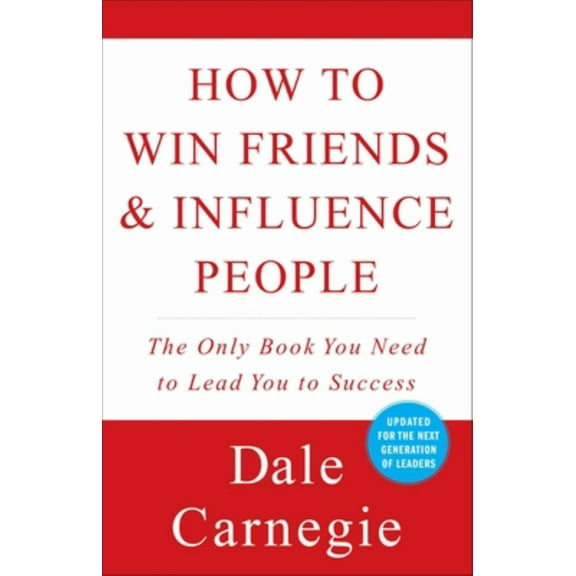

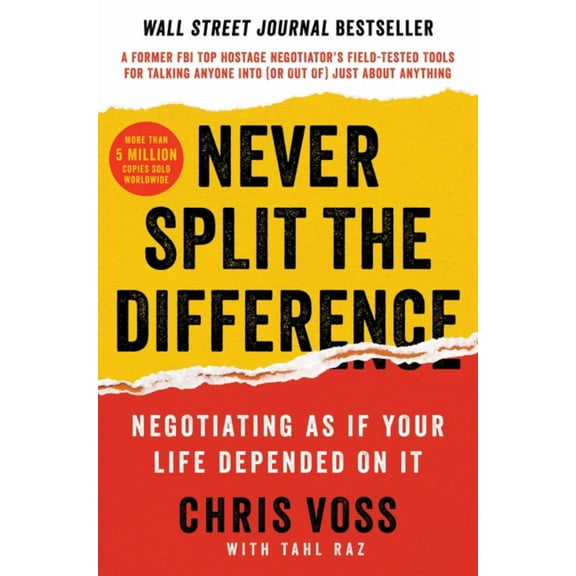






















About Business & Money Books in Books - Walmart.com
Business books help you sharpen money skills, leadership habits, and strategy thinking in one place. You can compare topics, formats, and skill levels, so your next read fits your goals.
How to choose business books by topic
You should start with the topic that matches your current focus. Your options may include personal finance, leadership, investing, economics, and management.
If you want practical money habits, you can compare personal finance books with investing books. You’ll usually find budgeting, saving, and long-term planning in one group, while market-focused titles go deeper.
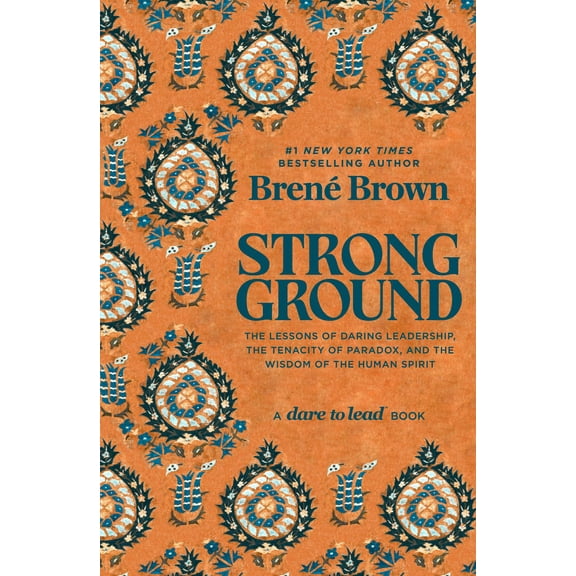
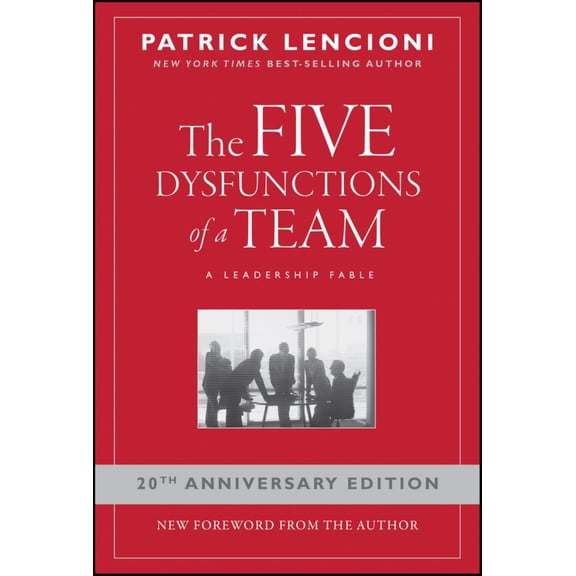
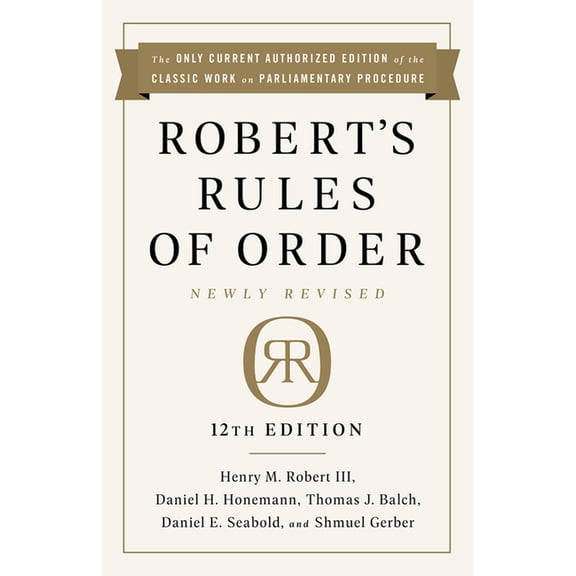
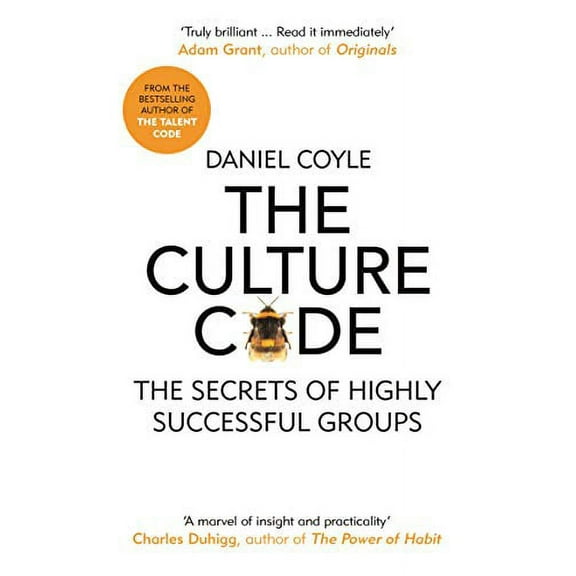
When your work centers on people and teams, you may prefer leadership books or management books. You can use leadership titles for communication and motivation, while management guides often cover planning, hiring, and operations.
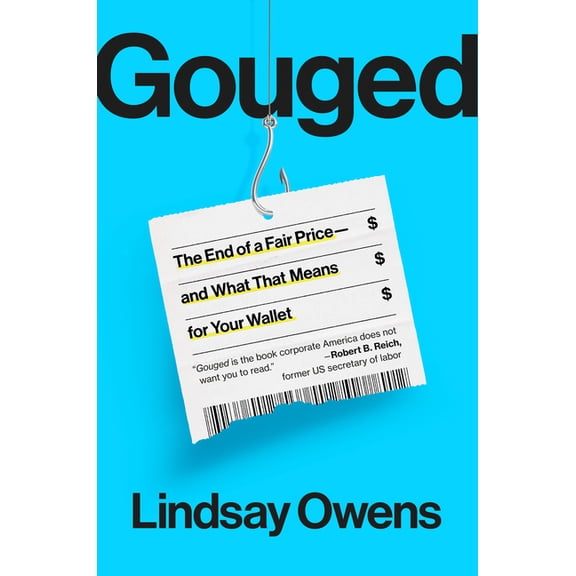
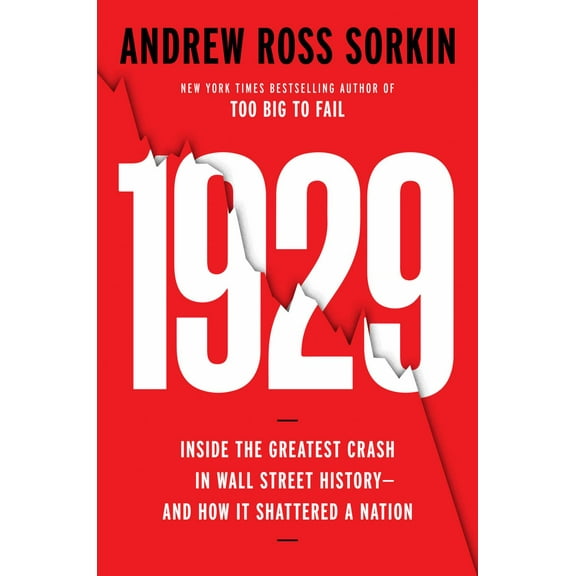
For broader market context, you can look at economics books and stock market books. You’ll often see economics titles explain systems and trends, while stock market books focus on investing decisions and market concepts.
- You can narrow your search faster when you pick a clear subgenre first.
- You can match your reading to wealth building, career growth, or academic study.
- You can avoid overlap by comparing leadership, management, finance, and market-focused topics.
Choosing the right format for your routine
You should compare format options based on how and where you read. Your choices may include paperback, hardcover, audiobook, and e-book editions.
If you like underlining pages and adding sticky notes, you may prefer paperback books. You may choose hardcover copies when your shelf space matters and your collection needs a sturdy reference book.
When your schedule includes commuting, workouts, or errands, you might choose an audiobook. You can switch to an e-book when you want quick access across devices and adjustable text sizes.
You should also check whether a format supports your learning style. You may retain charts, tables, and highlighted passages differently in print than in audio.
Matching skill level to your experience
You’ll get more from business books when the reading level fits your background. You can compare beginner, intermediate, and advanced titles before you commit.
If you’re starting out, you should look for books for beginners with plain language and clear examples. You’ll usually see basic terms explained, so your learning feels steady instead of overwhelming.
At the intermediate level, you may want deeper frameworks and case studies. You can look for titles that connect leadership, business strategy, and personal finance with practical decisions.
Advanced readers should check for technical topics and stronger assumptions about prior knowledge. You may see terms like options trading or macroeconomics, and you should confirm the book explains them clearly enough.
What to look for in author credibility and content depth
You should consider who wrote the book and why their perspective matters. Your decision may depend on whether you want a founder’s lessons, an investor’s framework, or an academic viewpoint.
If you want real workplace lessons, you may prefer authors with leadership or management experience. You can also compare books from professors when your focus includes economics, policy, or academic study.
You should scan the table of contents, chapter themes, and reader reviews for fit. You may notice whether a book emphasizes habits, market analysis, corporate strategy, or team development.
Another useful check is how actionable the content feels for your goals. You can look for exercises, examples, or summaries when you want ideas you can apply quickly.
Using business books for real goals
You can use business books in very different ways, depending on what you’re trying to improve. Your reading plan may support career growth, wealth building, corporate strategy, or classroom learning.
If you’re building workplace confidence, you may choose leadership books with communication, delegation, and decision-making themes. You can pair them with management books when your role includes projects, processes, and team goals.
For wealth building, you might start with personal finance books and then move into investing books. You can add stock market books when you want more detail on market basics, asset types, and investing language.
If your work involves planning or executive decisions, you may focus on economics books and strategy titles. You can use them to understand incentives, competition, market cycles, and long-range business planning.
Students and lifelong learners may also need books that balance clarity with depth. You can compare beginner guides for foundation building or advanced texts for coursework and deeper analysis.
Business books that fit how you learn
You can make a smarter choice when you compare topic, format, skill level, and author together. Your final pick should support how you study, think, and apply ideas in daily work.
With the right business books, you can turn reading time into clearer decisions, stronger leadership, and more confident financial thinking. You’ll finish with insights that match your goals and your pace.