


Literature & Fiction Books in Libros


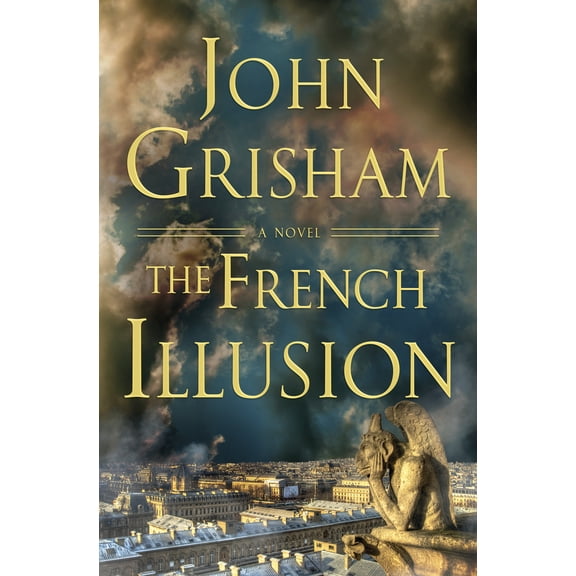
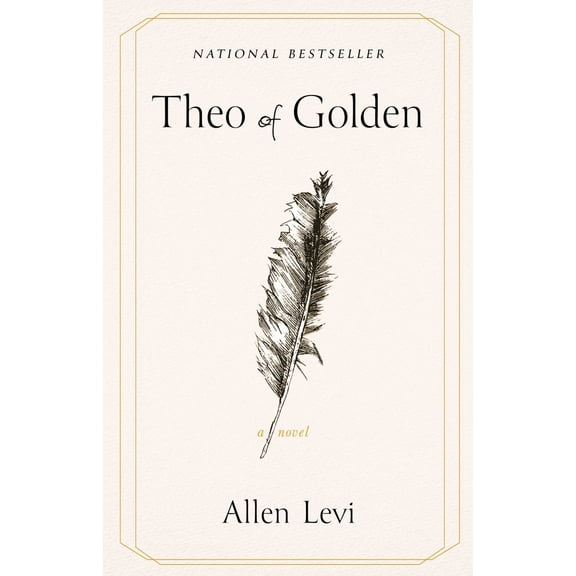

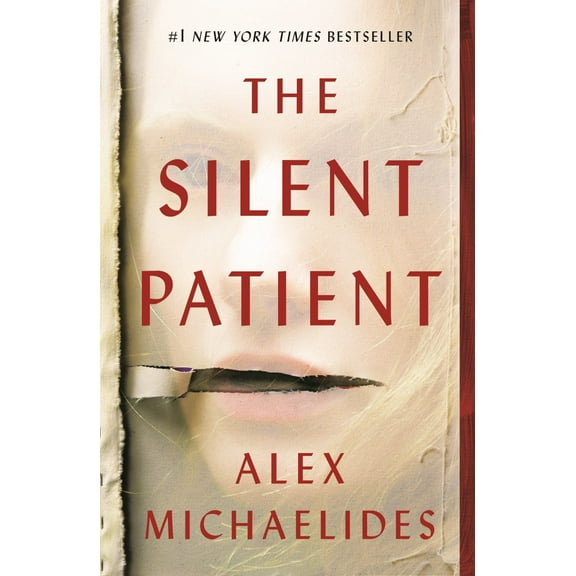






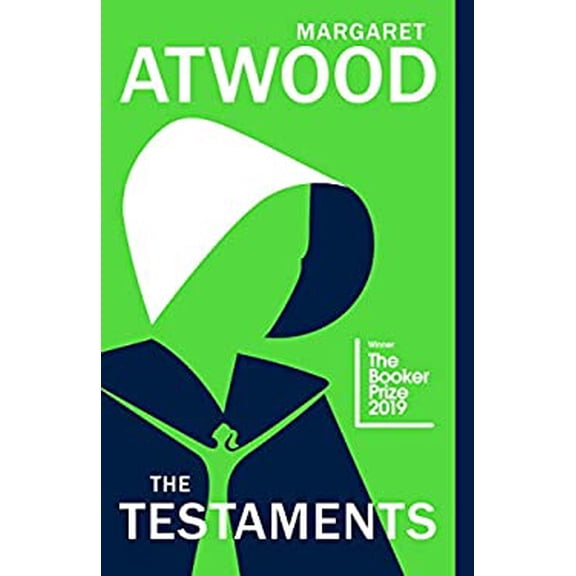
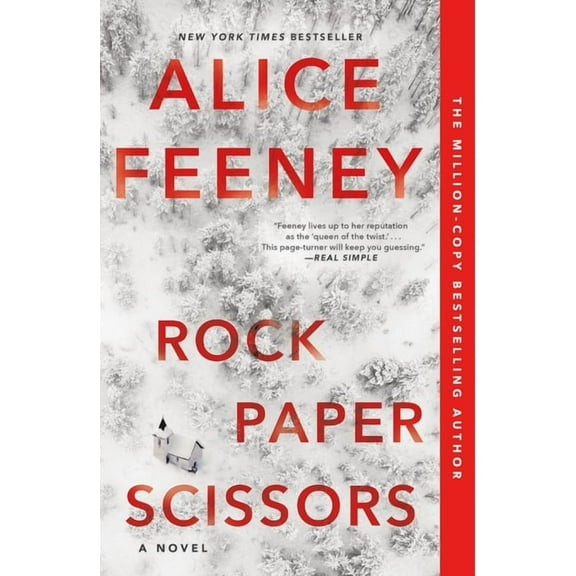
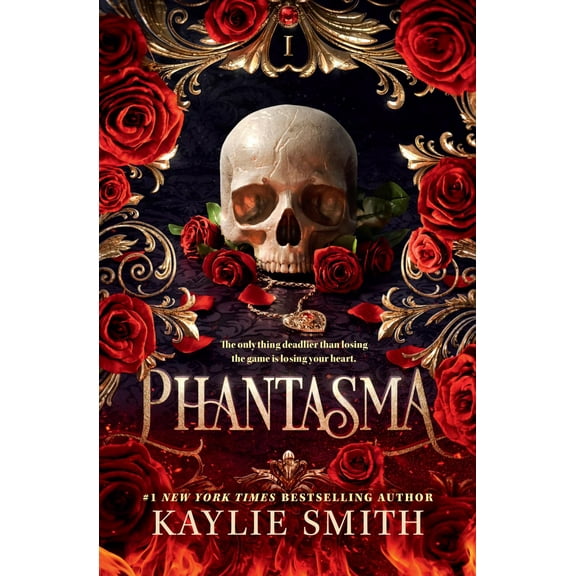


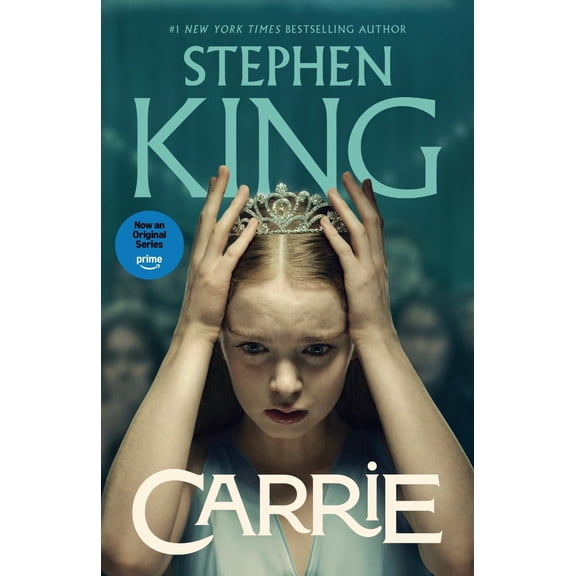
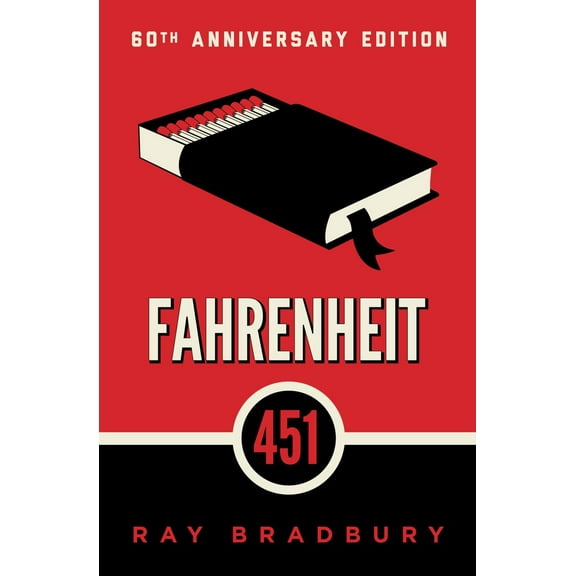
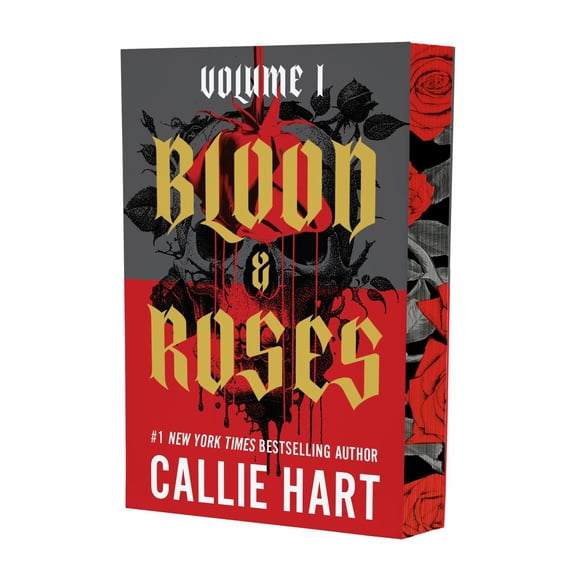
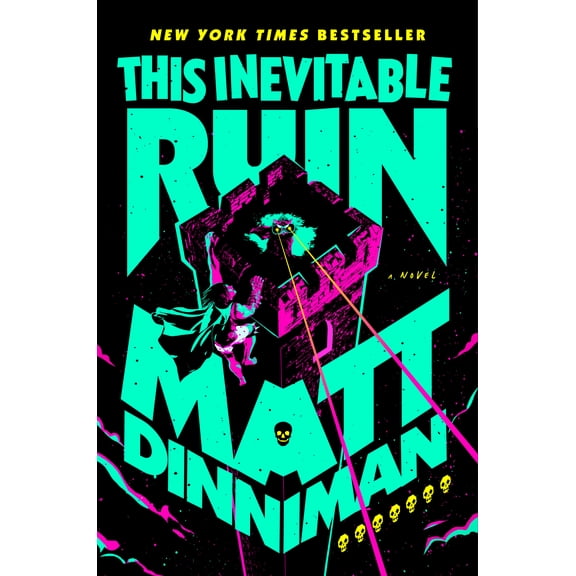
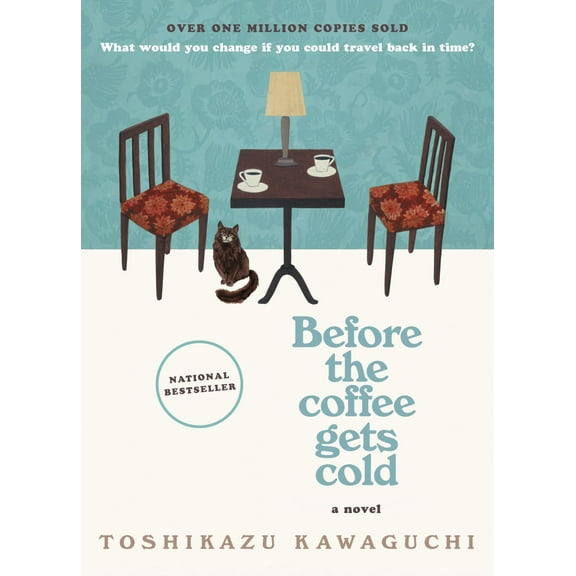






About Literature & Fiction Books in Libros - Walmart.com
You can explore literature fiction with formats, genres, and editions that match how your household reads and collects. You’ll find category depth here, from classroom staples to boxed sets for long-form reading.
If you’re comparing literary voices, you can narrow choices by era, audience, and binding style. You’ll also spot fiction novels that fit daily reading, gifting, and shelf display.
How to choose literature fiction by format
You should start with book format because it shapes how your copy feels, stores, and travels. You’ll notice paperback fiction books feel lighter in a tote or backpack.
If you read on commutes or during trips, you may prefer paperback editions for easier carrying. If you want a sturdier feel, you can compare hardcover editions for repeated shelf use.
You can also look at audiobooks when you want stories during drives, chores, or walks. If you’re building a themed library, you may prefer boxed sets for matching spines.
- You can choose paperback for lighter carrying and flexible storage.
- You can choose hardcover for a firmer cover and a more display-ready look.
- You can choose audiobook formats for listening during busy routines.
- You can choose boxed sets when you want a series or author collection together.
Choosing literature and fiction books by genre
You should compare genre first if tone matters as much as plot. You’ll find literature and fiction books that range from reflective character studies to fast-moving historical stories.
If you enjoy established voices and familiar themes, you may lean toward classic literature books. If you want present-day settings and current perspectives, you can explore contemporary fiction books.
You can also compare historical fiction when you want storytelling shaped by another time period. If you favor language-driven reading, you may prefer literary fiction with close attention to voice.
When you read synopses, you can match your mood to the pacing and emotional range. You’ll often find fiction novels with family stories, social themes, or immersive settings.
What to look for in audience and reading purpose
You should consider who will read the book before choosing an edition or format. You can sort options for adult readers, young adult readers, or classroom use.
If you’re picking for a classroom, you may want editions that support discussion and repeated handling. If you’re choosing for personal reading, you might focus more on genre fit and cover style.
You can use audience cues to judge tone, reading level, and subject focus. You’ll get a clearer match when you compare jacket copy, chapter length, and series information.
For gifts, you may want recognizable authors or coordinated sets that feel intentional. For school lists, you may need classic literature books that align with assigned reading.
Comparing era, author, and edition details
You should compare era because classic, modern, historical, and contemporary stories create very different reading experiences. You’ll often notice differences in language style, setting, and narrative pace.
If you enjoy older prose and lasting themes, you may choose classic works with familiar titles. If you want current dialogue and recent cultural context, you can focus on modern selections.
You can also use author reputation as a shortcut when you want a known writing style. If you’re trying someone new, you should read the synopsis to check tone and scope.
Edition type matters when you want a reading copy or a keepsake copy. You can choose standard editions for everyday reading or collector-style editions for display and gifting.
If you reread favorites often, you may appreciate a durable binding and a more substantial cover. If you’re building a course list, you may prefer straightforward standard editions.
Using literature fiction for real reading moments
You can match literature fiction to the way your week actually looks. If you read in short bursts, you may want portable paperbacks or an audiobook for flexible listening.
For summer reading fiction, you can choose contemporary novels with approachable pacing and engaging settings. If you want a longer project, you may prefer a boxed set or a sweeping historical story.
You can also plan by occasion when you compare gift giving, classroom use, and personal collecting. If you’re refreshing a home shelf, hardcovers and collector editions can create a polished look.
When you want discussion-friendly picks, you can look for well-known authors and layered themes. If you’re reading for escape, you may choose immersive fiction novels with vivid places and memorable characters.
You can build variety by mixing classic literature books with contemporary fiction books in the same order. You’ll create a reading stack that fits both long-term goals and everyday downtime.
Why these details help you choose faster
You can choose with more confidence when you compare format, genre, audience, and edition together. You’ll narrow the field faster and land on books that fit your reading habits.
If you want stories that suit study, collecting, commuting, or seasonal reading, these decision points keep your search focused. You’ll end up with literature and fiction books that feel right from the first chapter.