





Ovens & Ranges




















About Ovens & Ranges - Walmart.com
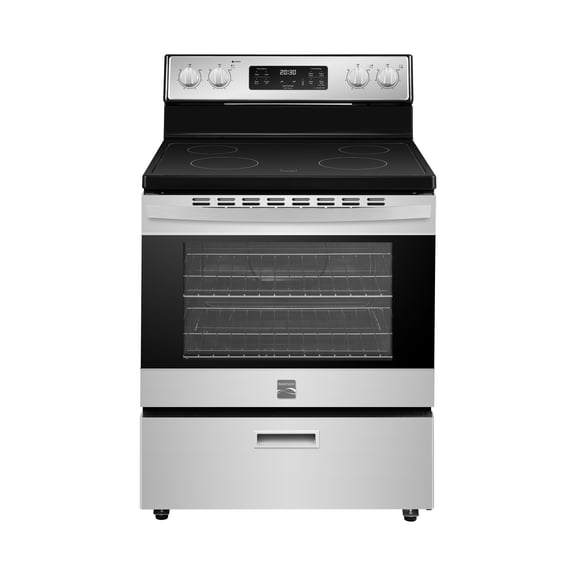
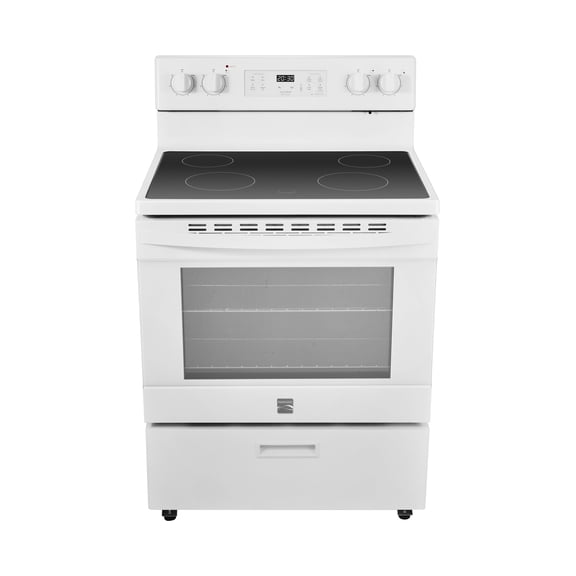
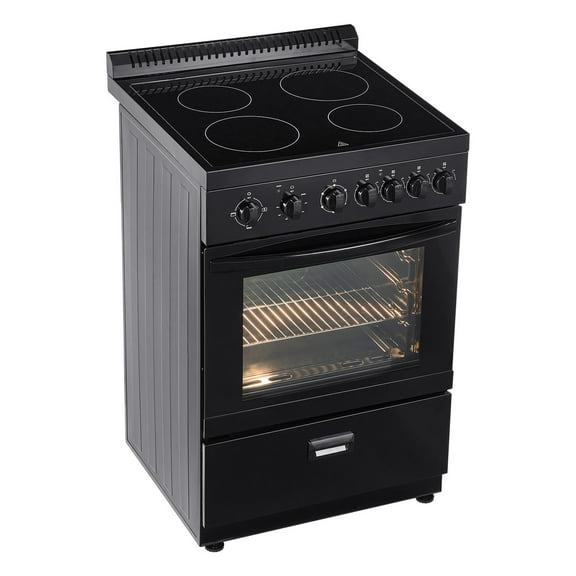
Electric ranges help you cook, bake, and reheat with familiar controls and flexible oven space. You can compare fit, cooktop style, and oven layout to match your kitchen plan.
How to choose electric ranges for your kitchen
When you compare electric ranges, you should start with your opening measurements and your installation style. You’ll want exact width, depth, and height before you narrow your options.
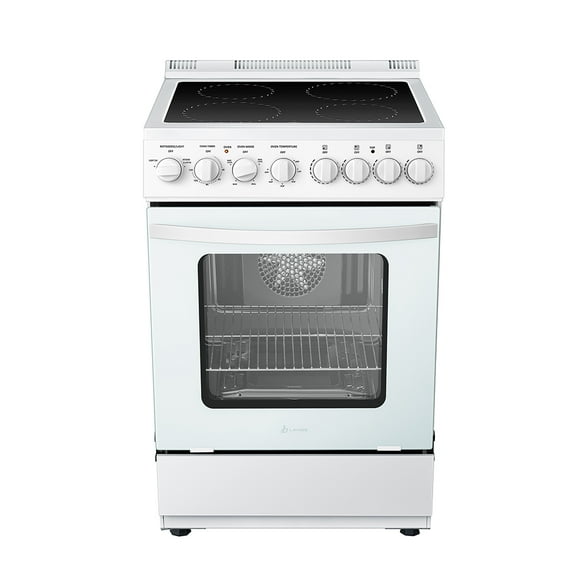
Most 30 inch electric ranges fit common kitchen layouts, while 24-inch models suit tighter spaces. You may also consider 36-inch designs when your layout allows a wider cooking surface.
Your electrical setup matters just as much as size because many models use a 220V or 240V outlet. You should also check whether your circuit matches 40-amp or 50-amp requirements.
Choosing between slide in electric ranges and freestanding styles
Slide in electric ranges give you a built-in look because they fit between cabinets with finished sides hidden. You may prefer front controls when you want a cleaner backsplash line.
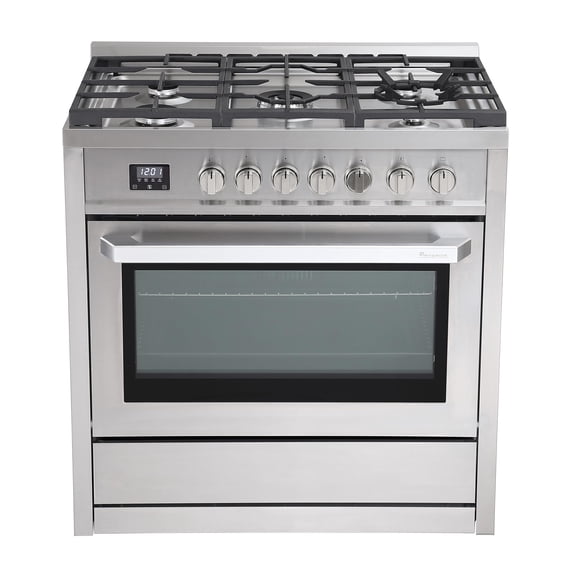
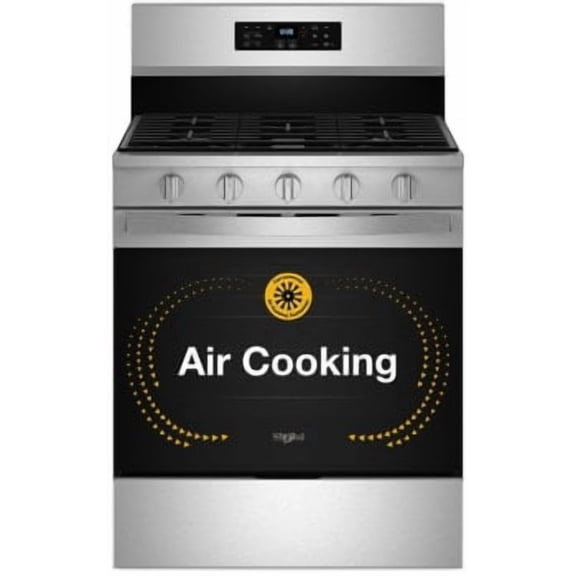
Freestanding electric ranges work well when you want flexible placement and a backguard with rear controls. You can place them in more layouts, which helps during kitchen updates.
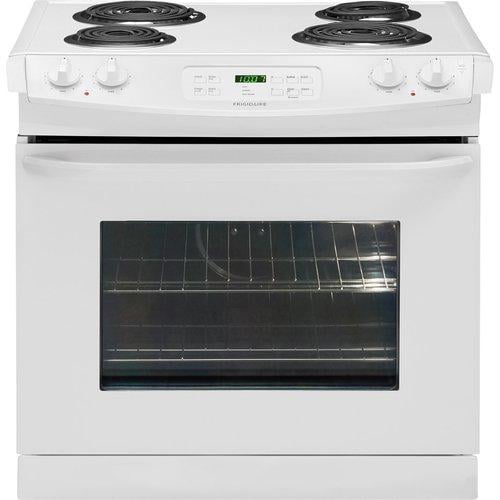
Drop-in styles fit custom cabinetry and usually need a separate base or cabinet support. You should measure carefully because your cutout details guide this choice more than appearance alone.
- You can create a built-in look with slide-in designs.
- You can get easier replacement flexibility with freestanding models.
- You can match custom cabinetry with drop-in installations.
- You can simplify planning by checking cutout and outlet details first.
Comparing oven configurations and everyday cooking needs
Single oven models give you one larger cavity, which can suit roasting pans and sheet trays. You may like this layout when your meals center on one main dish.
Double oven electric ranges split cooking into two compartments, so you can bake and roast at separate temperatures. You can keep side dishes above while your main course cooks below.
Your household size and cooking routine should guide this decision more than appearance. You’ll want to compare total capacity, rack positions, and how often you cook multiple dishes together.
What to look for in cooktop surfaces
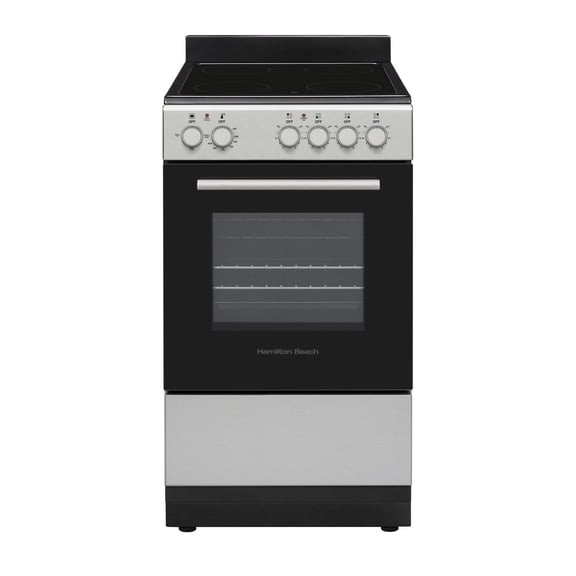
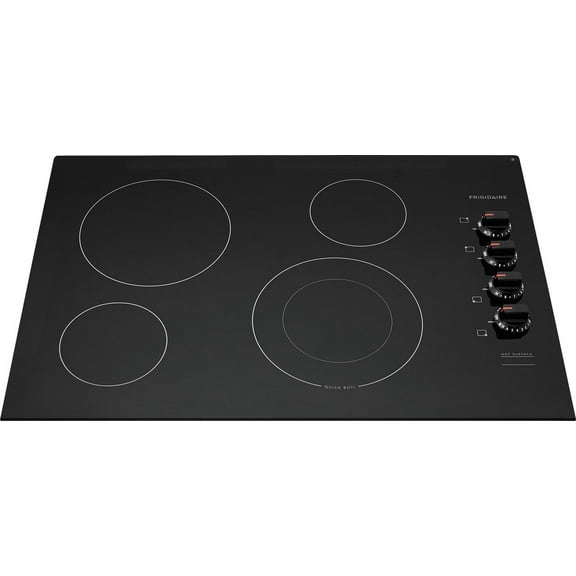
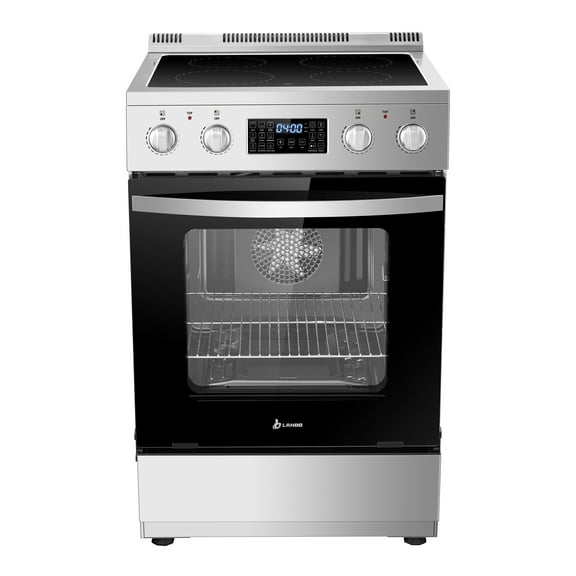
Smooth top glass surfaces give you a sleek cooking area and a flat look many kitchens prefer. You can wipe the surface more easily after everyday cooking.
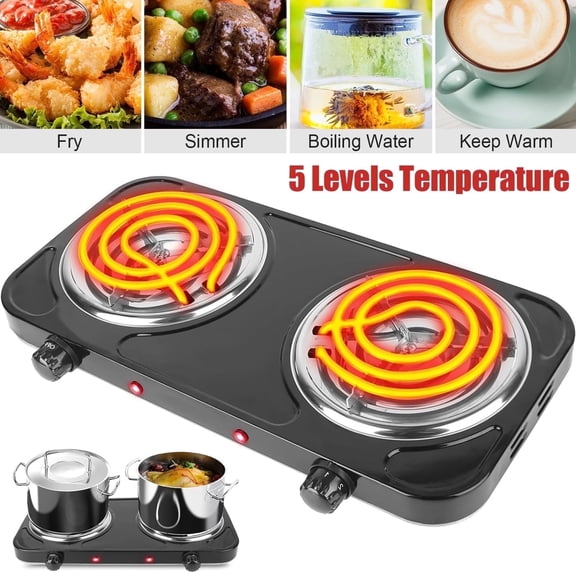
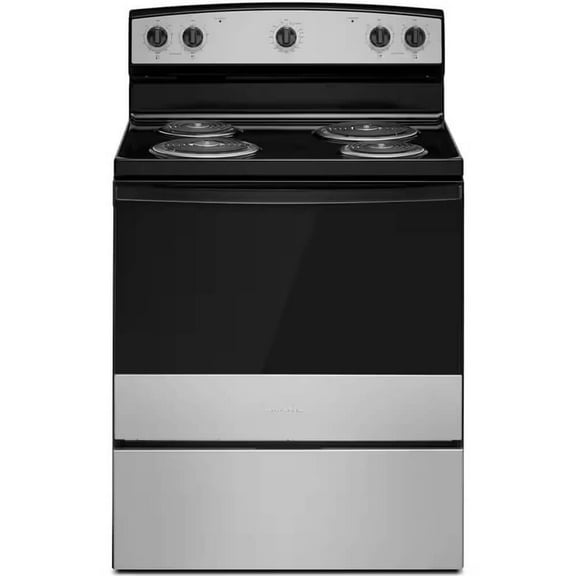
Traditional coil tops give you a familiar setup with visible heating elements and simple pan placement. You may choose them when you want a straightforward cooking surface.
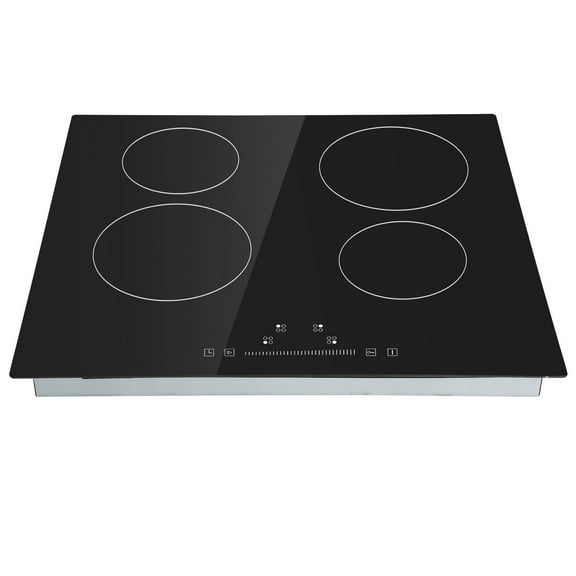
Induction ranges use compatible cookware and heat the pan through induction technology. You should confirm cookware compatibility before you choose this cooktop style for your home.
Many shoppers also compare glass top electric stoves because the smooth surface changes how pans sit and how cleanup feels. You can decide faster when you compare cooking habits first.
Checking features that affect daily use
You may want self cleaning electric ranges if you prefer less hands-on oven cleanup. You can also compare steam-clean options, control lock features, and oven window size.
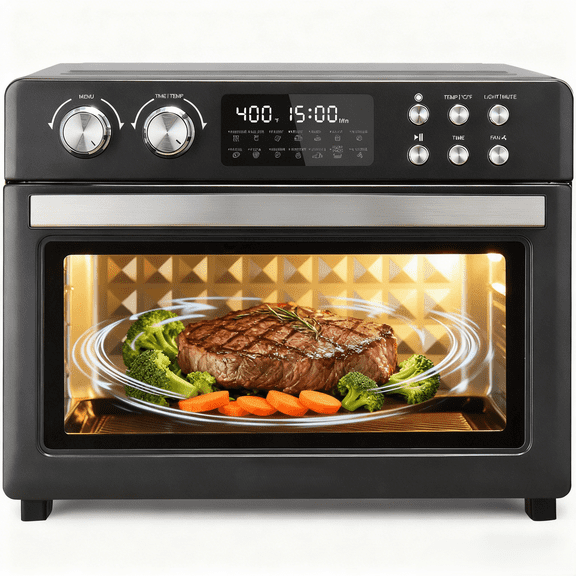
Your cooking style can also point you toward convection settings, warming zones, or flexible elements. You’ll notice these details matter when you cook several dishes during the same meal.
Control placement changes how your range looks and how you reach settings during cooking. You can compare front controls and rear controls based on your kitchen workflow.
Using size, fitment, and power details to narrow options
Exact fitment helps you avoid surprises, so you should measure the opening at several points. You’ll want to note cabinet depth, countertop height, and clearance around handles and doors.
30 inch electric ranges remain a common choice because they fit many existing appliance spaces. You can also look at compact 24-inch models for condos, apartments, or smaller kitchen footprints.
Your power connection should stay on your checklist because range performance depends on the correct setup. You should confirm your outlet type, voltage, and circuit rating before installation planning.
Matching electric ranges to the way you cook
If you cook quick weeknight meals, you may prefer a freestanding model with a single oven and coil or smooth top cooking. You can keep the selection process simple by focusing on fit and controls.
If you’re updating cabinetry, you may lean toward slide in electric ranges with front controls and a smooth top surface. You can create a more integrated kitchen look without changing cooking habits.
If you bake often or prepare several dishes together, double oven electric ranges can support separate temperatures in one appliance footprint. You can keep meals moving without juggling oven timing as much.
If your cookware already supports induction, you may consider induction ranges for a different cooktop experience. You should still confirm pan compatibility, cutout size, and electrical requirements before deciding.
With the right measurements, power details, and cooking preferences, you can choose electric ranges that fit your kitchen and routine. You’ll feel more confident when your range matches your space from day one.