

Walmart Mattresses: Memory Foam, Hybrid & Innerspring
Shop by mattress types










Shop by price
Mattresses & more under $100.
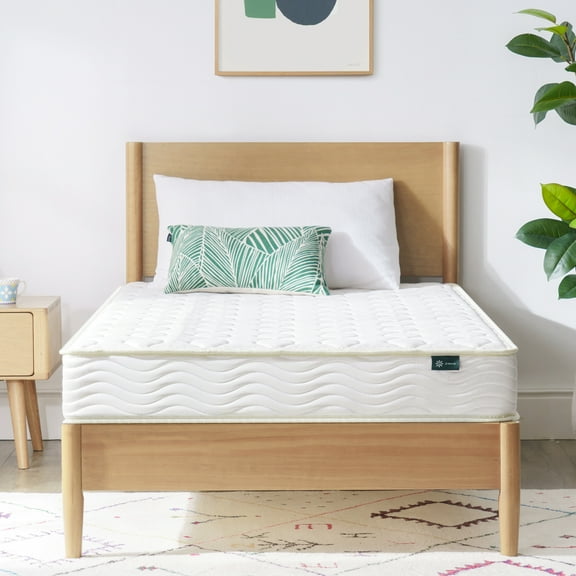

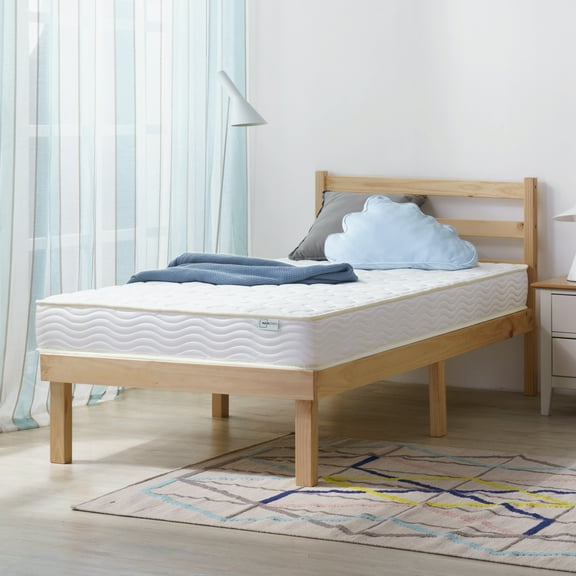

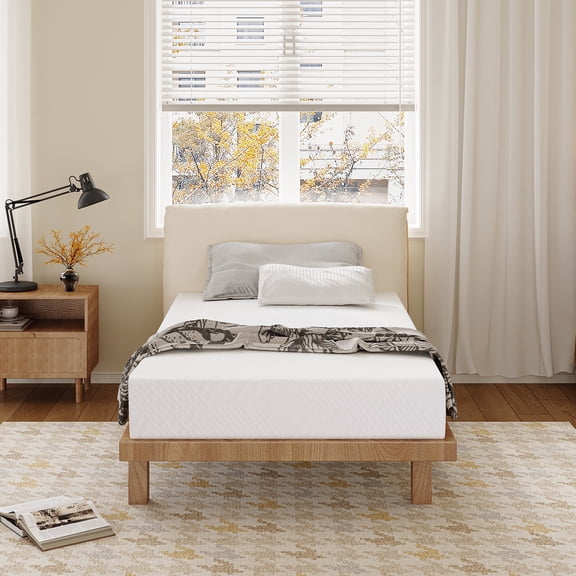

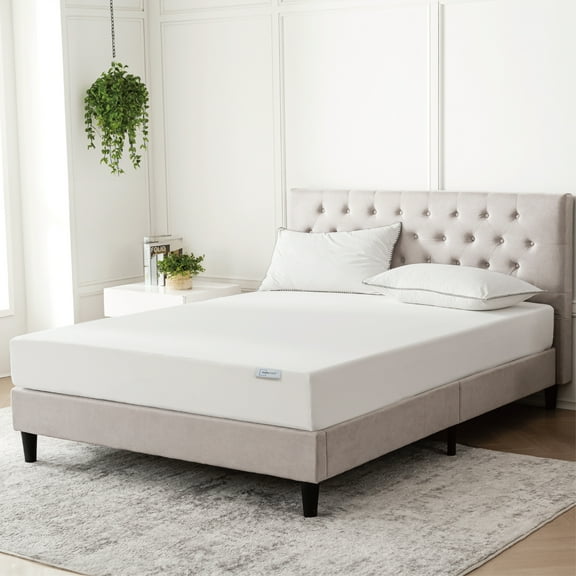
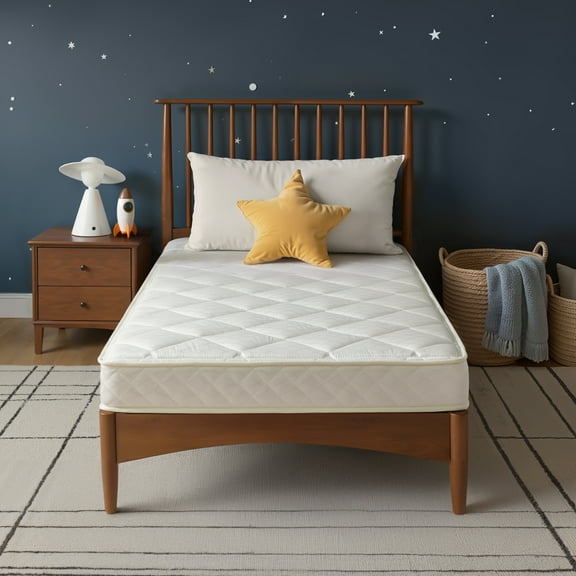

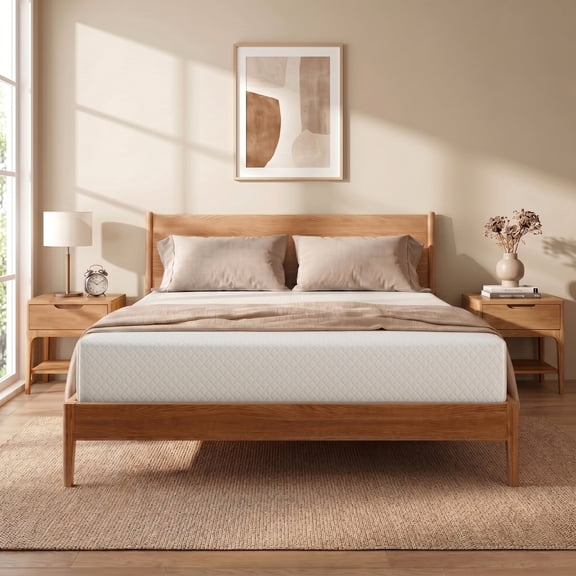
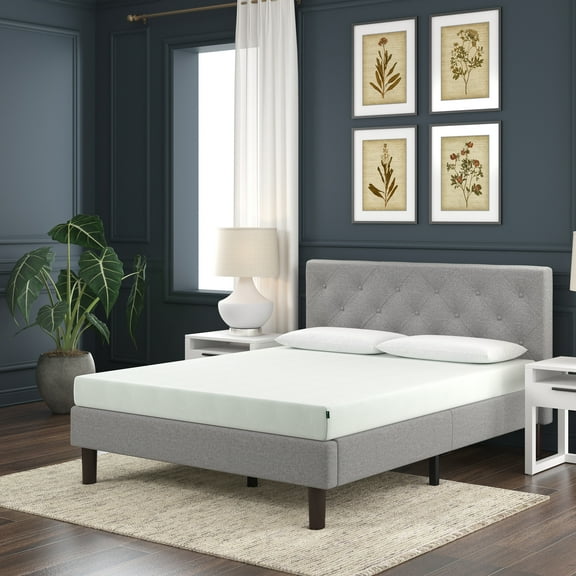
Mattress savings
Sweet dreams, sweeter prices.
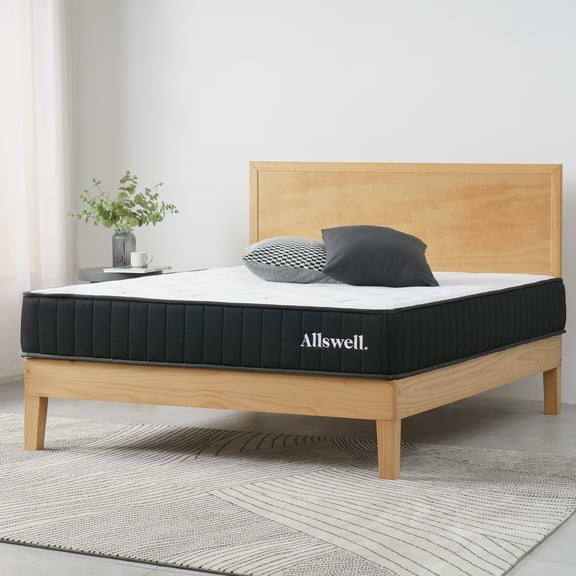
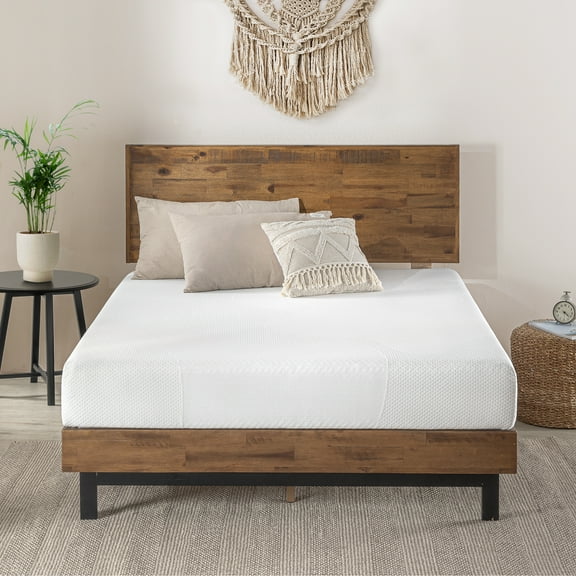


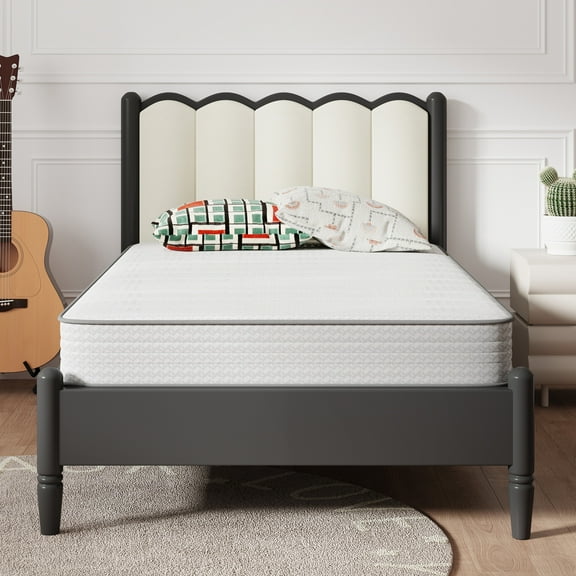
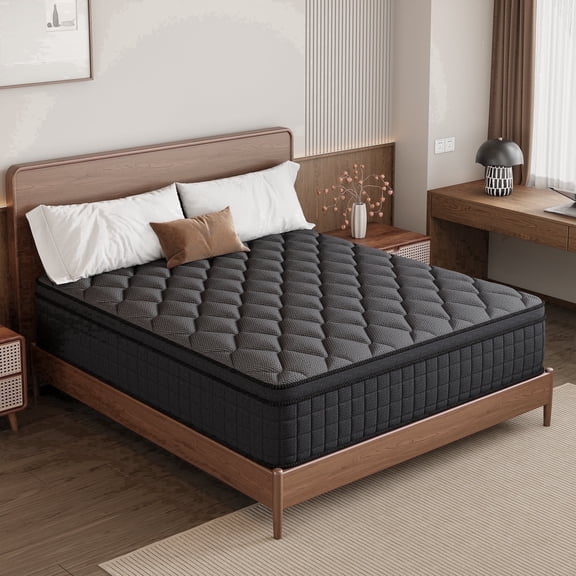
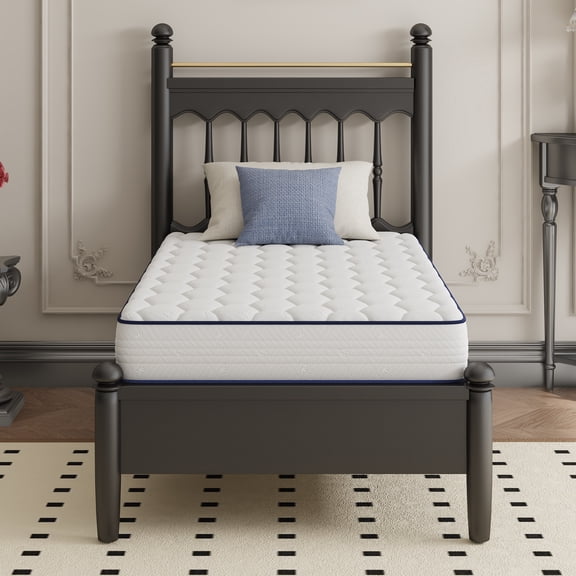
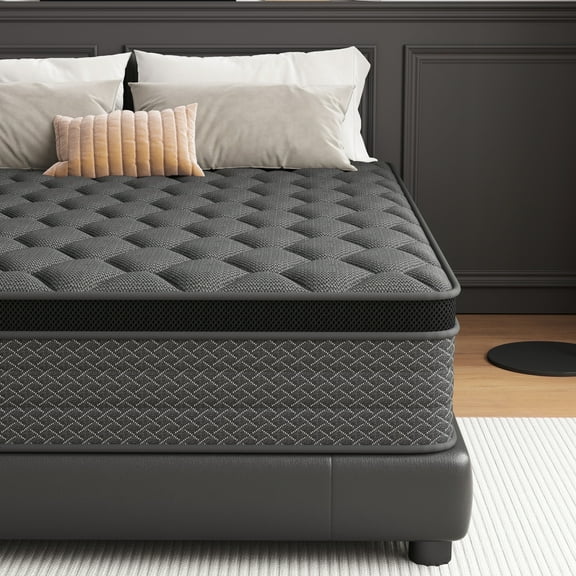
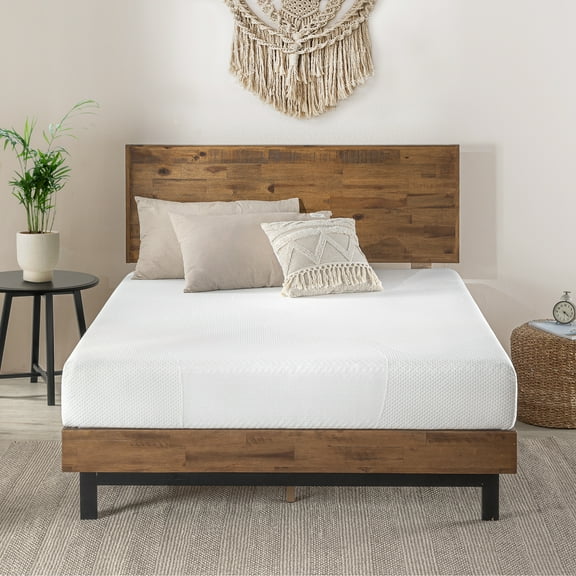


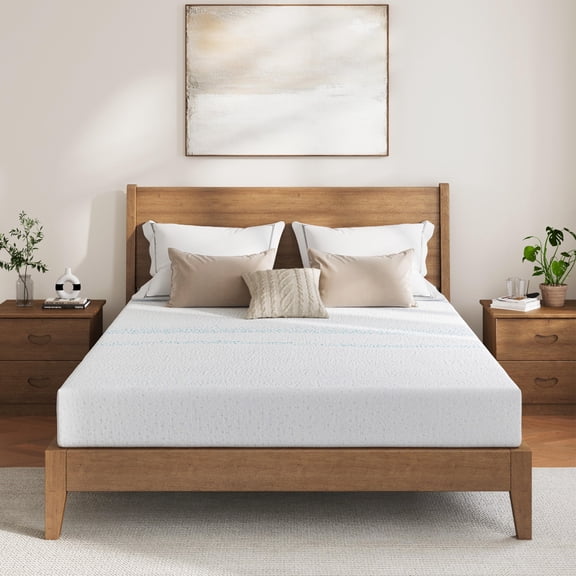

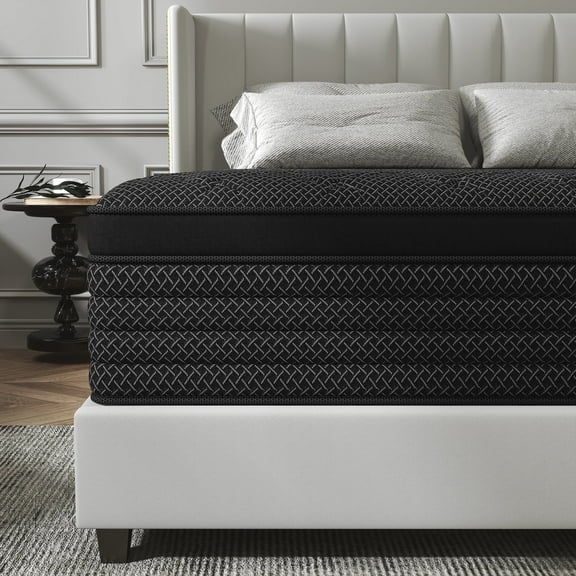
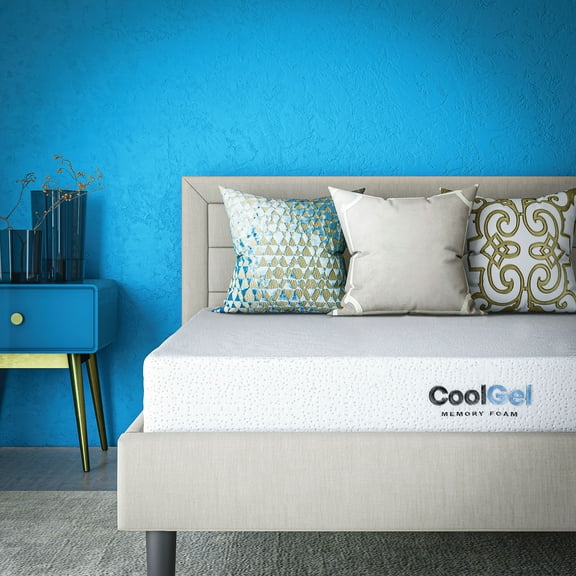


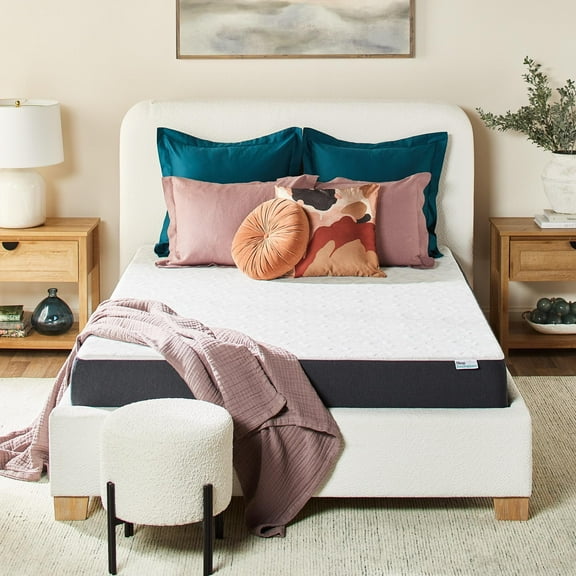

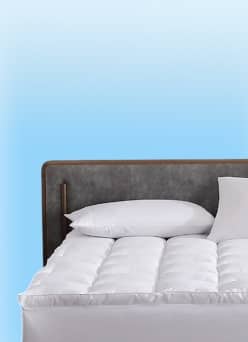


Mattress finds under $40
Accessories you need to rest easy.
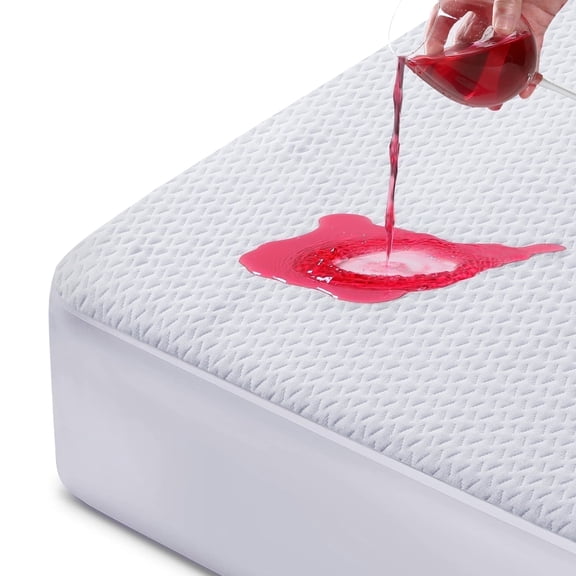
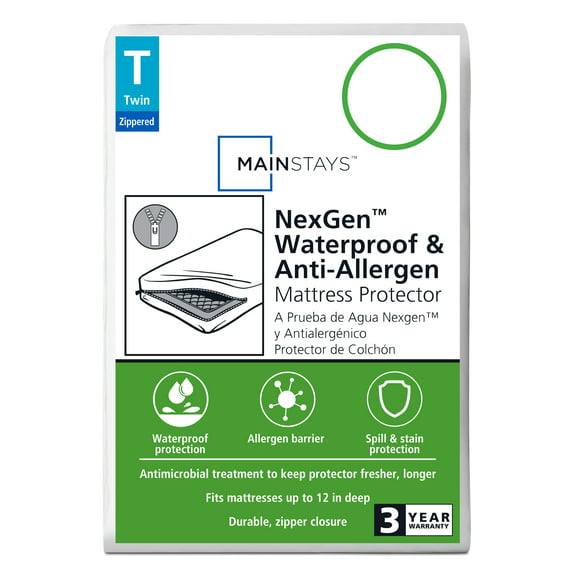
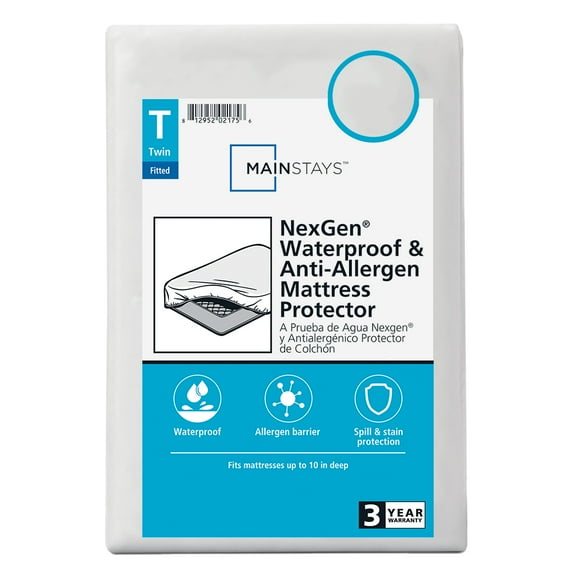


For side sleepers
Find the right pillow support & more.

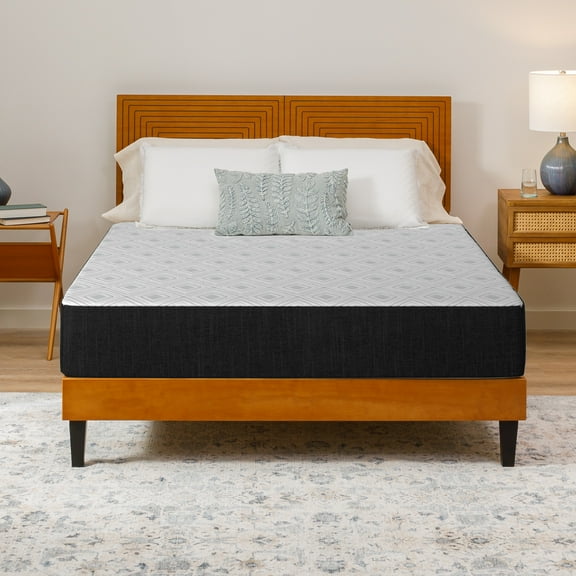

For back sleepers
Find all you need for proper alignment.


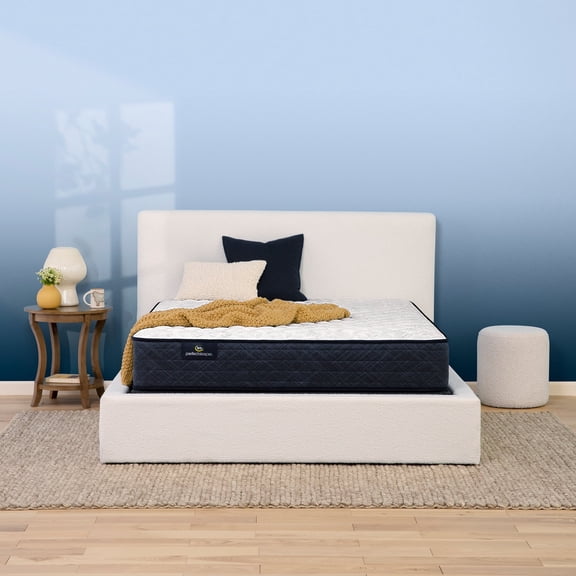
For stomach sleepers
Styles to enhance your rest.












FAQ
About Walmart Mattresses: Memory Foam, Hybrid & Innerspring - Walmart.com
Patio furniture sets help you turn your deck, porch, or yard into a comfortable place for meals, chats, and quiet evenings. You can compare seating, material, and style choices here, so your outdoor setup fits your space and routines.
How to choose patio furniture sets for your space
Start by measuring your patio before you choose seats and tables. You’ll want enough room to move chairs, walk around corners, and place outdoor tables without crowding.
A two-piece setup suits a small balcony or apartment patio with limited floor space. You can use a three-piece bistro set when you want compact seating for coffee, snacks, or casual morning meals.
If you host family or friends often, you may prefer a four-piece conversation set with a loveseat and matching patio chairs. You can also choose seven-piece patio dining sets when your backyard needs full table seating.
Sectional layouts give you more flexibility when your space has unusual corners or longer walls. You can arrange outdoor sectional sets to follow a railing, frame a fire pit, or open up a larger seating zone.
Choosing between outdoor conversation sets, dining sets, and bistro sets
Conversation sets work well when you want a relaxed layout for talking, reading, or evening drinks. You’ll usually get lower seating and a coffee table that keeps the setting casual.
Patio dining sets fit your space when meals happen outside often. You can seat more guests around one table, and your setup feels more organized for lunch, dinner, or weekend gatherings.
Bistro sets make sense when your patio is narrow or you only need seating for two. You can place them on a small porch, beside a garden path, or near a poolside corner.
- You can use conversation sets for lounging and everyday social time.
- You can choose dining sets when your patio doubles as an outdoor eating area.
- You can pick bistro sets for compact footprints and simple two-person seating.
- You can select sectional sets when your layout needs flexible seating angles.
When you compare set types first, you can narrow your search faster. You’ll also avoid buying outdoor furniture that looks right online but feels oversized in your yard.
What to look for in material and weather-ready design
Material affects how your set looks, feels, and handles changing weather. You should compare wicker, aluminum, wood, wrought iron, and plastic resin based on upkeep and style.
Wicker gives you a textured look that suits coastal, traditional, and casual spaces. You’ll often like wicker when your patio needs a lighter visual feel with cushions and side tables.
Aluminum is easier to move when you rearrange your outdoor furniture often. You can choose it for a clean modern look, and you’ll appreciate frames that resist rust in damp weather.
Wood brings natural warmth that works well in rustic and classic settings. You should check whether your wood set needs seasonal care, especially when your patio gets strong sun or frequent rain.
Wrought iron gives you a heavier feel that stays grounded in windy areas. You may prefer it when your style leans traditional, and you want a sturdy look around stone or brick surfaces.
Plastic resin can suit busy households because it’s simple to wipe down. You can use it when you want low-maintenance seating that handles sun exposure and changing temperatures well.
Cushions matter too, especially when you spend long evenings outside. You should look for water-resistant fabrics, removable covers, and storage-friendly designs that help your setup stay ready between uses.
Matching style, comfort, and use cases
Your style choice helps your patio feel connected to your home’s exterior. You can lean modern for clean lines, traditional for familiar shapes, rustic for natural textures, or coastal for airy color palettes.
If your patio hosts quiet coffee breaks, a three-piece bistro set may fit your daily routine. You can pair it with planters or a small umbrella to create a simple retreat.
For family chats or weekend guests, four-piece outdoor conversation sets create a defined gathering area. You can center them around a coffee table, rug, or fire feature for a balanced layout.
When outdoor meals are part of your routine, patio dining sets support everything from quick breakfasts to longer dinners. You’ll want enough chair clearance, especially if your table sits near a wall or railing.
If your yard has a long edge or open corner, sectional sets can help you use that footprint well. You can break pieces apart or keep them together, depending on your event or season.
Comfort also depends on how you maintain cushions and frames over time. You can keep fabrics looking fresh by storing cushions when not in use and by covering your set during rough weather.
Small details shape your daily experience more than you might expect. You should compare seat depth, table height, and armrest style, because those choices affect how your patio feels every day.
How patio furniture sets support everyday outdoor living
Patio furniture sets give you a practical way to define dining, lounging, and conversation zones outdoors. You can choose materials, seat counts, and styles that make your space easier to use through the season.
With the right fit, your setup feels comfortable, organized, and ready for everything from breakfast outside to relaxed evening gatherings. You’ll enjoy a patio that works harder and feels more inviting every day.