

Small Trampolines


























About Small Trampolines - Walmart.com
Small trampolines help you bring active fun or compact workouts into tighter spaces. You can compare mini trampoline, rebounder trampoline, and kids small trampoline options by size, age range, and setup.
If you need movement without giving up much floor space, you can focus on smaller diameters and practical features. You’ll also find options for indoor playrooms, home gyms, and patios with different safety details.
How to choose small trampolines by size and space
When you compare sizes, you should start with your open floor area and your user’s age. You’ll often see 36-inch, 38-inch, 40-inch, 48-inch, and 55-inch models across this category.
A 36-inch trampoline can suit very compact rooms or solo fitness use in a tight corner. A 48-inch or 55-inch model can give you a wider jumping surface and steadier foot placement.
You should also measure ceiling height if you want a small indoor trampoline for year-round use. You’ll want clearance around the frame so your space feels comfortable during each bounce.
- You can choose 36-inch to 40-inch sizes for tighter rooms and simple storage.
- You can choose 48-inch to 55-inch sizes for a roomier jumping surface.
- You should measure floor space, ceiling height, and open clearance before you decide.
- You may prefer folding frames when your room serves more than one purpose.
Choosing a mini trampoline for fitness and rebounding
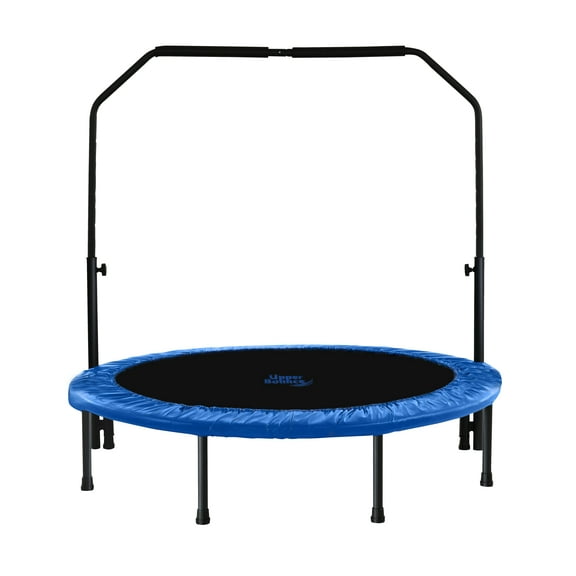
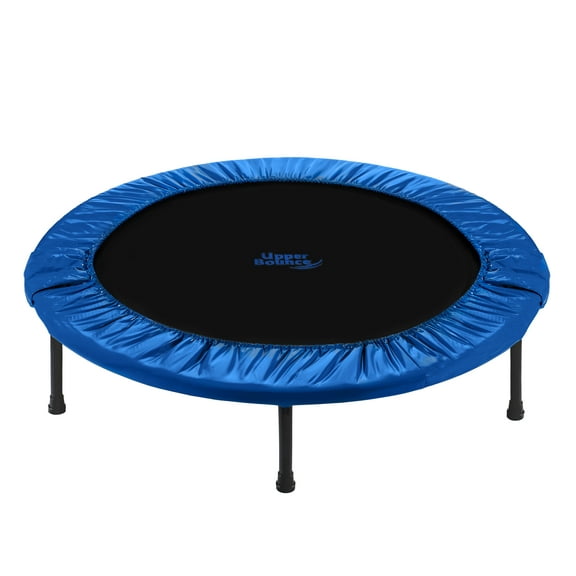
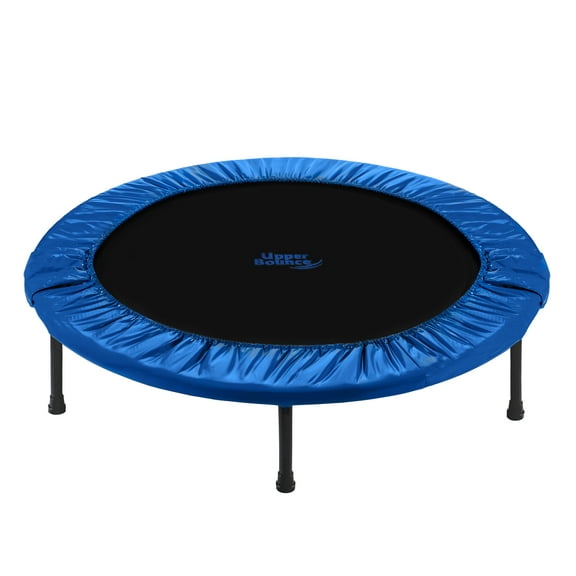
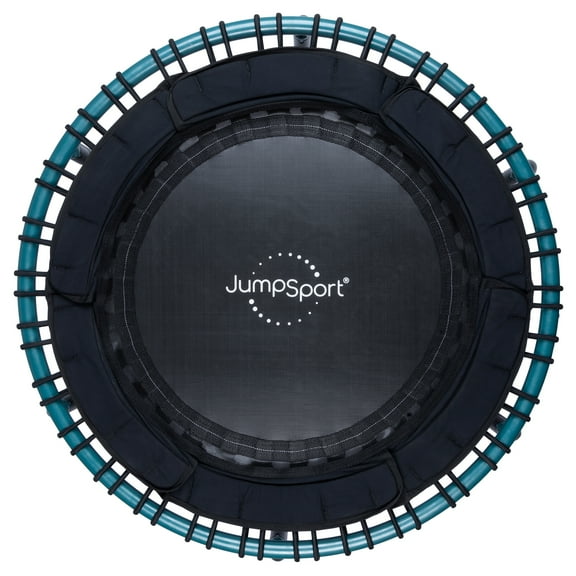
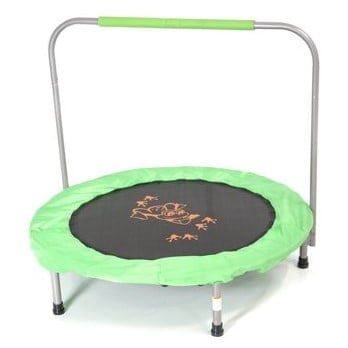
If you want cardio sessions at home, you may look at a mini trampoline with a compact frame. You can also compare a rebounder trampoline by handle style, frame shape, and weight limit in pounds.
For fitness and rebounding, you should check whether the weight capacity matches your routine and your user. You’ll usually want a stable surface, secure legs, and a jumping mat sized for your stride.
A folding mini trampoline can work well when you need to move it between workouts. You can tuck it away more easily in closets, under beds, or along a wall.
You may also compare portable and fixed frame designs based on how often you plan to move it. If you exercise often, you might prefer a setup that stays ready.
Choosing a kids small trampoline by age and safety features
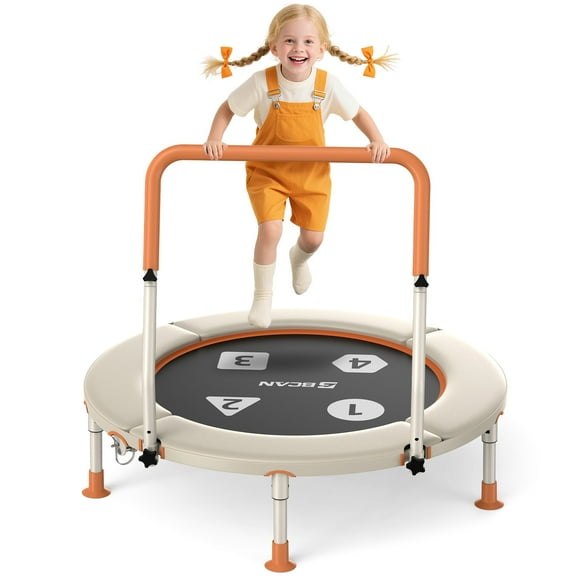
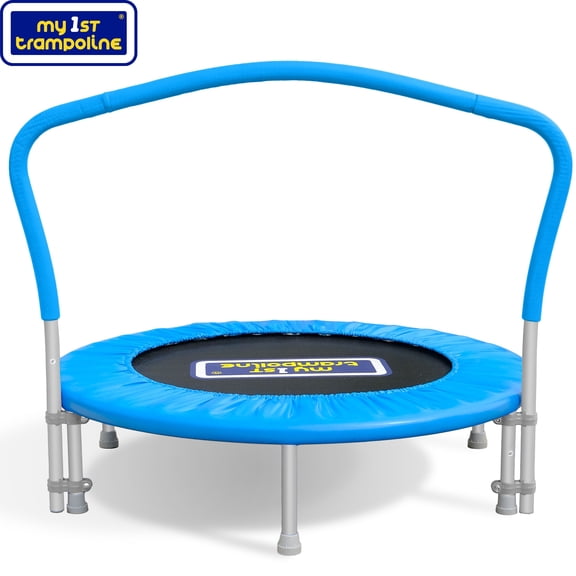
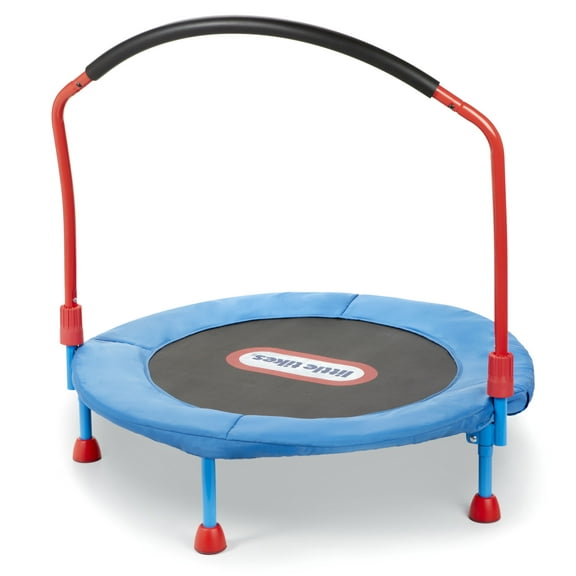
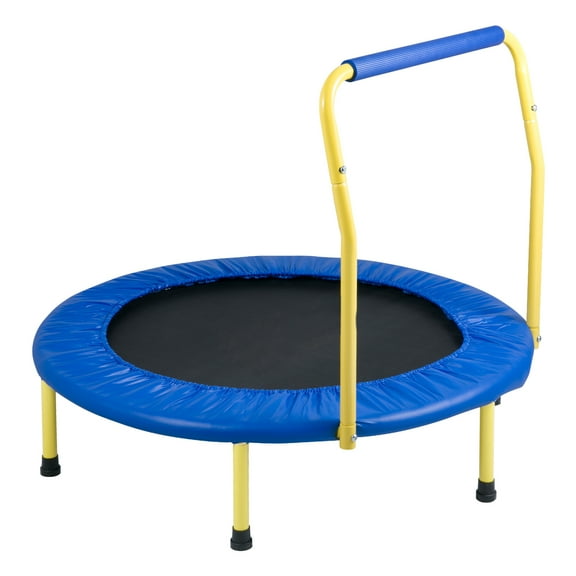
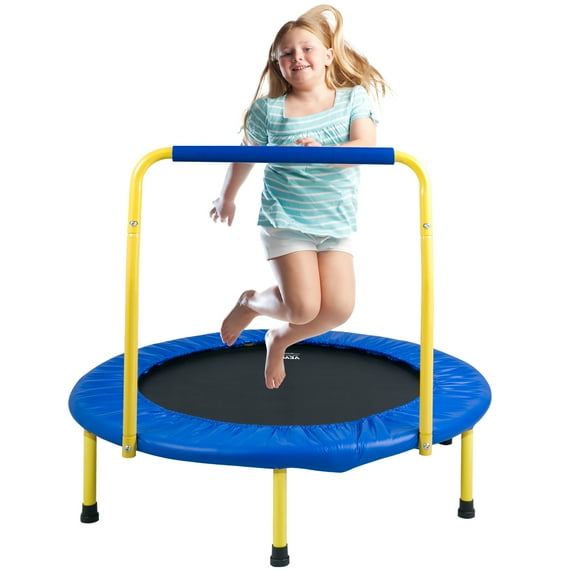
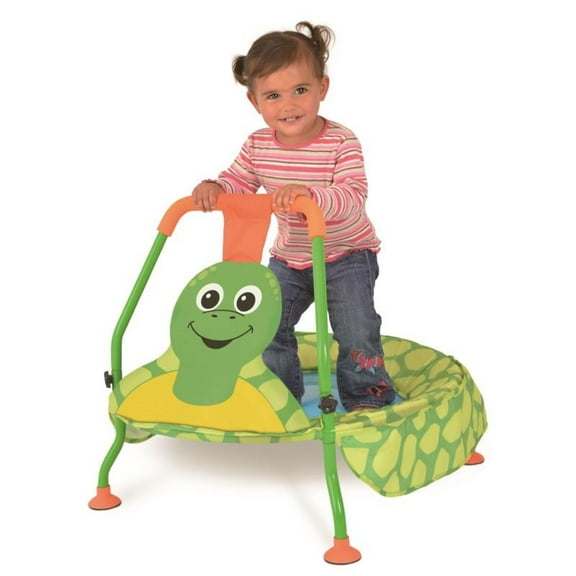
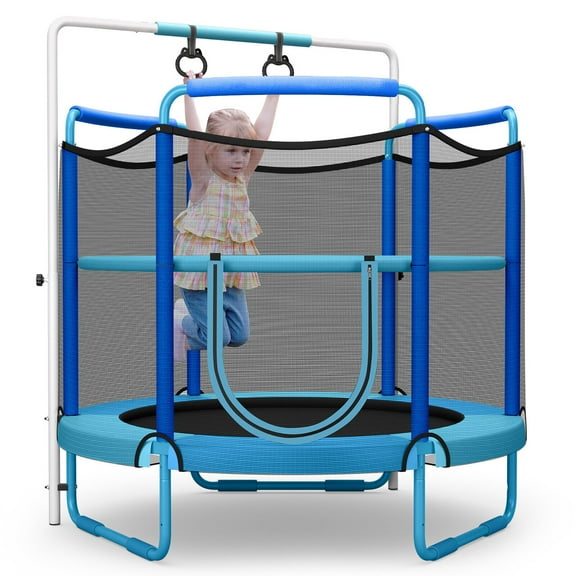
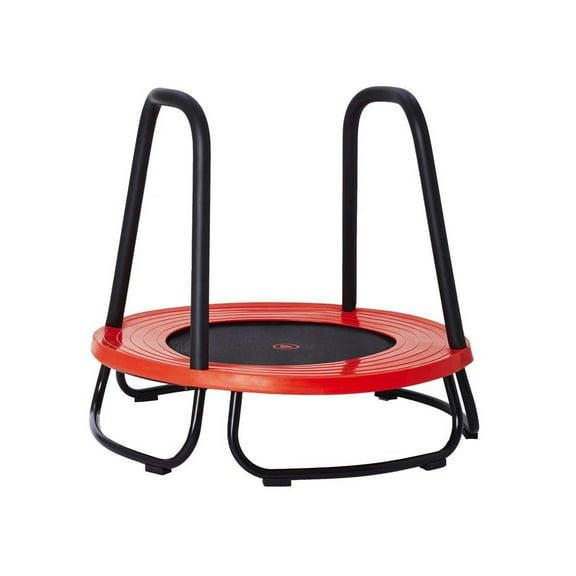
If you’re shopping for toddlers or young kids, you should match the frame style to your child’s stage. You may find a toddler trampoline with handrail useful when your child needs extra balance support.
For a kids small trampoline, you should check the weight limit in pounds before you choose a size. You’ll also want padding over springs and frame edges where little hands and feet may land.
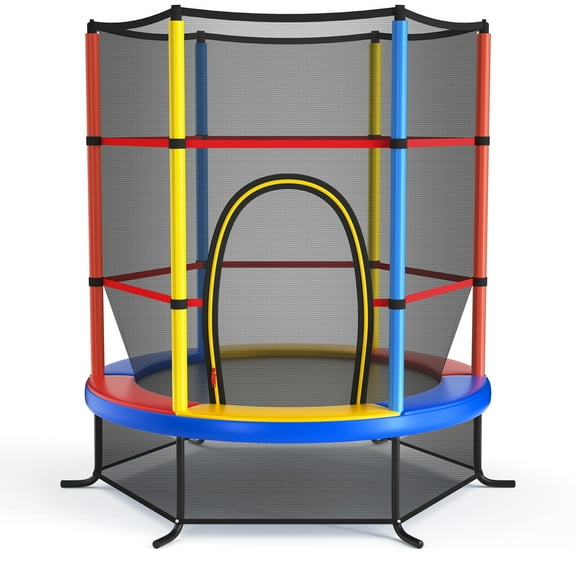
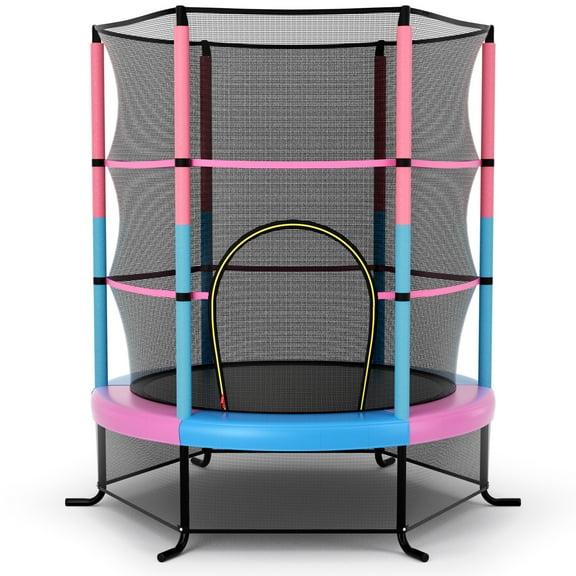
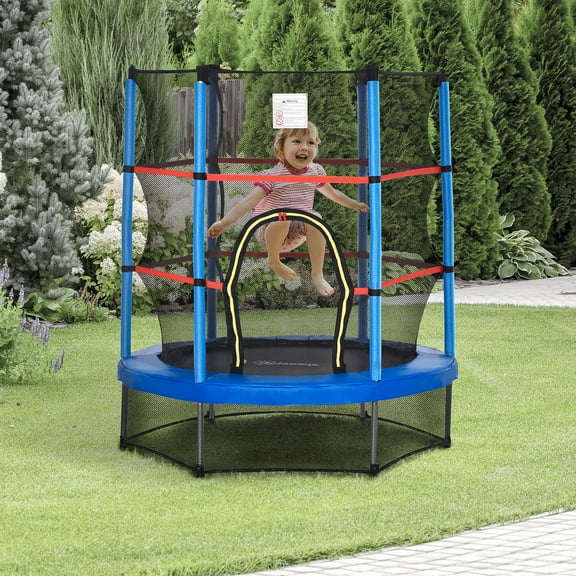
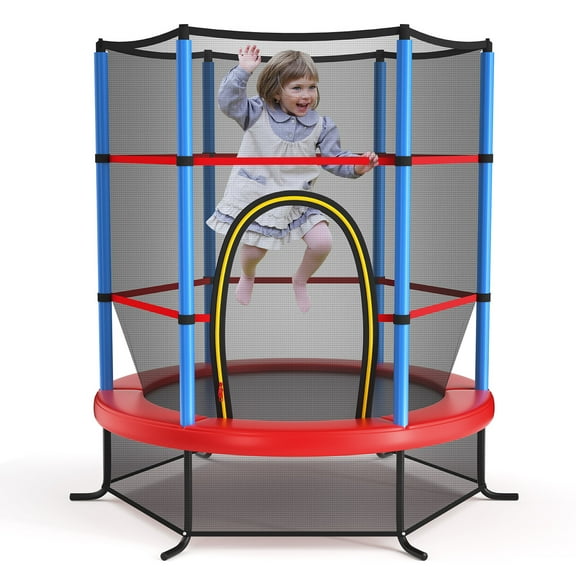
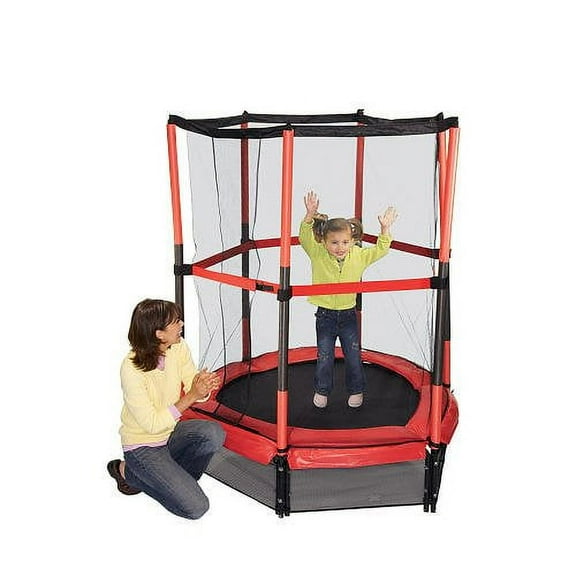
A handlebar can help you guide younger jumpers toward steadier movement during indoor active play. Older kids may use wider surfaces or a safety enclosure net for backyard sessions.
If you plan to use a small outdoor trampoline, you should compare weather-ready materials and enclosure options. You’ll want a frame finish and mat design suited to changing outdoor conditions.
Comparing safety features and setup details
You should treat safety features as a buying guide, not as extras. Your choice can depend on whether you need support for toddlers, open space for adults, or enclosed bouncing for kids.
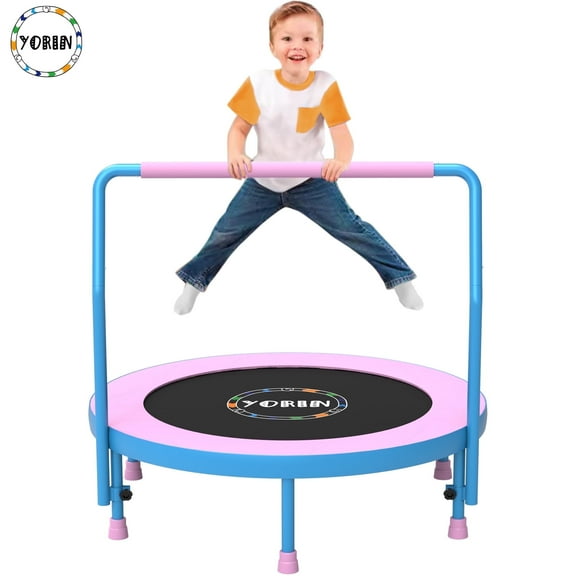
Handlebars can make sense when you want a steadier grip during beginner use or light rebounding. Padded spring covers can help you create a smoother edge around the jumping area.
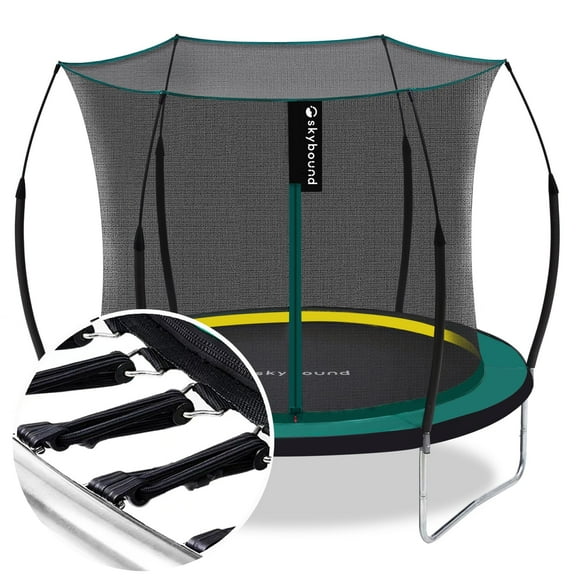
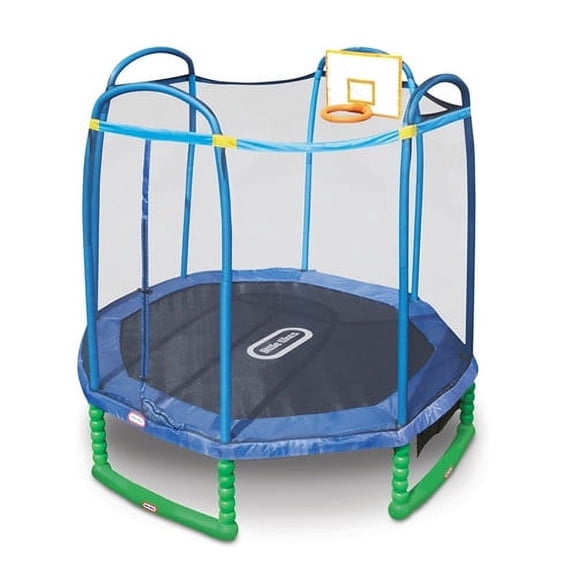
A safety enclosure net can fit active backyard play when you want a more contained jumping zone. You should also compare leg design and frame stability if your floor surface is hard.
Before you choose, you should check whether assembly style matches your space and schedule. You may prefer fewer pieces and a simpler frame when you want faster setup.
Matching storage, portability, and indoor or outdoor use
If your home has shared space, you may need a trampoline that stores neatly after use. You can compare folding, portable, and fixed frame options based on where you’ll keep it.
A folding mini trampoline can suit apartments, guest rooms, or multipurpose family rooms. A fixed frame can suit a dedicated play corner or workout area where you leave it assembled.
For indoor active play, you should check diameter, leg footprint, and handrail height before you buy. For backyard play, you should compare mat materials and frame finishes made for outdoor placement.
You can also think about who will use it most often and how often you’ll move it. Your routine may point you toward a portable rebounder trampoline or a more permanent kids setup.
Small trampolines for everyday routines
You can use small trampolines for short exercise breaks, rainy day movement, or after-school play. You might choose a rebounder trampoline for adult workouts and a kids design for supervised bouncing.
If your child needs an indoor option, you may look for a compact frame with padding and a handrail. If you want backyard use, you should check enclosure choices and outdoor-friendly construction.
When you match size, weight limit, and safety features to your space, you can narrow the category quickly. You’ll get a setup that fits your room, your routine, and your user with less guesswork.