


outdoor heating



































About outdoor heating - Walmart.com
Outdoor heating helps you use your patio, deck, or backyard when evenings turn cool. You can compare fuel types, heat output, and heater styles to match your space and setup.
You may want steady warmth for dining, flexible placement for gatherings, or a fire feature for longer nights outside. You can narrow your options quickly when you understand BTU ranges, clearance needs, and portability details.
Choosing outdoor heating for your space
You should start with the area you want to warm and how people gather there. You can use BTU ratings as a quick guide for coverage and intensity.
If you need targeted warmth for a tight seating area, you may prefer units under 10,000 BTU. If you host larger groups, you may look at 30,000 to 50,000 BTU or higher.
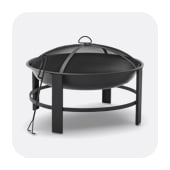
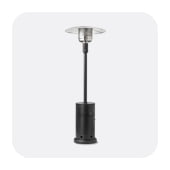
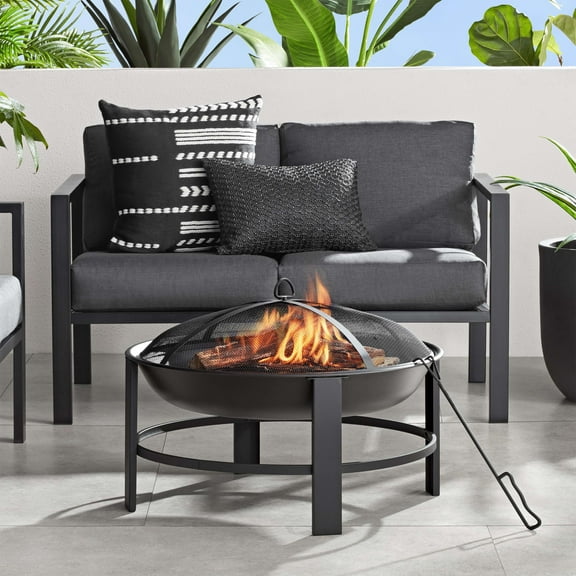
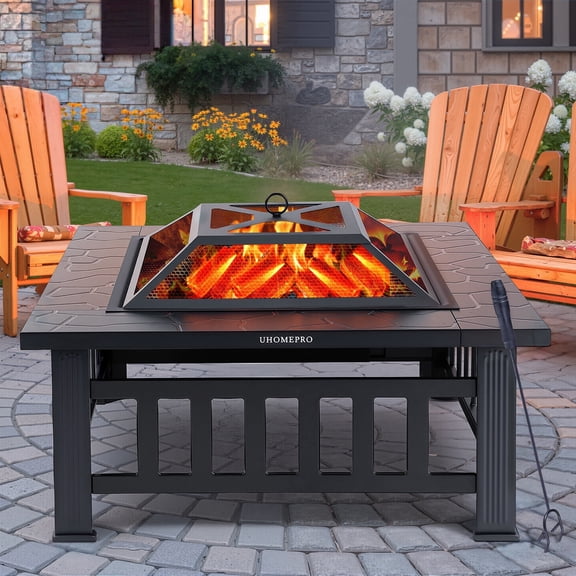
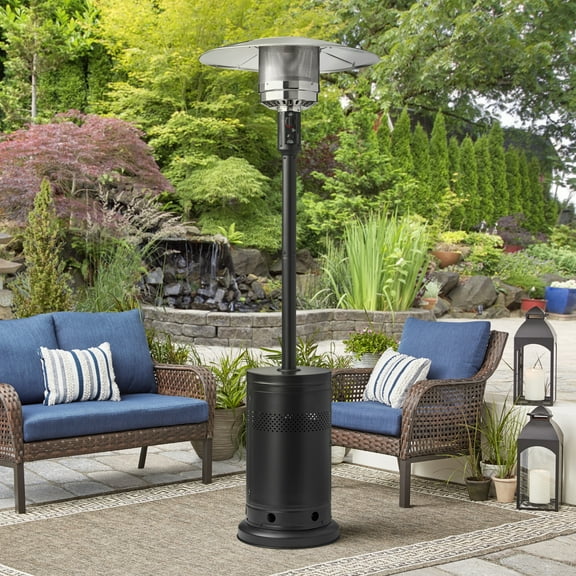
You should also check whether your heat needs are directional or all-around. You may want a tall patio heater for standing warmth or a fire pit for shared heat around the perimeter.
- You can use lower BTU options for balconies, bistro sets, and compact corners.
- You may prefer mid-range output for dining sets, conversation areas, and covered patios.
- You can choose higher output for open decks, wider seating zones, and breezier yards.
- You should compare clearance guidance if your setup sits near railings, walls, or overhead covers.
How to compare patio heaters and outdoor fire pits
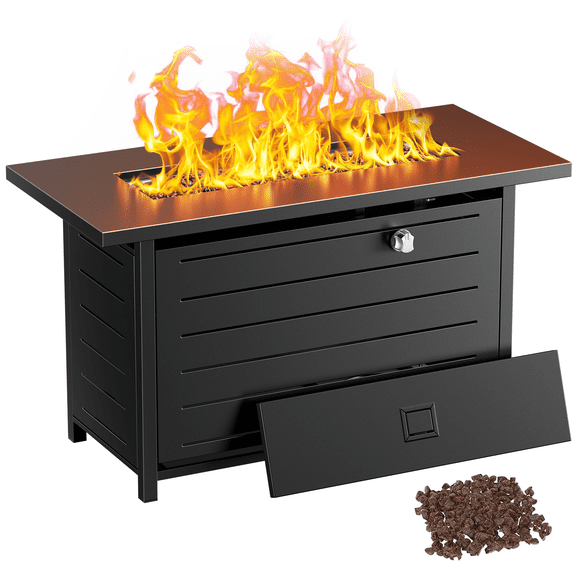
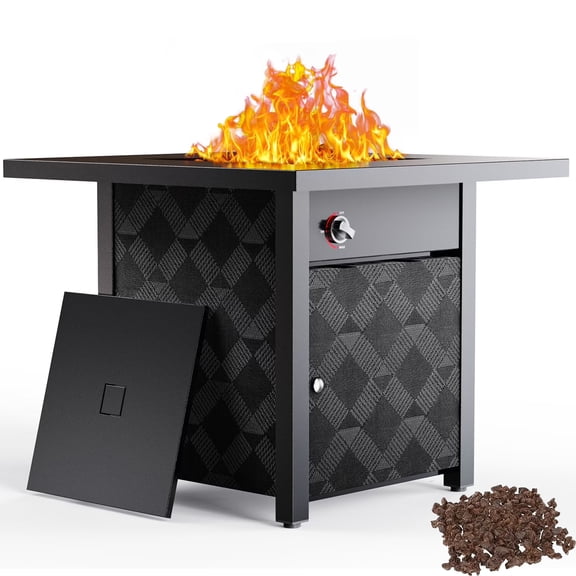
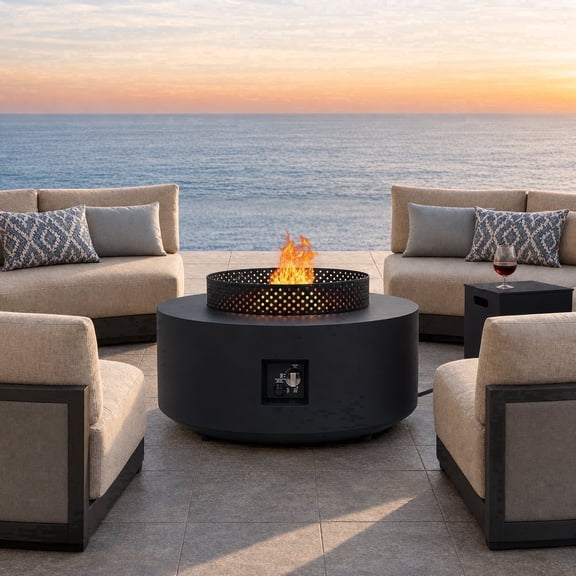
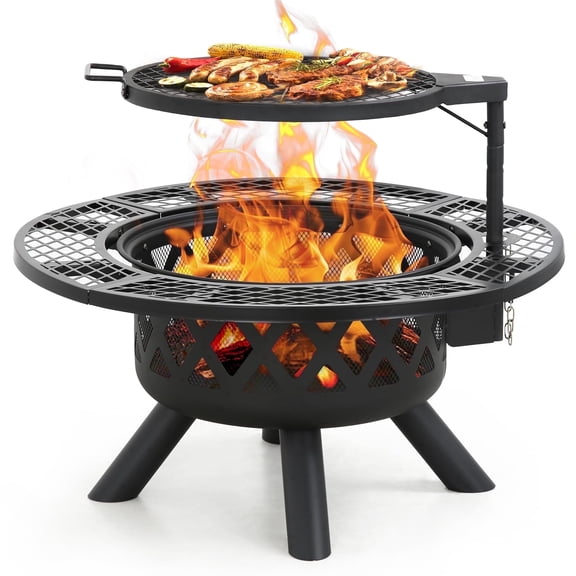
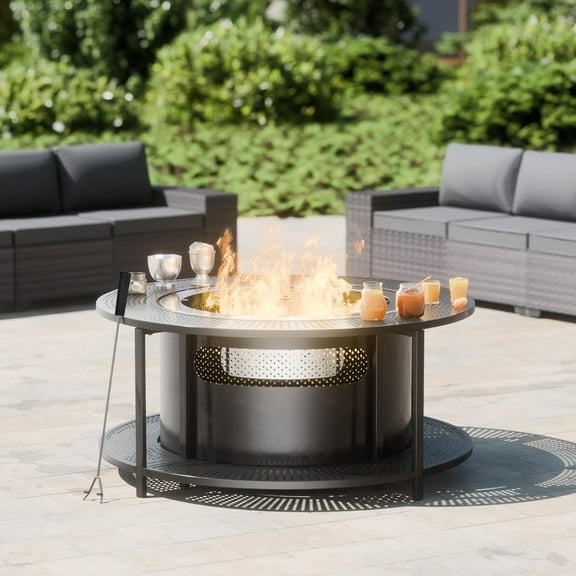
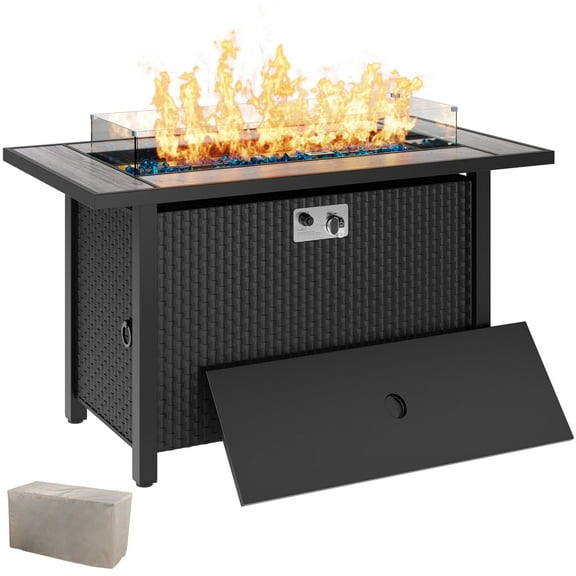
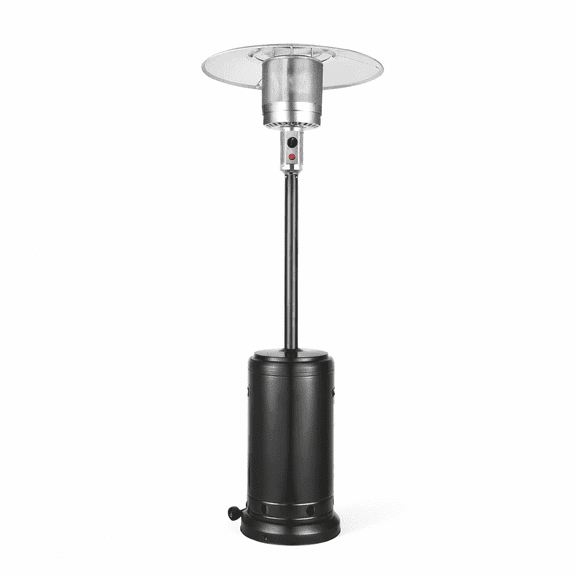
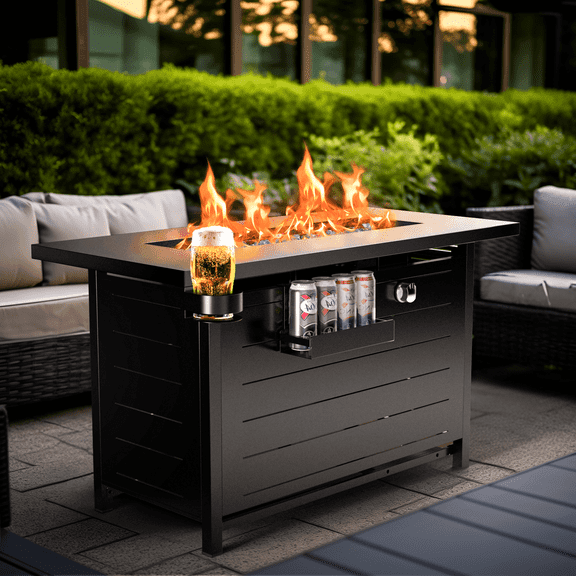
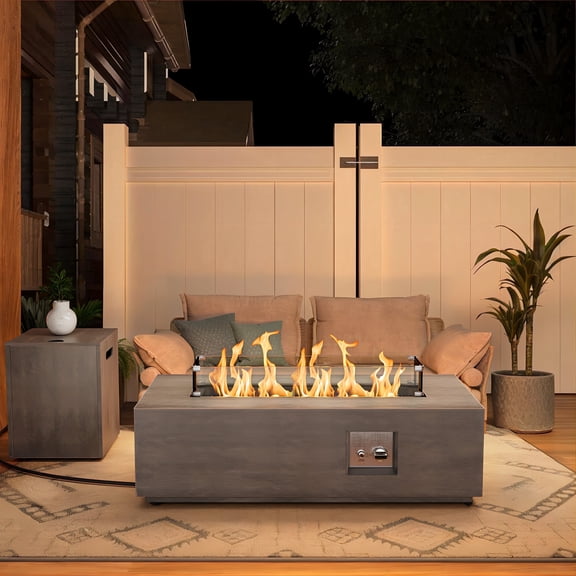
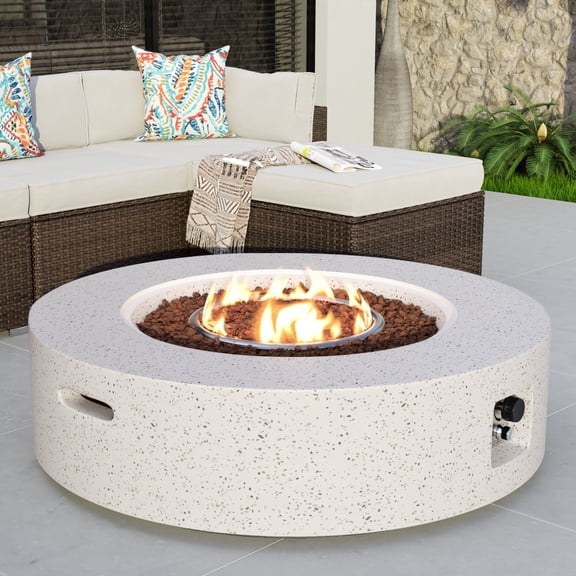
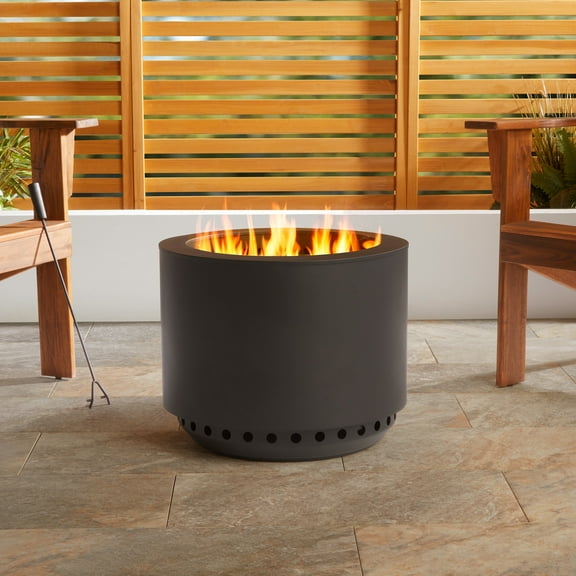
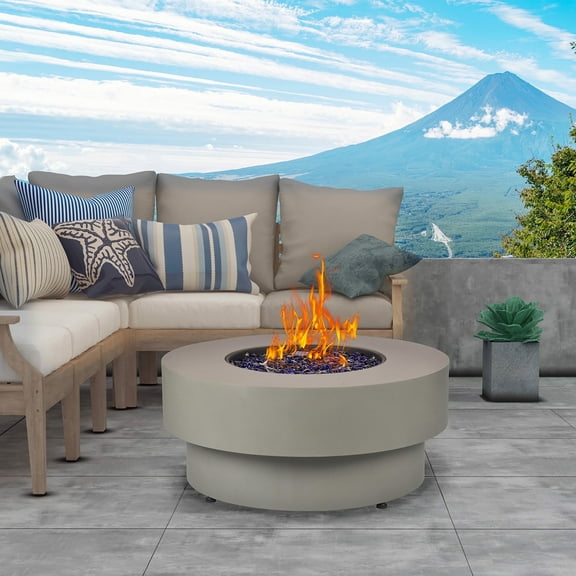
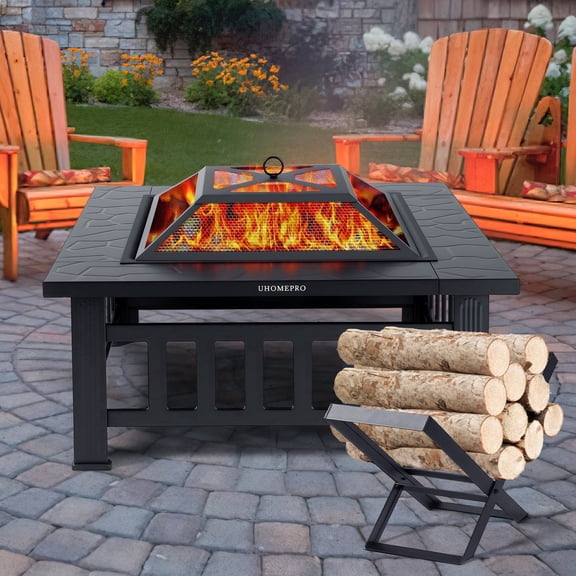
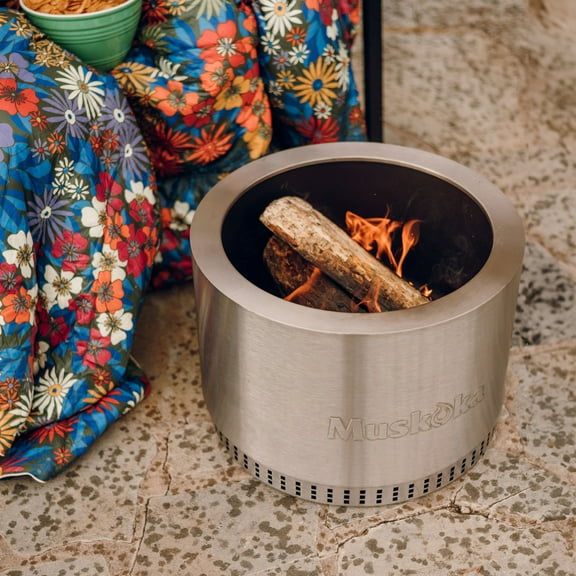
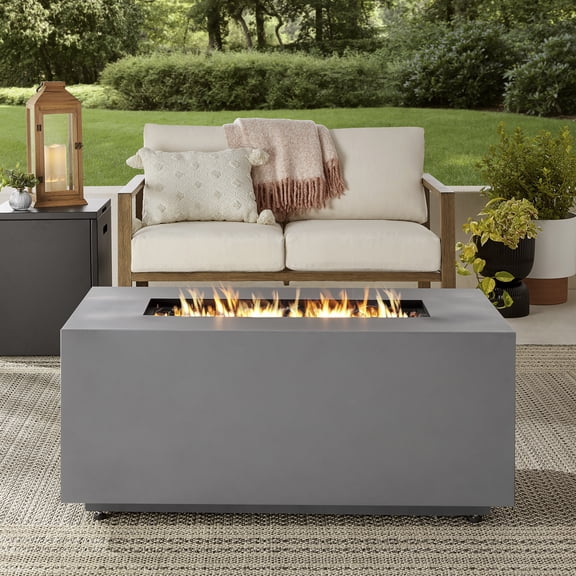
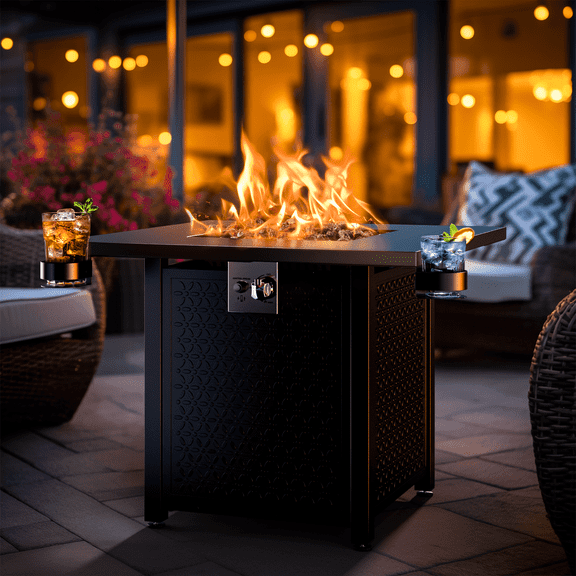
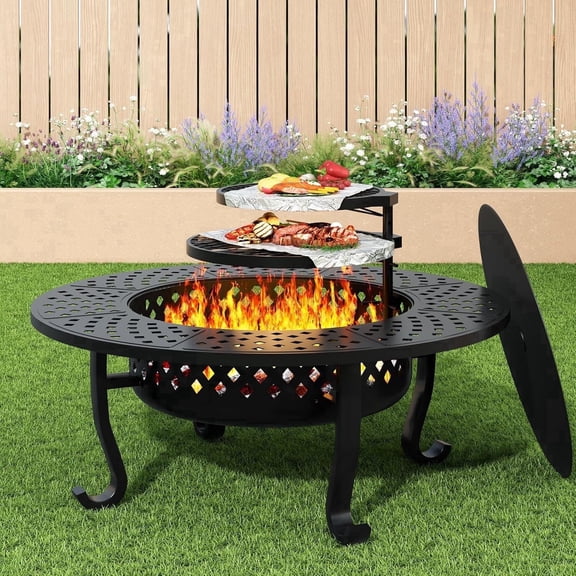
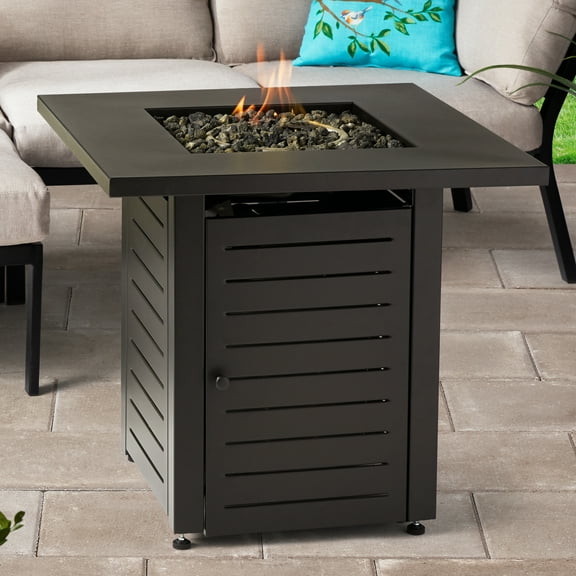
You can choose patio heaters when you want focused warmth with a tighter footprint. You may prefer outdoor fire pits when you want a social centerpiece and heat around multiple seats.
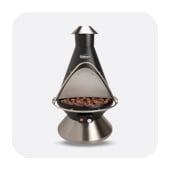
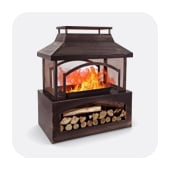
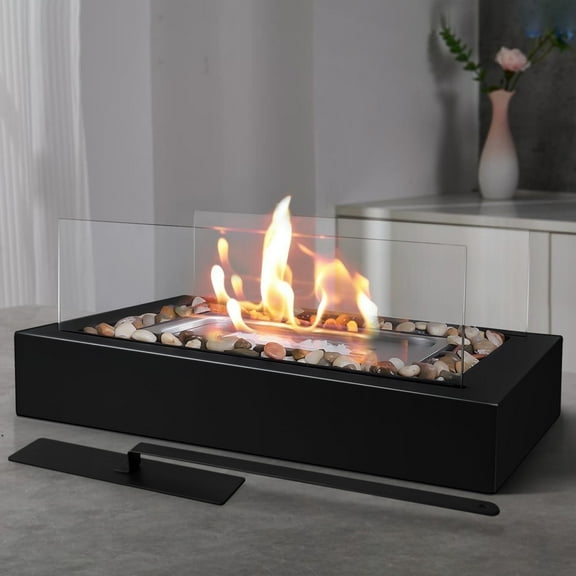
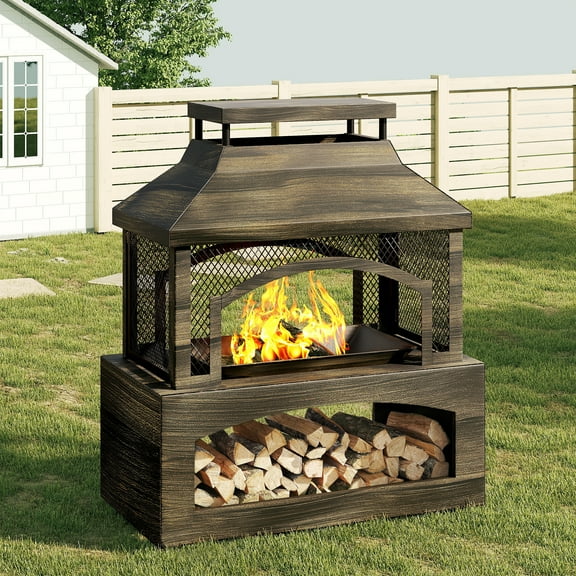
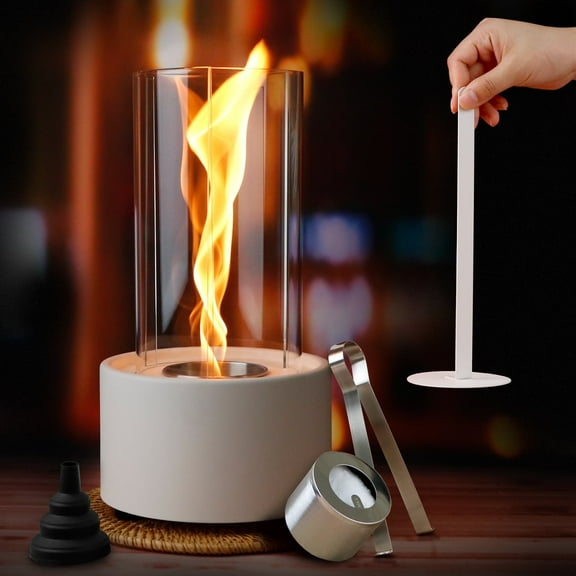
If you need flexible placement, you may consider tabletop patio heaters for dining tables or side tables. If you want a traditional flame look, you may compare outdoor fire pits and chimineas.
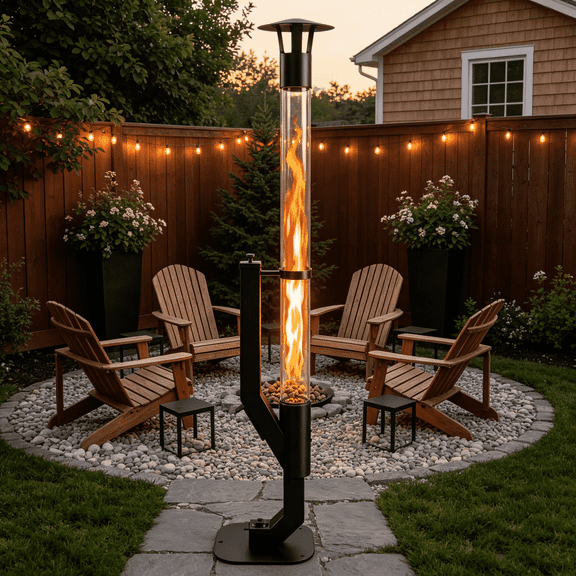
You should think about how each style fits your routine and layout. You may want deck heaters for narrow spaces, while a chiminea can direct heat forward in a defined zone.
You can also compare how each style affects traffic flow and furniture placement. You may find a freestanding heater highly flexible for walkways, while a fire pit anchors a lounge arrangement.
Choosing between propane patio heaters and electric outdoor heaters
You can choose propane patio heaters when you want stronger heat output and cord-free placement. You may prefer electric outdoor heaters when you want quick startup and a straightforward power connection.
If your outlet access is limited, you may find propane straightforward to position across a larger patio. If your space is covered, you should check the unit guidance and your available clearance first.
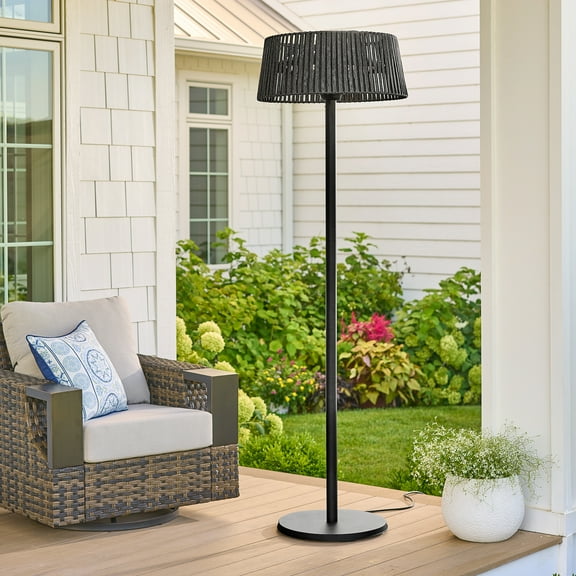
You can compare infrared patio heaters if you want direct warmth aimed at people instead of the surrounding air. You may like that focused heating for dining areas, workspaces, or porch seating.
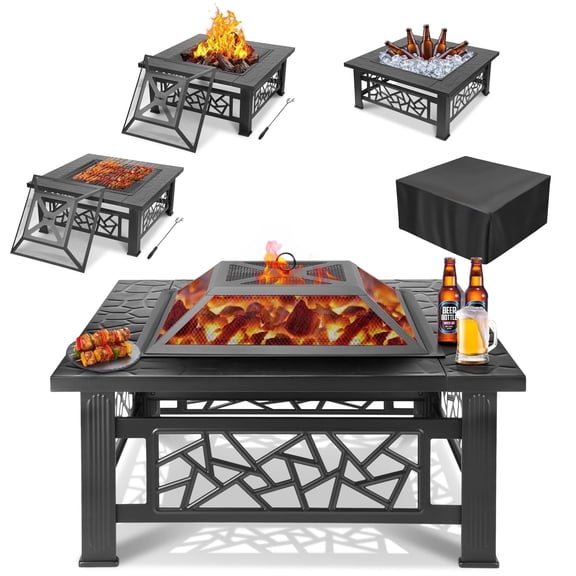
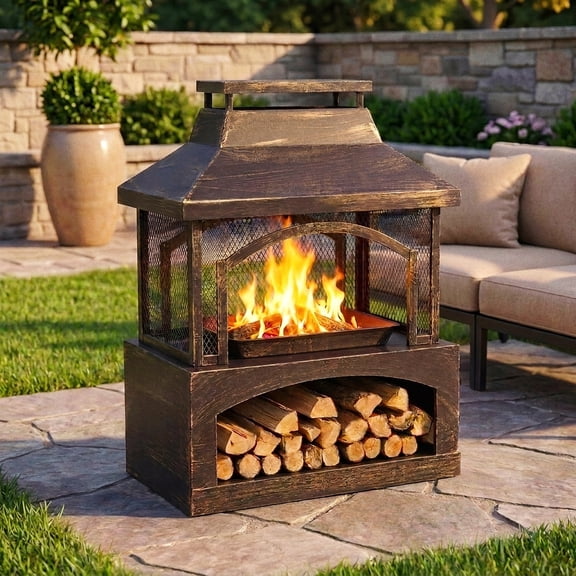
If you enjoy a fire-building experience, you may compare wood burning fire pits and chimineas. You should also consider ash cleanup, wood storage, and spark screen design when reviewing those options.
What to look for in heat output, materials, and movement
You should check whether the BTU rating matches your square footage and exposure to wind. You may need more output on open patios where heat can disperse quickly.
If you move your heater often, you should look for wheel kits and manageable footprints. You may also want weather-resistant covers for off-season storage and straightforward upkeep.
You can compare stainless steel, bronze, cast iron, and ceramic finishes based on your setting and style. You may like cast iron for a substantial feel, while ceramic can add decorative detail.
You should also think about tabletop height, base size, and overall weight before you choose. You may need a compact model for tighter decks or a heavy base for windy spots.
Understanding safety features and clearance needs
You should review tip-over protection, cool-touch trigger designs, and safety shut-off features before you decide. You can use these details to compare everyday convenience across heater styles.
If you plan to place outdoor heating on a covered deck or wooden surface, you should read clearance guidance carefully. You can compare side, rear, and overhead spacing to fit your layout.
You should measure the distance from railings, walls, umbrellas, and ceilings before selecting a unit. You may avoid fit issues when you match heater size and clearance needs early.
If you want seasonal storage to feel straightforward, you should compare detachable parts and cover compatibility. You may find that a portable design works well when weather shifts through the year.
Matching outdoor heating to real patio setups
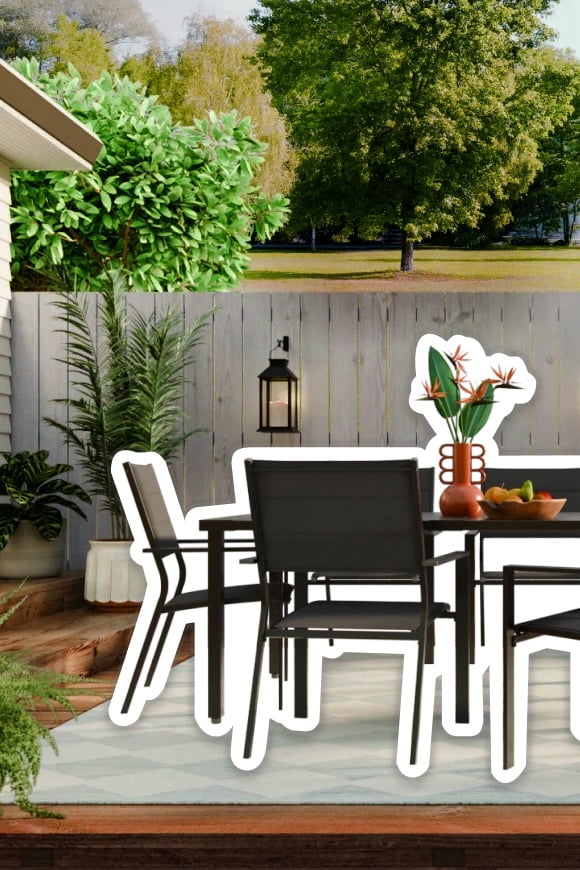
You may want a tall propane heater beside an outdoor dining set for steady evening meals. You can use a tabletop unit when you need warmth without taking floor space.
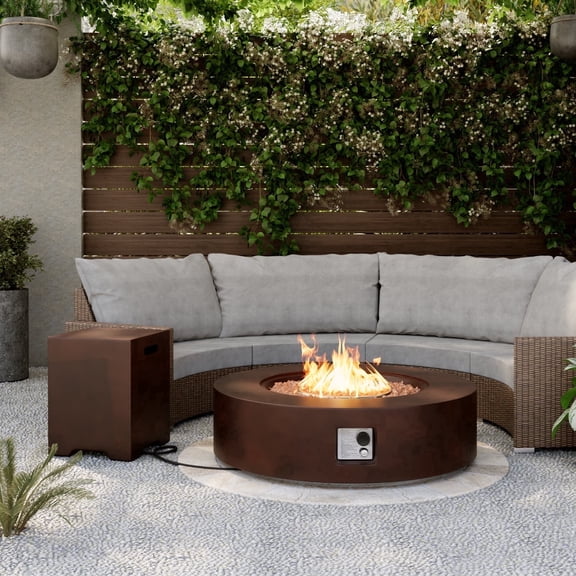
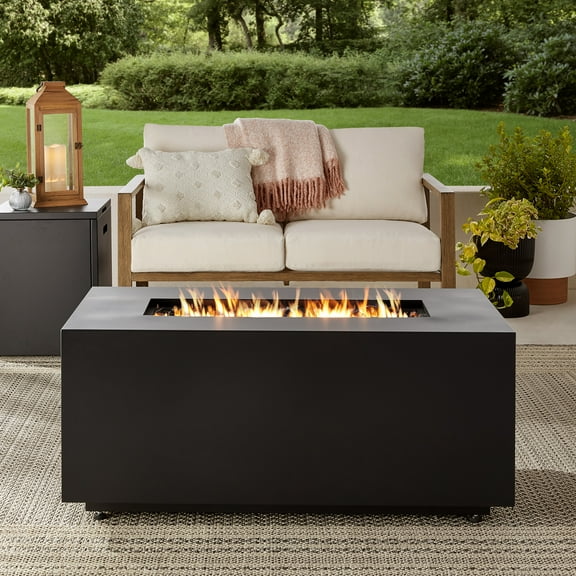
If your seating area centers around conversation, you may prefer outdoor fire pits with room for chairs on all sides. You can create a natural gathering point with a round or square fire feature.
You may choose electric outdoor heaters for porches where power access is convenient and placement stays consistent. You can use infrared styles when you want heat aimed at a favorite chair or table.
If your patio is long and narrow, you may compare deck heaters or chimineas that direct warmth forward. You should match the style to your footprint, furniture spacing, and storage plan.
You can feel more confident choosing outdoor heating when you compare BTU range, fuel type, style, and clearance together. You can find warmth that fits your space, your setup, and your outdoor routine.