


Find auto parts that fit
Let’s search for parts that fit your vehicle.Shop Wheels and Rims by Color in Wheels and Rims


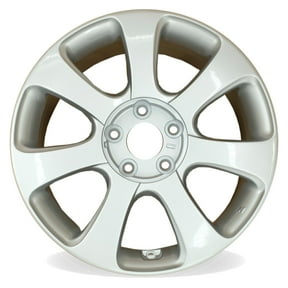

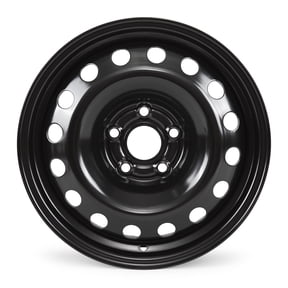

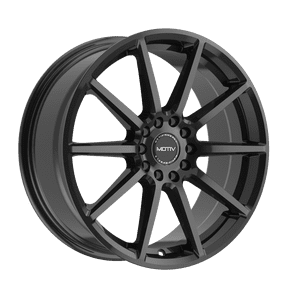
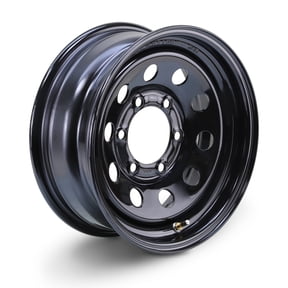
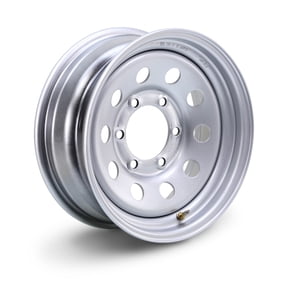


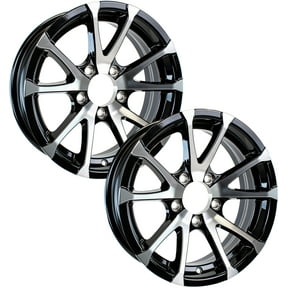
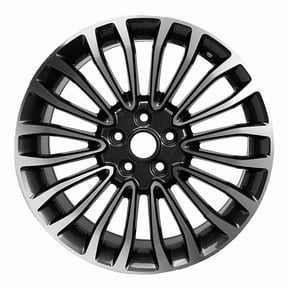


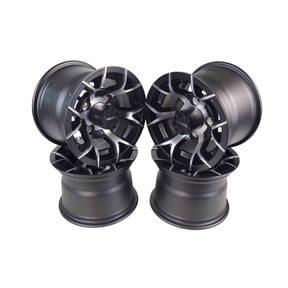
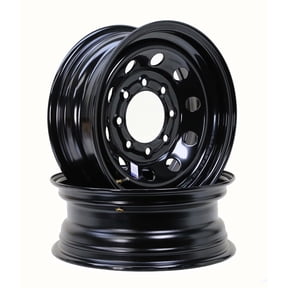

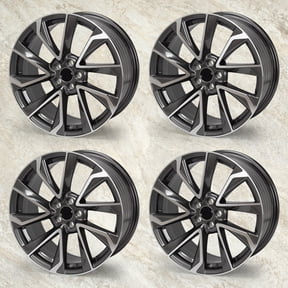
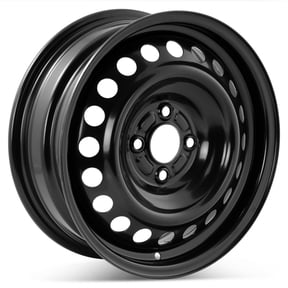

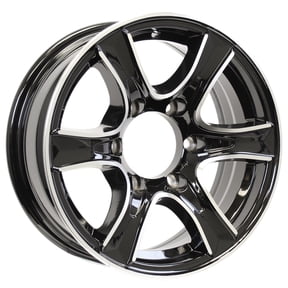
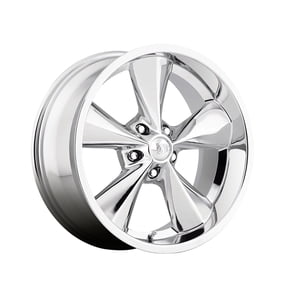

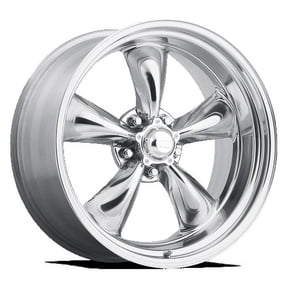
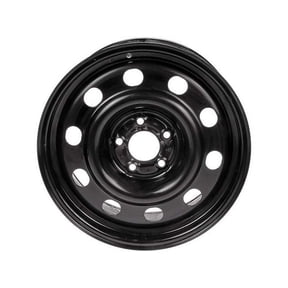
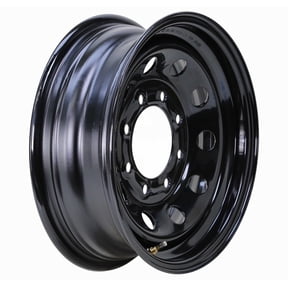
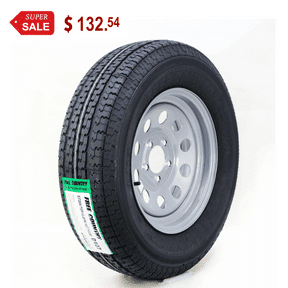

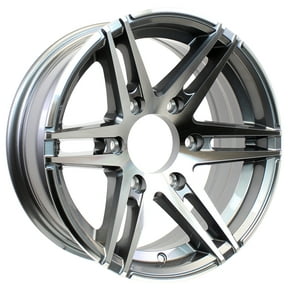
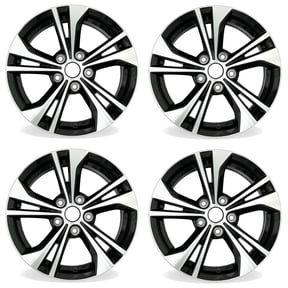
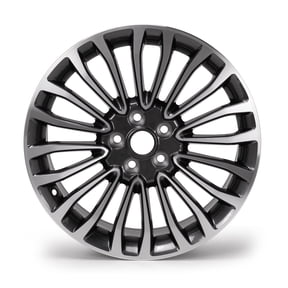


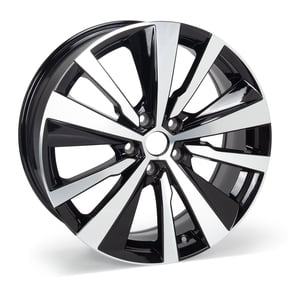

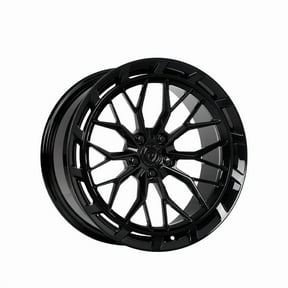
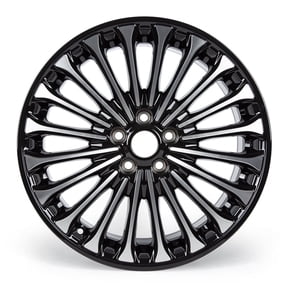


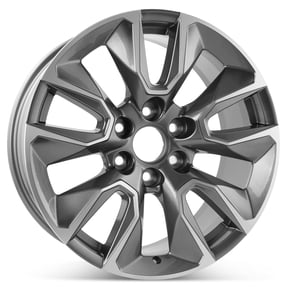
About Shop Wheels and Rims by Color in Wheels and Rims - Walmart.com
Wheels and rims are easier to compare when you start with fitment, diameter, and finish. Your search gets clearer when you match your vehicle type and wheel bolt patterns first.
How to choose wheels and rims for your vehicle
You should begin with fitment, because the right specs help your new set match your vehicle correctly. Your owner information, current wheel markings, or vehicle details can guide your first comparison.
Fitment starts with bolt pattern, offset, backspacing, diameter, and rim width. These details help you compare car wheels, truck rims, SUV options, and trailer setups with more confidence.
Diameter matters because your current tire setup works with specific wheel sizes. You can often compare 15 inch, 16 inch, 17 inch, 18 inch, or 20 inch options for common applications.
- You can match wheel bolt patterns like 5x114.3, 5x120, 4x100, and 6x139.7 to your hub setup.
- You can compare alloy wheels and steel rims by design, finish, and everyday driving needs.
- You can choose matte black or chrome finishes to shape your vehicle's overall look.
- You can review diameter and rim width together so your current tires align as intended.
Choosing between alloy wheels and steel rims
Material is one of your main buying decisions, because it affects style, upkeep, and everyday use. You may notice alloy wheels often feature reduced-weight construction and more detailed spoke designs.
Steel rims fit shoppers who want a simple design for work-focused driving and seasonal setups. Their straightforward appearance can suit utility vehicles and daily commuting with less styling complexity.
Your finish choice also changes how custom wheels look on your vehicle. You can compare black rims, chrome styles, and aluminum wheels by maintenance needs and visual impact.
Driving conditions matter when you compare finishes across the year. You may prefer one finish for road salt exposure, another for simple cleanup, and another for a bold custom look.
Understanding wheel bolt patterns and fitment details
You need the right wheel bolt patterns before you focus on appearance, because fitment drives every other decision. Bolt pattern means the number of lug holes and the spacing between them.
Offset and backspacing also deserve close attention, because they affect where your wheel sits. These measurements help you judge inner clearance, outer stance, and how your setup fills the wheel well.
Rim width works with wheel diameter to support tire compatibility. You can avoid guesswork when you compare width carefully with your existing tires or your planned tire size.
Vehicle type matters because passenger car, truck, SUV, and trailer applications often need different specs. You should confirm your selected wheel matches your vehicle before comparing color or spoke design.
Choosing the right diameter, width, and finish
You can compare 15 inch through 20 inch sizes by the balance you want between appearance and everyday use. Your setup may call for a factory-like fit or a larger diameter with a customized stance.
Measurement comes first when you change diameter, because tire fit depends on wheel size and sidewall choice. You can keep your shopping focused when you review diameter and rim width together.
Finish shapes both appearance and upkeep across daily driving. You can select matte black for a clean modern look, or you can choose chrome for striking visual contrast.
Spoke patterns, lip designs, and center profiles can refine your final choice. You can use those details to compare custom wheels without losing sight of fitment basics.
Matching wheels and rims to real driving needs
Your commuting vehicle may need car wheels that support daily driving and a refreshed appearance. You may prefer aluminum wheels when you want a sleek look with detailed spoke styling.
Truck rims often get compared by diameter, bolt pattern, and finish for work gear or outdoor travel. You should check fitment details first, then compare style choices that suit your cab and bed setup.
Your SUV may need a balance of road-ready style and practical sizing for family driving. You can compare wheel width, offset, and finish together when you want a clean fit with your current tires.
Trailer applications also depend on bolt pattern, diameter, and hub match. You should keep your measurements nearby so your replacement wheel aligns with your setup.
You can make an informed choice in wheels and rims when you focus on fitment first and style second. This helps you find a setup that matches your vehicle and supports your tire compatibility goals.