

The Farmer's Dog Quiz

Better food starts here
Let's determine your meal plan, recommended recipes, and daily price!
This will only take ~2 mins per dog.


About The Farmer's Dog Quiz - Walmart.com
If you’re comparing the farmers dog options, you’ll find fresh dog food with refrigerated meals, clear ingredients, and portion-ready feeding. You can use this page to compare food form, ingredient grade, life stage support, and storage needs before choosing your dog’s daily meals.
How to choose the farmers dog fresh dog food
When you choose fresh dog food, you’re choosing meals prepared for refrigeration instead of a pantry shelf. You can compare that format with wet dog food, dry food, and freeze-dried recipes based on your feeding routine.
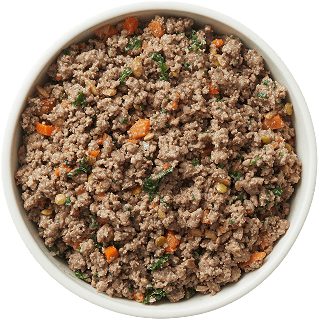
Fresh meals can fit you when you want visible ingredients and scoopable portions at serving time. You may also prefer this format when your dog’s bowl routine works better with softer textures.
As you compare formats, you should look at storage first because it shapes your daily routine. You’ll want to check refrigerated or frozen handling, serving instructions, and package size before you commit.
- You can portion meals with more precision when you choose pre-measured or clearly labeled packs.
- You can compare soft fresh textures with wet dog food if your dog prefers moist meals.
- You can review ingredient panels more easily when you see whole-food ingredients clearly on the package.
- You can align food choices with puppy, adult, senior, or all life stages feeding needs.
Choosing ingredient grade and healthy dog food goals
When you compare human grade dog food, you should focus on ingredient clarity and meal composition. You’ll want to look for named proteins, vegetables, and straightforward recipe information for confident daily feeding.
Human-grade and whole-food claims matter because you’re often looking for fewer mysteries in the bowl. You can use those details to compare fresh recipes with traditional dry or canned options.
If healthy dog food is your priority, you should match recipes to your dog’s life stage and everyday goals. You may compare puppy support, adult maintenance, senior needs, or all life stages convenience.
You can also narrow choices by sensitive stomach needs, skin and coat support, digestive health, or weight management routines. You’ll make a clearer choice when you connect those labels to your dog’s current feeding pattern.
What to look for in food form and serving details
Food form changes how you store, portion, and serve every meal, so you should compare it carefully. You’ll notice fresh dog food usually calls for refrigeration, while dry food stores in a cabinet.
If you’re choosing between fresh and wet dog food, you should consider texture, package format, and leftovers handling. You may like fresh packs when you want measured servings without opening a large can.
Storage and serving requirements are decision-critical because your routine needs to stay realistic every day. You should check whether meals arrive chilled, need freezer space, or only need refrigerator space after opening.
Portion control also matters when you’re comparing daily feeding plans across formats. You can use labeled portions and feeding guidance to serve more consistently across small, medium, or large dogs.
As you review sizes, you should think about bowl cleanup and mealtime prep time. You’ll often find softer fresh meals easier to portion than dense kibble or crumbly freeze-dried pieces.
Comparing life stage and routine fit
Your dog’s age changes what you should prioritize, so life stage deserves a close look. You can compare puppy, adult, senior, and all life stages formulas based on feeding frequency and portion size.
Puppy feeding often calls for easy portioning and consistent meal timing throughout the day. You may prefer clearly divided fresh meals when you want a simple routine for smaller servings.
Adult dogs often need a repeatable plan that fits activity level and body size. You can compare recipes aimed at maintenance, digestive health, or skin and coat support without changing your whole routine.
Senior feeding may lead you toward softer textures and simpler serving steps at mealtime. You should also compare package sizes if you want less waste and easier refrigerator organization.
If your home includes more than one dog, you should consider all life stages options with careful portion planning. You can simplify feeding when labeled guidance helps you separate servings by size or age.
Using transition and storage guidance before you commit
If you’re moving from kibble to the farmers dog meals, you should plan a gradual transition. You can mix small amounts at first, then increase fresh portions over several days.
That step matters because your dog’s routine changes when texture, moisture, and portion style change together. You’ll want serving guidance that helps you shift from dry scoops to fresh packs smoothly.
Storage questions also affect whether fresh meals fit your household. You should measure refrigerator space, check freezer room if needed, and confirm how many days of meals fit comfortably.
When you compare portion control with traditional dog food, you should think in terms of serving clarity and feeding consistency. You can often judge daily use more easily when you select divided and labeled meals.
This page helps you compare the farmers dog lineup with practical decisions that matter every day. You can choose fresh, human grade dog food with storage, serving, and life stage details that fit your routine.