


Find auto parts that fit
Let’s search for parts that fit your vehicle.ATV Engines & Engine Parts in ATV Parts









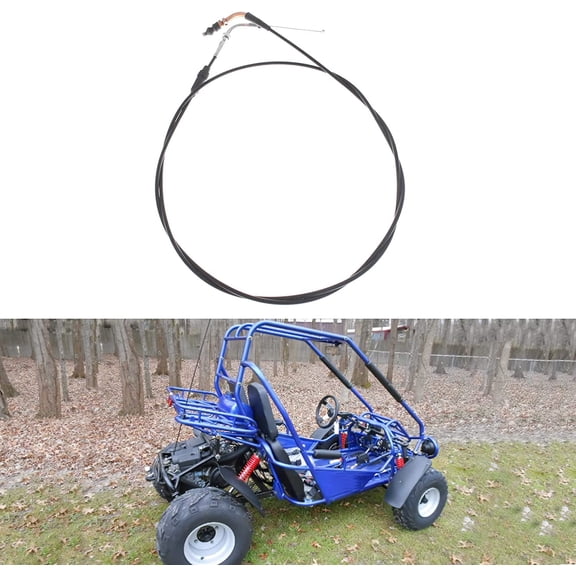

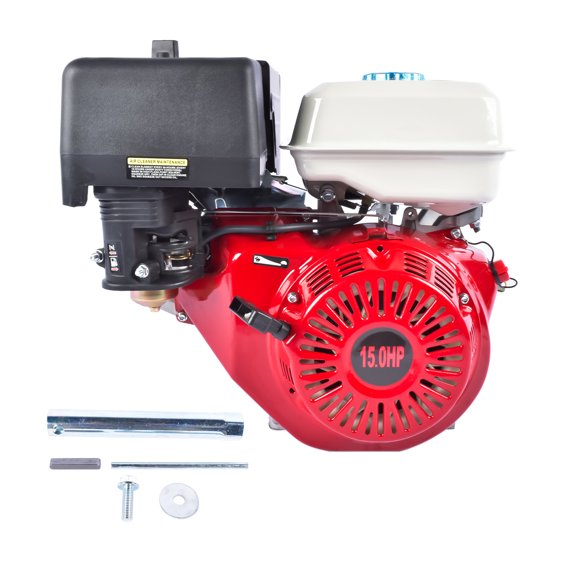


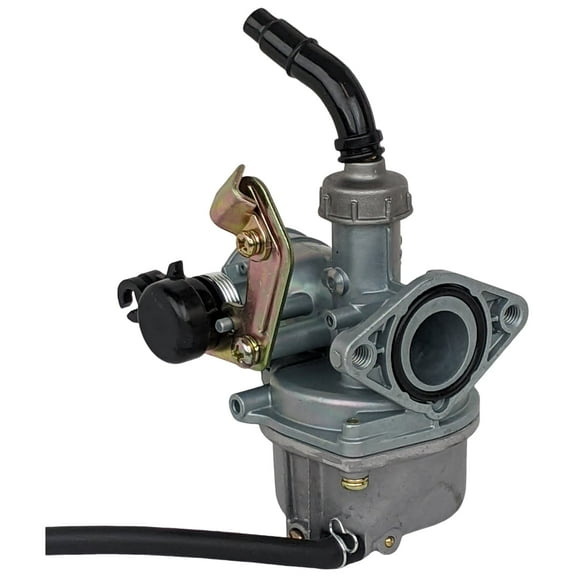

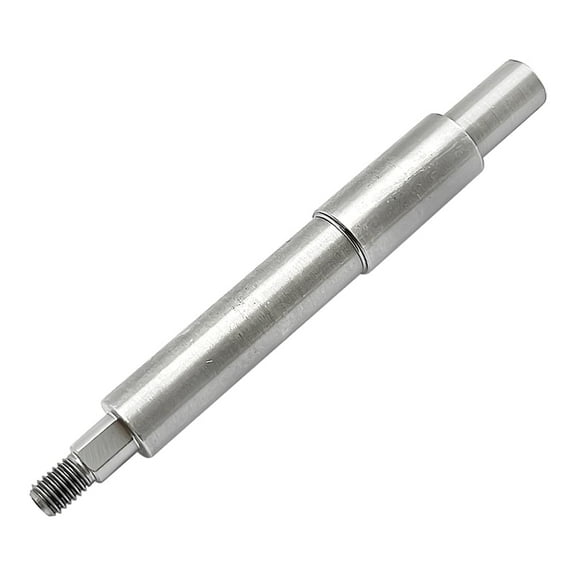







About ATV Engines & Engine Parts in ATV Parts - Walmart.com
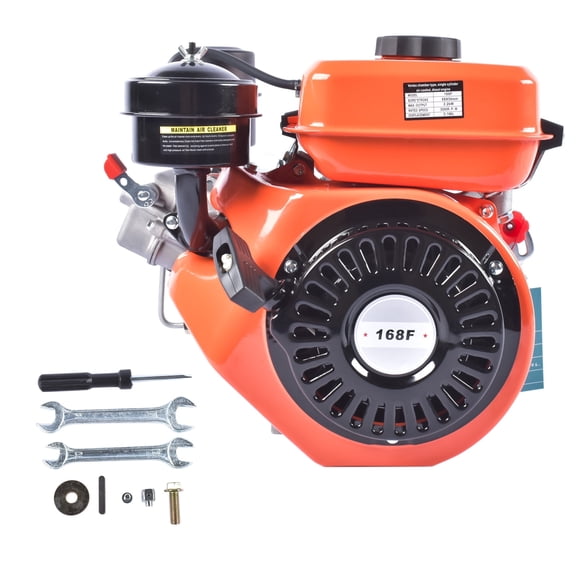
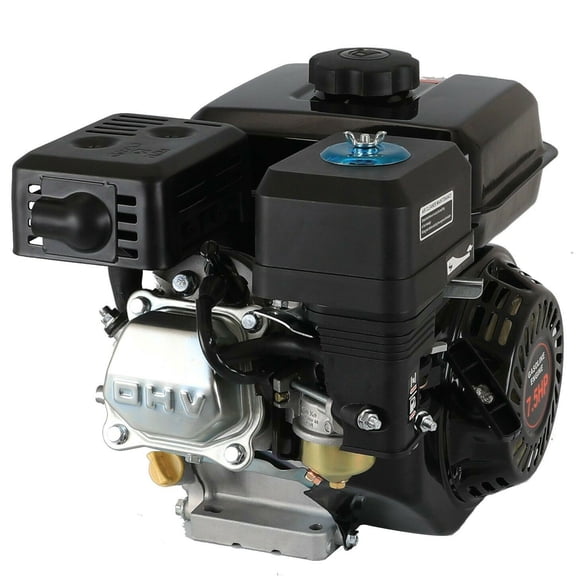
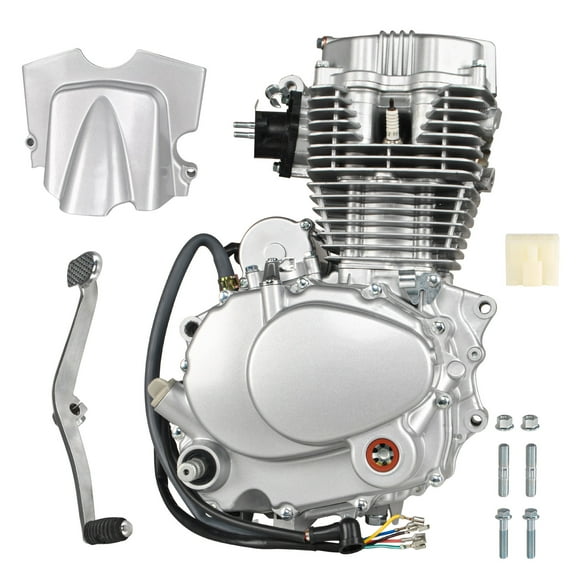
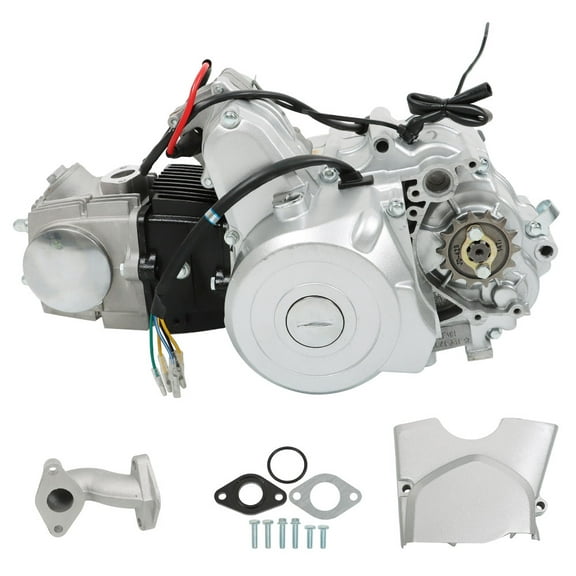
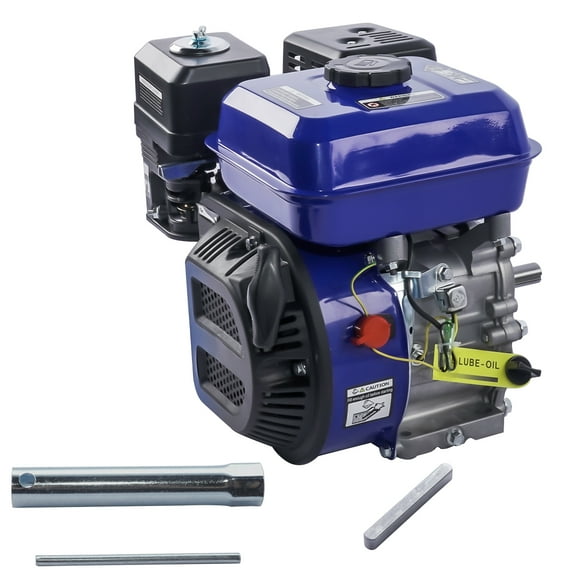
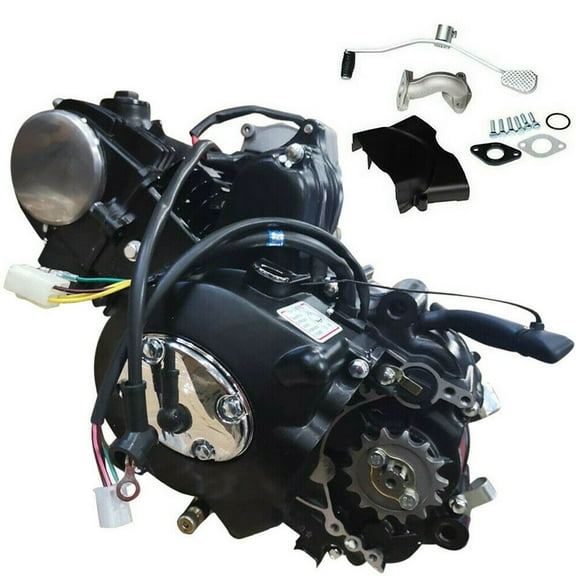
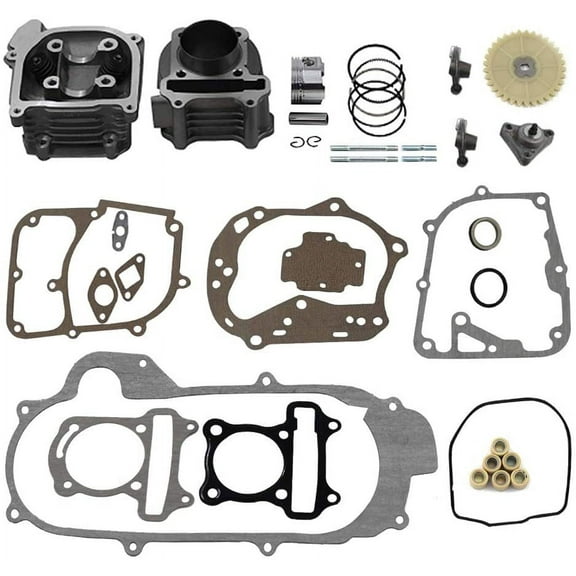
You can compare a 15 horsepower motor and ATV engine parts here with fitment details that help you match power, wiring, and shaft setup. You need category guidance that covers complete engines, harnesses, and carburetors, especially when your ATV build depends on exact compatibility.
When you replace an ATV engine or electrical part, you want fewer fitment surprises and clearer decision points. You can narrow choices by displacement, horsepower, shaft orientation, and part type before you commit to a replacement path.
How to choose a 15 horsepower motor
You should start with the job your ATV or small off-road equipment needs to handle. You can compare engine 15 options by vehicle weight, riding surface, and the load your setup carries.
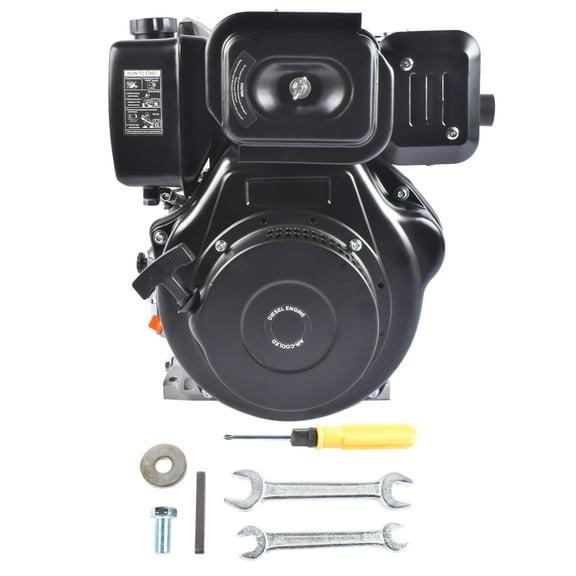
If you need stronger output for a larger frame, you may compare a 15 horse motor with an 11hp engine. You should also check whether a 420cc engine matches your target horsepower and mounting space.
You can use horsepower as a quick filter, but your fitment decision needs more than power alone. You should measure shaft diameter, mounting bolt pattern, and overall engine clearance before choosing a replacement.
- You can match horsepower to the weight and use of your ATV or utility build.
- You can confirm shaft orientation so pulleys, chains, or drive components line up correctly.
- You can compare part types, including a complete engine, wiring harness, or carburetor.
- You can reduce guesswork by checking plug style, CDI type, and intake sizing first.
You may also want a direct replacement when your current setup already performs the way you want. You can keep your project simpler by matching existing dimensions and connector layouts as closely as possible.
Choosing displacement, shaft orientation, and part type
You should compare engine displacement because 150cc and 420cc setups serve different builds. You can use 150cc options for lighter applications, while larger displacement often suits heavier frames and added load.
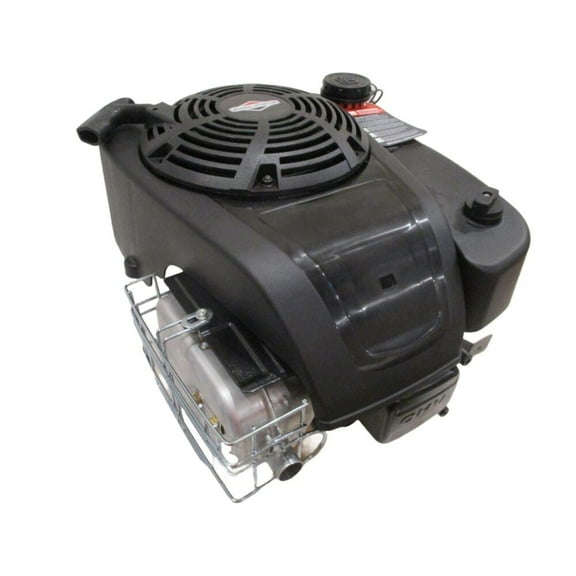
When you review shaft orientation, you need to know whether your machine uses a horizontal or vertical shaft layout. You can avoid alignment issues by matching the shaft direction to your current drive system.
If you’re replacing a complete engine, you should check crankshaft size and engine base measurements. You can prevent installation delays by comparing bolt pattern spacing with your existing mount points.
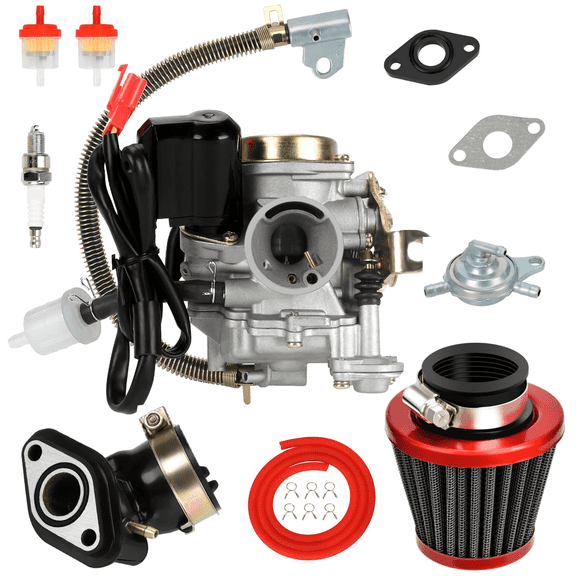
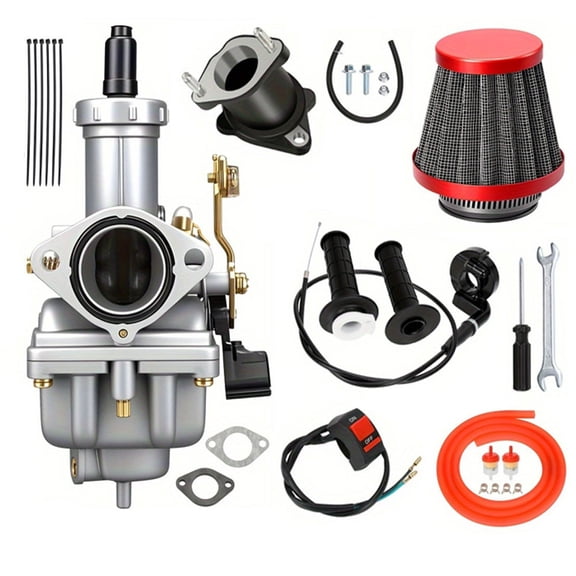
You may only need one supporting part instead of a full engine swap. You can focus on a 20mm carburetor when fuel delivery is the decision point, or choose electrical components when connectors are your priority.
For carburetor selection, you should compare the carb size with your intake manifold diameter and engine displacement. You can get closer fitment by checking throttle connection style and choke configuration.
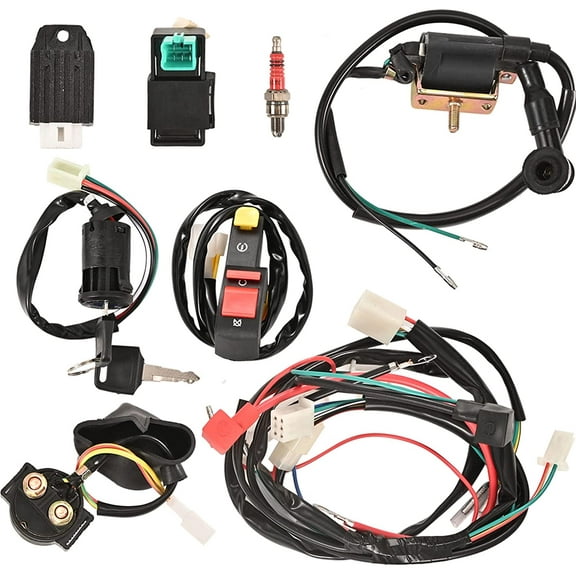
For electrical parts, you should compare wire count, plug shape, and ignition style before ordering. You can narrow a 150cc wiring harness choice faster when you know whether your system uses AC or DC CDI.
Comparing 150cc wiring harness options
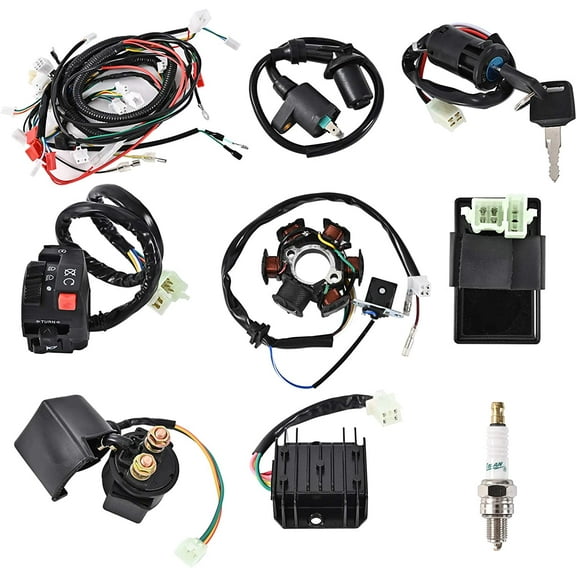
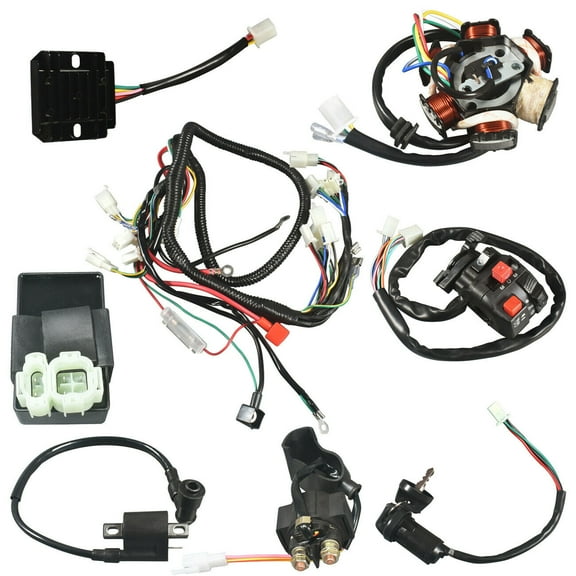
You should treat electrical compatibility as a core buying decision, especially on a 150cc platform. You can compare a 150cc wiring harness by connector style, stator connection, and CDI compatibility.
If your build uses a scooter-based engine platform, you may need a gy6 150cc complete wiring harness. You can also compare a gy6 150cc wire harness when you’re replacing only the electrical network.
You should check whether your harness matches your ignition switch, starter relay, and lighting connections. You can avoid extra rewiring when the plug layout already matches your ATV or buggy configuration.
Some shoppers also compare harnesses while replacing a charging component or stator-related connector group. You can simplify troubleshooting by matching the original plug count and routing length.
Matching engines and parts to real ATV projects
You can use a 15 horsepower motor for a replacement project that needs stronger output than a smaller engine provides. You should still confirm mount spacing, shaft specs, and clearance around guards or frames.
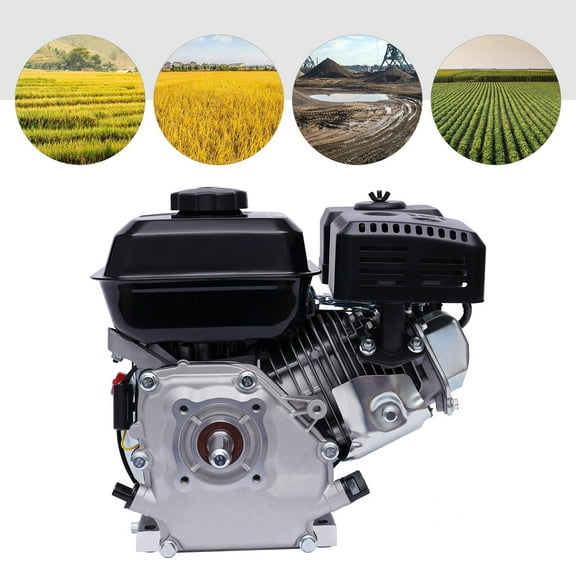
If you’re reviving a lighter off-road build, you may compare a 7 hp horizontal shaft engine with a larger option. You can choose based on available space, drivetrain alignment, and the work your machine actually performs.
When your machine cranks unevenly or the connectors don’t match your controls, you may focus on the harness first. You can compare a 150cc wiring harness or a gy6 150cc complete wiring harness for closer electrical fitment.
If your throttle response feels inconsistent during a rebuild, you may review carb sizing before replacing the whole engine. You can compare a 20mm carburetor with your manifold opening and cable setup for a more direct match.
You might also search what hp is a 420cc engine when you’re balancing displacement against output. You can use that comparison to narrow choices, then verify the measurements that determine actual fitment.
As you compare complete engines and supporting parts, you should prioritize the specs your current machine can accept. You can move forward with more confidence when horsepower, shaft orientation, wiring, and fuel components align.
You can make a more informed replacement decision when you measure first and compare the exact fitment points that matter. You can get closer to a workable ATV repair or rebuild with the right engine, harness, or carburetor match.