


Find auto parts that fit
Let’s search for parts that fit your vehicle.Car Power Adapters in Auto Accessories









![FOVAL 200W Car Power Inverter, DC 12V to AC 110V Car Inverter with [27W PD USB-C] & Dual USB Ports Multi-Protection Car Charger Power Inverter for Vehicles (Gray)](https://i5.walmartimages.com/seo/FOVAL-200W-Car-Power-Inverter-DC-12V-AC-110V-Car-Inverter-27W-PD-USB-C-Dual-USB-Ports-Multi-Protection-Car-Charger-Power-Inverter-Vehicles-Gray_f582ef5b-ccd3-49d1-9434-9764879f8a38.010a19b61ea623ae294f9435ac43d97d.jpeg?odnHeight=576&odnWidth=576&odnBg=FFFFFF)


















About Car Power Adapters in Auto Accessories - Walmart.com
Car power adapters help you keep phones, tablets, dash cams, and travel gear powered during commutes and road trips. You'll compare ports, wattage, and fit more clearly when you understand how each adapter style works in your vehicle.
Choosing the right car power adapters
Your first step is checking your vehicle's 12V outlet and the devices you charge frequently. You'll narrow your options faster by comparing port type, power output, and overall size.
With the right setup, your phone can charge while your GPS runs or your dash cam stays connected. That match also helps your adapter sit neatly without crowding nearby controls.
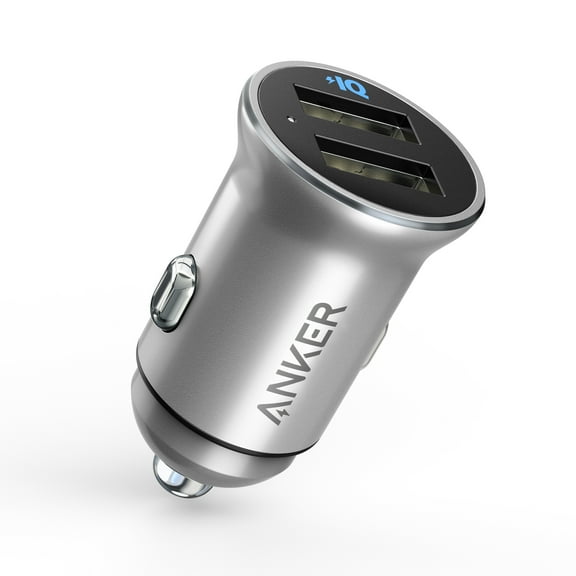
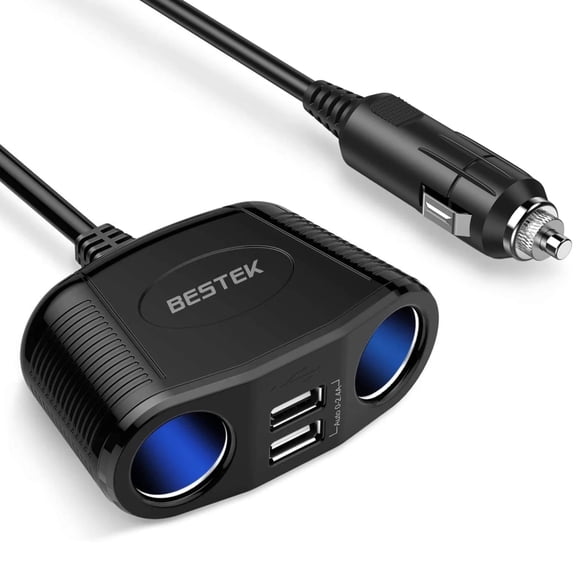
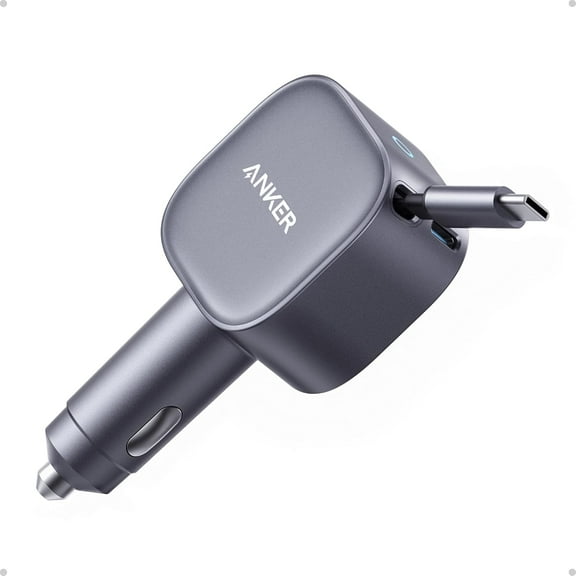
Some drivers prefer a compact car charger adapter for everyday use in smaller consoles. Others choose a larger car outlet adapter when extra reach or added outlets matter during travel.
What to look for in a car charger adapter
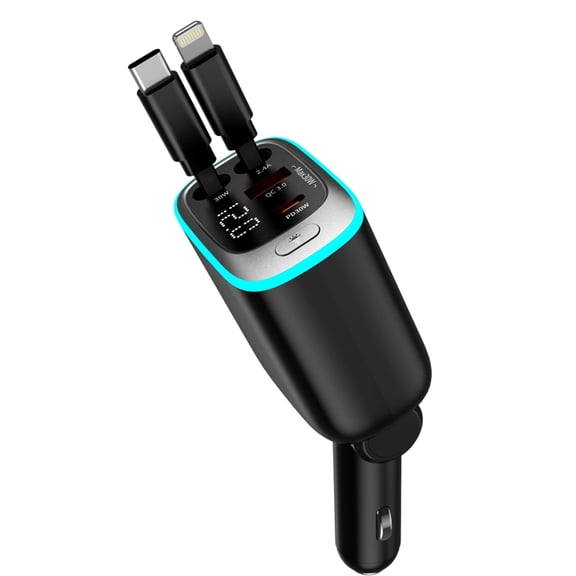
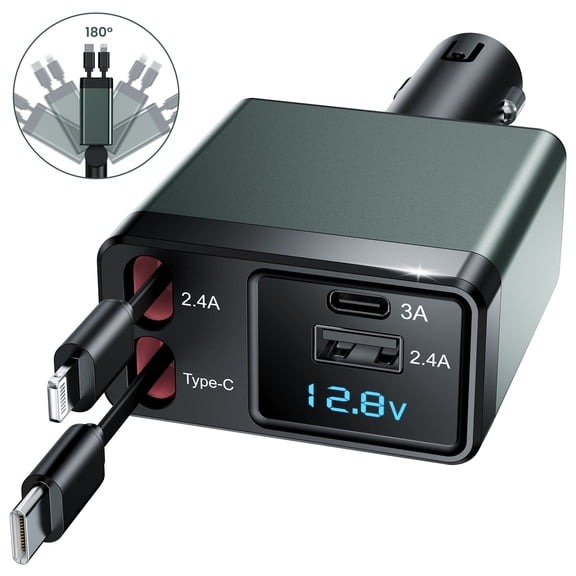
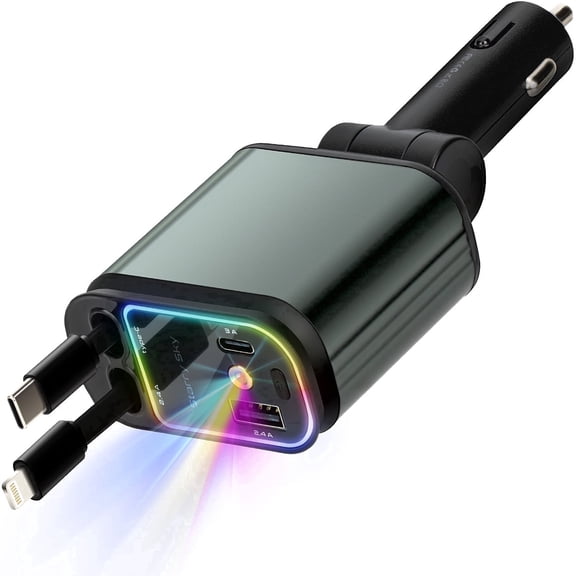
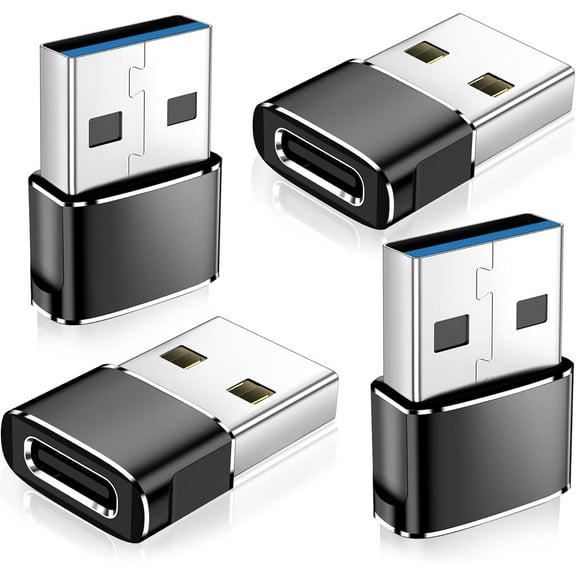
Your cables should guide your choice before anything else. You'll usually want USB-C for many newer devices, while USB-A still fits plenty of common charging cords.
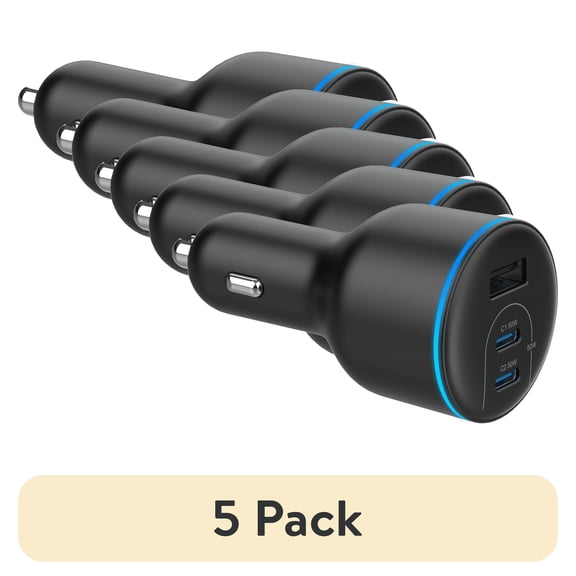
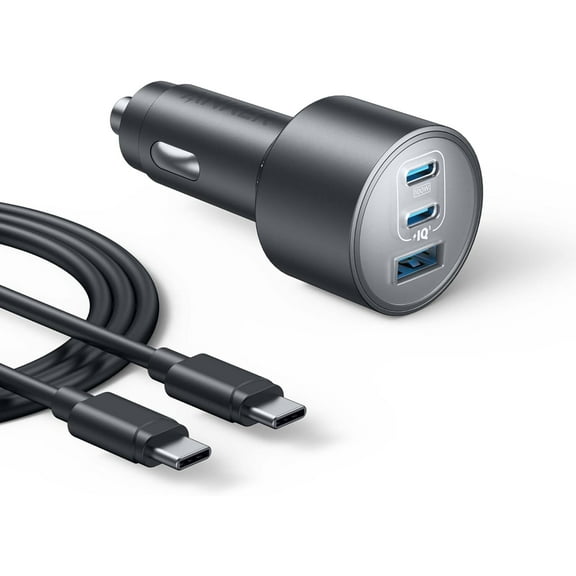
If several devices ride along, a dual or multi-port model may fit your routine more smoothly. That setup lets your passengers charge devices too without swapping cables at every stop.
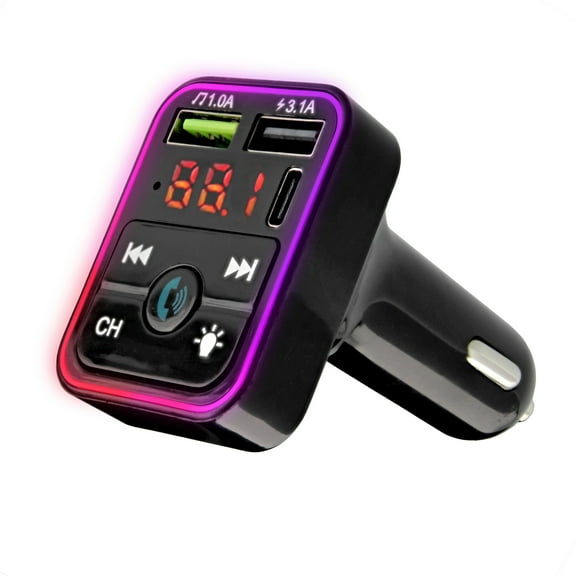
- Your USB-C port can support newer devices and common fast charging setups.
- Your USB-A port can fit many older cords and everyday accessories.
- Your dual USB design can keep two devices connected at the same time.
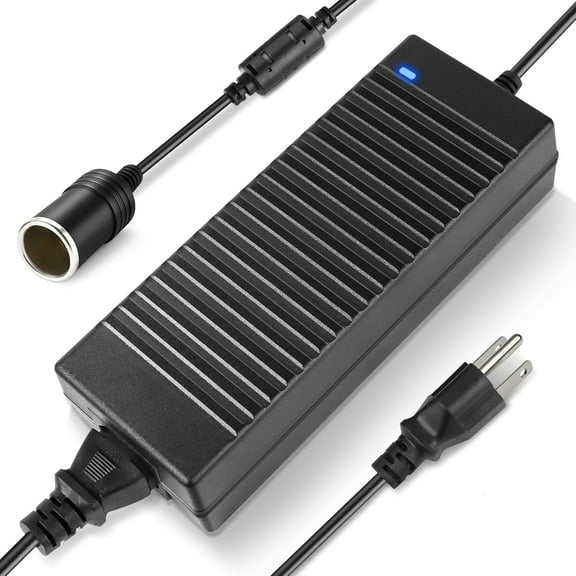
- Your AC outlet style can power select travel electronics that need a wall-style plug.
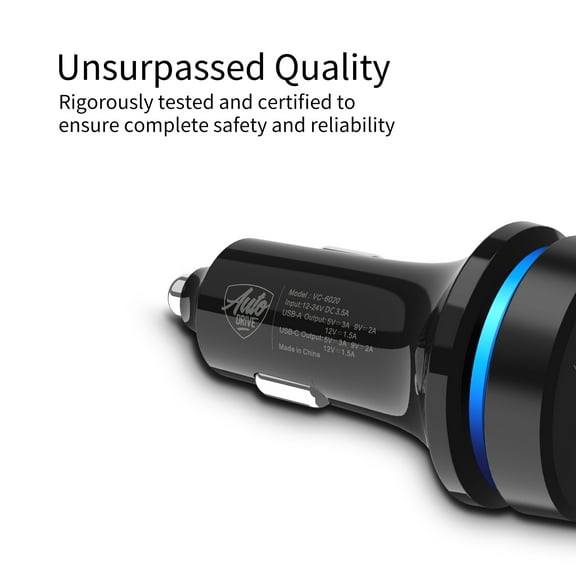
You may also notice the term cigarette lighter usb adapter in some listings. That wording usually points you to an adapter that plugs into a standard 12V socket.
Comparing 12v usb car adapter options
You should compare wattage before picking a 12v usb car adapter for your devices. A 12W model fits basic phone charging, while 18W or 30W supports rapid charging on compatible devices.
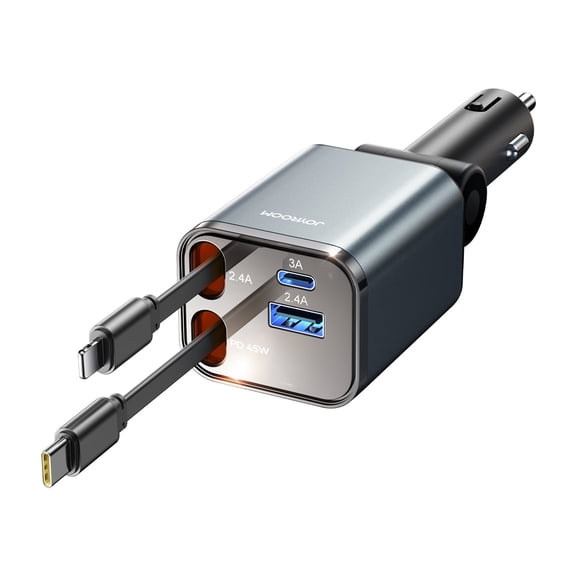
PD ratings matter when your newer phone or tablet supports higher-speed charging. You'll want that detail because it tells you whether your adapter can deliver the output your device expects.
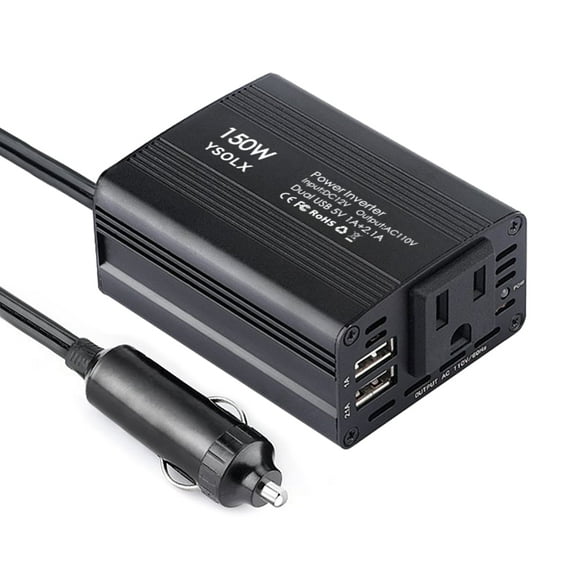
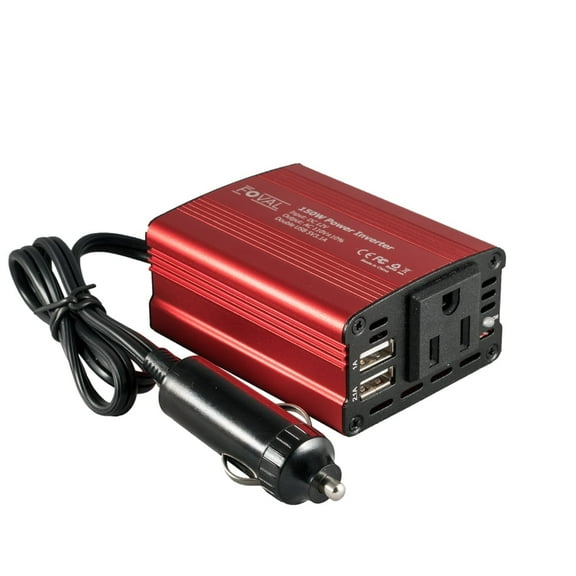
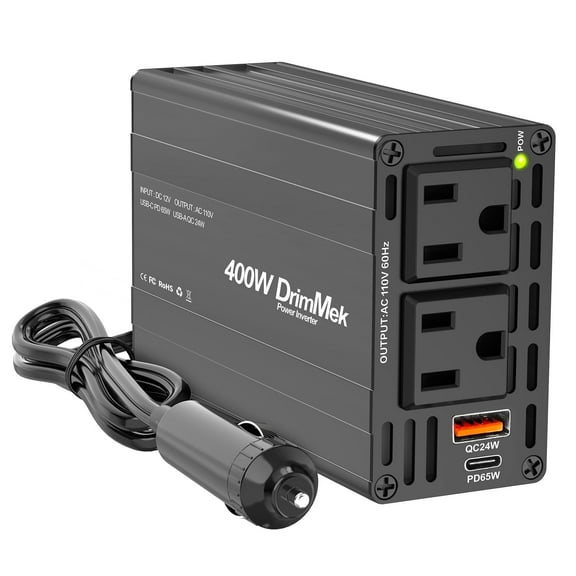
Some car power adapters also include AC outlets with 150W output for small travel electronics. That format gives you more flexibility when your gear needs more than a standard USB port.
Port count also changes how the adapter shares power during use. You'll want to check whether several connected devices split output across ports during navigation, streaming, or back-seat charging.
Checking fit, form factor, and safety details
You should read the product details closely before choosing a model for everyday use. Clear notes about current flow and heat control help you understand how the adapter supports steady charging.
Those details matter when your trips run long and your devices stay plugged in for hours. A well-matched adapter helps your charging setup feel more dependable in daily driving.
Your console layout also deserves a close look before you choose a plug-in design. Measuring the space helps you avoid a model that sticks out too far or blocks buttons and cup holders.
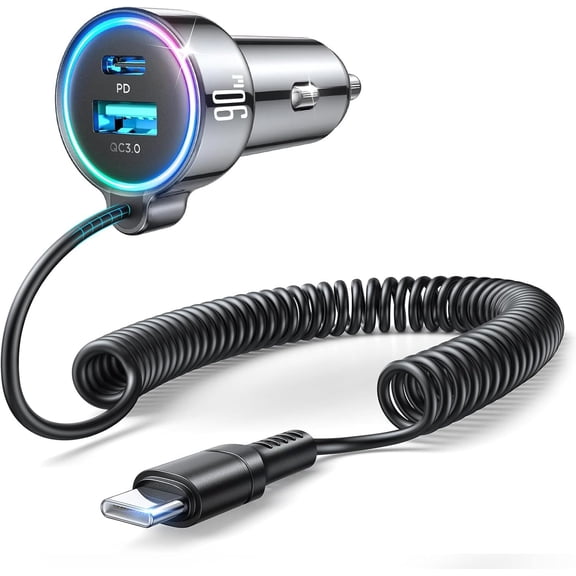
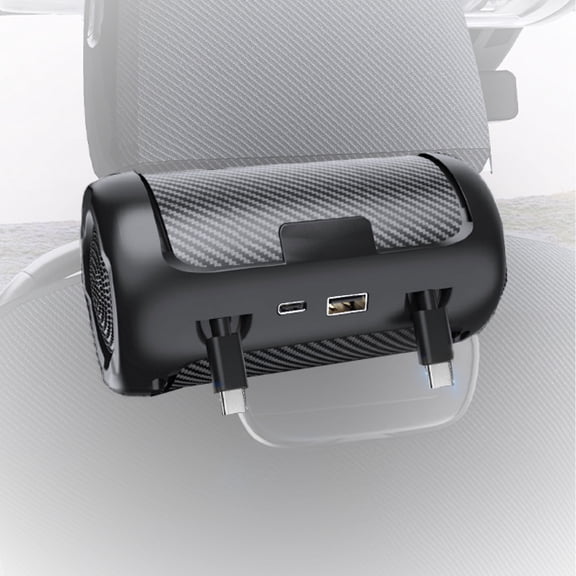
Some vehicles work well with corded or cup holder styles instead of short plug-in formats. That approach brings ports closer to passengers and keeps cables from bunching around the dashboard.
Matching port type and number of ports
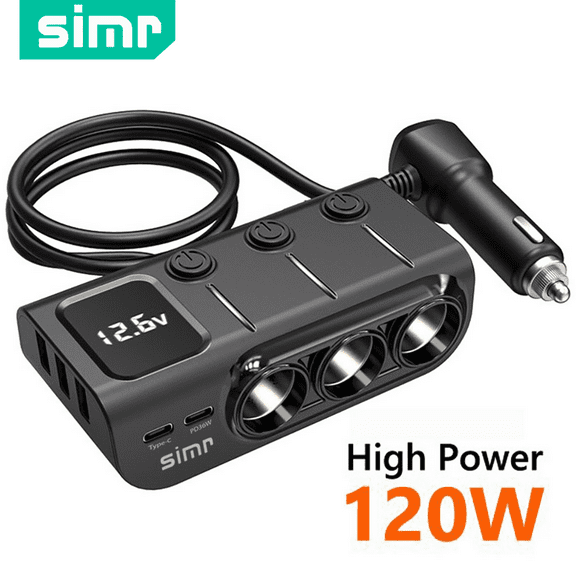
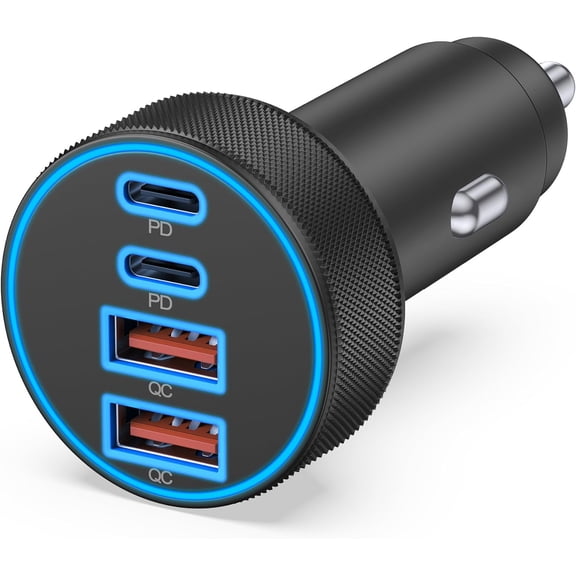
Your daily routine can point you toward the right number of ports. A single-port model suits one phone, while dual, three-port, or four-port designs support shared charging.
Mixed-device households often need both USB-C and USB-A in one adapter. That combination lets your newer cable and older cord stay useful in the same vehicle.
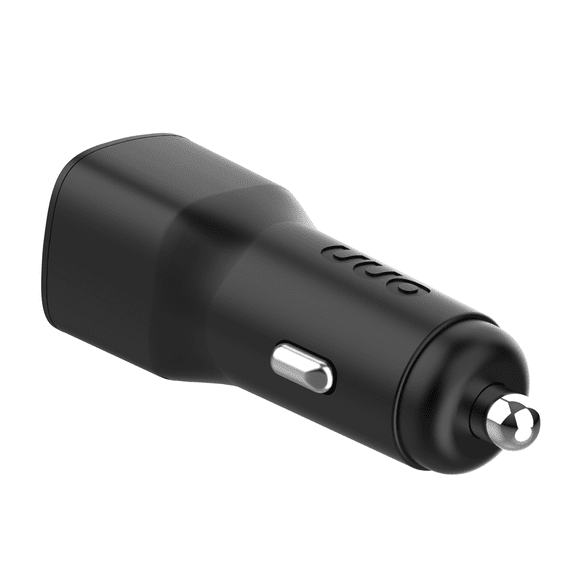
A plug-in shape works well when your outlet sits in an open, easy-to-reach spot. A cup holder design may make more sense when your console feels tight and you want ports higher up.
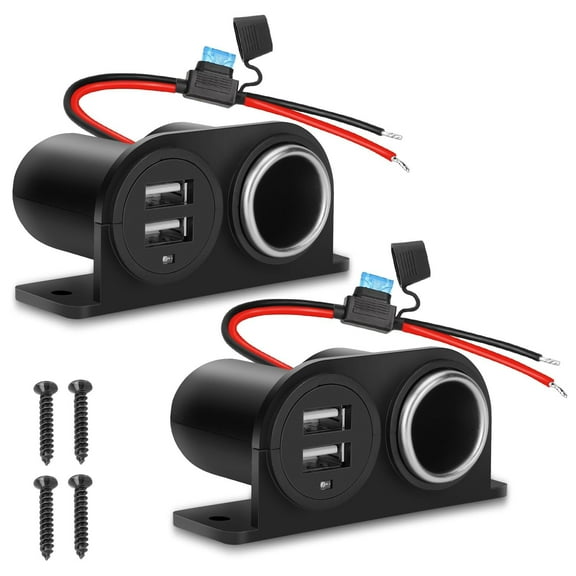
If your travel setup includes small wall-plug electronics, an inverter form factor may fit your needs. You'll want to compare outlet type, output, and size before choosing that style.
How your car charger adapter fits real driving needs
Your commute may call for a simple adapter that keeps your phone powered for maps and music. Longer drives may need extra ports for passengers, tablets, and charging cables in different formats.
Rideshare driving often calls for stronger output and more than one port. That setup helps you keep a phone, dash cam, and another small device connected across repeated trips.
Family travel can make a dual USB or multi-port layout feel easier to manage. Your front-seat and back-seat riders can stay connected without passing one charger around.
Work vehicles and shared cars may benefit from compact models that remove easily after each drive. That size makes storage simpler and keeps bulky hardware from cluttering the console.
When your devices, outlet type, and console space line up, your charging setup feels easier from the first trip. The right adapter helps your gear stay powered with fewer cable swaps and less dashboard clutter.