

Push & Pedal Ride Ons in Ride Ons
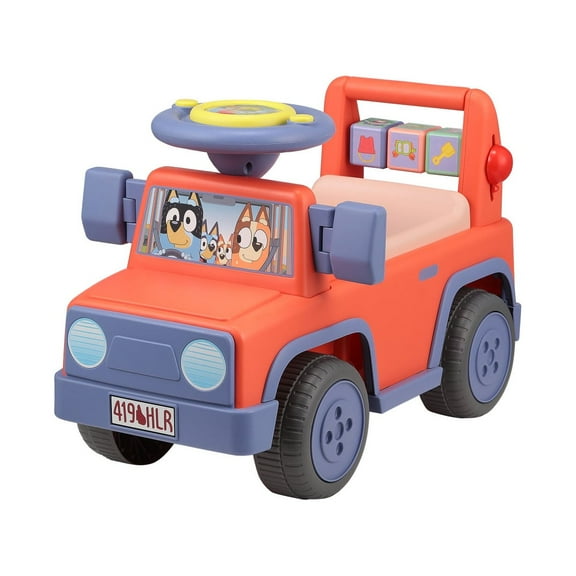


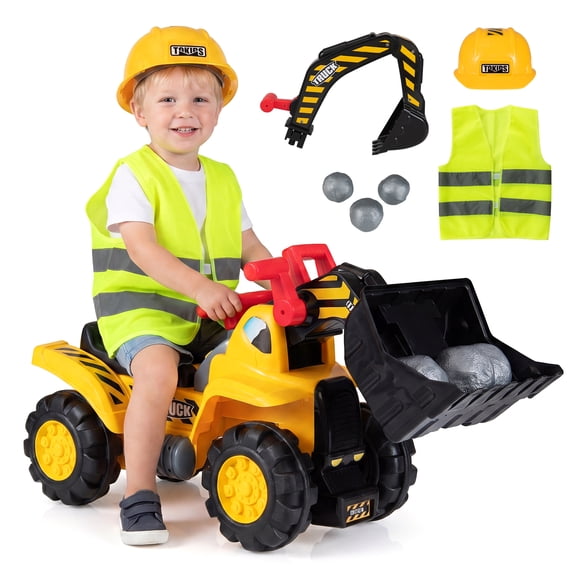
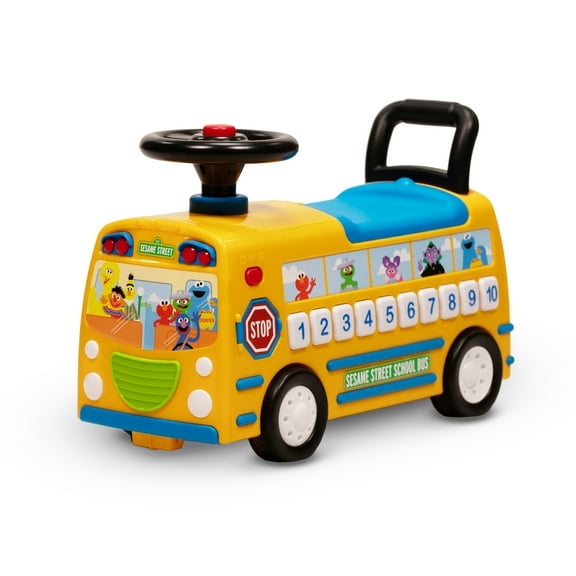


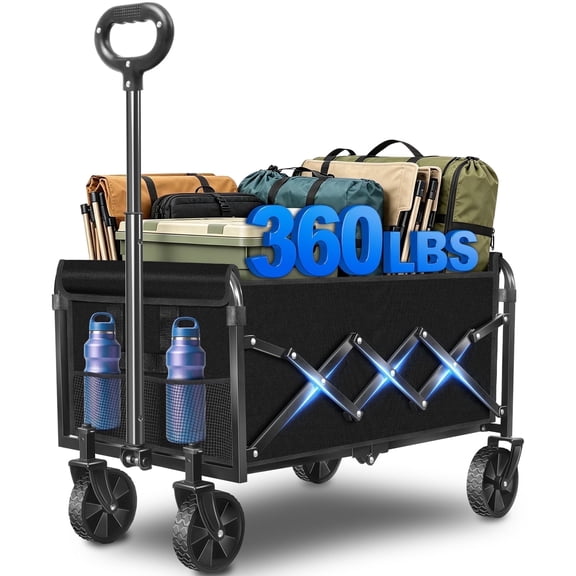
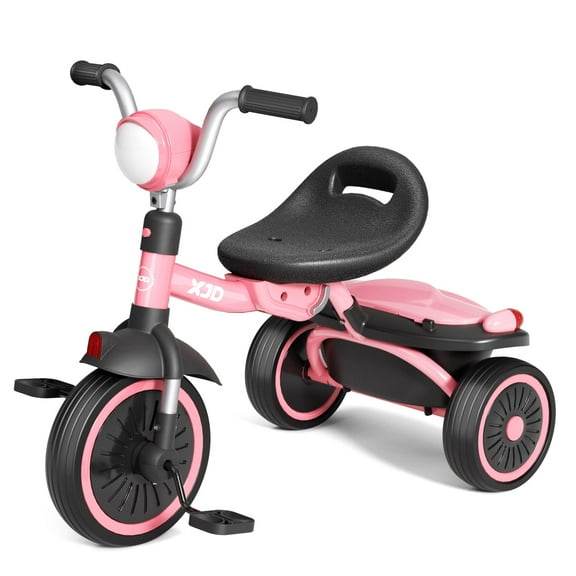


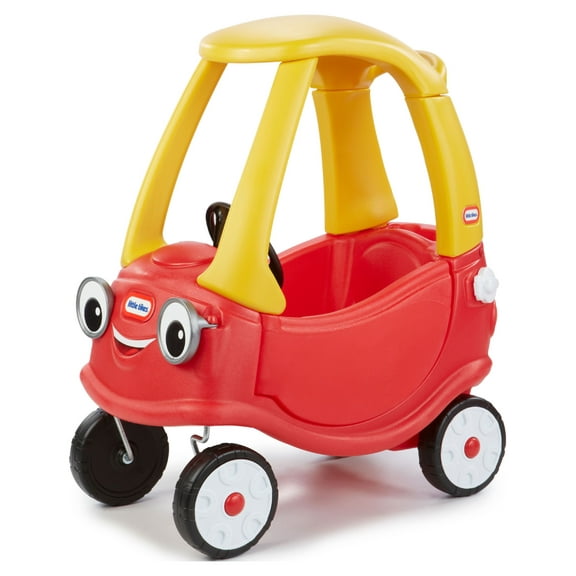


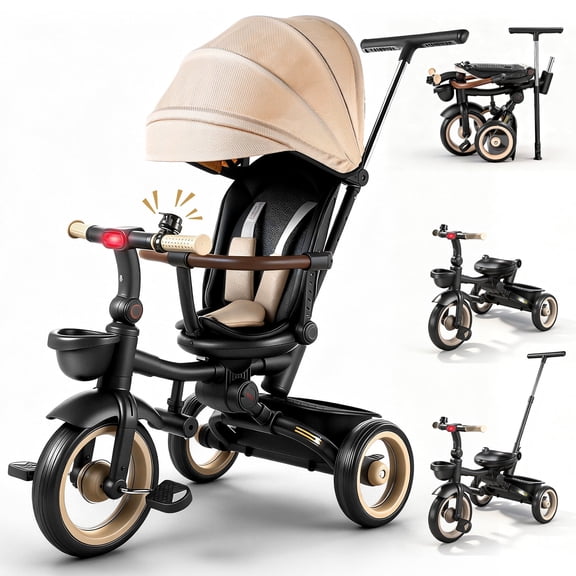


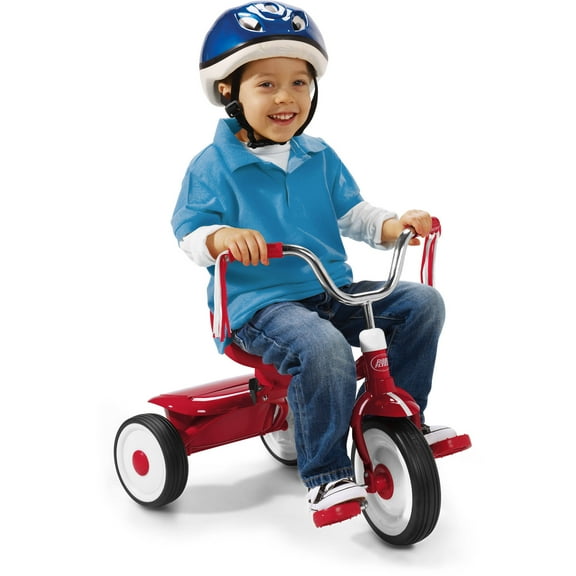








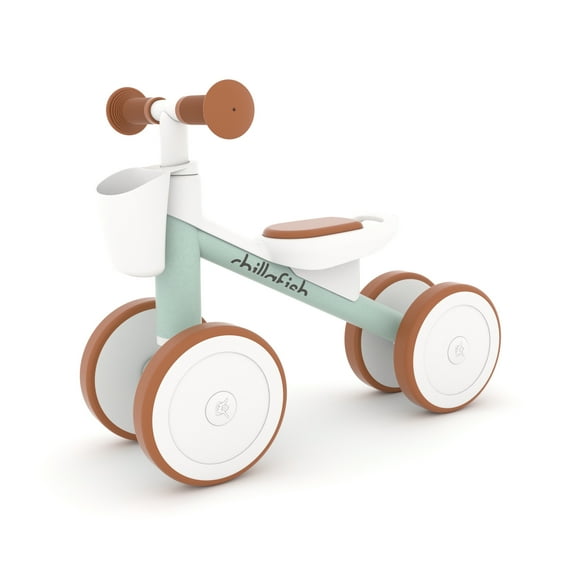


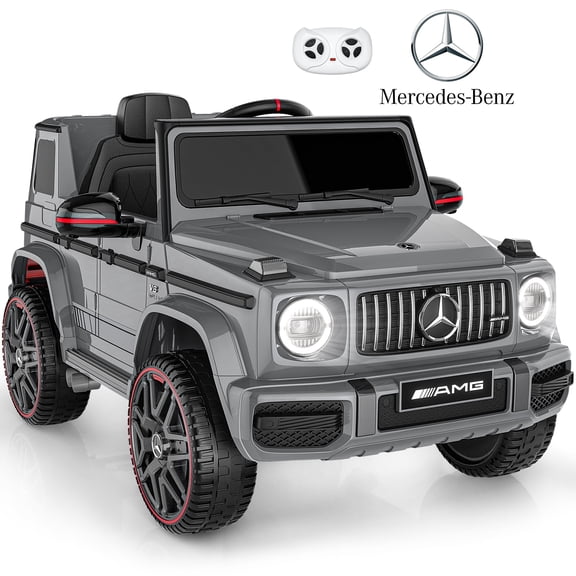
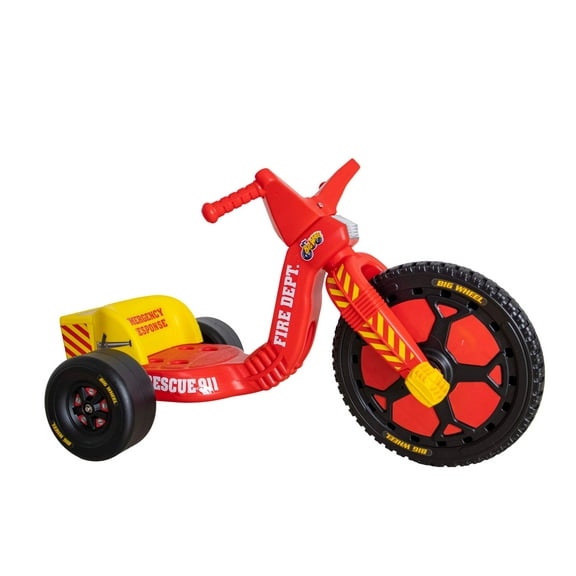


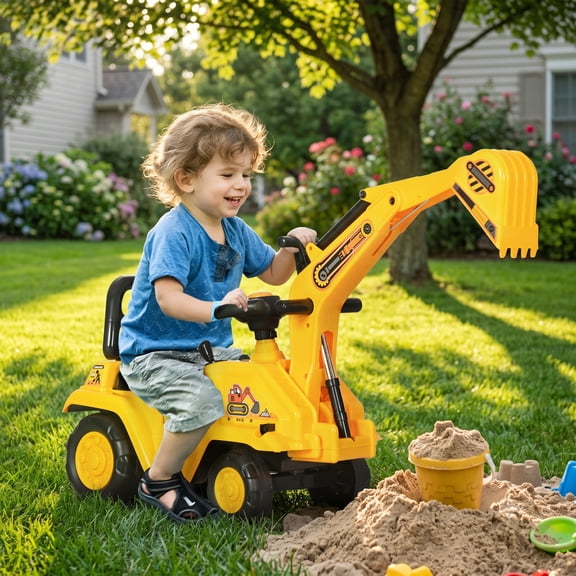








About Push & Pedal Ride Ons in Ride Ons - Walmart.com
Garage storage cabinets help you organize tools, cleaners, and seasonal gear with enclosed storage that suits busy garages. You can compare materials, mounting types, and shelf ratings to choose a setup that matches your space.
If you store paint cans, power tools, car supplies, or sports equipment, you need cabinets built for garage use. You can use this guide to compare durable construction, locking options, and layout choices with more confidence.
How to choose garage storage cabinets
When you compare garage storage cabinets, you should start with what you plan to store each week. Your heaviest items, your open wall area, and your preferred setup all shape the right cabinet choice.
You may want enclosed storage because you can keep smaller gear grouped together and out of sight. You can also create a cleaner work zone when your shelves, bins, and tool cases have dedicated cabinet space.
- You can keep hand tools, spray bottles, and car supplies organized behind doors.
- You can reduce visual clutter when your loose gear no longer sits on open shelving.
- You can separate heavy items from lighter supplies by shelf load rating.
- You can choose locking access when your garage stores valuables and workshop gear.
Another key benefit is flexibility across changing seasons and projects. You can use enclosed cabinets for gardening gear in spring, auto supplies in winter, and sports equipment all year.
Choosing material: metal garage cabinets and other options
You should compare cabinet material first because it affects durability, maintenance, and everyday use. Metal garage cabinets often suit you when you want a rigid frame and a workshop-ready look.
If your garage feels unheated or damp, you may want finishes designed for moisture resistance. You should also check whether your cabinet surface wipes clean easily after dust, grease, or mud.
Steel and other metal builds usually appeal when you store heavier equipment or boxed hardware. You can pair metal garage cabinets with workbenches and tool chests for a more consistent setup.
Resin and plastic options can work well when you want lighter pieces that are easier to reposition. You may prefer those materials if your stored items are lighter and your assembly needs are simpler.
Wood options can fit garages that double as hobby areas or home entry zones. You should confirm shelf support and surface durability before you place dense tools or paint cans inside.
Choosing load rating: heavy duty garage cabinets
You should check shelf load rating in pounds before you choose a cabinet size or style. That number shows you how much weight each shelf is designed to hold during regular use.
Heavy duty garage cabinets are useful when you store power tools, stacked containers, or bulk auto supplies. You can avoid shelf strain by matching the load rating to your heaviest items.
Medium duty cabinets can suit mixed storage like cleaners, extension cords, and smaller cases. You may prefer light duty options when you store paper goods, gloves, or empty bins.
As you compare units, you should look for adjustable shelves that help you change the interior layout. You can create taller sections for helmets, shop vacuum parts, or gallon bottles when shelf positions move.
Choosing mounting type for your garage layout
You should measure your floor area and wall clearance before selecting a mounting type. Your layout will usually point you toward freestanding garage cabinets, wall mounted garage cabinets, or mobile options.
Freestanding garage cabinets can work well when you want enclosed storage without wall installation. You can place them along a side wall, beside a workbench, or near larger shelving units.
Wall mounted garage cabinets help you keep floor space open for parking, rolling stools, or cleanup. You should check stud placement and cabinet dimensions before you plan your installation height.
Rolling or mobile cabinets can make sense if your projects move around the garage. You can keep fasteners, hand tools, and detailing supplies nearby, then reposition storage as your task changes.
If you want a mixed system, you can combine garage shelving and cabinets for layered organization. You might use enclosed upper cabinets with open lower shelving for bulky bins and quick-grab items.
Choosing locks, doors, and daily access
You should think about who uses your garage and what you store inside each cabinet. Your choice may come down to locking with keys, padlock compatible hardware, or simple non-locking latches.
Locking with keys can suit cabinets that hold power tools, detailing kits, or sharp workshop accessories. You can keep specific items separated while still organizing them in one enclosed spot.
Padlock compatible doors can give you flexibility if you already use a standard lock system. You should confirm door alignment and handle style if secure closure is part of your buying decision.
Non-locking cabinets can work well when you want quick access to often-used supplies. You may prefer them for cleaning products, gardening tools, or wash buckets that move in and out often.
Matching garage storage cabinets to your projects
If your garage doubles as a workshop, you may want steel cabinets with higher shelf ratings. You can store drill cases, hardware organizers, and power cords without giving up clean sight lines.
When your space handles lawn and garden gear, you may want moisture-resistant surfaces and flexible shelf spacing. You can fit fertilizer bags, sprayers, gloves, and seed trays more neatly that way.
If your main goal is vehicle care storage, you may prefer narrow cabinets near your parking area. You can keep wax, towels, wash tools, and refill bottles together for faster weekend cleanup.
For family garages, you might use wall mounted garage cabinets above open floor zones. You can leave room for bikes, coolers, and sports gear while keeping smaller items contained overhead.
When you need a balanced setup, you can compare cabinet depth, door swing, and shelf count together. You can end up with storage that fits your tools, your footprint, and your daily routine.
With the right cabinet style, you can organize heavy gear, protect floor space, and keep your garage easier to use. You can notice a cleaner setup that supports projects, storage, and everyday access.