

Surgery Books in Medical Books






















About Surgery Books in Medical Books - Walmart.com
Surgery books help you compare specialties, training levels, and formats before you choose a text that fits your study goals. You can use this category to narrow surgical textbooks, atlases, and review guides by how you learn and practice.
If you're building a course list, preparing for rounds, or updating a professional library, you need titles with the right scope. You can focus on visual procedure support, exam prep structure, or specialty-specific depth without sorting through unrelated subjects.
How to choose surgery books by specialty
You should start with the surgical specialty that matches your coursework, rotation, or daily practice. You can compare general surgery, orthopedics, cardiothoracic, and plastic surgery titles based on the cases you expect to review.
When you choose general surgery texts, you often want broad coverage across common procedures and perioperative topics. If you study orthopedics, you may prefer books with joint anatomy, fracture classifications, and imaging-based examples.
For cardiothoracic study, you may look for focused coverage on thoracic anatomy, operative planning, and detailed intraoperative visuals. If you follow plastic surgery topics, you may want reconstructive principles, flap concepts, and step-based image sequences.
- You can match a book's specialty focus to your current rotation or board topic list.
- You can use atlas-style visuals when you need clearer procedural orientation.
- You can compare broad textbooks with narrower case-based references for different study tasks.
- You can organize your reading around anatomy-heavy or exam-heavy content needs.
Choosing surgery books for your educational level
You should compare surgery books by educational level before you focus on format or page count. A medical student usually needs foundation coverage, while a resident often needs denser operative detail.
If you're a medical student, you may prefer straightforward explanations, anatomy refreshers, and chapter summaries that support coursework. If you're in residency, you may need algorithm-style content, surgical decision pathways, and faster access to subspecialty detail.
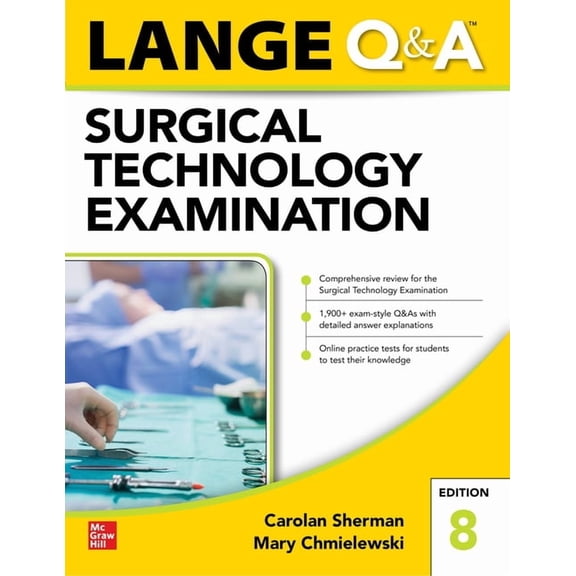
As an attending surgeon, you may look for reference guides that support quick consultation and updated technique review. If you're preparing for board review, you may want concise outlines, question banks, and exam-aligned topic coverage.
You should also check the edition and publication year when guidelines and board standards matter. Newer editions can help you review current terminology, contemporary approaches, and updated chapter organization.
What to look for in format and content type
You can narrow surgical textbooks by format when portability, annotation style, or screen access affects how you study. Hardcover editions may suit a desk library, while paperback copies can feel easier to carry.
If you prefer digital reading, an e-book can help you search terms quickly and move between chapters faster. You should check whether a title includes digital access codes, companion content, or linked question banks.
Content type matters just as much as format when you compare surgery books for daily use. A surgical atlas usually gives you step-by-step visuals, while a textbook often gives you broader explanations and context.
If you're reviewing for exams, a board review guide can help you focus on recall and structured topic coverage. When you want practical discussion, case studies can help you follow decision points from presentation through operative planning.
You may find these content types useful in different ways as you build your library. Atlases support visual learning, textbooks support comprehensive study, and review guides support faster revision sessions.
Using surgery books for study, training, and reference
You can use surgery books differently depending on whether you're preparing for class, rounds, or certification. A foundational text may work for semester study, while an atlas may support focused procedure review.
During a rotation, you may want a book that connects anatomy, indications, and operative sequence in one place. If you're short on time, you may prefer concise chapters, tables, and diagrams you can revisit quickly.
For board preparation, you should compare titles that reflect current exam standards and organized review pathways. You may also want companion question banks that let you test recall after each section.
If you're maintaining a professional reference shelf, you may look for specialty texts with durable organization and detailed indexing. You can return to those books when you need a chapter on exposure, approach selection, or postoperative considerations.
You'll get the most from this category when you compare specialty, level, format, and content type together. That approach helps you choose surgery books that fit your training stage and support more focused study time.