

Beauty by Top Brands in Beauty
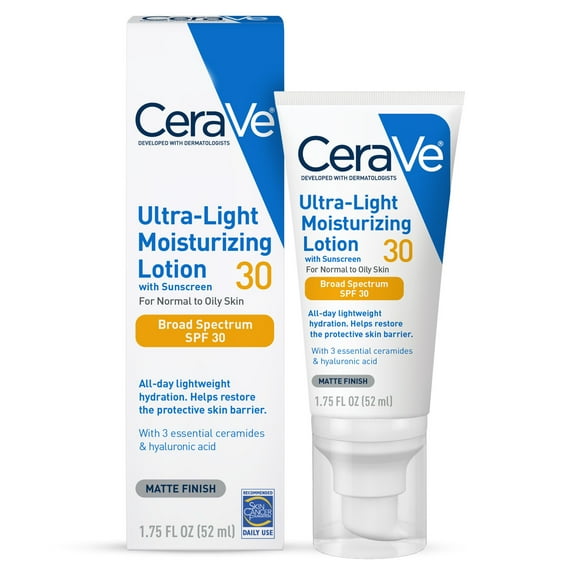


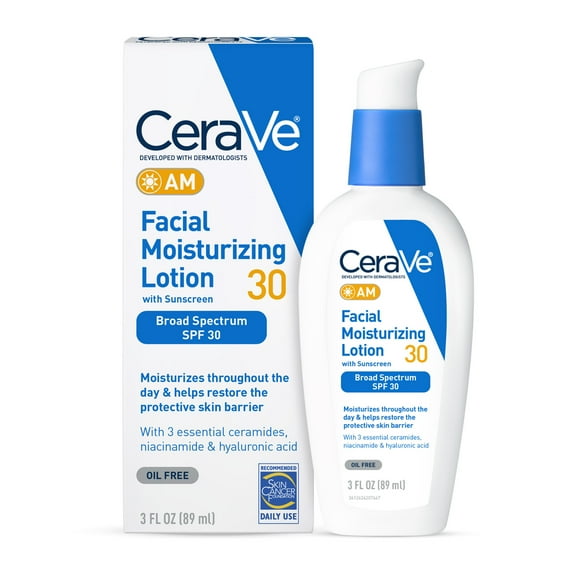
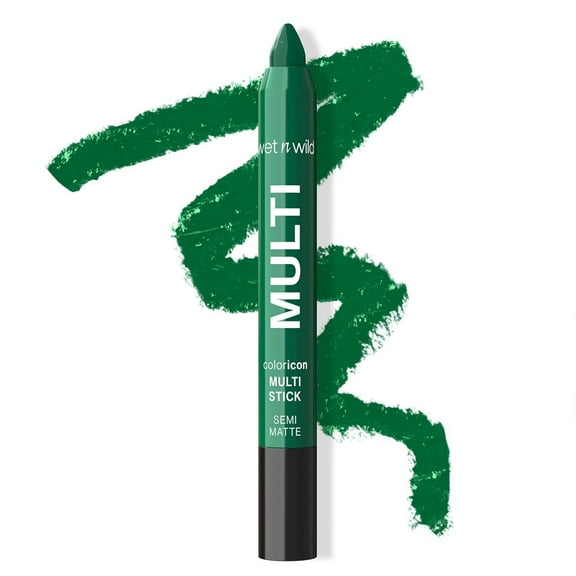


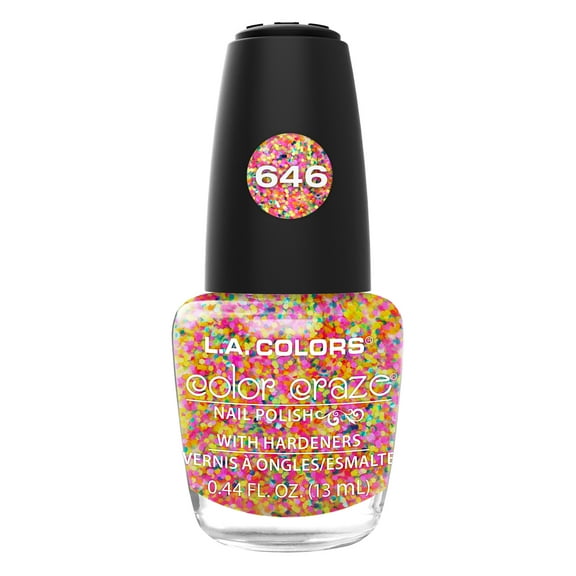


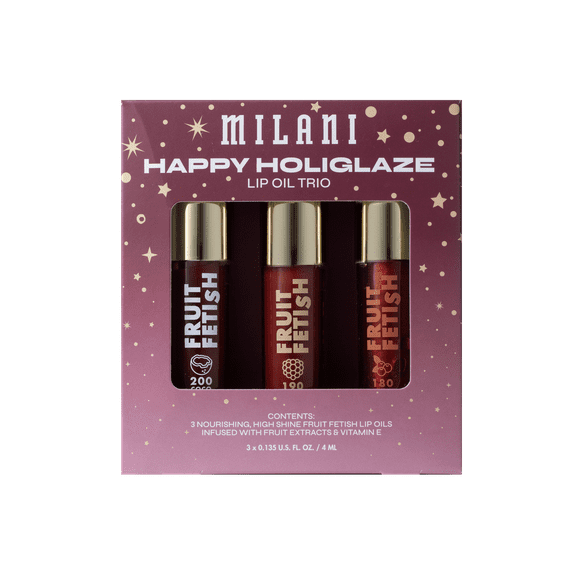
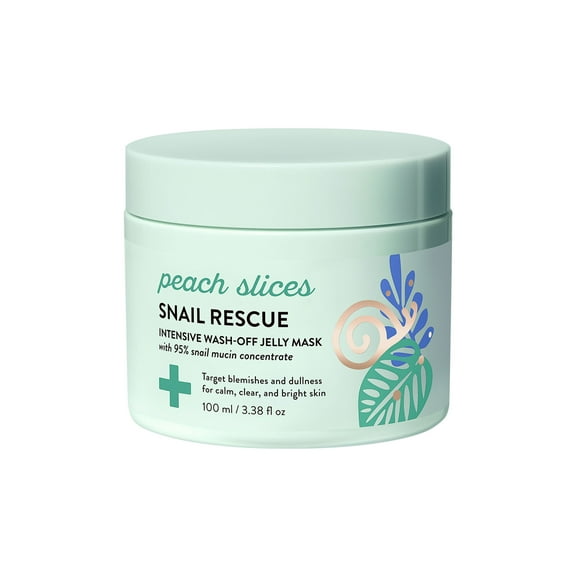
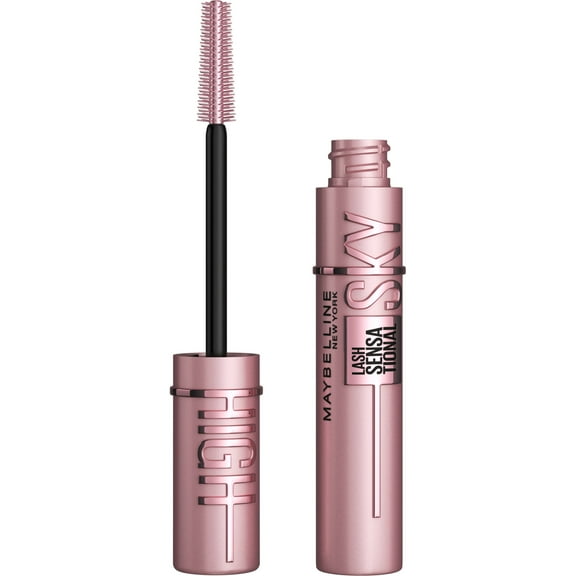




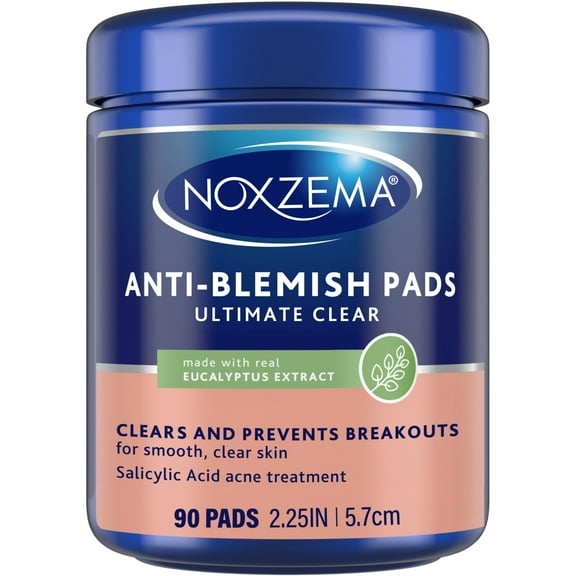




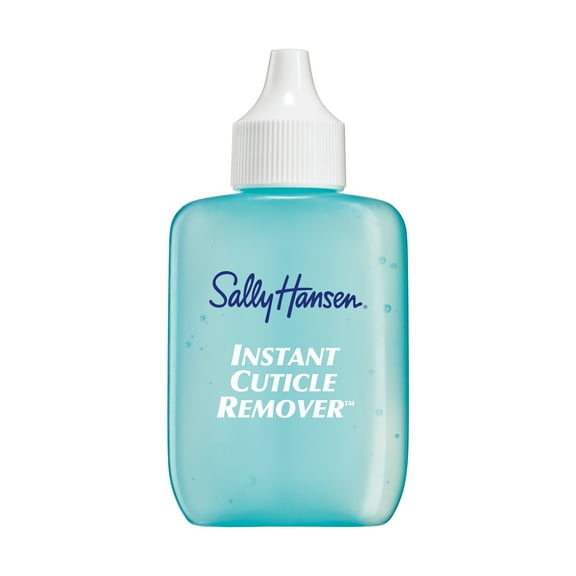
















About Beauty by Top Brands in Beauty - Walmart.com
Top beauty brands help you compare makeup, skincare, haircare, and fragrance with practical filters. You can sort by brand tier, ingredient preferences, and skin needs without losing focus.
You may be narrowing down prestige picks, everyday staples, or holiday beauty gift sets for a routine refresh. You may find this hub useful when you want recognized cosmetics brands and clear decision points.
How to choose top beauty brands by brand tier
Brand tier gives you a practical way to compare texture, finish, and formula focus. You can use it to decide whether you want elevated packaging, concentrated ingredients, or familiar daily basics.
Luxury and prestige options often give you refined textures, polished shade ranges, and specialized collections. Masstige and drugstore choices often help you build your routine with accessible formats and dependable everyday wear.
When you compare prestige and drugstore beauty brands, check how the formula feels and how the brand organizes the lineup. You may notice prestige assortments emphasize targeted ingredients, while drugstore assortments emphasize broad routine coverage.
- You can compare luxury, prestige, masstige, and drugstore tiers by finish, format, and routine focus.
- You can choose makeup brands by shade range, wear preferences, and tool compatibility.
- You can sort skincare brands by skin type, ingredient profile, and texture preferences.
- You can review haircare brands by hair goals, wash-day steps, and styling formats.
Choosing makeup brands and cosmetics brands
Makeup brands become simple to compare when you start with complexion, eyes, lips, and tools. You can narrow your options by finish, coverage, and undertone instead of scrolling product by product.
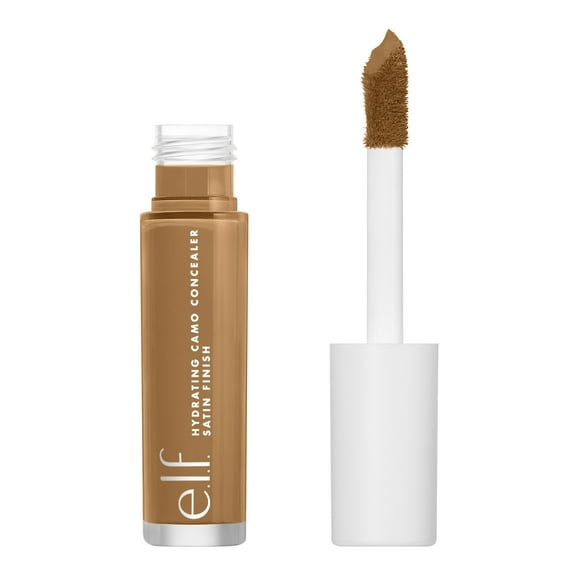
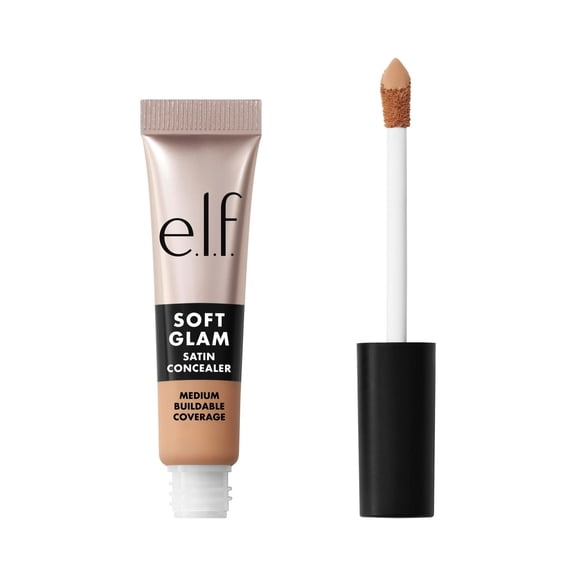
For foundation and concealer, you should check undertones first. You may see cool, warm, neutral, and olive options that help your shade blend naturally across your face and neck.
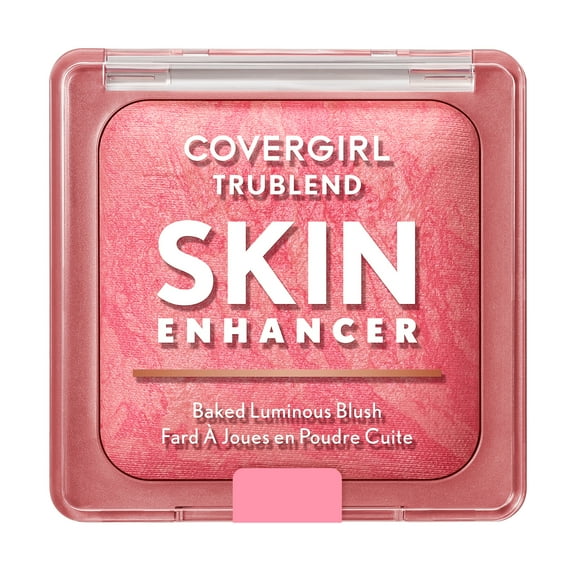
For blush, bronzer, and highlighter, consider whether you want cream, liquid, or powder textures. You can often find cream formulas useful for a dewy look, while powders can feel easy to layer.
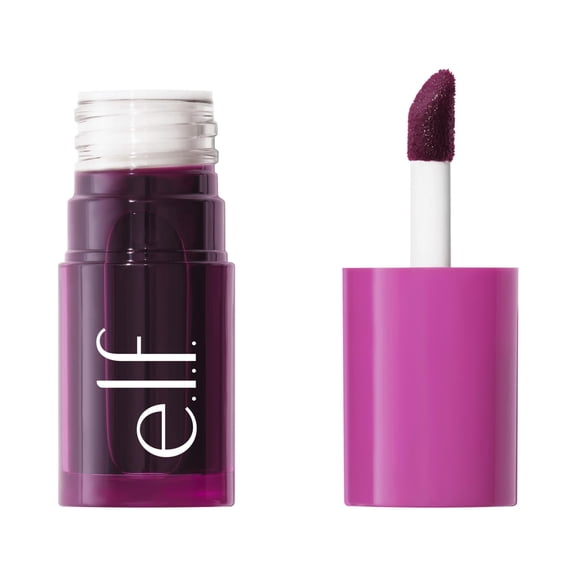
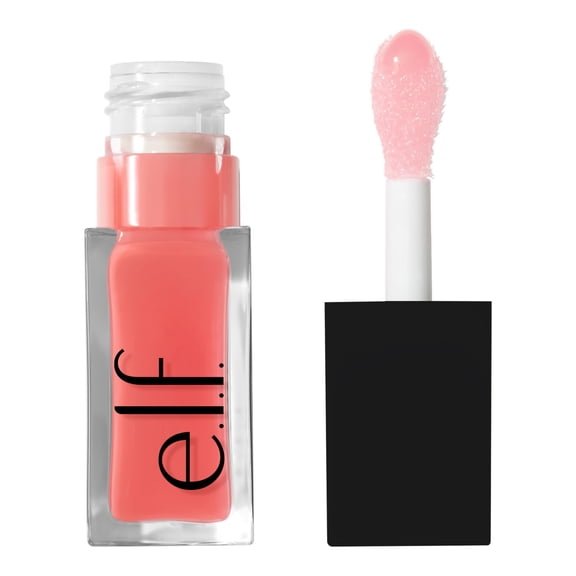
With lip and eye products, look for finish labels like matte, satin, glossy, or waterproof. You can use those labels to match your routine, your occasion, and your preferred touch-up level.
Choosing skincare brands by skin type
Skincare brands make clear sense when you filter by your skin type before anything else. You can compare dry, oily, combination, sensitive, and all skin types with less guesswork.
If your skin feels reactive, look for gentle language and straightforward routines. You may also check whether brands label formulas as hypoallergenic or non-comedogenic, since those terms can guide your choices.
If your skin feels oily or combination, you may prefer lightweight gels, balanced creams, and targeted cleansers. You can compare textures carefully because finish and feel often shape whether a routine fits your day.
If your skin feels dry, rich creams, balms, and layered routines may suit you well. You should also compare daytime and nighttime formats so your skincare brands match how you use them.
What to look for in clean beauty brands and ingredient profiles
Clean beauty means different things across brands, so you should read labels with care. You can compare ingredient profiles like vegan, cruelty-free, organic, and paraben-free to match your personal standards.
If cruelty-free details matter to you, check for recognized certification language when it appears. You may look for Leaping Bunny references because they can make your brand screening feel organized and consistent.
If vegan formulas matter to your routine, review product details instead of assuming a whole brand follows one standard. You can make clear decisions when you separate brand messaging from item-level ingredients.
Organic and paraben-free labels can also shape how you sort your options across skincare and cosmetics brands. You should use those filters as starting points, then confirm texture, shade, and format details.
How top beauty brands fit haircare and fragrance
Top beauty brands often extend beyond color cosmetics, which helps you build a complete routine in one visit. You can compare haircare brands and fragrance collections alongside the makeup and skincare names you know.
For haircare, consider whether you want wash-day basics, repair-focused steps, or styling support. You may compare shampoos, conditioners, masks, oils, and finishing products by hair texture and routine length.
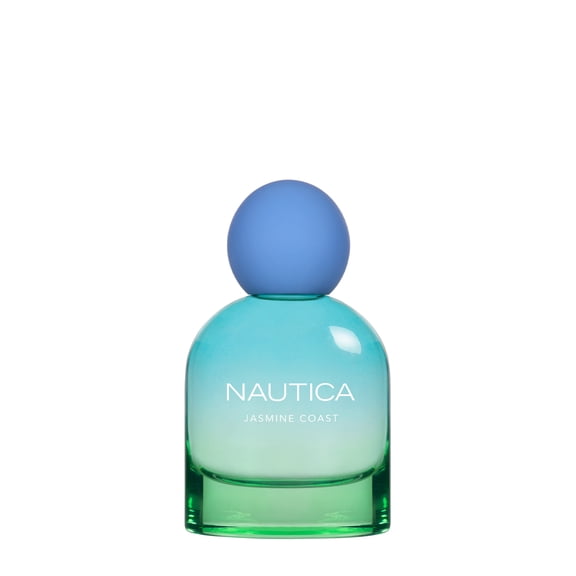
For fragrance, think about format and wear pattern before you choose a scent family. You can compare sprays, rollerballs, and gift sets when you want everyday wear or holiday beauty gift sets.
If you’re building a coordinated routine, matching categories can simplify your search. You may often prefer one brand voice across makeup, skincare, haircare, and fragrance when you want a consistent experience.
Using online tools to compare formulas and shades
Online beauty shopping works well when you focus on tools that reduce guesswork. You can compare swatches, finish notes, customer photos, and shade descriptions to narrow options with confidence.
Shade matching becomes simple when you know your undertone and coverage preference. You should compare model images, product descriptions, and formula names before you choose a foundation or concealer.
Formula matching matters just as much as color. You may prefer serum-like textures, full-coverage creams, tinted balms, or powder finishes depending on how your routine fits your day.
This category hub gives you a clear way to compare brand tiers, skin type fit, and ingredient priorities. You can move toward the right beauty routine and avoid mismatches with each pick.