

RV Levelers in RV Parts & Accessories



















About RV Levelers in RV Parts & Accessories - Walmart.com
Your RV leveling and stabilization setup helps you park with a flatter floor and less sway at the campsite. You can compare leveling blocks, stabilizer jacks, wheel chocks, and ramps to match your RV size, ground surface, and setup routine.
When you choose the right gear, you can reduce rocking during meals, sleep, and everyday movement inside your camper. You can also handle uneven pads more easily with parts designed for travel trailers, fifth wheels, and motorhomes.
How to choose RV leveling and stabilization gear
You’ll want to separate leveling from stabilizing before you compare options. You use leveling to raise a low side, and you use stabilization to limit movement after parking.
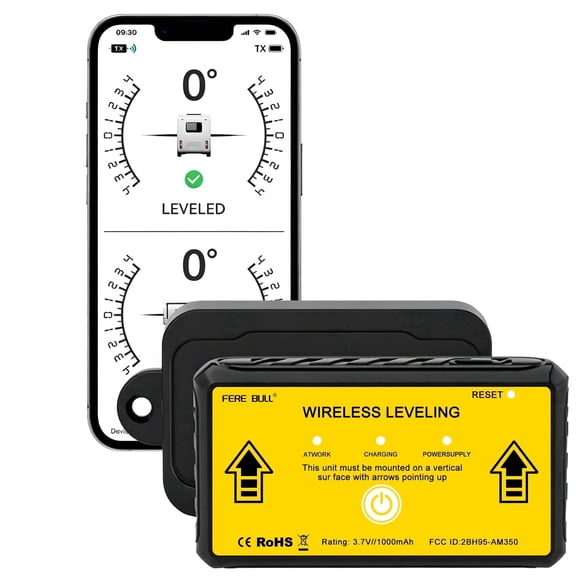
As you narrow your choices, you should check your RV type, your expected terrain, and your storage space. You should also compare manual, electric, and hydraulic operation based on how quickly you like to set up.
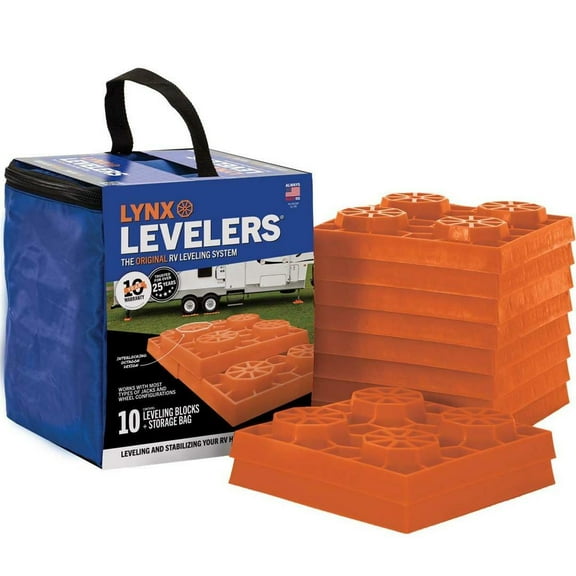
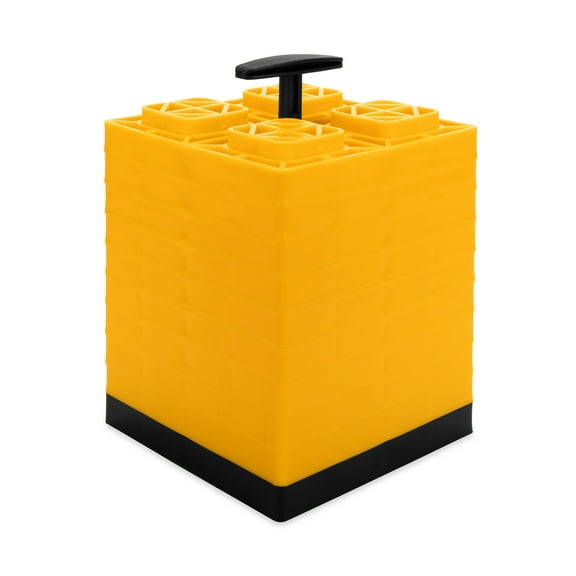
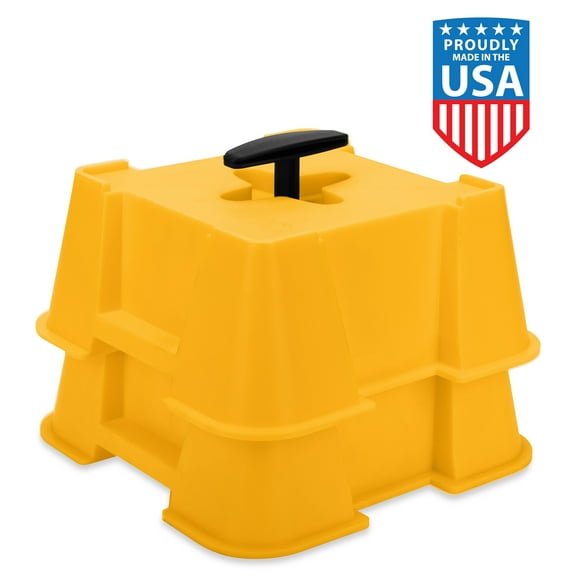
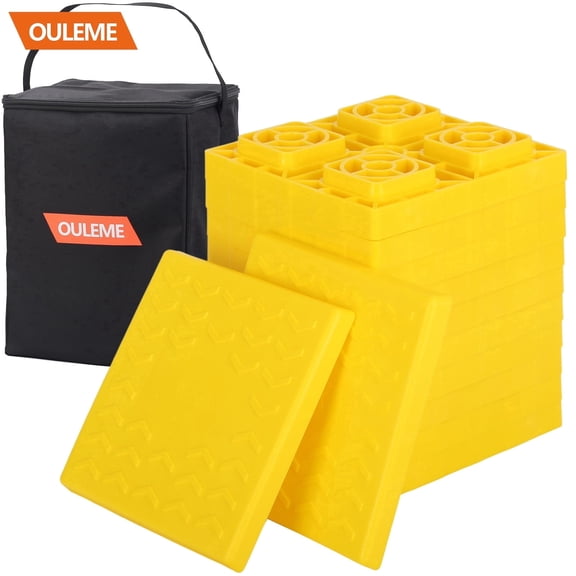
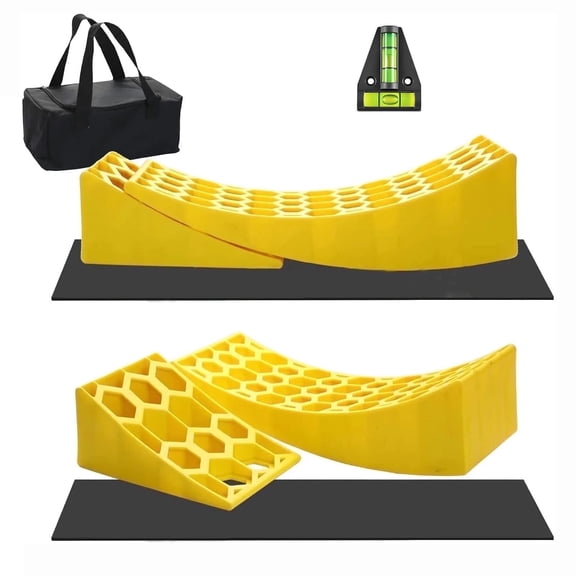
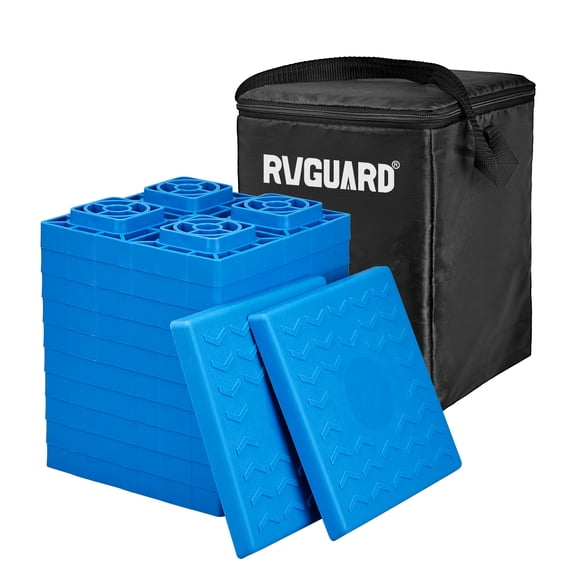
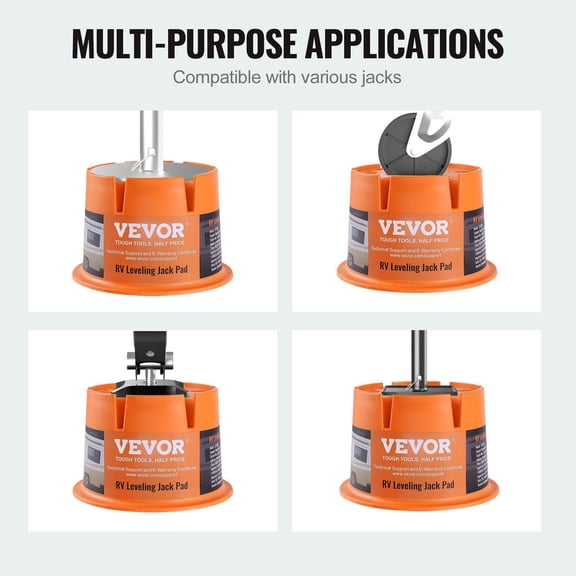
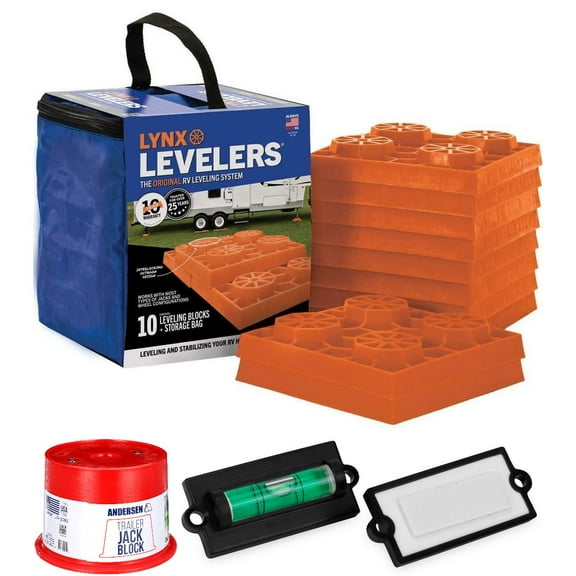
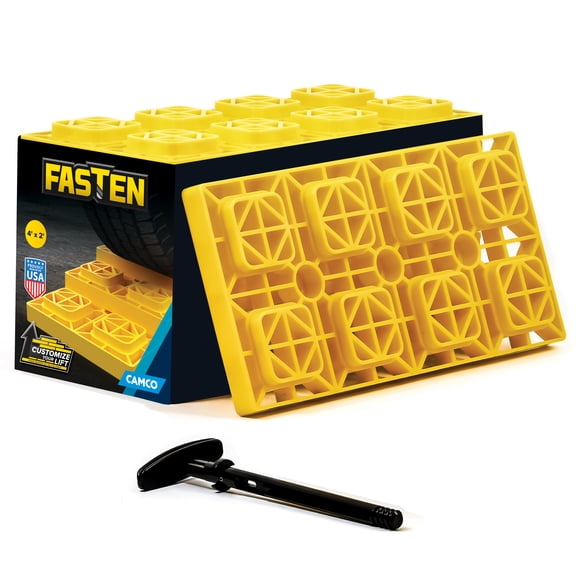
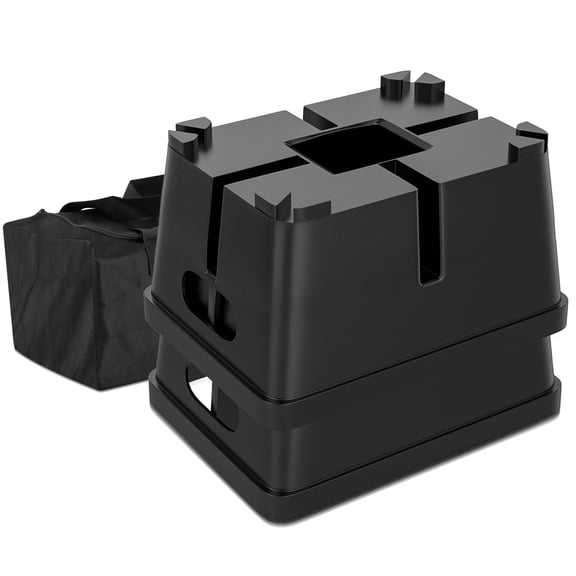
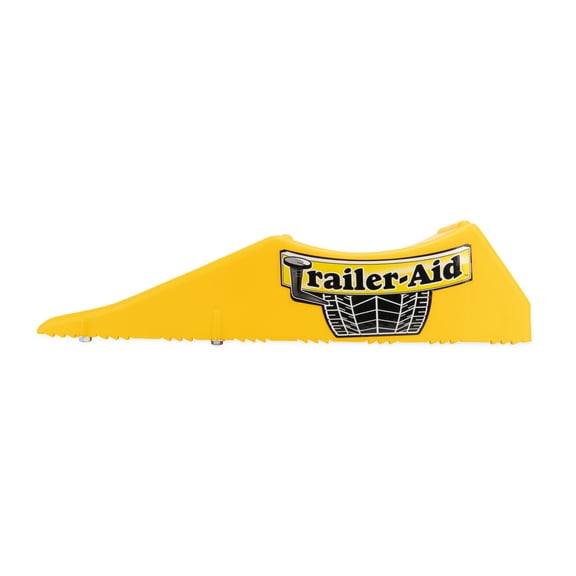
- You can use RV leveling blocks or leveling ramps to create a flatter parking position on uneven sites.
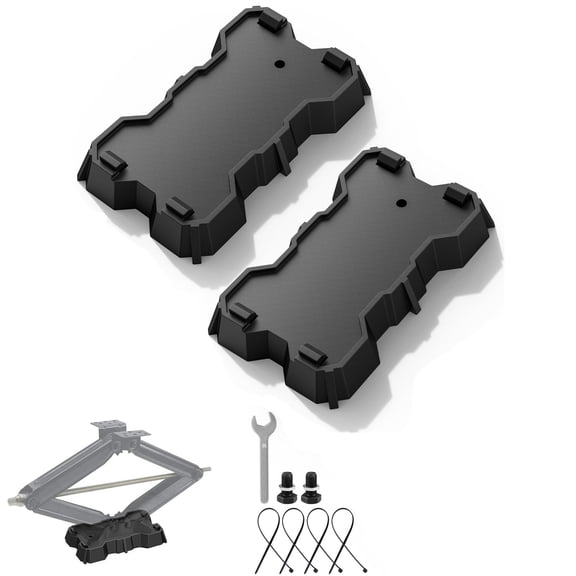
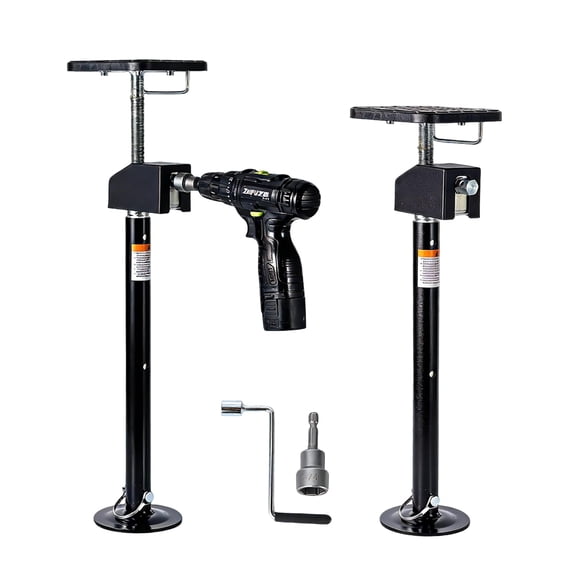
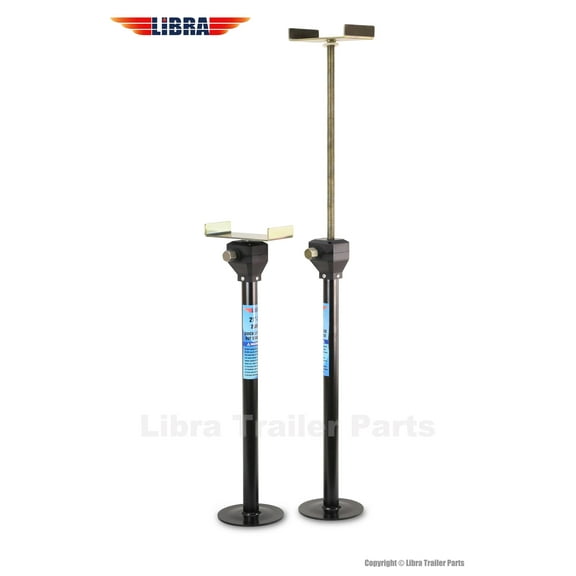
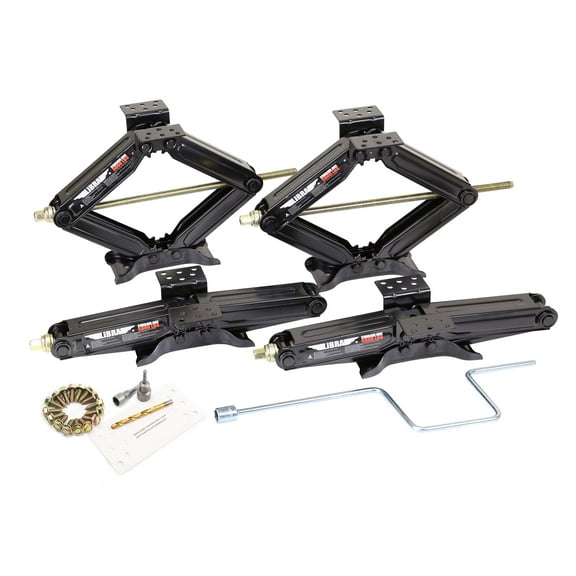
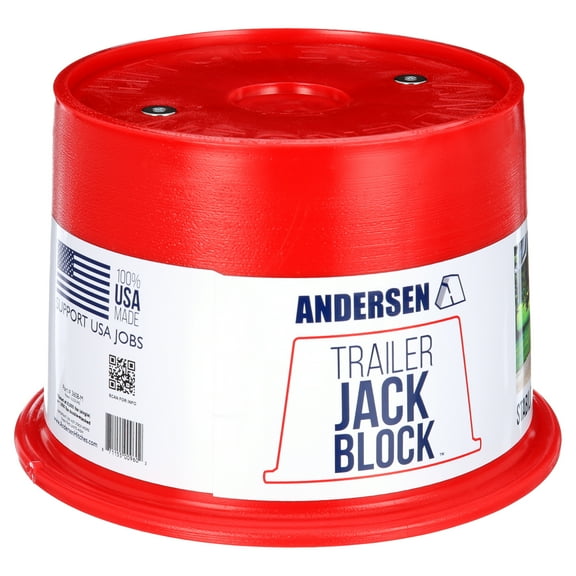
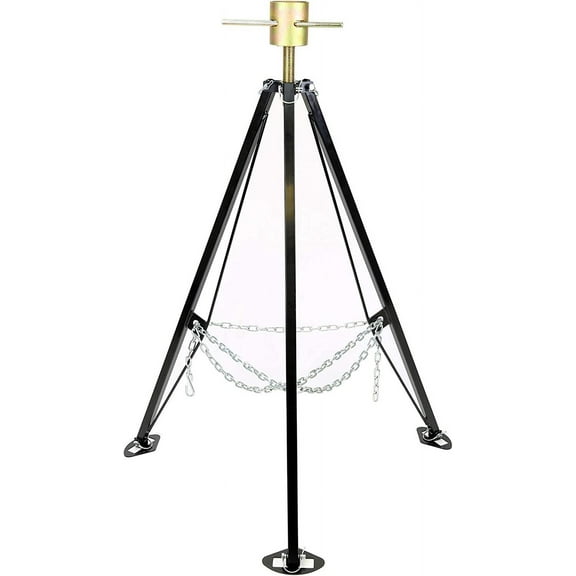
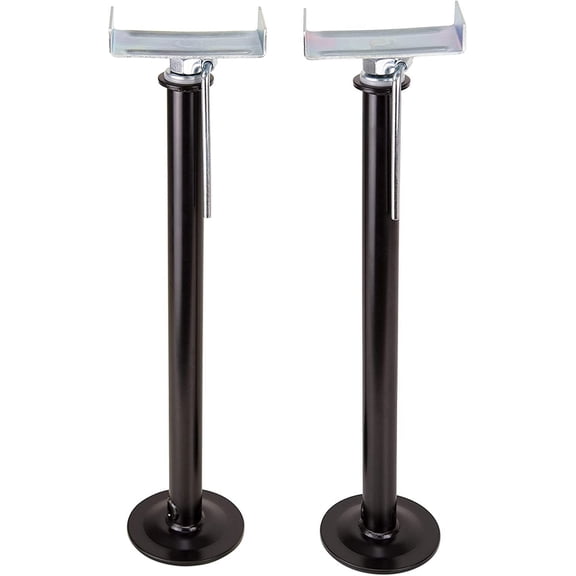
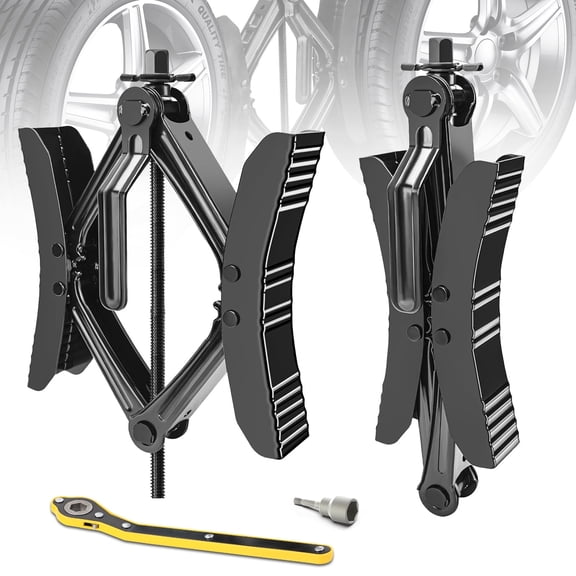
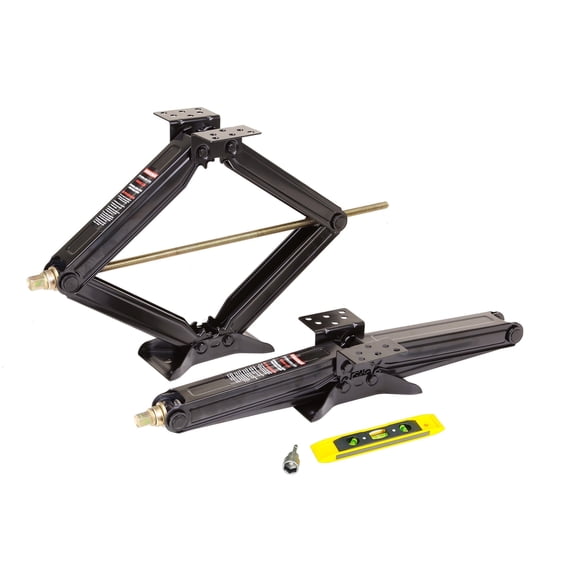
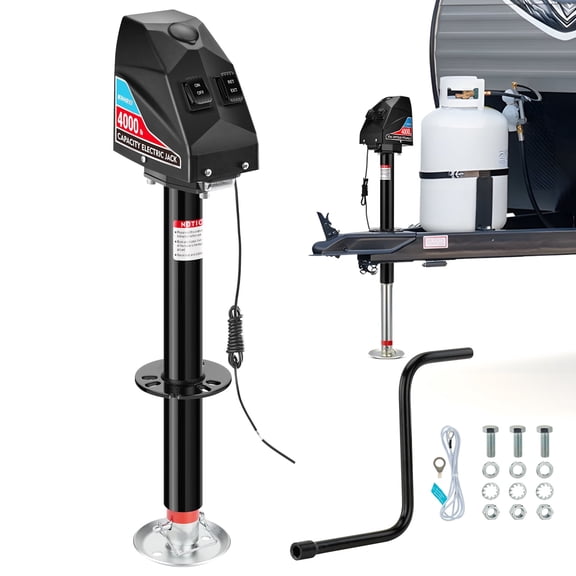
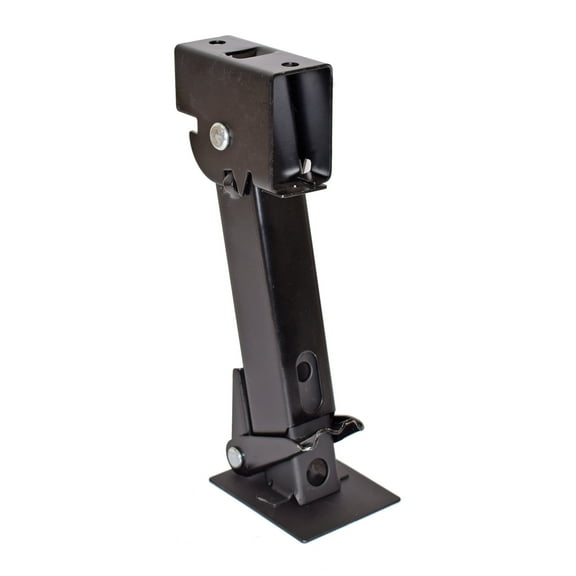
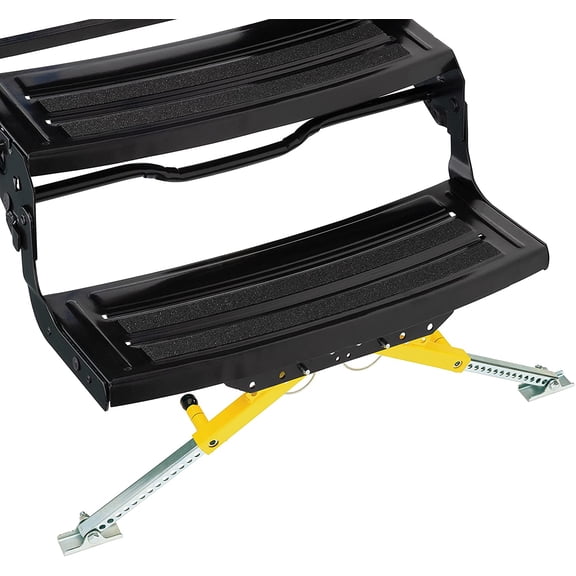
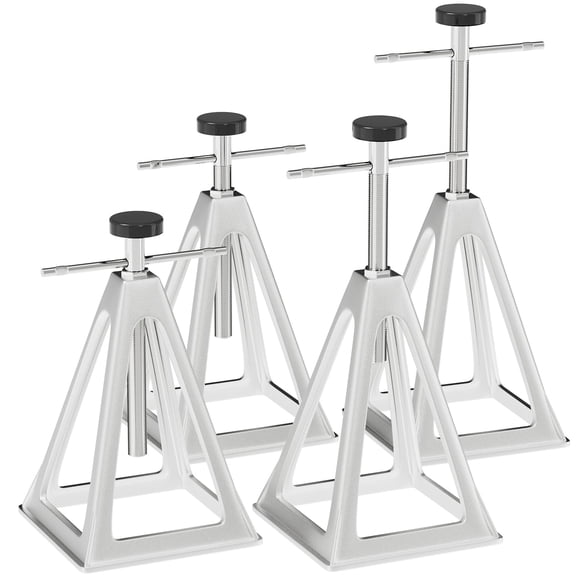
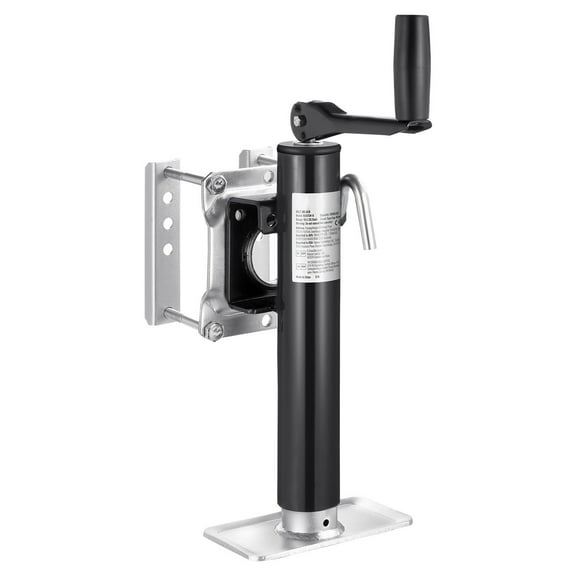
- You can add RV stabilizer jacks to reduce bounce and side-to-side movement once your rig is in place.
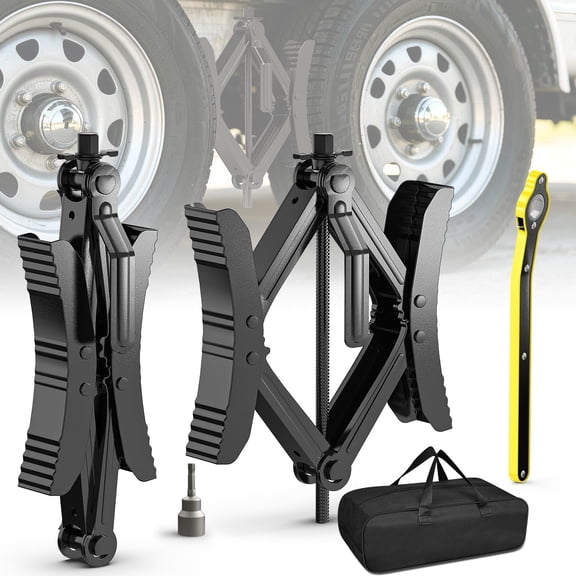
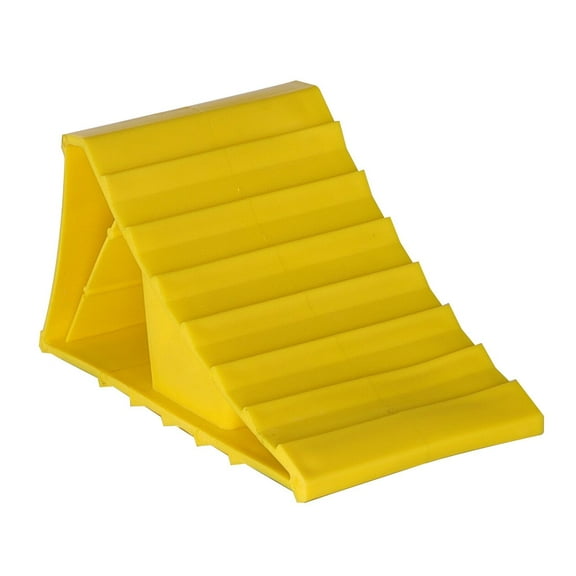
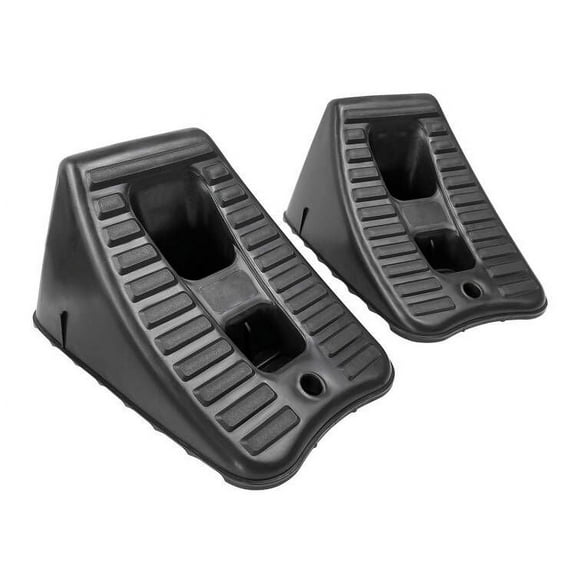
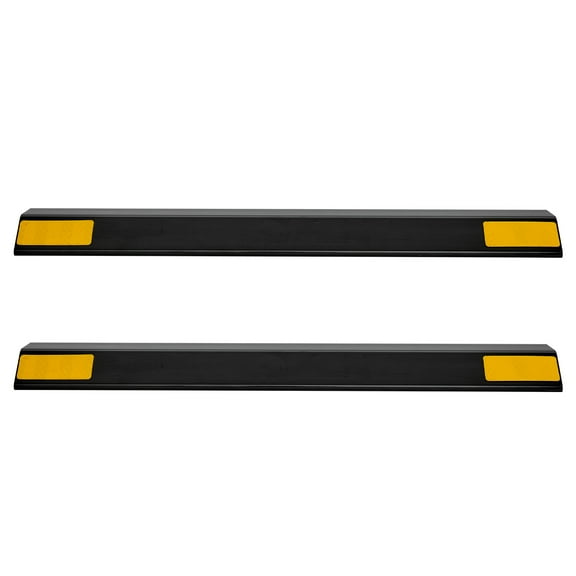
- You can place RV wheel chocks to help keep your trailer positioned during setup and campsite use.
- You can choose materials like plastic, steel, aluminum, or rubber based on traction, durability, and carrying weight.
If you camp often, you may prefer pieces that stack neatly and fit into a small storage bay. If you move between different campgrounds, you may want options that work on gravel, grass, and paved pads.
Choosing the right type for your campsite
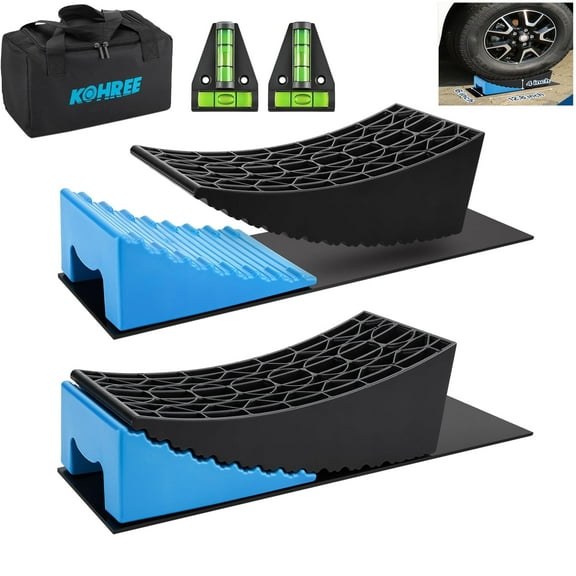
You can start with type, because each option solves a different setup step. You can use leveling blocks for stackable height changes, while leveling ramps give you a drive-on approach.
You may prefer wheel chocks when you want your trailer held in place during hitching, parking, or longer stays. You can rely on stabilizer jacks after leveling, because they’re built to reduce motion instead of correcting side-to-side height.
For a travel trailer, you might choose camper levelers with chocks for a simpler towable setup. For a fifth wheel or Class A or C motorhome, you may compare larger supports and jack systems with broader contact points.
Comparing weight capacity and operation
You should check weight capacity against your RV’s supported load before you choose RV leveling and stabilization equipment. You can compare ratings like 5,000 lbs, 10,000 lbs, and 20,000 lbs to match the gear to your setup.
Higher load ratings usually mean you’re choosing gear built for heavier corners or larger rigs. You should review your owner information and compare how much weight each jack, block, or support is meant to handle.
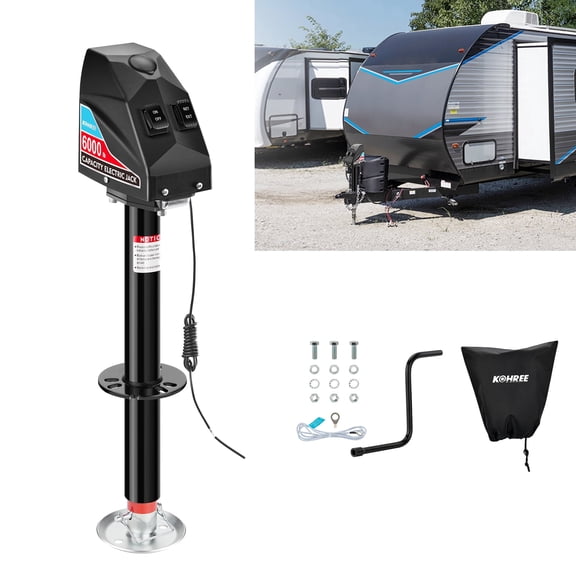
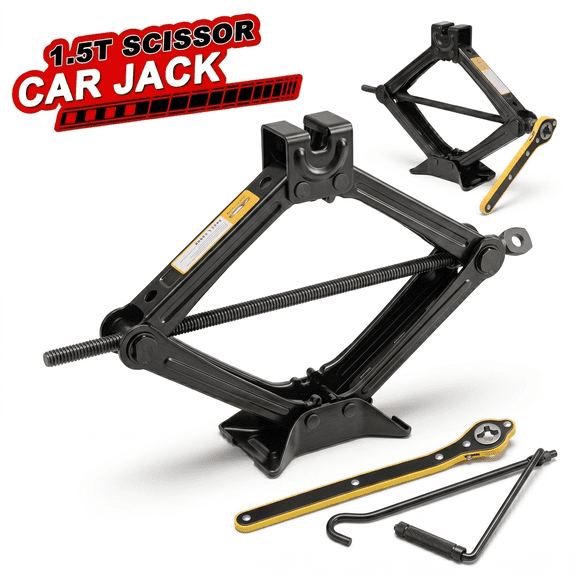
You can also compare manual, electric, and hydraulic operation based on effort and speed. Manual options give you direct control, while electric and hydraulic systems can make repeated campsite setups easier.
If you change campsites often, you may appreciate electric RV jacks that shorten setup steps. If you prefer simple components, you may lean toward manual stabilizers and stackable blocks that store easily.
Matching materials to ground surface
You should match material choice to the surfaces where you usually park. Heavy-duty plastic can feel lighter to carry, while steel and aluminum can appeal when you want a rigid support piece.
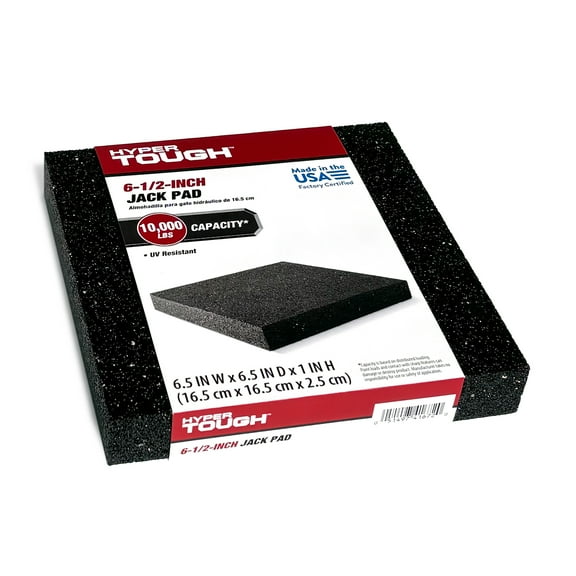
Rubber wheel chocks can help you get a grippy contact point on many campsite surfaces. You may also like trailer stabilizer pads that create a broader base on softer ground.
On gravel, you may want wider contact points that help distribute pressure more evenly. On asphalt or concrete, you may focus on traction, fit, and a stable resting surface.
For grassy sites, you should look for shapes that sit securely and store without fuss after use. You can compare tread patterns, stacked designs, and pad shapes that fit your usual camping conditions.
What to look for in setup, storage, and real use
You may want equipment that’s quick to place, simple to remove, and easy to stow between trips. Compact camper levelers, nesting blocks, and carry-friendly chocks can help you keep your storage area organized.
If you take weekend trips, you may prefer fast setup tools that work without many extra parts. If you stay longer in one spot, you may focus more on reducing movement inside the RV during daily use.
You can use RV leveling blocks for short height changes on uneven campsites, especially when one side sits lower than the other. You can use leveling ramps when you want to drive up and stop at a controlled height.
After you level, you can place RV stabilizer jacks at the proper support points to reduce shifting. You can then add RV wheel chocks to complete a steadier setup for entry, cooking, and sleeping.
When you compare these decision points carefully, you can build a setup that fits your rig and your routine. You can enjoy a flatter, steadier campsite experience with gear chosen for your RV, surface, and travel style.