


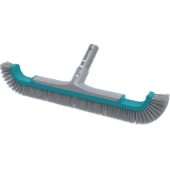

Pool Chlorine Chemicals for Clean Swimming Pools
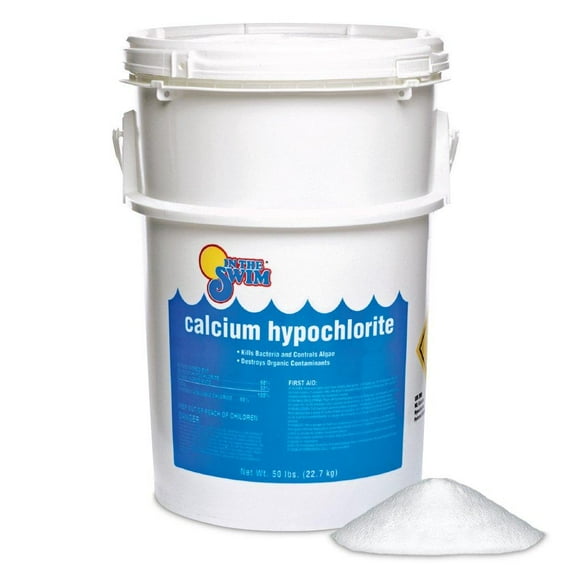
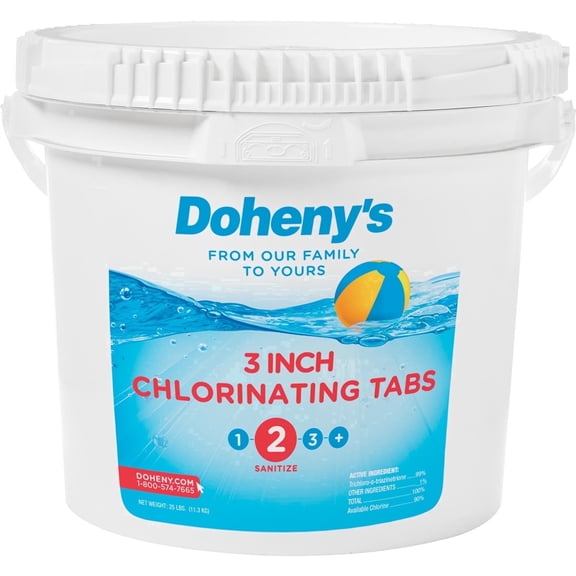
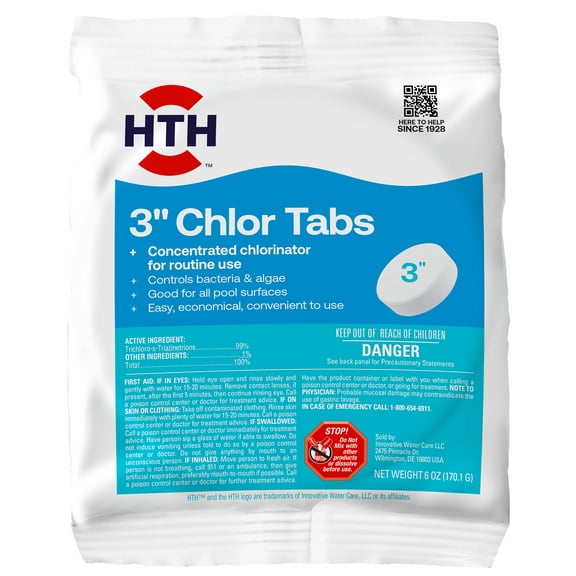










About Pool Chlorine Chemicals for Clean Swimming Pools - Walmart.com
Pool chlorine helps you keep pool water clear during hot weather, busy swim days, and weekly maintenance. You can compare liquid, tablets, and granules here, so your treatment plan fits your pool size and routine.
How to choose pool chlorine for your routine
You should start with the format that matches how you prefer to dose your water. Your choice affects application speed, feeder compatibility, and how often you need to add sanitizer.
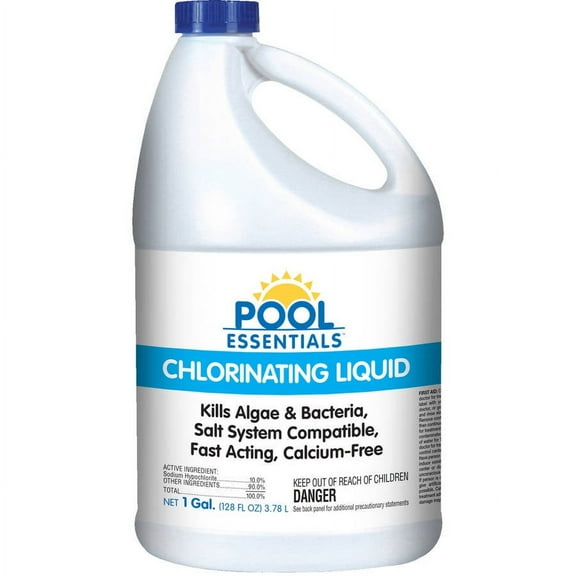
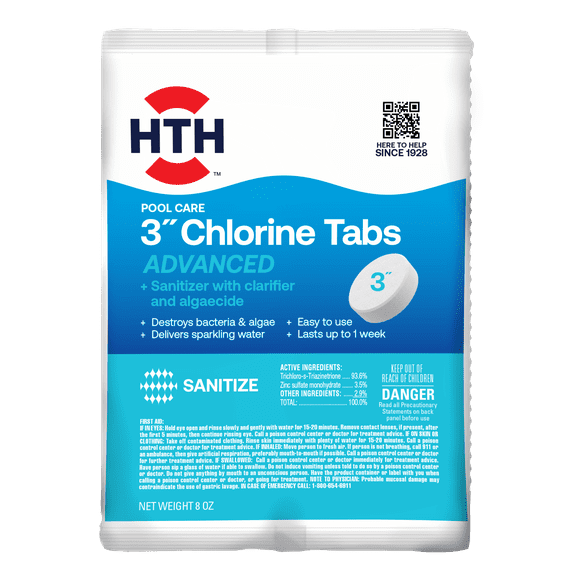
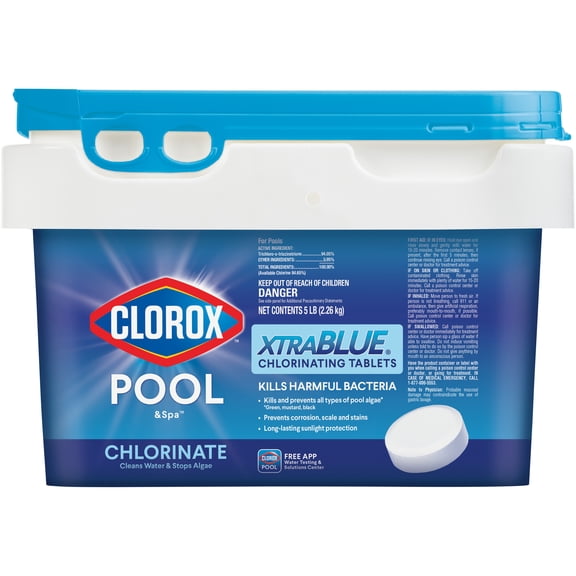
If you want fast distribution, you may prefer liquid pool chlorine for regular treatments or quick adjustments. If you want slower release, you may prefer pool chlorine tablets for steady chlorination over several days.
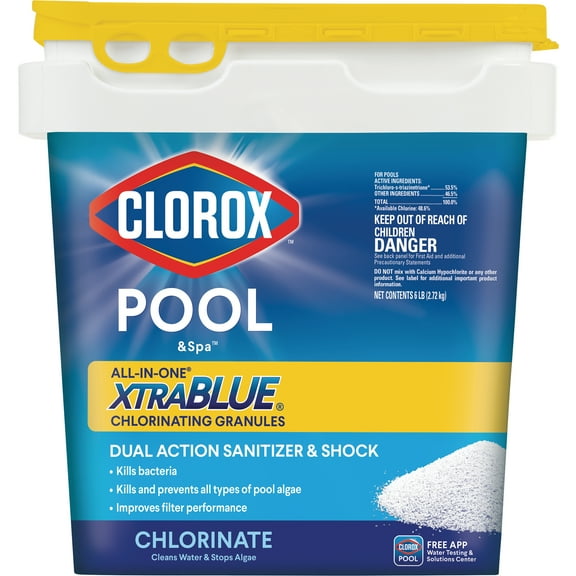
When you want flexible spot treatment, you may consider granules with measured application. You can use this format guide to match your care habits, your storage space, and your water testing schedule.
- You can use liquid chlorine when you want fast mixing and direct dosing.
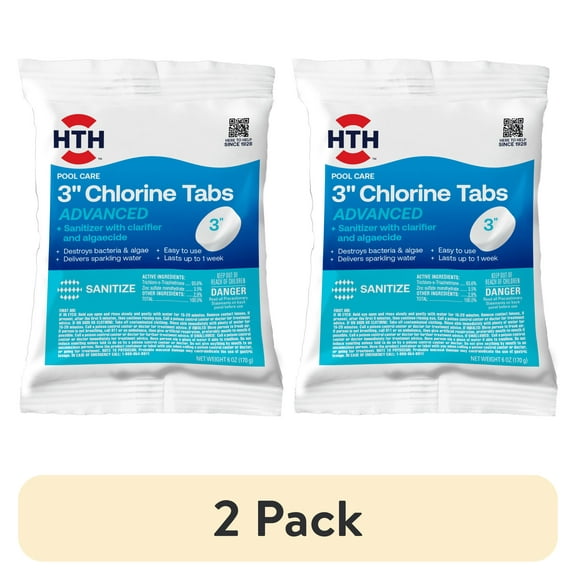
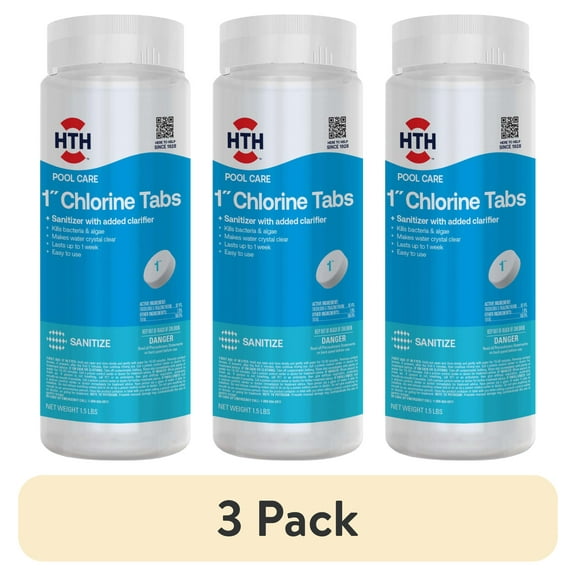
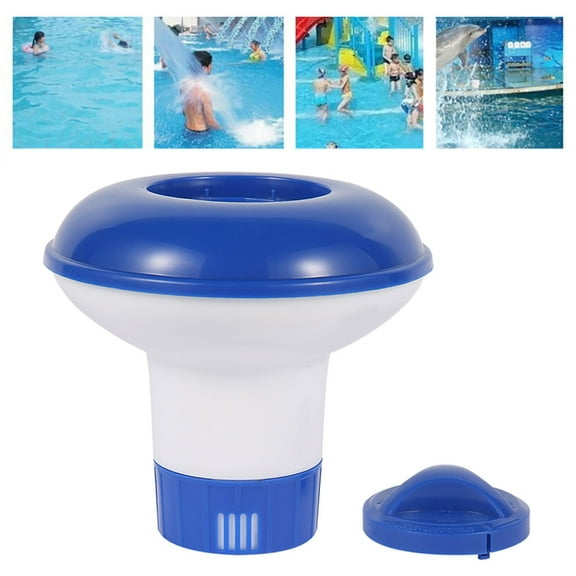
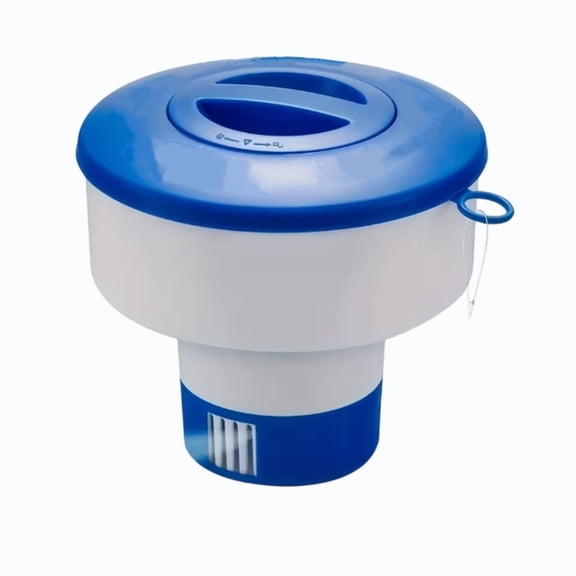
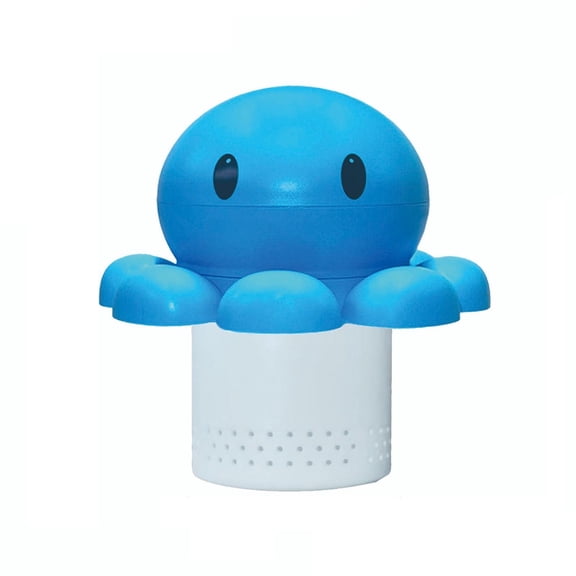
- You can choose tablets when you want slower release in a floater or feeder.
- You can keep granules in mind when you want measured scoops for smaller adjustments.
- You can compare stabilized and unstabilized formulas based on sun exposure and cyanuric acid levels.
- You can match container size to your pool gallons, treatment frequency, and storage preferences.
Choosing between liquid pool chlorine, tablets, and granules
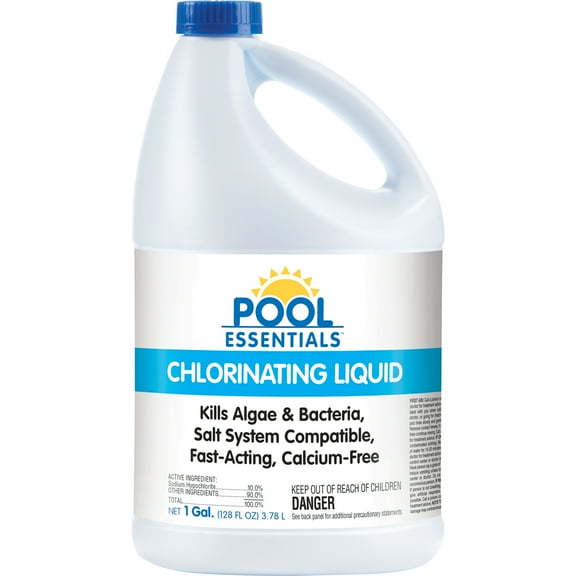
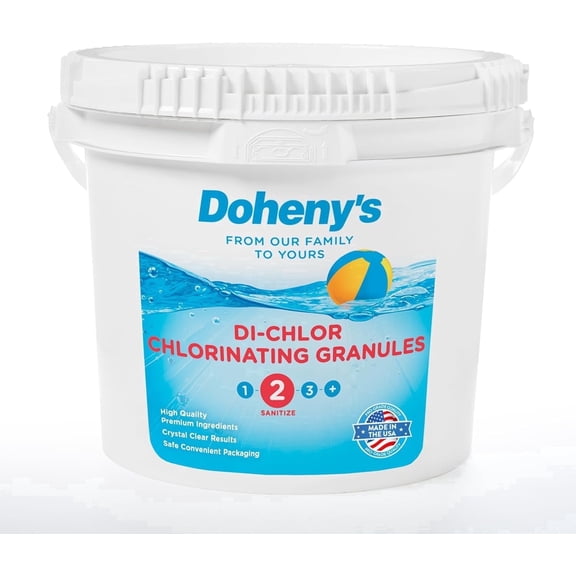
You may notice liquid chlorine works well when you want a simple pour-in format for larger pools. You can often use it for regular sanitation because it disperses quickly after you add it.
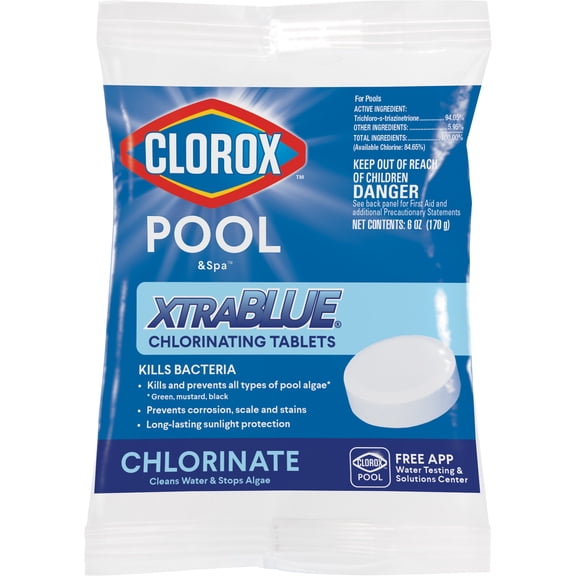
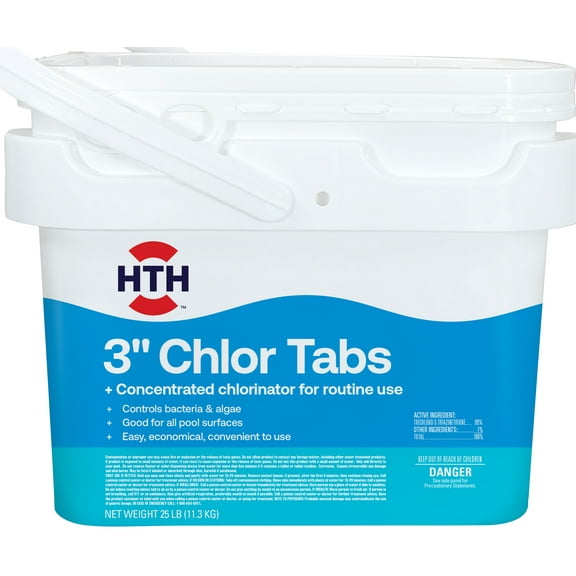
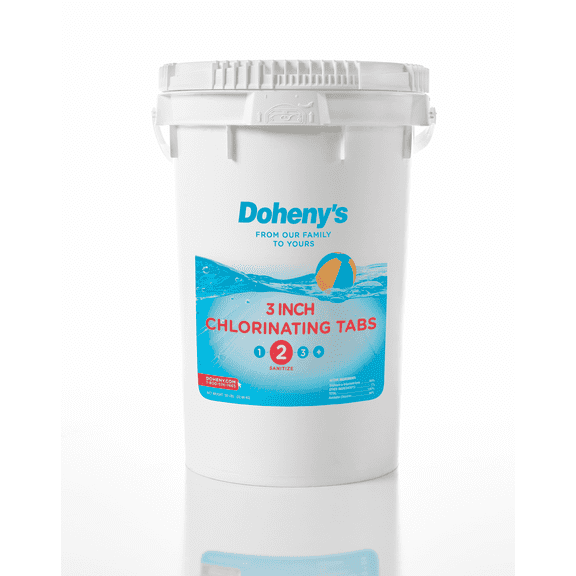
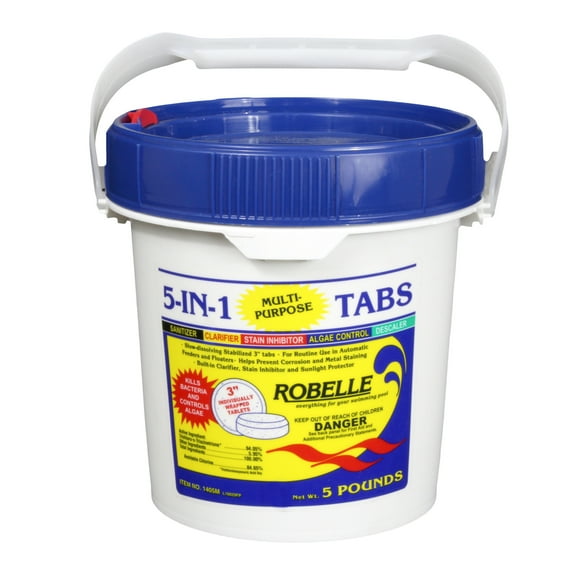
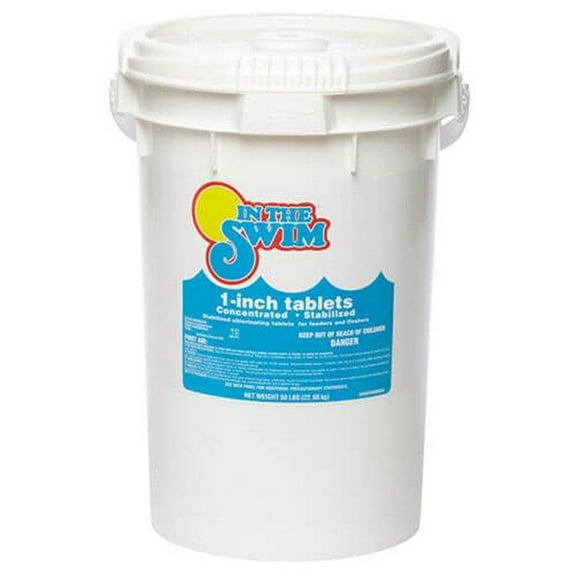
With pool chlorine tablets, you get a slower-dissolving format that suits floaters, feeders, and ongoing care routines. You may like this option when you want less frequent dosing and a steadier release pattern.
Granules give you another way to measure treatments when your pool needs targeted adjustments. You can compare scoop-based dosing with your pool gallons, so your routine feels easier to plan.
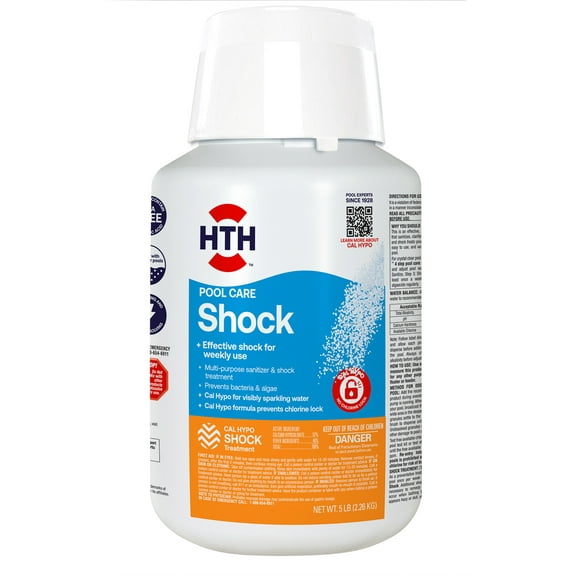
You should also consider where each format fits into your equipment setup. If your system uses an automatic feeder, chlorine tablets for pools may fit your routine more easily than poured liquid.
Choosing stabilized or unstabilized chlorine
You should compare stabilized and unstabilized chlorine because sunlight affects how long chlorine lasts in outdoor water. Stabilized options include cyanuric acid, which helps protect chlorine from breaking down quickly in strong sun.
If your pool gets long hours of direct sun, you may look for stabilized formulas for steadier chlorine levels. If you already track cyanuric acid separately, you may consider unstabilized chlorine for tighter control.
You should check your water test results before choosing between these types. Once you establish your cyanuric acid level, you can choose a chlorine type that fits your broader maintenance plan.
This decision matters during peak summer use and bright weather. You can keep water care more predictable when your chlorine type matches your sun exposure and testing routine.
Comparing concentration, dosage, and container size
You may compare chlorine concentration because active ingredient percentage affects how much product you use per gallon. You can follow label directions and test kit readings to build a practical dosing routine.
If you maintain a larger pool, you may prefer bigger container options like a four-pack or larger bucket sizes. If you maintain a smaller setup, you may prefer a size that fits shorter treatment cycles.
You can also think in pool gallons instead of package shape alone. A one gallon container may suit touch-up treatments, while a 25 lbs or 50 lbs bucket may fit seasonal care.
Storage planning also shapes your decision when you buy sanitizer for regular use. You can compare dosing frequency, pool volume, and how much product you want available between refills.
Matching pool chlorine to pool type compatibility
You should match chlorine format to your pool type because above ground, inground, spa, and hot tub setups hold different water volumes. You can simplify care when your product format fits your equipment and dosing habits.
For above ground pools, you may prefer smaller-dose options that help you measure treatments with less guesswork. For inground pools, you may lean toward larger containers that support recurring weekly maintenance.
If you care for a spa or hot tub, you should pay close attention to water volume and dosing directions. You can choose sanitizing formats that fit compact capacity and frequent water checks.
During busy swim weeks, you may want liquid chlorine for quick post-use treatment and fast circulation. During steadier maintenance weeks, you may prefer tablets that continue dispensing through your normal care cycle.
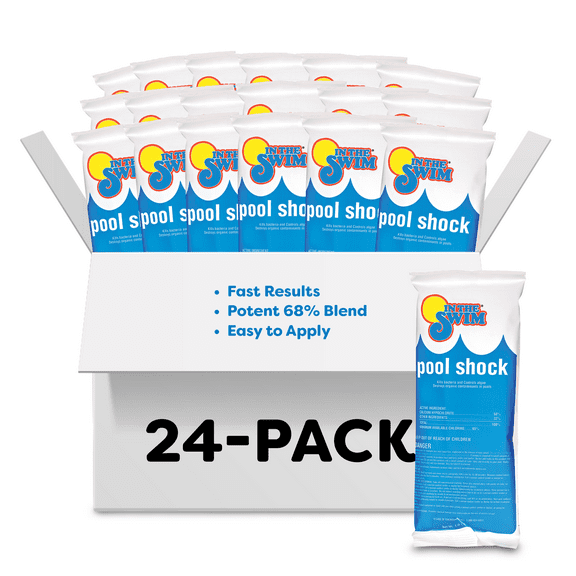
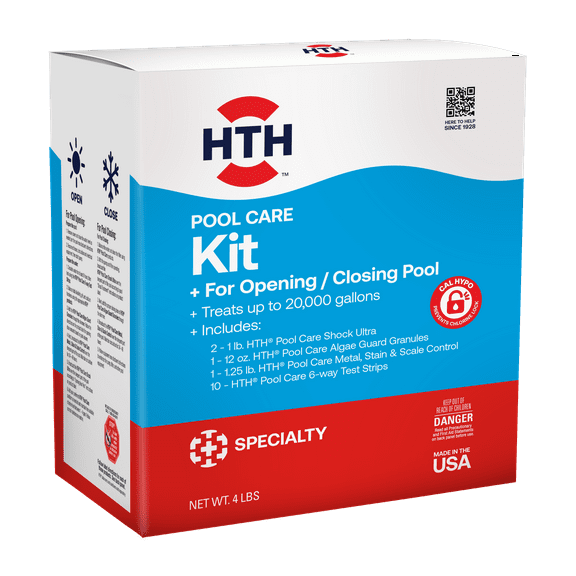
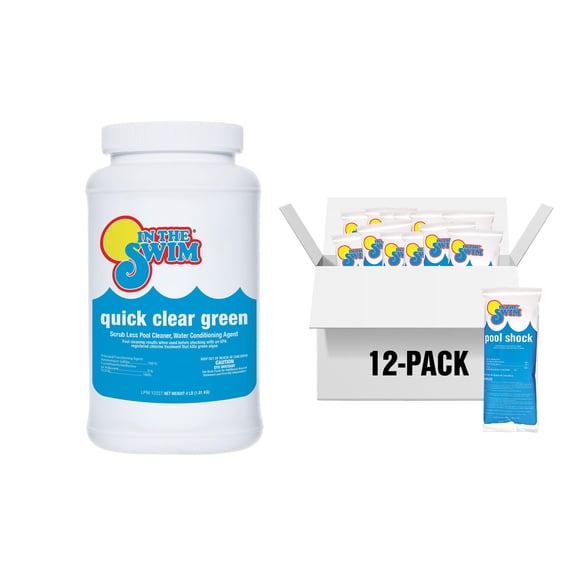
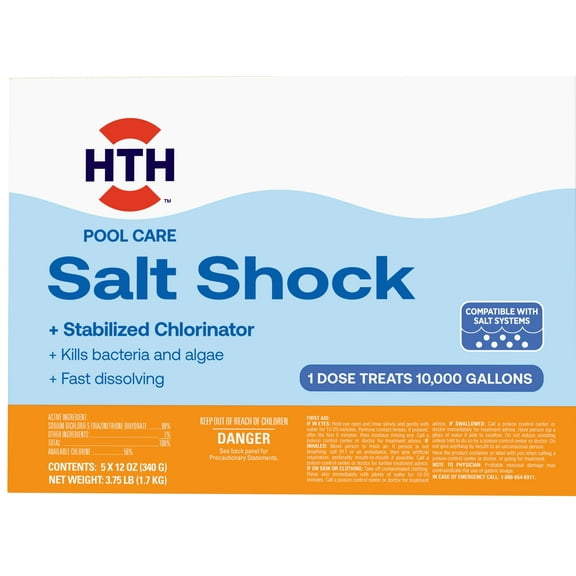
You can also build a fuller maintenance setup around your sanitizer choice. Your routine may work more smoothly when you pair chlorine with pool shock, stabilizers, water testing kits, and pool pumps.
What to look for before you choose pool chlorine
You can make a clearer choice when you compare format, stabilization, concentration, container size, and pool compatibility together. You can narrow options faster when you know your pool gallons, your sunlight exposure, and your preferred dosing routine.
That practical approach helps you choose pool chlorine that fits your equipment, your schedule, and your water care plan. You can maintain clearer water with fewer dosing surprises and more consistent upkeep.