


Cookbooks Food Wine Recipes Collection














About Cookbooks Food Wine Recipes Collection - Walmart.com
If you’re looking for a brenda gantt cookbook, you can compare cookbook formats, recipe styles, and kitchen-friendly details in one place. You’ll also find food and wine books, canning guides, and Southern cooking titles that fit everyday meal planning.
How to choose a brenda gantt cookbook
When you compare cookbook categories, you should start with the kind of cooking you actually do at home. You may want Southern recipes, baking ideas, preserving instructions, or wine pairings that match weeknight meals.
If you’re searching for a come sit at my table cookbook, you may also want similar books with homestyle recipes and table-centered menus. You can use this approach to compare author voice, recipe pacing, and ingredient familiarity.
You should also think about how you use books in the kitchen. If your counter gets busy, you may prefer pages and bindings that stay open while you measure, stir, and follow steps.
What benefits you get from cookbooks and recipe guides
You can use cookbooks to plan meals with more variety and less guesswork. You’ll have recipe collections organized by course, ingredient, cooking method, or regional style.
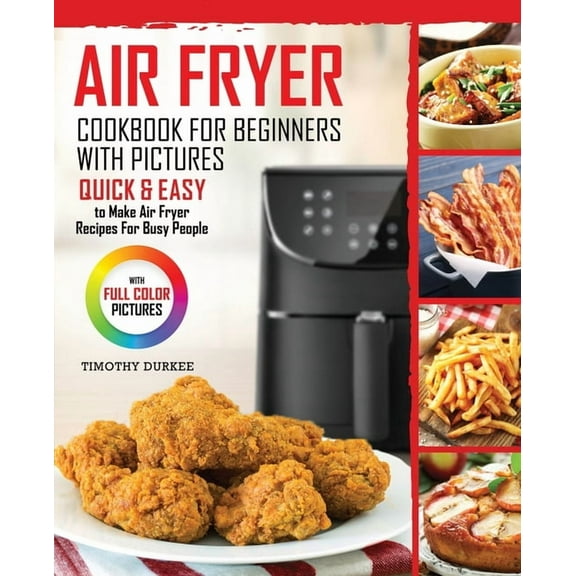
For beginners, you may appreciate step-by-step visual guides that show shaping, chopping, canning, or baking stages. You can follow photos and illustrations when written steps feel too brief.
If you cook seasonally, you can turn to preserving books for jams, pickles, peaches, and pantry staples. You’ll often find batch sizes, timing cues, and jar-by-jar instructions that support repeatable results.
- You can compare Southern cooking, baking, canning, and wine topics in one browse experience.
- You can choose books with photos, menus, and ingredient lists that match your routine.
- You can find formats that suit countertop reading, gift giving, or shelf storage.
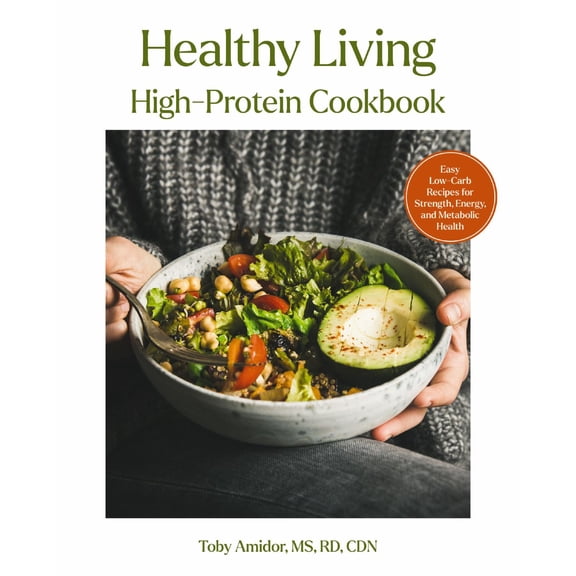
- You can review books with nutrition details when your meal planning needs added guidance.
You may also want cookbooks nearby through shipping, delivery, or pickup options that fit your schedule. You can meet that convenience-focused goal without giving up selection across formats and subjects.
Choosing the right format and kitchen-ready features
When you compare format options, you should consider hardcover, paperback, spiral-bound, and digital editions. Each one supports a different reading style, storage plan, and kitchen setup.
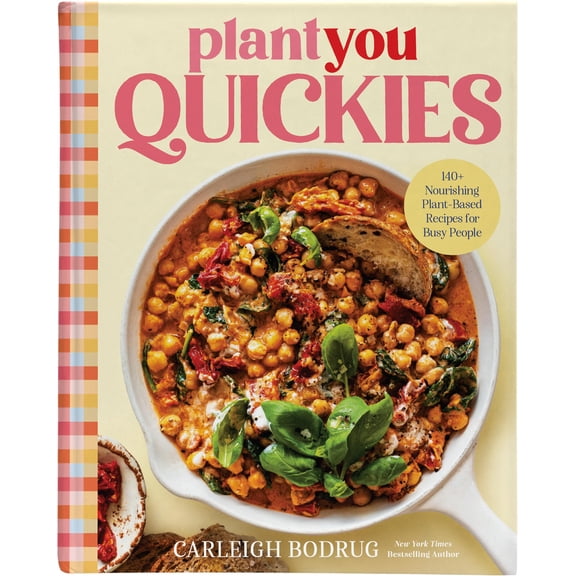
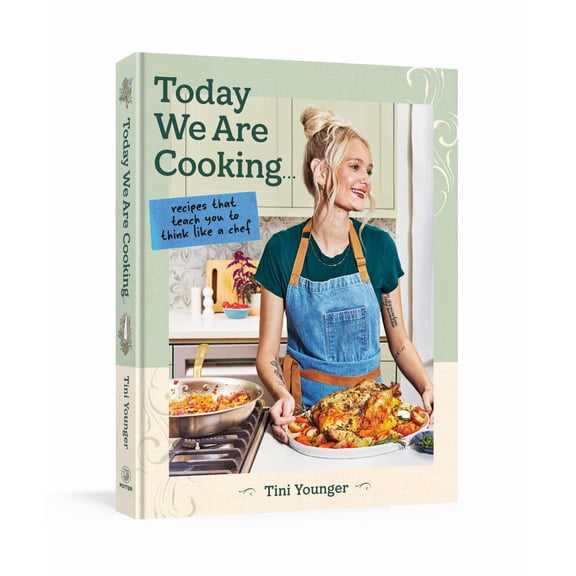
If you want a sturdy display copy, you may choose a hardcover cookbook for its structured feel and durable cover. If you want lighter handling, you may prefer paperback for easier carrying.
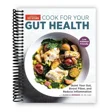
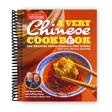
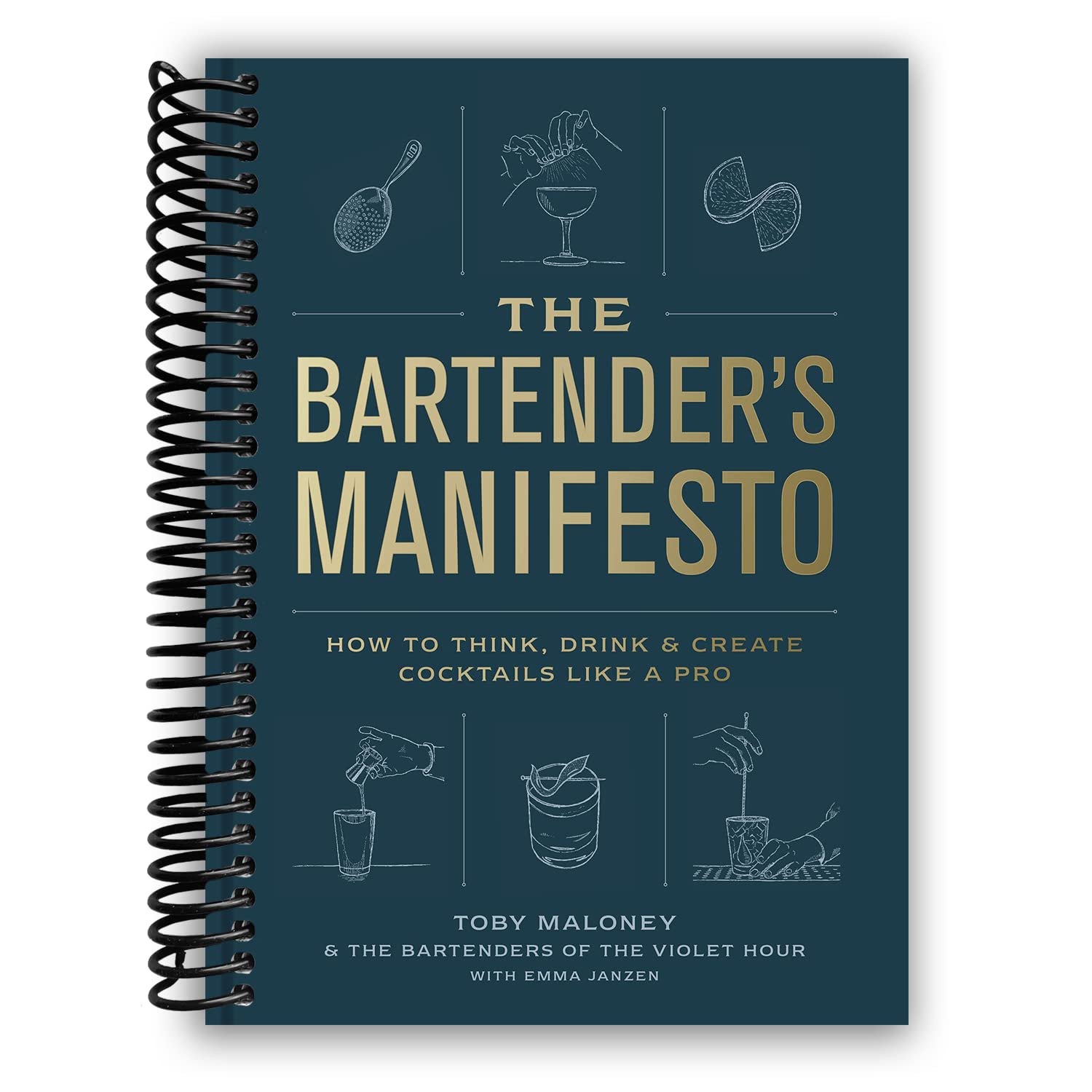
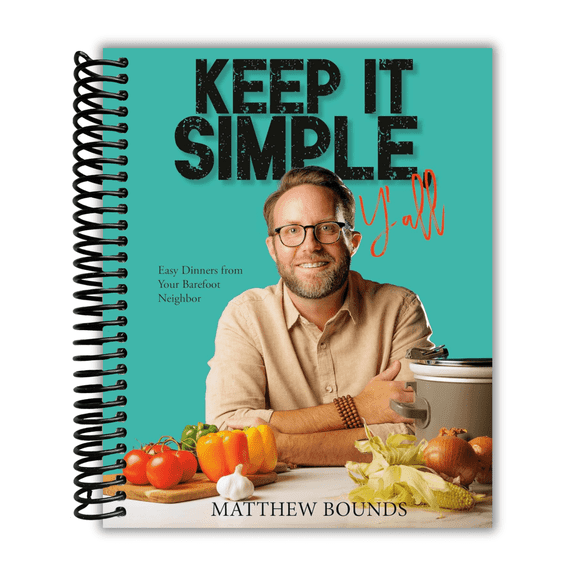
If you cook with messy hands, you may like spiral-bound books because they often lie flatter on the counter. You can keep a page open more easily while you prep ingredients.
If you switch between devices and paper, you may compare an e-book with a print edition. You can read digitally for portability, then keep a physical copy for kitchen reference.
You should also look for clear ingredient lists, chapter tabs, and page layouts with enough spacing. You’ll notice these details matter when you cook multiple dishes at once.
If nutrition details matter to you, you may check whether recipes include calorie or macro information. You can use that data to compare portions and meal planning styles across books.
Comparing canning guides, visual steps, and specialty topics
If you preserve produce at home, you may want a ball canning guide alongside general cookbooks. You can compare books that focus on jams, relishes, peaches, tomatoes, and pantry basics.
When you review a ball blue book canning peaches topic, you should look for batch guidance and ingredient ratios. You may also want photo support that clarifies peeling, packing, and processing steps.
You can also compare specialty shelves such as baking books, Southern cookbooks, and wine guides. That mix helps you build a collection that supports weekday dinners, holiday tables, and seasonal projects.
If you’re deciding where to buy cookbooks, you may want broad selection and recognizable topics in one category page. You can compare author-driven titles, kitchen reference books, and giftable editions without hopping between multiple departments.
You may also want books that balance inspiration with structure. You can look for menu ideas, chapter organization, and recipe notes that make repeat cooking easier.
How to match cookbook choices to your cooking routine
If you cook comfort food often, you may lean toward Southern recipe collections with familiar ingredients and family-style portions. You can keep those books handy for weekend breakfasts, casseroles, and holiday sides.
If you preserve garden produce, you may pair a canning manual with a general recipe collection. You’ll have one resource for jar methods and another for serving ideas after the pantry is stocked.
If you’re gifting a cookbook, you may choose hardcover for a polished presentation and sturdy shelf presence. If you’re buying for active kitchen use, you may compare spiral-bound options first.
If you’re short on shelf space, you may prefer paperback or digital editions that store more easily. You can still get visual recipe guidance and organized chapters without a bulky format.
If your household tracks portions, you may look for books with nutrition details and recipe yield information. You can use those features to plan breakfasts, lunches, and shared dinners with more clarity.
When you want a brenda gantt cookbook or a related homestyle title, you should focus on recipe tone, format, and kitchen usability. You’ll feel more confident when your book matches how you actually cook, serve, and store it.
You can narrow cookbook choices faster when you compare format, visuals, canning coverage, and nutrition details together. You’ll end up with a book that fits your counter, your meals, and your cooking habits.