

Theater Books on Performing Arts and Plays
















About Theater Books on Performing Arts and Plays - Walmart.com
You can use theater books to study plays, prepare auditions, and compare dramatic traditions across stages, eras, and classroom reading lists. You’ll find category guidance here that helps you choose scripts, criticism, and actor-focused titles with clearer purpose.
How to choose theater books by book type
You should first decide whether you need performance text or academic context. You may want play scripts for rehearsal, or you may need history and criticism for coursework.
If you’re preparing material, monologue books can help you compare pieces by tone, age fit, and run-time. You’ll also find biographies useful when you want insight into playwrights, performers, and productions.
For classroom work, you may look for drama books that explain movements, major playwrights, and key productions. If you’re staging scenes, you’ll likely focus on usable text, cast notes, and edition details.
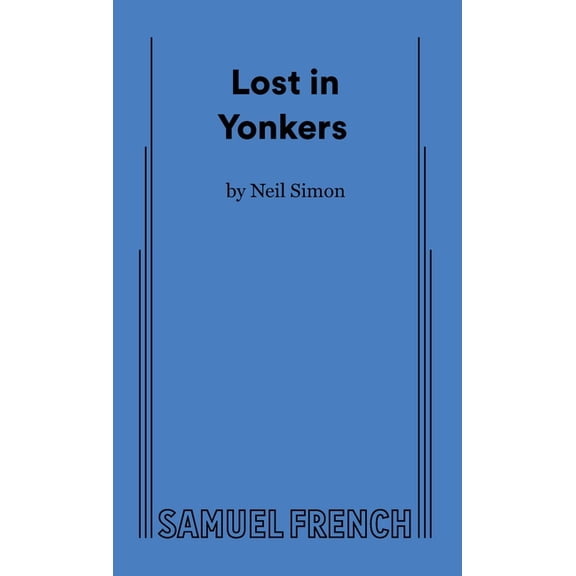
- You can choose play scripts when you need dialogue, scene structure, and character arcs in full text.
- You can choose monologue books when you need audition-ready selections with quick comparison across voice and style.
- You can choose biography titles when you want backstage context on artists, companies, and landmark productions.
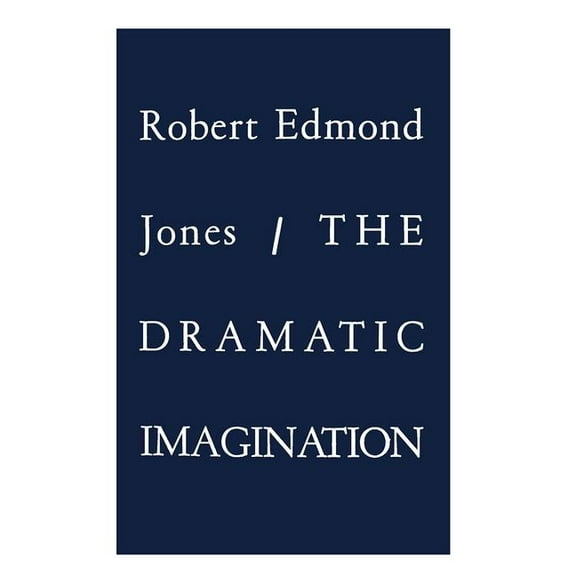
- You can choose history and criticism when you need theater history books for classes, essays, or deeper reading.
Choosing formats for theater books
You should match the format to how you’ll read, annotate, and carry your material. You may prefer paperback for marking lines, hardcover for shelf reference, or e-book for portable reading.
If you’re heading to rehearsal, a physical copy often makes page turns and margin notes easier. When you’re commuting or comparing several titles, digital access can keep your reading list lighter.
You may also want to check course requirements before you choose a format. If your instructor assigns a specific edition, you’ll want the exact version for page references and scene discussions.
What to look for in editions, translations, and genres
You should compare editions carefully when you’re buying classical or widely taught plays. You may need a specific translation, introduction, or line numbering system for class or production work.
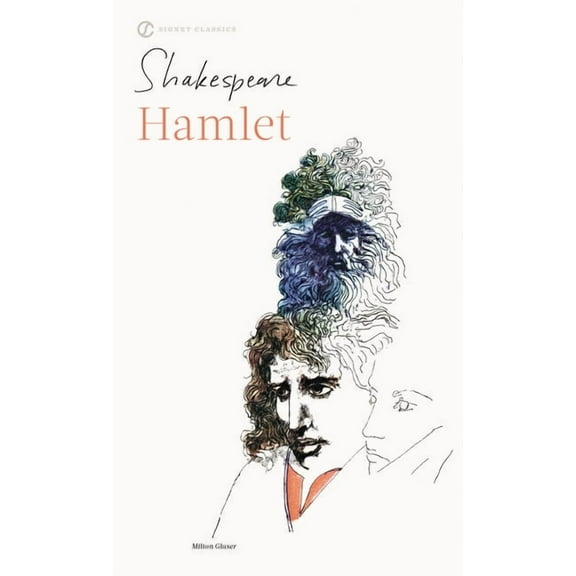
If you’re reading Shakespeare, Greek tragedy, or other classic drama, one edition may not match another. You’ll want to confirm translator names, editorial notes, and whether the text includes essays or annotations.
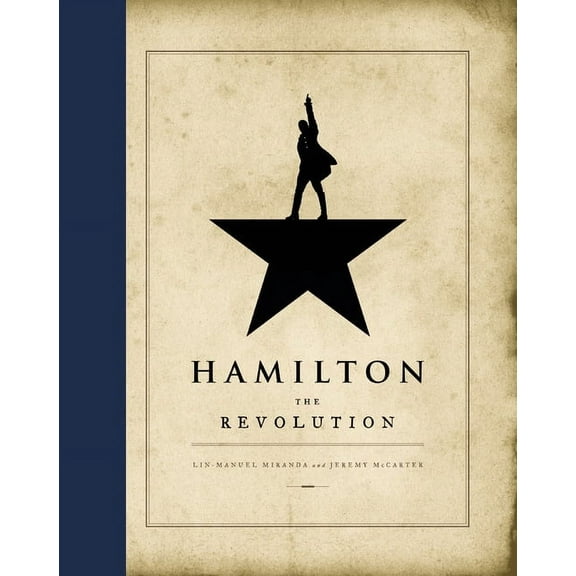
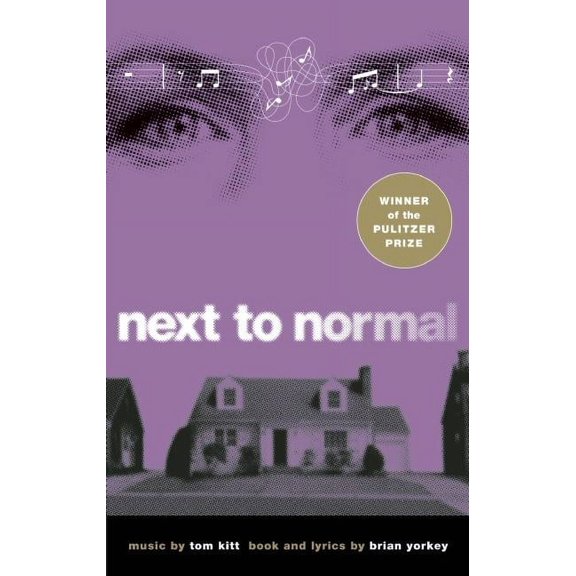
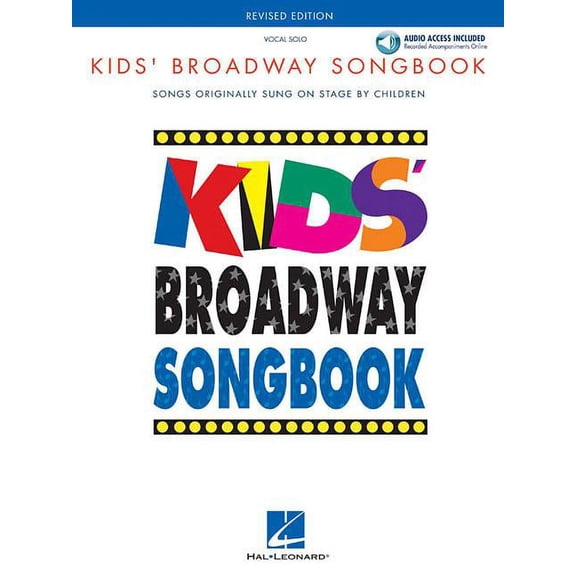
You can also narrow theater books by theatrical genre to fit your goals. If you want musical theater context, you may prefer books on librettos, lyrics, and production history.
For scene study, you may lean toward drama books with emotionally layered dialogue and clear character objectives. If you want lighter reading or contrast, comedy and tragedy can sharpen how you compare timing and stakes.
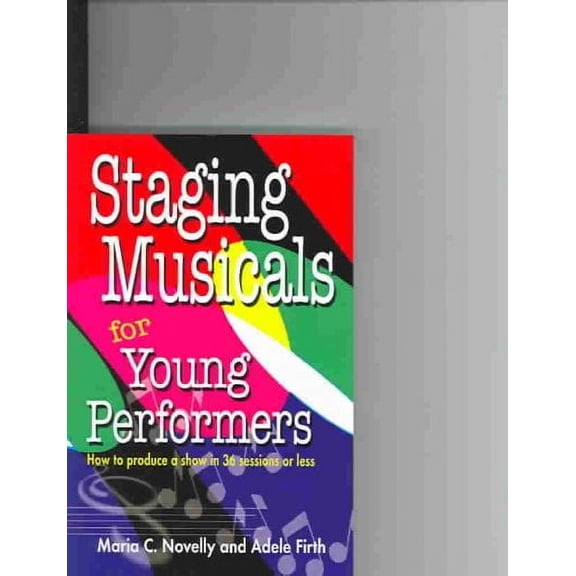
You may also look for stagecraft books when your interest goes beyond acting and writing. Those titles can help you study directing, design vocabulary, and how a script becomes a full production.
Choosing theater books for actors, directors, students, and enthusiasts
You should think about your role before you choose among theater books. If you’re an actor, you may want acting books, monologue collections, and script analysis guides.
If you’re a director, you may focus on texts with production history, interpretive notes, and strong ensemble scenes. You’ll often need books that support casting ideas, staging choices, and rehearsal planning.
Students usually need performing arts books that align with assignments, citation needs, and reading level. You may benefit from theater history books that explain periods, movements, and influential playwrights in plain language.
If you’re a theater enthusiast, you may enjoy biographies, criticism, and works centered on Broadway, regional productions, or dramatic traditions. You can build a reading list that moves from famous scripts to lesser-known voices.
Using theater books for auditions, classes, and collecting
You can use play scripts to prepare scenes, track beats, and mark entrances during rehearsal. You’ll often want a copy that gives you room for notes and repeated page checks.
When you’re selecting audition material, monologue books work well when they identify tone, character type, and approximate length. You can compare pieces quickly when details are clearly organized.
For research papers, you may need theater history books that connect plays to movements, venues, and social context. You’ll get more from those titles when introductions and notes explain why a play mattered.
If you’re building a personal library, you may mix hardcover reference titles with paperbacks for active reading. You can create a collection that supports performance prep, class study, and long-term appreciation.
You may also pair acting books with stagecraft books when you want a fuller picture of production work. That combination helps you read both from the performer’s view and the production team’s perspective.
You’ll make more informed choices when your theater books match your purpose, required edition, and preferred format. You can move from reading to rehearsal or study with fewer surprises and stronger preparation.