


Pasta Sauces for Delicious Italian Meals


















About Pasta Sauces for Delicious Italian Meals - Walmart.com
Pasta sauces help you turn pantry staples into quick, flavorful meals. You can compare tomato-based jars, creamy options, and pesto choices that fit your recipes and routine.
How to choose pasta sauces for your meals
When you compare pasta sauces, you should start with the sauce base. You’ll usually choose between tomato-based, cream-based, oil-based, and pesto styles.
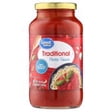
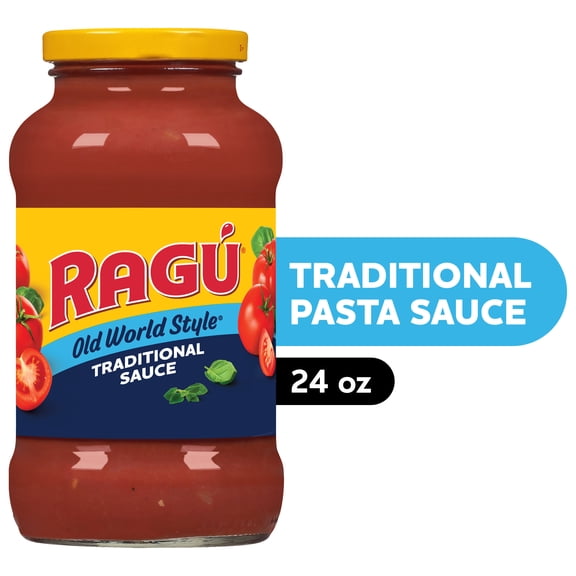
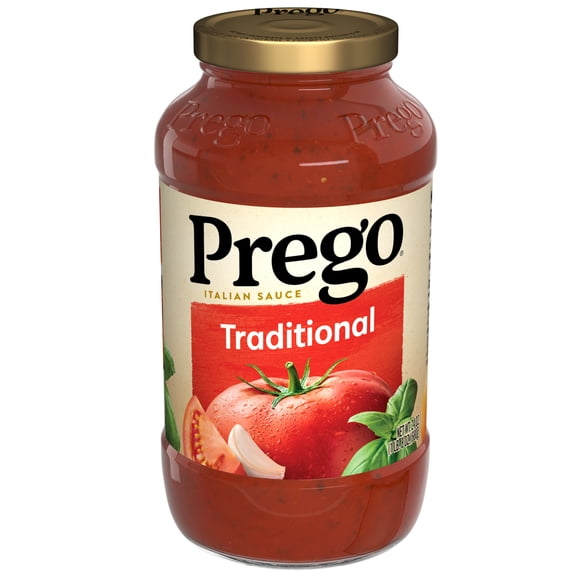
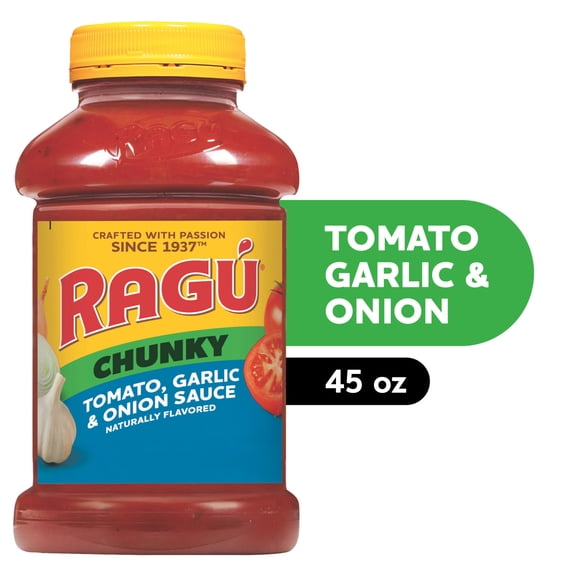
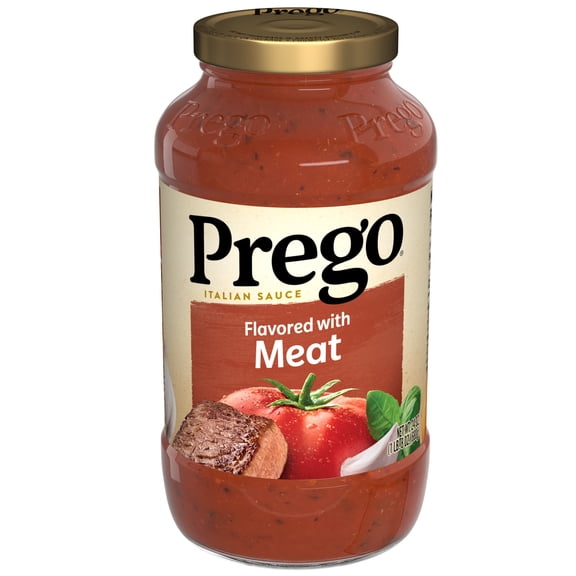
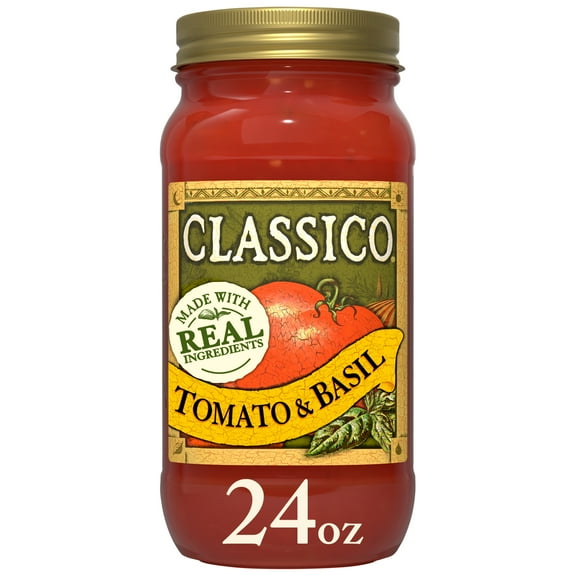
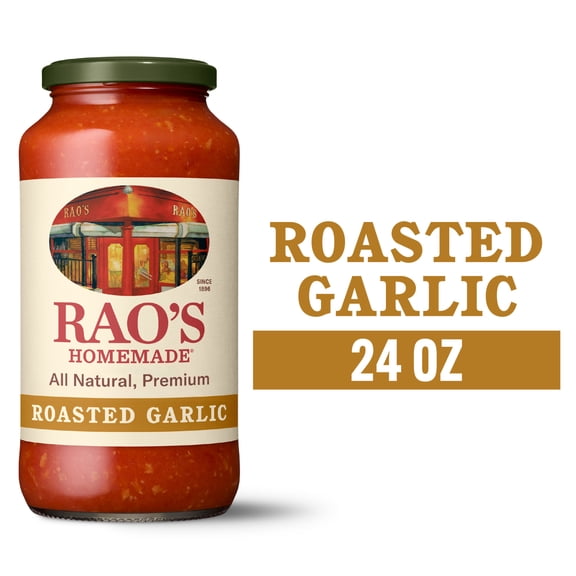
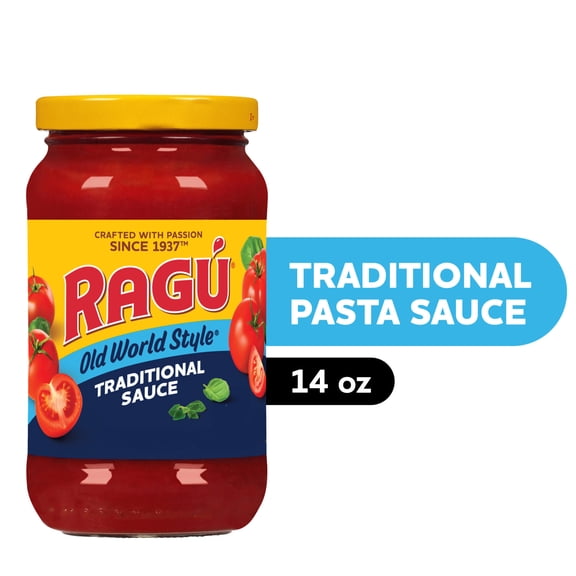
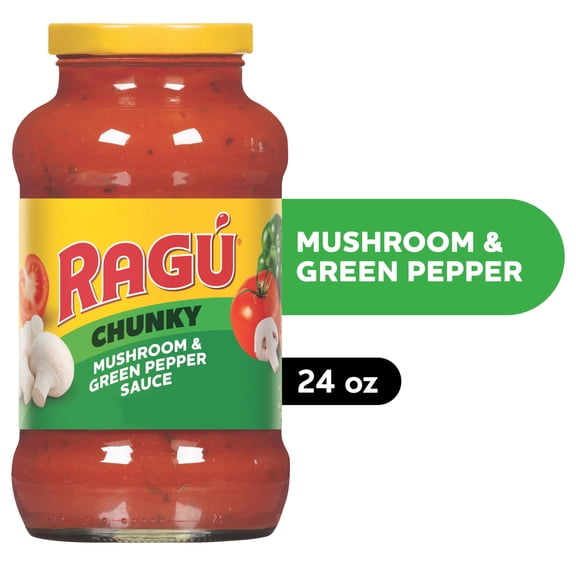
Tomato-based options give you the classic red profile you expect with spaghetti sauce. You’ll often get bright tomato flavor that pairs well with meatballs, sausage, or roasted vegetables.
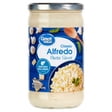
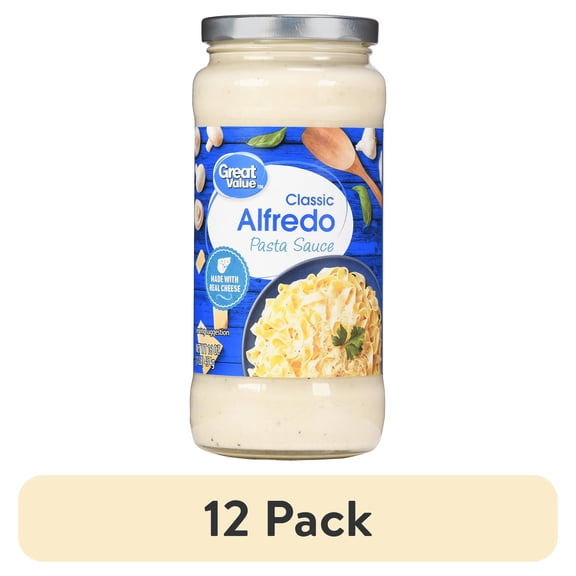
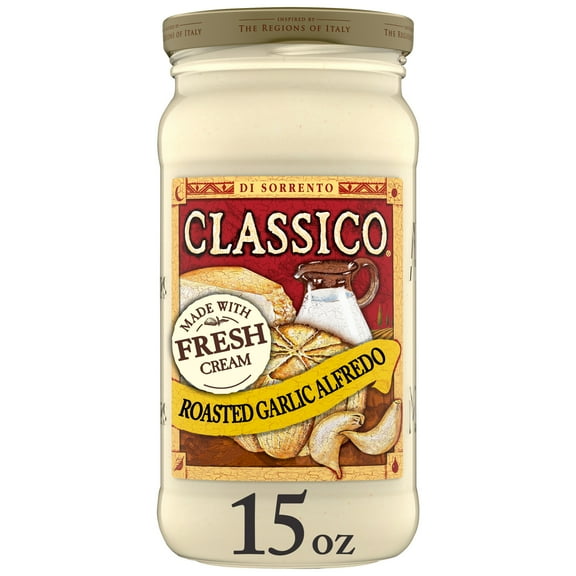
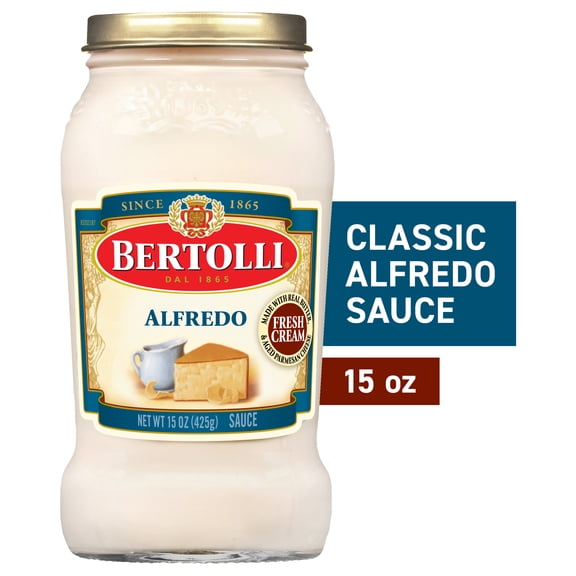
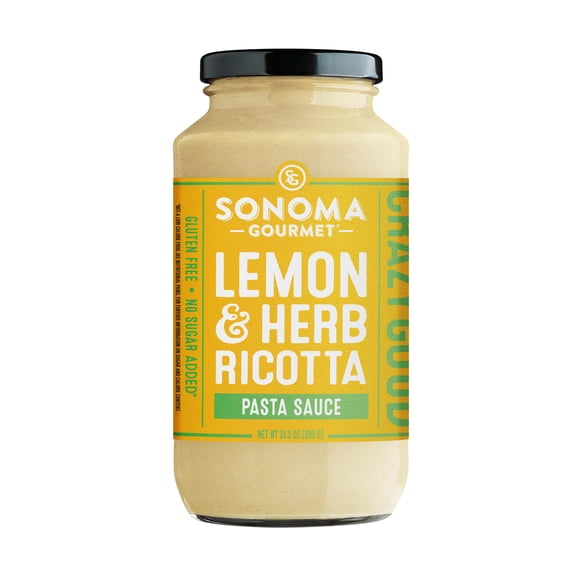
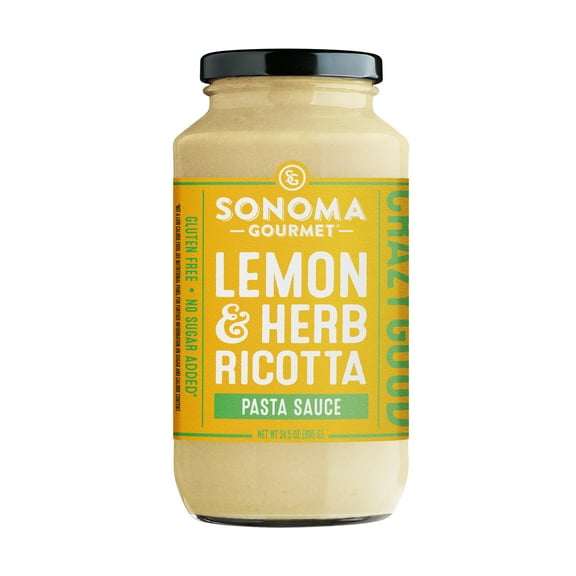
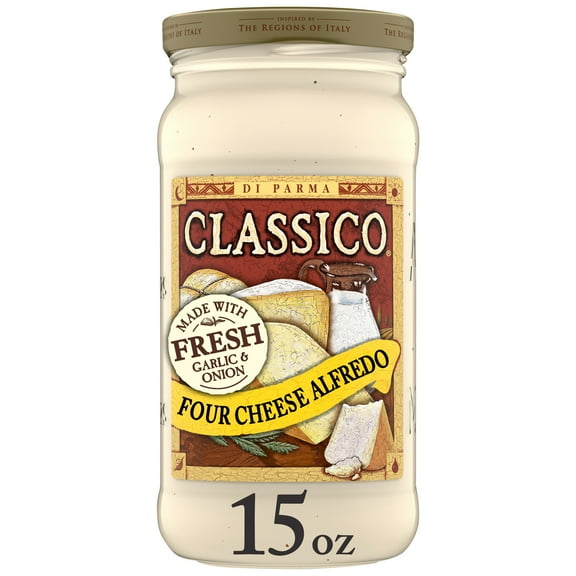
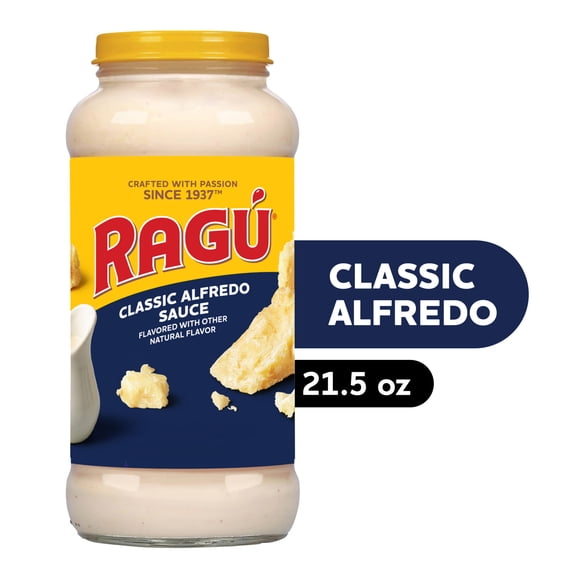
Cream-based choices, including alfredo sauce, give you a richer texture for fettuccine and baked pasta. You may prefer these jars when your dinner calls for a smooth, velvety coating.
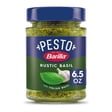
Oil-based and pesto selections give you a lighter finish with visible herbs, garlic, or cheese. You can use these sauces when you want basil-forward flavor on short pasta or chicken.
- You can match red sauces with spaghetti, penne, ravioli, and lasagna.
- You can use alfredo sauce for fettuccine, broccoli pasta, and baked casseroles.
- You can spoon pesto sauce over rotini, tortellini, or grilled chicken pasta salads.
- You can keep several sauce bases on hand for quick weeknight variety.
Choosing spaghetti sauce by flavor profile
Flavor profile changes how your finished plate tastes, even within the same sauce base. You should compare traditional marinara, garlic and herb, spicy arrabbiata, and four cheese styles.
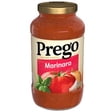
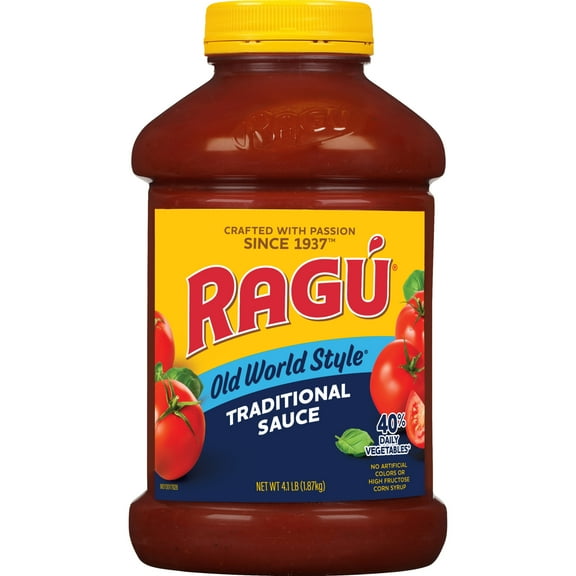
Traditional marinara sauce gives you a balanced tomato taste that works in many recipes. You can use it for spaghetti nights, stuffed shells, or easy skillet pasta.
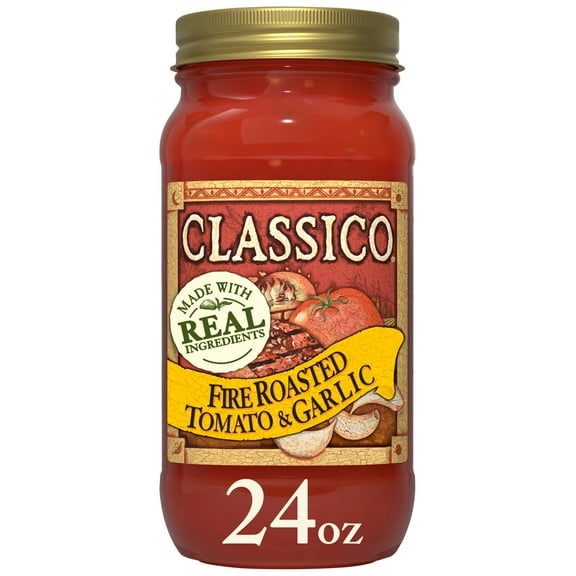
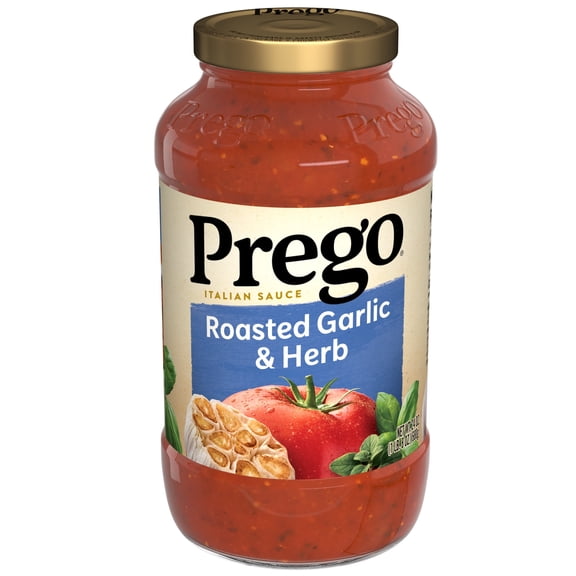
Garlic and herb varieties give you extra seasoning without adding separate pantry items. You’ll appreciate that shortcut when you want layered flavor in less prep time.
Spicy arrabbiata brings chile heat that stands up to sausage, shrimp, or hearty pasta sauces. You can choose it when you want a bolder bowl during cooler months.
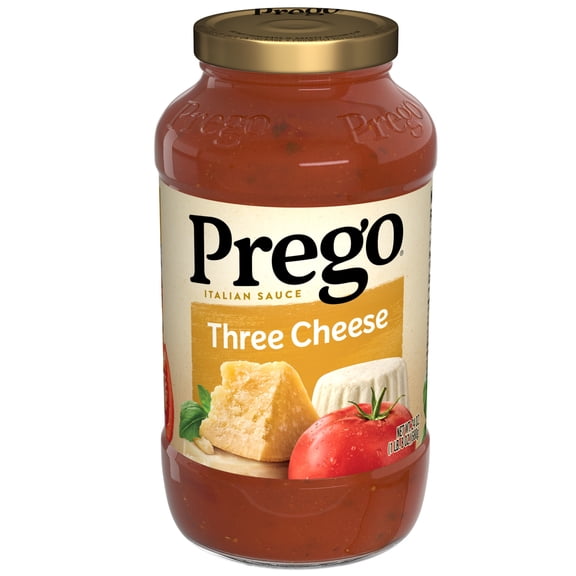
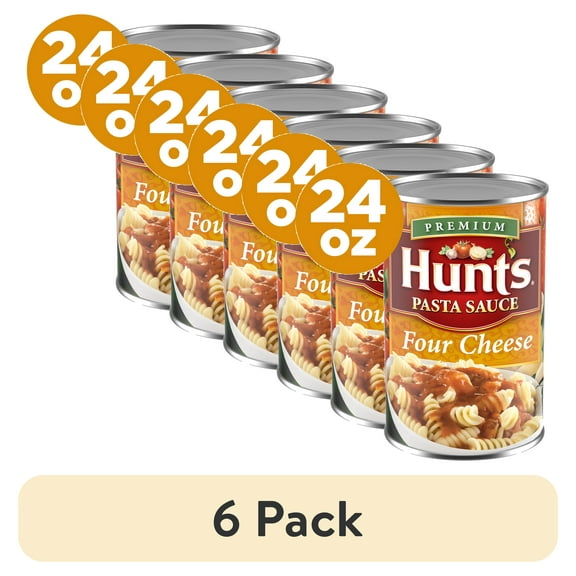
Four cheese and similar blends give you a fuller, savory finish in red or white sauces. You may like these options for baked ziti, dips, or stuffed pasta dinners.
What to look for in marinara sauce and alfredo sauce
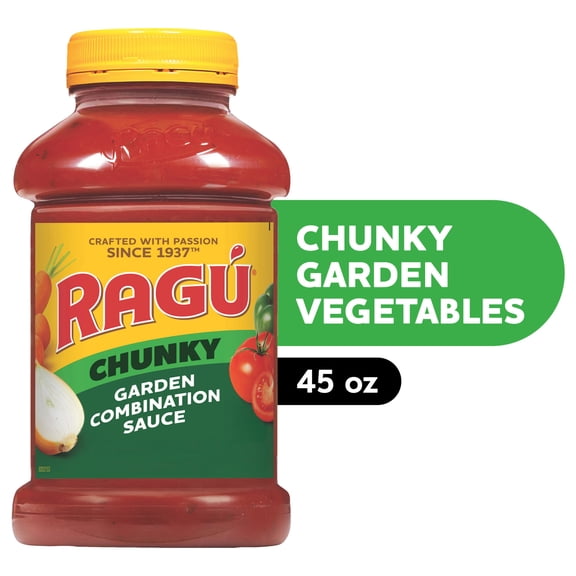
You should read the label for ingredients, texture, and intended use before choosing a jar. You’ll notice some sauces are smoother, while others include tomato pieces, herbs, or cheese.
For marinara sauce, you can look for a clean tomato base and a spoonable texture. You may want a smoother jar for pizza shortcuts and a chunkier jar for pasta bakes.
For alfredo sauce, you should check whether you want a lighter coating or a thicker finish. You’ll find thicker textures helpful when you’re making baked dishes or creamy casseroles.
You can also compare seasoning levels before planning your meal. Your choice matters because mild jars support custom recipes, while seasoned jars reduce extra prep.
Recipe compatibility is another useful filter when you shop this category. You can pair red sauce with long noodles, creamy sauce with ribbons, and pesto with twists or filled pasta.
Choosing organic pasta sauce and dietary options
Dietary labels can narrow your choices quickly when you’re planning for different households. You should compare organic pasta sauce, gluten free pasta sauce, no sugar added, and keto-friendly options.
Organic pasta sauce can appeal to you when ingredient sourcing is part of your routine. You can keep these jars on hand for everyday dinners or pantry backups.
Gluten free pasta sauce helps you check compatibility with your noodles and sides more easily. You should still review each label, especially when you’re pairing sauce with specialty pasta.
No sugar added jars can help you control the flavor profile in homemade-style recipes. You may prefer them when you want tomato-forward taste without added sweetness.
Keto-friendly choices can fit low-carb meal plans built around zucchini noodles, chicken, or meatballs. You can compare labels closely to find options that align with your ingredients.
How to pick the right jar size and pack count
Packaging size affects convenience, portions, and how often you restock your pantry. You should compare single jars, family size jars, and multi-packs based on your meal habits.
A single jar around 24 ounces can work well when you’re making dinner for a smaller household. You’ll usually have enough for one pasta night with little leftover planning.
Family size jars around 45 ounces can suit batch cooking, layered casseroles, or larger gatherings. You can use them for baked ziti, lasagna, or several servings of spaghetti sauce.
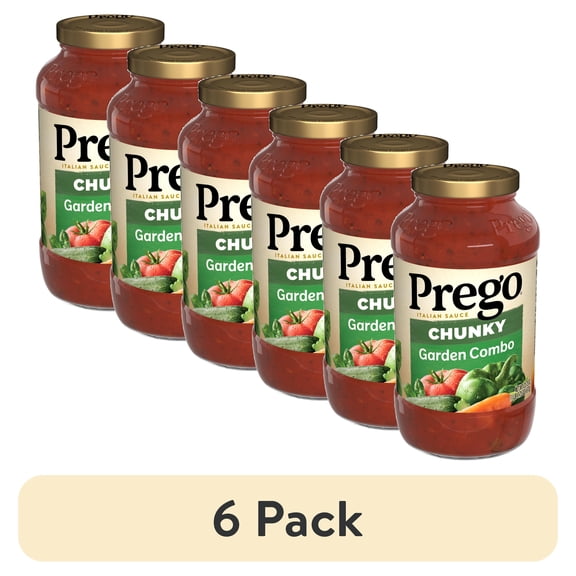
Multi-packs make sense when you rotate between red sauce, alfredo sauce, and pesto sauce during busy weeks. You can keep pantry staples ready for quick lunches and simple dinners.
How pasta sauces fit everyday cooking
You can use pasta sauces beyond a basic bowl of noodles. You might stir them into slow cooker sauces, spread them on flatbreads, or layer them into casseroles.
Hearty pasta sauces work well when you want comfort food with baked pasta, Italian sausage, or meatballs. You can also use tomato sauce as a base for soups and skillet meals.
Creamy sauces can coat vegetables, chicken, or tortellini for a richer dinner with little prep. You’ll get added flexibility when you keep both red and white options in your pantry.
Pesto sauce can brighten sandwiches, pasta salad, and roasted vegetables with a quick spoonful. You can create quick weeknight meals when your pantry includes several flavor directions.
With the right mix of bases, flavors, and sizes, you can plan pasta nights with less guesswork. You’ll feel more prepared for quick dinners, bigger family meals, and recipe variety.