






Bed Blankets in Blankets








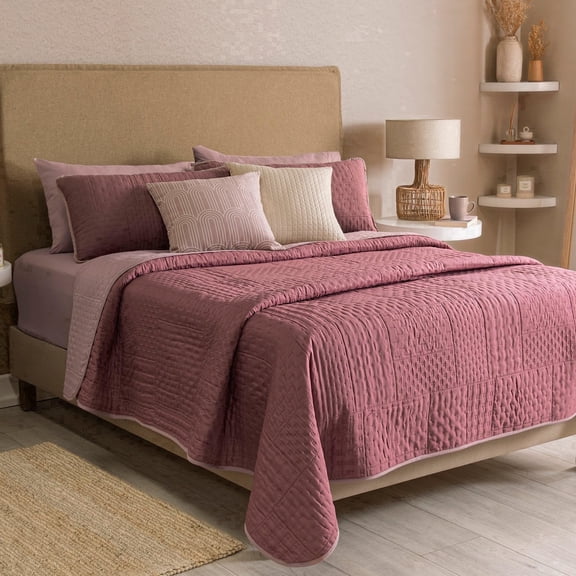

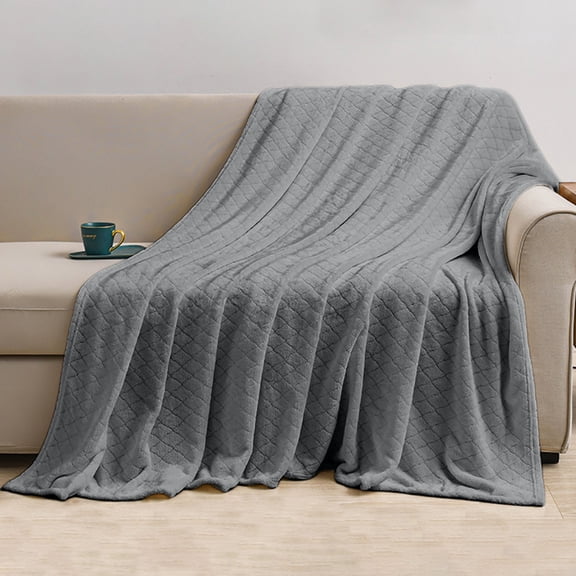
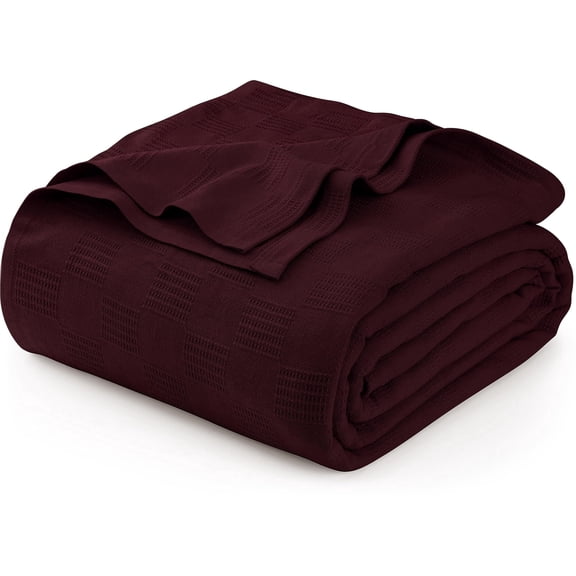


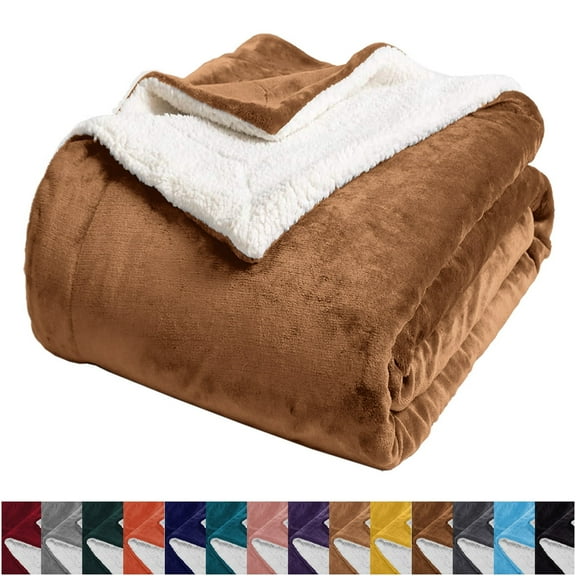


















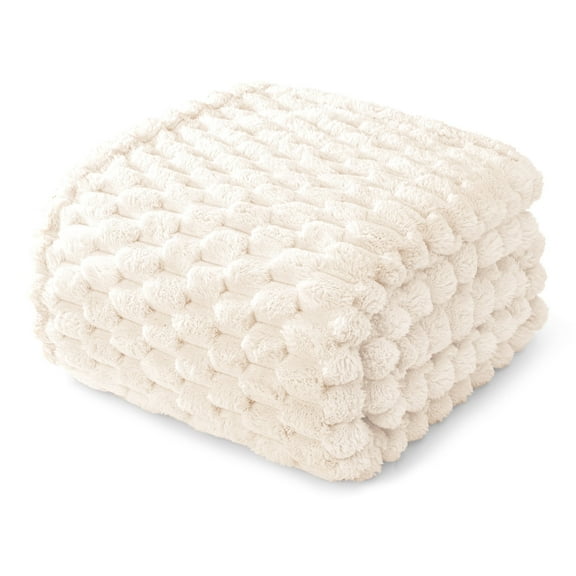


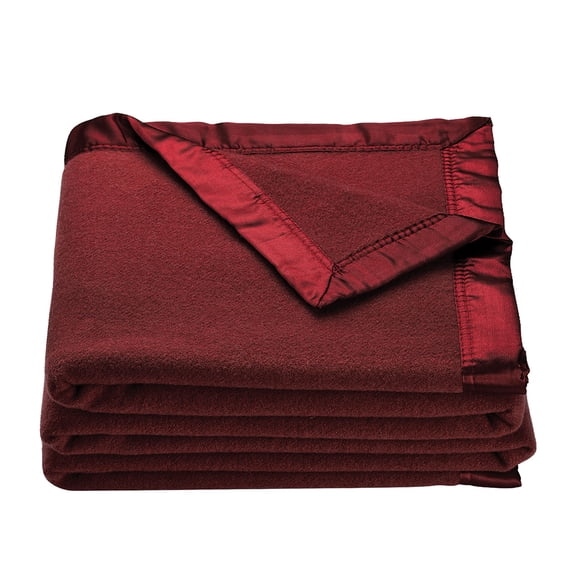





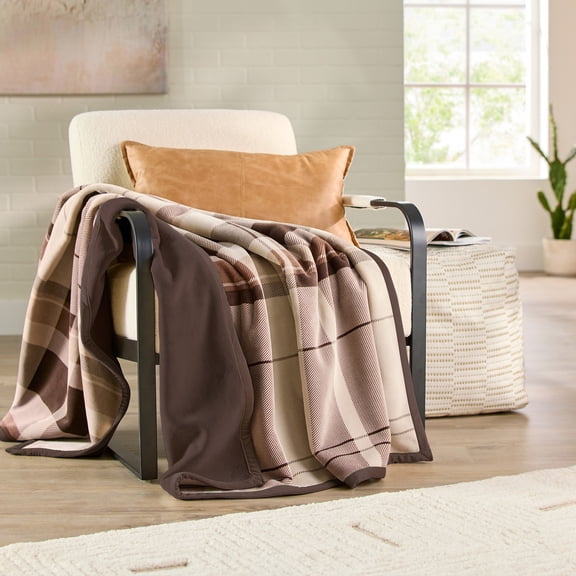


About Bed Blankets in Blankets - Walmart.com
Bed blankets help you layer your bed for warmth, texture, and year-round comfort. You can compare size, material, weight, and care details, so your blanket fits your mattress and sleep style.
If you want a lighter layer for summer or extra warmth for winter, you can sort options by season. You can also narrow your search by type, including fleece bed blankets, cotton styles, weighted blankets, and heated designs.
Choosing the right bed blankets size
You’ll want your blanket size to match your mattress and the coverage you prefer. You can use mattress dimensions as a starting point, then consider extra drape along the sides.
For a twin bed, you’ll often compare blankets around 66 by 90 inches. For queen bed blankets, you’ll usually look for sizes near 90 by 90 inches.
If you’re outfitting a larger bed, king size blankets often measure about 108 by 90 inches. You may also want California King options when you need length for a longer mattress.
- You can choose twin blankets for kids’ rooms, dorms, or compact guest spaces.
- You can look at full and queen sizes when you want flexible coverage for shared beds.
- You can pick king and California King sizes when you want broader drape over deeper mattresses.
Comparing fleece bed blankets and other materials
You can choose material based on how warm, soft, or breathable you want your bedding to feel. You’ll notice that different fabrics work well for different rooms and seasons.
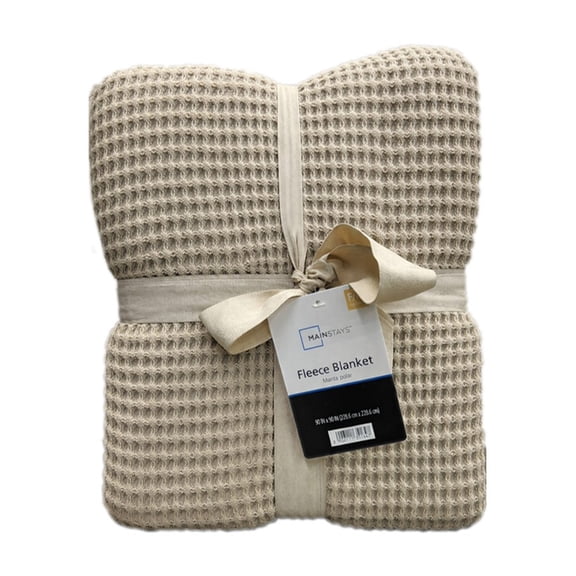
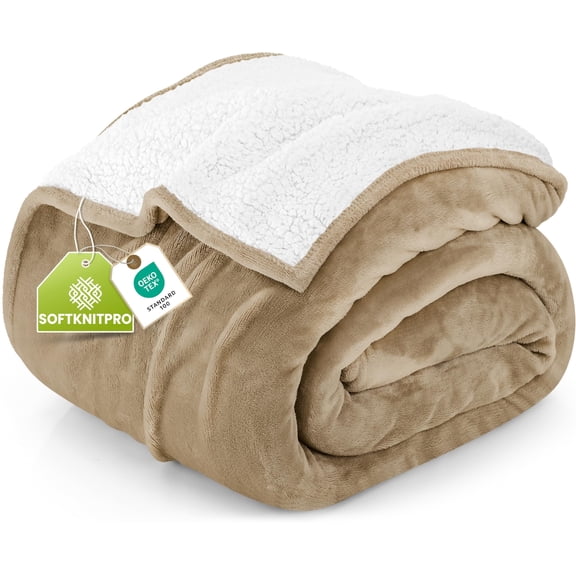
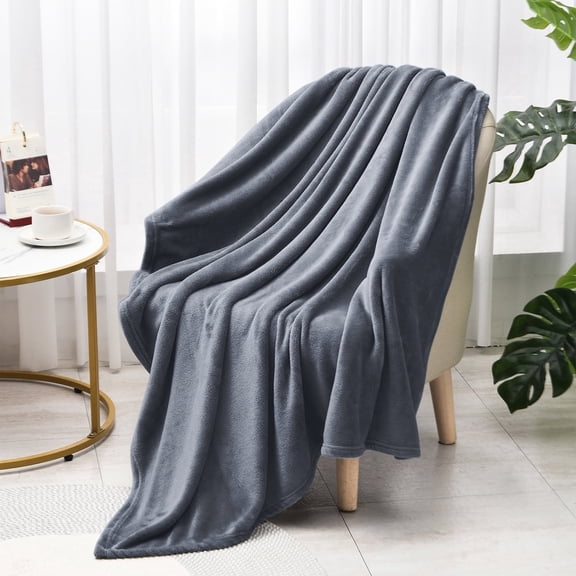
If you want a cozy layer for colder nights, fleece bed blankets can feel plush and insulating. If you prefer a lighter touch, cotton bed blankets can feel breathable and easier to use in warmer weather.
You may compare wool when you want a naturally warmer feel and textured look. You can also consider polyester when you want a soft layer that’s easy to care for.
If you’re deciding between summer and winter use, material can guide your choice quickly. You’ll often lean toward cotton for airflow, while fleece and down-like fills suit colder setups.
Choosing weight and warmth levels
You can sort bed blankets by lightweight, all-season, heavyweight, or thermal construction. You’ll want that warmth level to match your room temperature and layering habits.
If you sleep warm or keep several layers on your bed, lightweight blankets can feel easier to use. If you want one blanket for changing weather, all-season options can give you balanced coverage.
Heavyweight and thermal styles can suit colder months or drafty bedrooms. You can also rotate warm blankets by season, so your bed feels comfortable without feeling overloaded.
Weighted blankets add another decision point because you’ll compare warmth and blanket weight. You may look for options listed in pounds, so you can choose a feel that matches your preference.
If you want a more substantial layer, weighted blankets can add gentle heft to your bedding setup. If you want adjustable warmth, electric blankets and heated blankets can help you customize the feel of your bed.
Checking blanket type and care details
You can narrow your choice by blanket type when you know how you’ll use it each day. Knit styles can add texture, plush styles can feel extra soft, and heated designs can suit colder nights.
You’ll also want to check care instructions before you choose. Some blankets are machine washable, while others may need gentler cycles or more specific care steps.
If you want simple upkeep, you may look for materials that wash and dry easily at home. If you’re considering weighted blankets, you’ll want to check the listed care guidance and total blanket weight first.
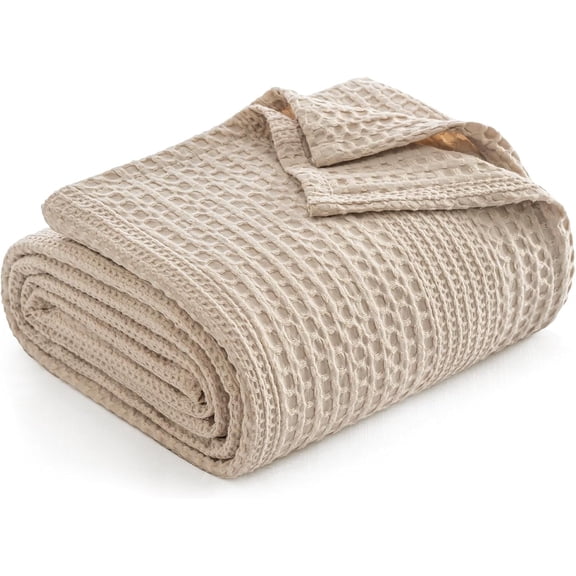
You can also compare edge stitching, weave, and fabric finish when durability matters to you. Those details can affect how your blanket feels after repeated washing and regular use.
Using bed blankets through the year
You can use bed blankets in more ways than basic nighttime layering. A lightweight cotton blanket can work well in summer, while a fleece or thermal option can anchor your winter bedding.
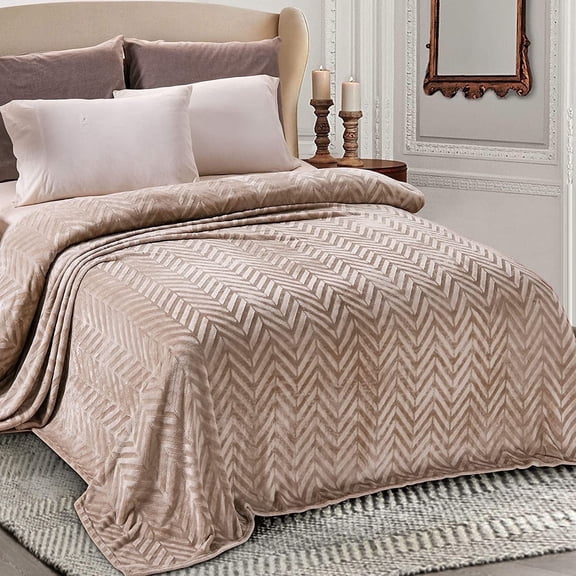
If you’re setting up a guest room, you may want queen bed blankets that suit many bed frames. If you’re refreshing a main bedroom, king size blankets can give you fuller coverage across larger mattresses.
You can also match blanket types to your household routine. Heated styles can suit colder evenings, while weighted options can work as a heavier outer layer during quiet downtime.
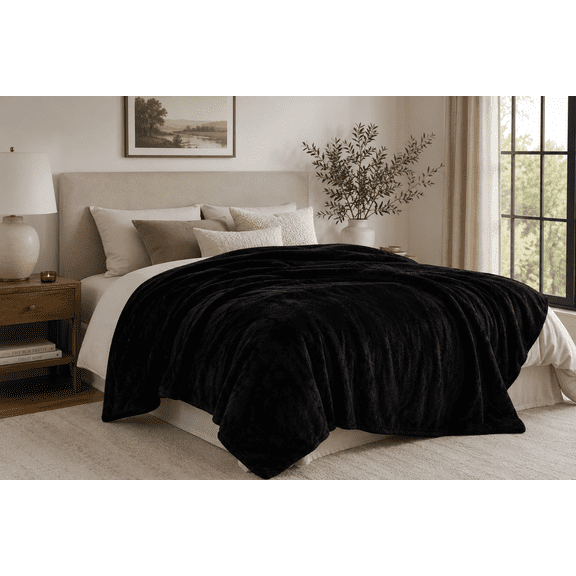
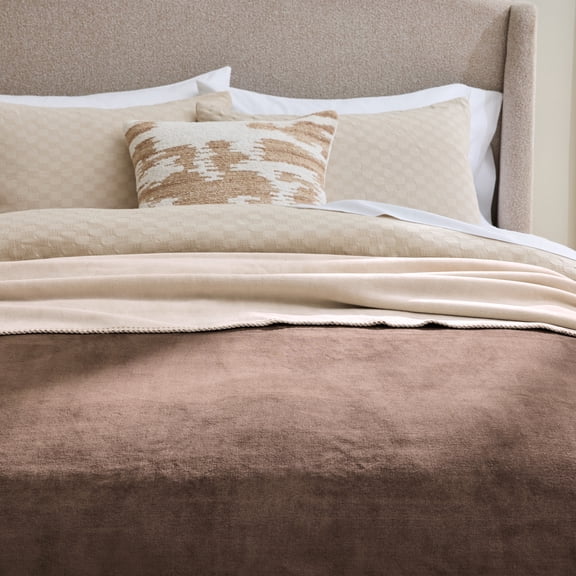
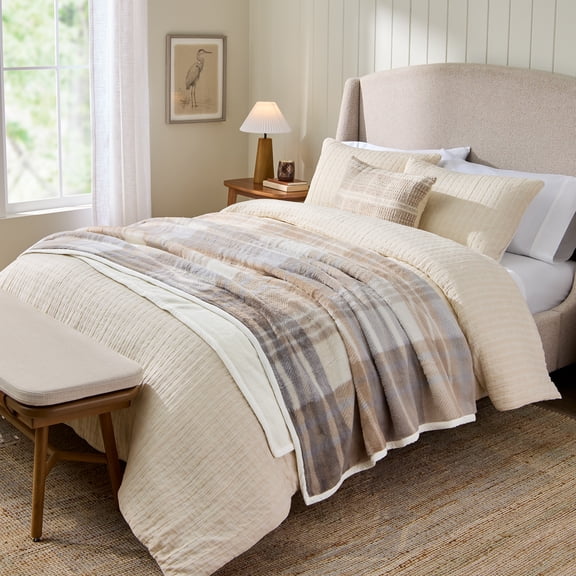
When you build your bed, you may pair blankets with sheets, comforters, and pillows for flexible layering. That approach lets you adjust comfort across seasons without changing your full bedding setup.
You’ll get the full benefit of bed blankets when you compare size, material, warmth, and care before choosing. That simple approach helps you create a bed that feels comfortable, fits properly, and layers easily all year.