

Children's Science Nature Technology Books










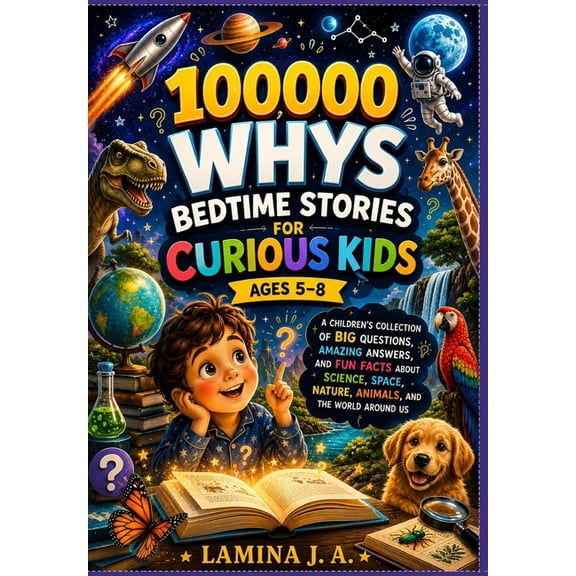
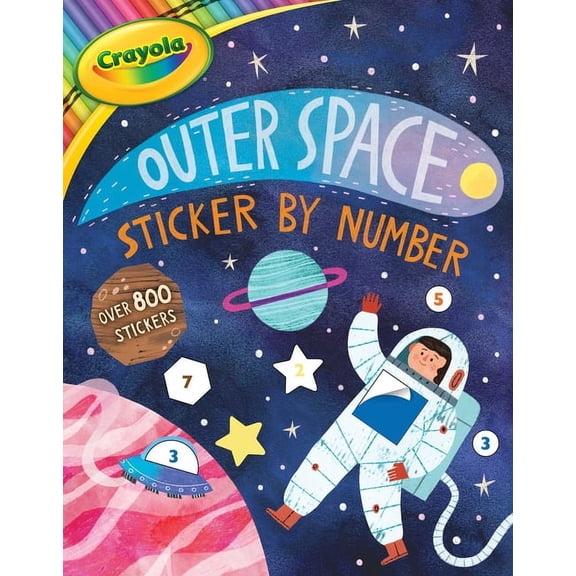
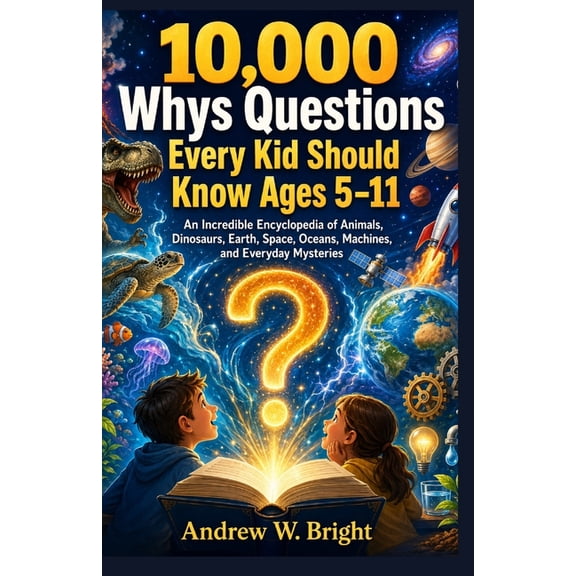
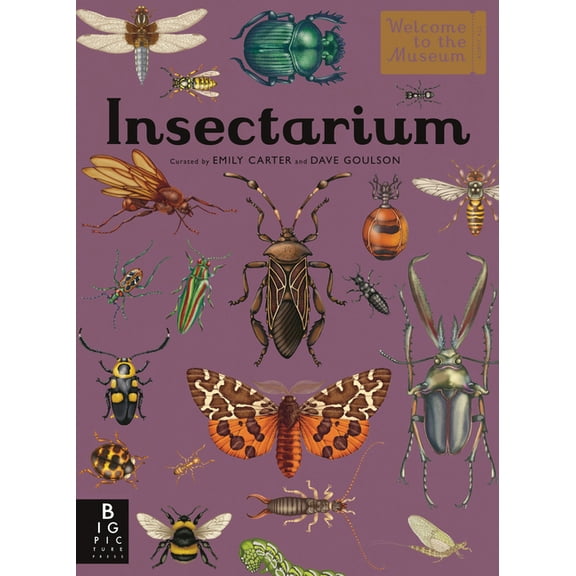


About Children's Science Nature Technology Books - Walmart.com
Kids science and nature books help you turn curiosity into everyday learning. You can choose age-based reads, topic-driven titles, and durable formats that fit how your child explores.
If you're building a home library, this category gives you clear paths by age, subject, format, and learning style. You'll find options for animal facts, space discovery, earth science, and early technology concepts.
How to choose kids science and nature books by age
You should start with age range because reading level shapes how your child connects with new ideas. You can use simple text, bold images, and sturdy pages for younger readers.
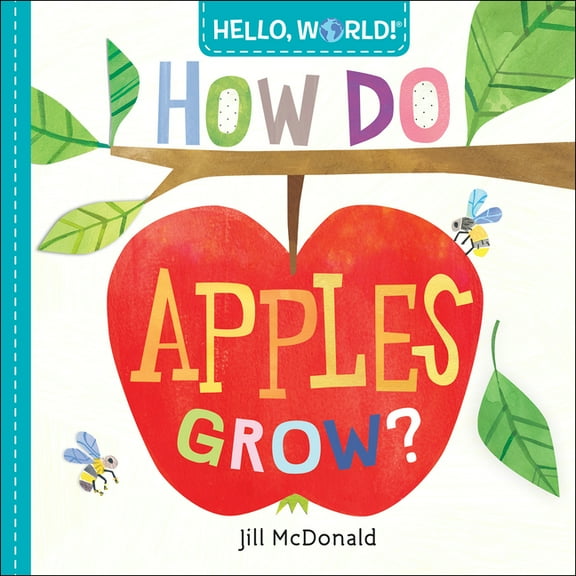
For toddlers and ages 3-5, you may want board books with bright illustrations and short labels. You can introduce weather, insects, oceans, and simple machines without overwhelming early attention spans.
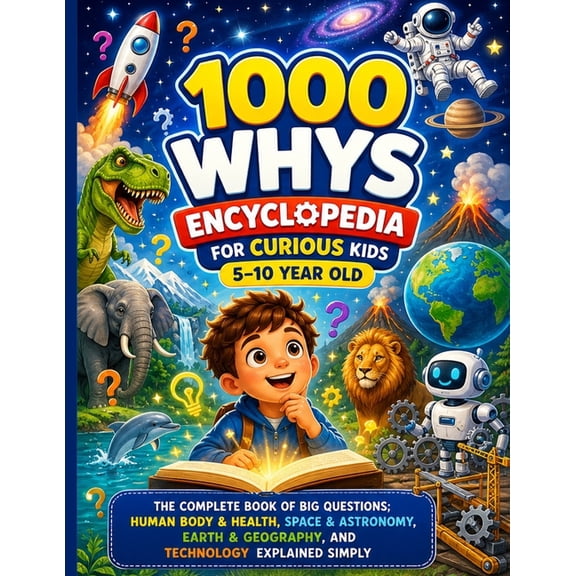
As your child moves into ages 6-8, you can look for short chapters, diagrams, and question-and-answer layouts. You may notice these books support classroom topics while still feeling fun at home.
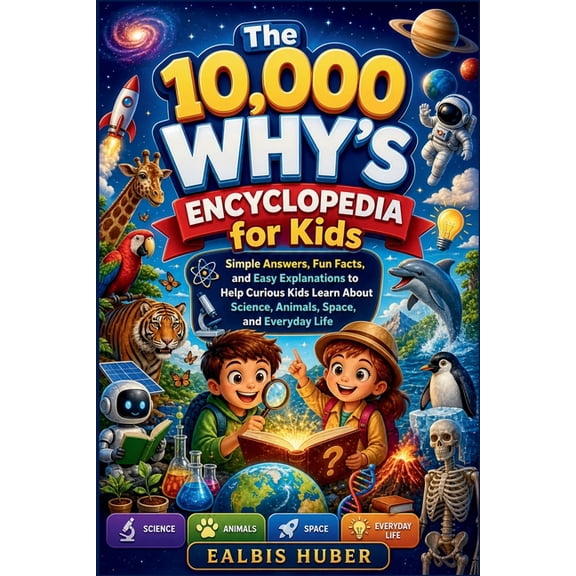
For ages 9-12 and teens, you can compare detailed explanations, timelines, glossaries, and reference-style sections. You might prefer books that connect biology, physics, or technology with real-world examples.
Choosing subject matter in science books for kids
You can narrow your search quickly when you start with the subject your child already loves. You might choose animals, space, earth science, technology, physics, or biology based on school units or personal interests.
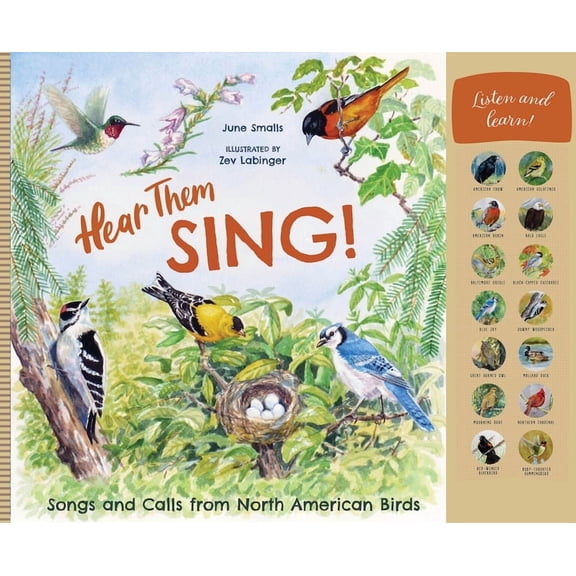
If your child likes wildlife facts, kids nature books can keep reading exciting with habitats, food chains, and life cycle details. You may also enjoy animal showdown books that compare creatures in a lively format.
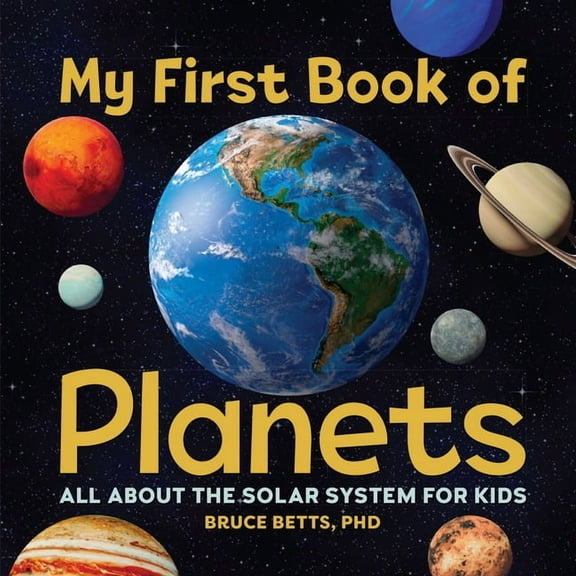
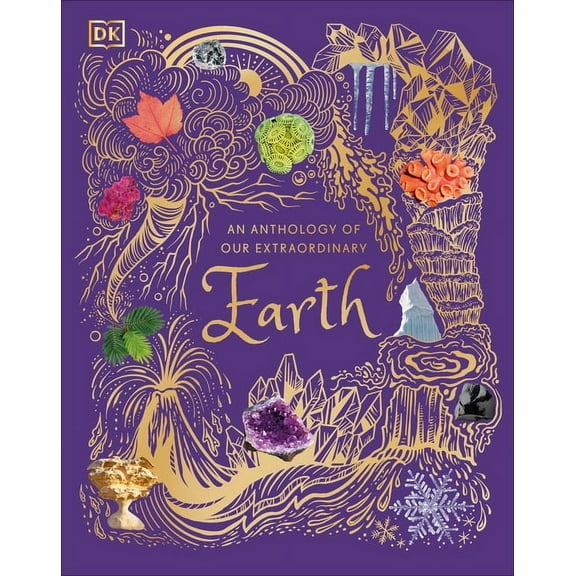
Space titles can help you explore planets, stars, rockets, and astronauts through illustrations and easy explanations. Earth science books can guide you through volcanoes, rocks, oceans, and weather patterns.
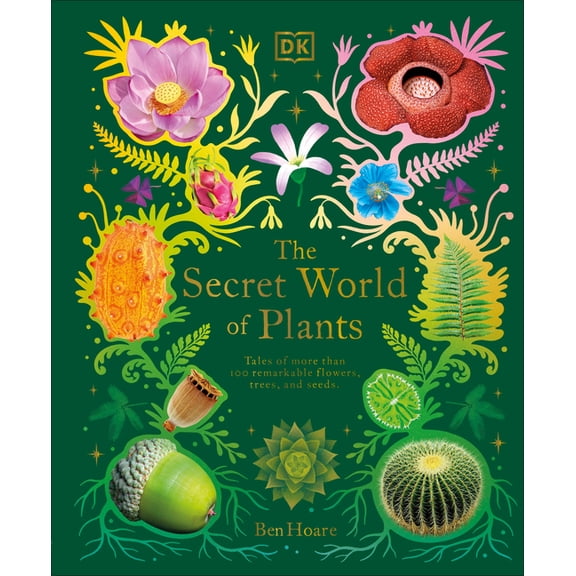
When technology or physics sparks interest, you can look for titles about coding basics, machines, motion, and energy. Biology books can support curiosity about plants, cells, ecosystems, and the living world.
What to look for in stem books for kids
You should compare educational focus before you choose a title for reading time or school support. You can decide between STEM overviews, nature exploration, experiment books, or reference guides.
Hands-on titles work well when your child likes to test ideas instead of only reading about them. You can look for experiment prompts, observation pages, and simple projects that extend the lesson.
- You can use STEM books for kids to connect science topics with engineering and problem-solving.
- You can pick nature exploration books when your child enjoys outdoor discovery, field guides, or seasonal observations.
- You can choose experiment books when your child wants step-by-step activities and visual results.
- You can select reference books when your child needs facts, definitions, charts, and topic summaries.
If you're supporting homework, reference titles can make quick fact checks easy during study time. If you're planning family activities, experiment-focused books can give you structured ideas for weekends.
Comparing formats for everyday reading
You should match book format to your child’s age, reading habits, and storage needs. You can compare board books, paperback, hardcover, and box sets with confidence.
Board books suit toddlers because you may want thicker pages for repeated handling and short sessions. Paperback books can feel light in backpacks, reading nooks, and travel bags.
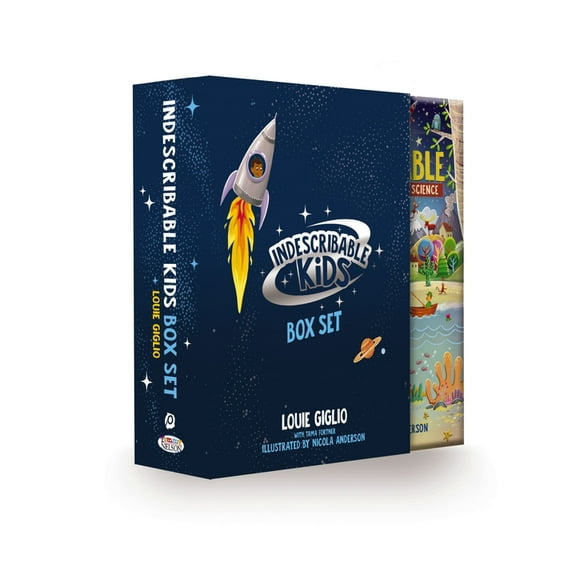
Hardcover editions can work well when you want a sturdy gift or a durable shelf copy. Box sets can help you build a themed library around science topics or reading levels.
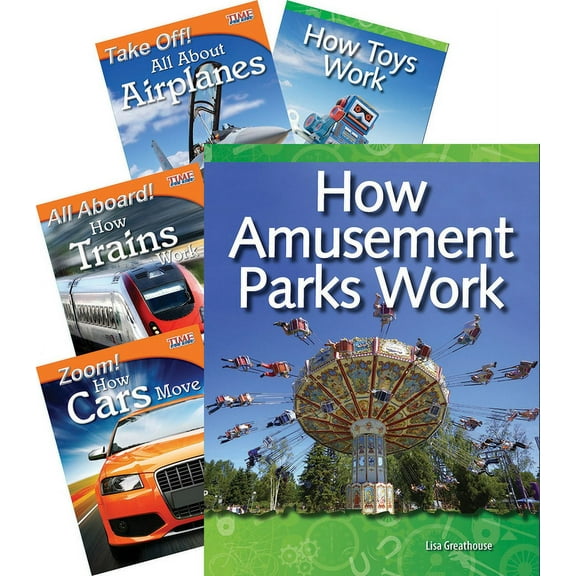
If you're considering a collection, a very short introductions complete set may appeal to older readers who like compact, topic-based learning. You can use sets to keep related subjects organized in one place.
Matching kids science and nature books to real situations
You can choose differently depending on whether you're shopping for bedtime reading, classroom support, or rainy-day activities. Your purpose often points you toward the right age band and educational focus.
For preschool discovery, you may want board books about bugs, farm animals, weather, or the moon. You can keep sessions short while building early science words and picture recognition.
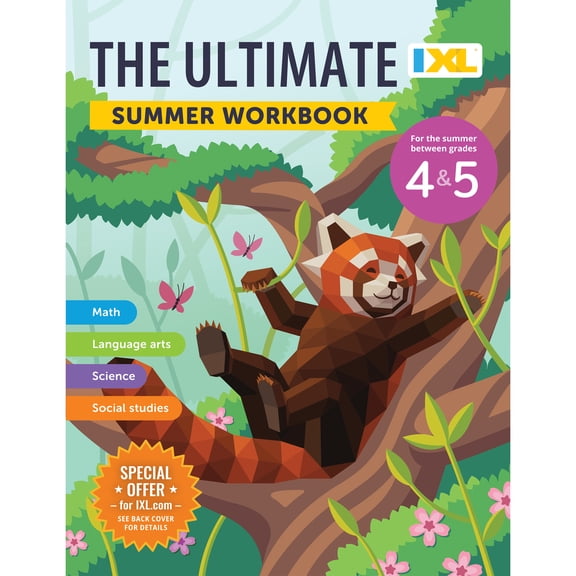
For elementary learners, you might choose paperback science books for kids with diagrams, quizzes, or experiment pages. You can support school units on magnets, planets, habitats, or simple engineering.
For older readers, you may prefer hardcover reference titles on biology, physics, or technology. You can also build interest with animal showdown books that compare species through facts and visuals.
If your child enjoys collecting series, you can look for box sets that group related subjects together. You may find that themed sets make independent reading feel more structured and rewarding.
When you want variety, kids science and nature books let you rotate between outdoor topics, lab-style projects, and big-picture STEM ideas. You can keep curiosity active across seasons, grades, and changing interests.
Why this category works for growing readers
You get a practical way to match reading level, topic interest, and format durability in one category. You can build steady confidence with books that make science, nature, and technology easy to understand.
With the right mix of ages, subjects, and formats, you can turn everyday questions into meaningful reading time. You end up with books that fit your child now and support the next stage of curiosity.