


Find tires that fit
Let’s search for tires that fit your vehicle.255/40-18 Tires: All-Season & Performance Tires



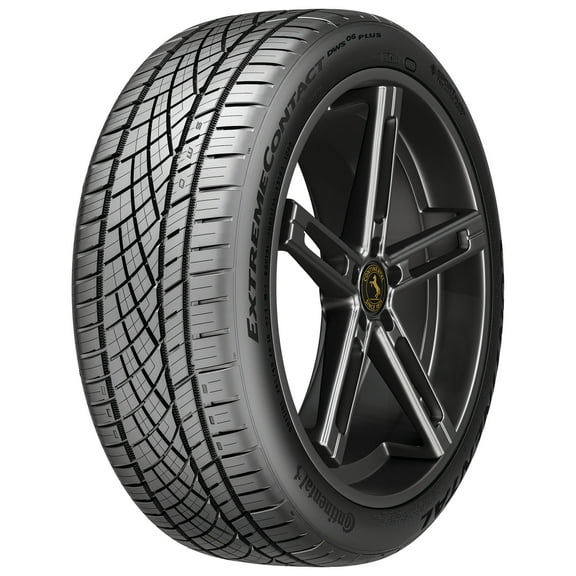
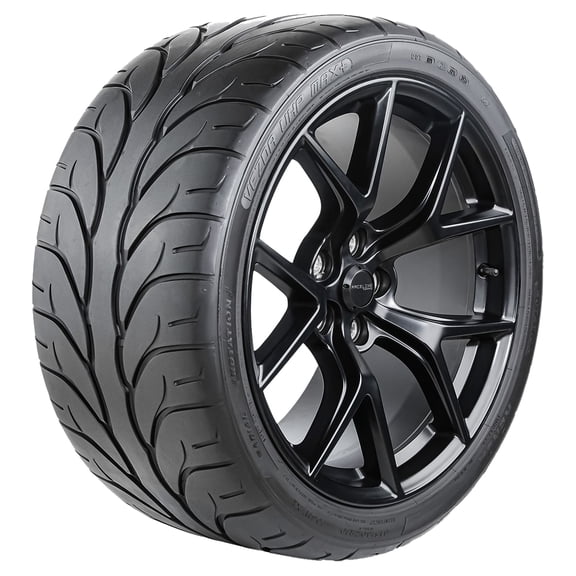


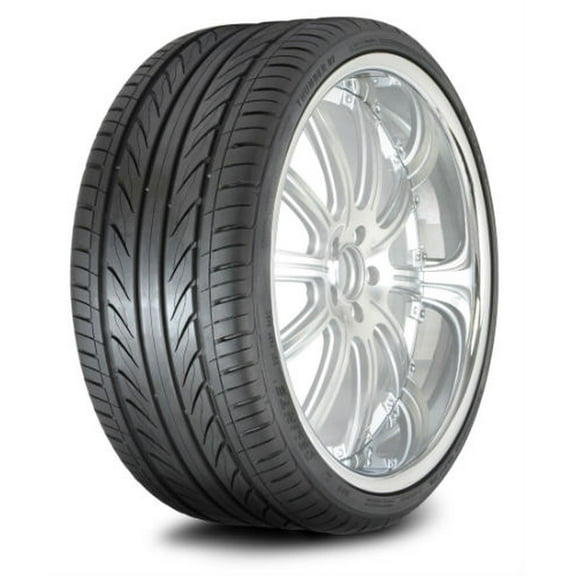
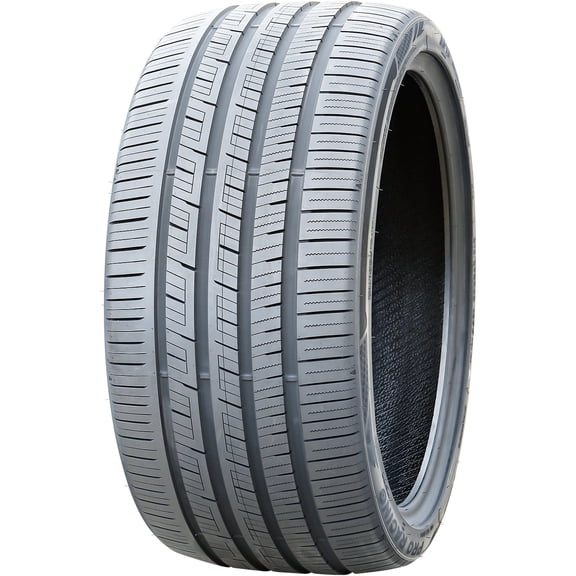


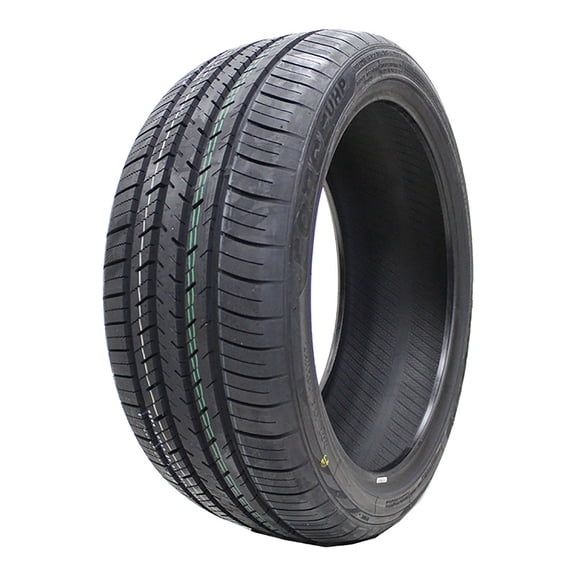
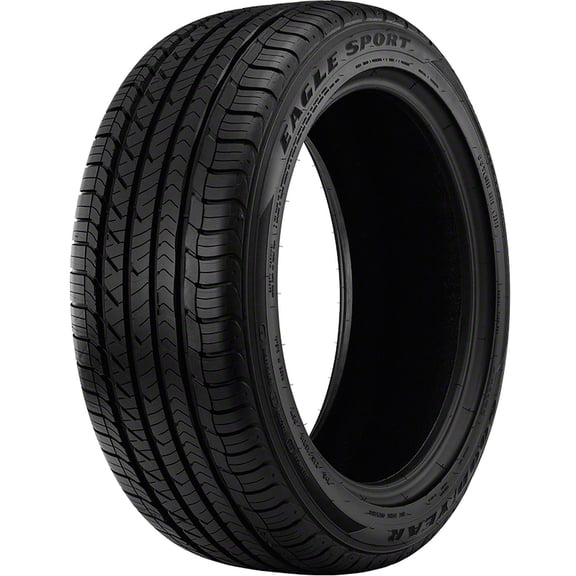

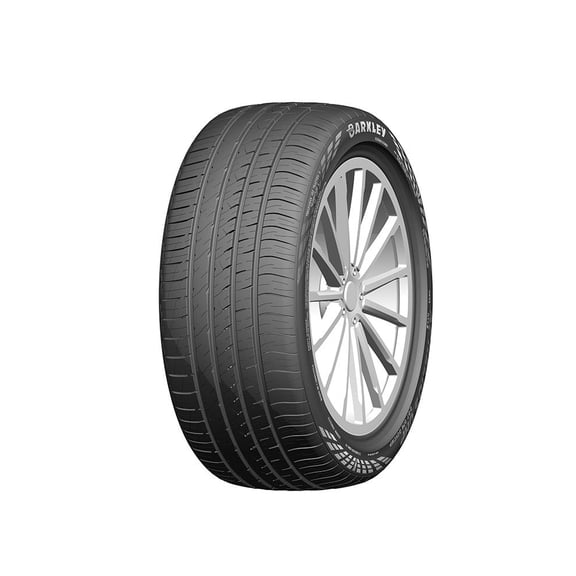
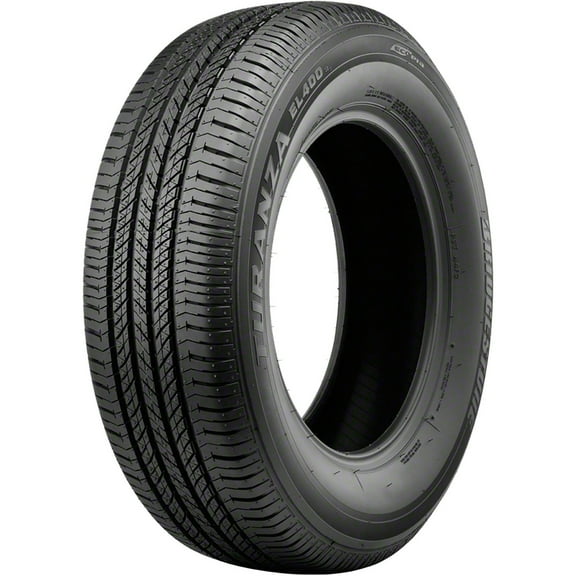








About 255/40-18 Tires: All-Season & Performance Tires - Walmart.com
When you need 255/40r18 tires, you can narrow your options fast by matching fitment, seasonality, and performance details. You’ll see this size on sporty sedans and coupes, where precise width, sidewall height, and 18-inch wheel fit matter.
Understanding 255/40r18 tire specifications
If you’re comparing 255/40/18 options, you should start with the size code printed on your current tire sidewall. You’ll read 255 as the section width in millimeters, 40 as the aspect ratio, and 18 as the wheel diameter.
That 40-series sidewall gives you a shorter profile than taller touring sizes, so you’ll often notice a sharper steering feel. You should still confirm your vehicle placard, because the right size keeps your fitment consistent.
When you review 255/40r18 tires, you should also check the speed symbol and load index on the sidewall. Those markings help you match your tire to your vehicle’s stated requirements and intended driving style.
Choosing seasonality for 255/40/18 tires
You’ll want to compare seasonality before anything else, because tread design changes how your vehicle responds in different weather. You can usually choose from all-season, summer, or winter-marked options in this size.
If you drive through changing temperatures, you may prefer all-season tires for broad everyday use. You’ll typically get a balanced mix of dry traction, wet-road confidence, and everyday drivability.
If you prioritize warm-weather grip, you may look at summer-focused tread patterns in 255 40 r18 tires. You’ll often get more direct handling and cornering response on dry pavement.
If you face cold roads or snow, you should check winter options and sidewall markings such as M+S. You’ll want to confirm the exact seasonal designation shown on the tire before you choose.
- You can use all-season tires when you want one set for daily commuting and mixed weather.
- You can choose summer tires when you want crisp steering and warm-weather road feel.
- You can select winter-marked options when your climate calls for cold-season traction features.
- You should compare tread pattern and sidewall markings to match your driving conditions.
Choosing fitment and construction details
You should confirm that your 255/40r18 tires match your vehicle’s approved width, aspect ratio, and rim diameter. You’ll avoid guesswork when you compare the sidewall code with your owner information.
If you’re reviewing 255/40zr18 choices, you should know the ZR marking relates to high-speed tire classification. You’ll still need to check the full speed symbol and load index, because those details complete the fitment picture.
You may also compare run-flat and standard construction when you’re replacing a factory set. You’ll want to verify whether the manufacturer designed your vehicle around run-flat tires, suspension tuning, or specific wheel requirements.
Run-flat designs can let you keep moving for a limited distance after pressure loss, depending on the tire design. Standard tires may give you a different ride feel, so you should match your setup carefully.
You should also look at tread pattern, sidewall design, and intended category, such as touring or performance. Those details help you choose whether you want quieter commuting, firmer road feedback, or seasonal versatility.
Using 255/40/18 tires for real driving needs
If you drive a performance sedan, you may want 255/40/18 tires that support quick turn-in and stable highway manners. You’ll often see this size on vehicles that balance everyday use with sharper handling.
When your commute includes rain, highway miles, and weekend errands, you may lean toward all-season construction. You’ll get a practical mix of tread life expectations, daily comfort, and year-round usability.
If your vehicle spends more time on dry roads, you may compare summer compounds and performance tread layouts. You’ll likely focus on steering precision, cornering feel, and responsive braking on warm pavement.
When temperatures drop for part of the year, you should consider switching by season instead of using one setup year-round. You’ll be able to match your tire choice to the conditions you actually drive.
If your vehicle manual calls for a specific load index or speed symbol, you should keep that requirement front and center. You’ll make a smarter choice when you compare those markings before tread style or appearance.
You may also use this size search to compare replacement tires for factory wheels without changing diameter. That approach helps you keep your original wheel fit while choosing the road feel you prefer.
How to choose 255/40r18 tires with confidence
You can simplify your decision by checking size, season, speed symbol, load index, and run-flat status in that order. You’ll end up with 255/40r18 tires that fit your vehicle and support the way you actually drive.
You can feel more confident when your tire size, seasonal category, and sidewall markings all align. You’ll get a cleaner fitment match and a more predictable driving experience from your next replacement set.