


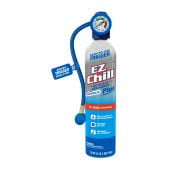
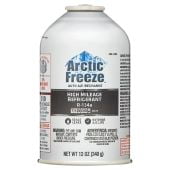
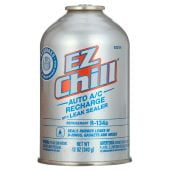
Automotive Refrigerants and AC Fluid Supplies








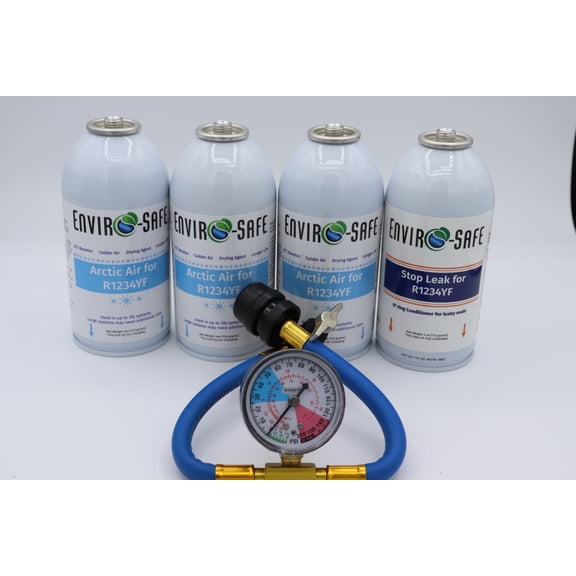
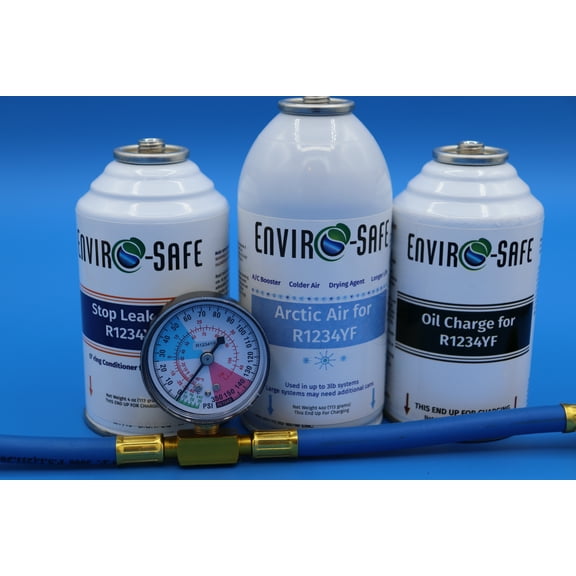
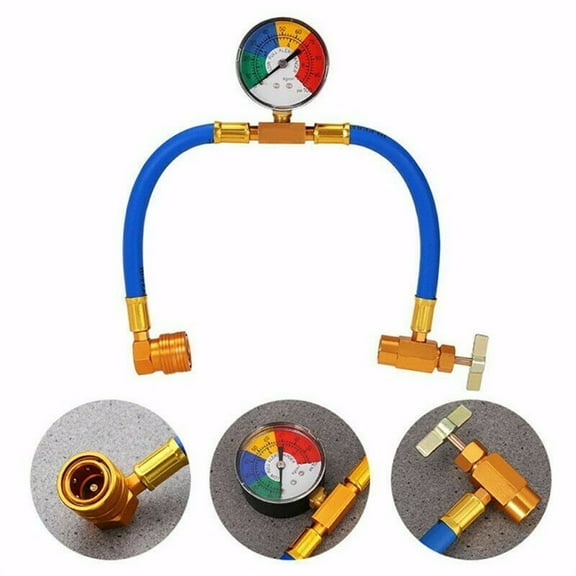
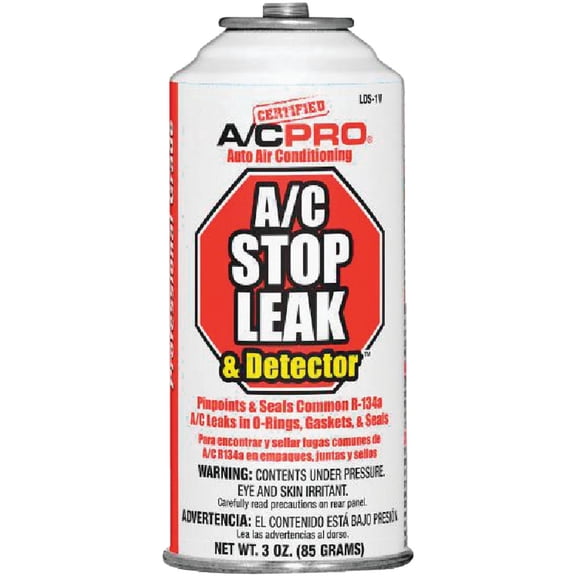



About Automotive Refrigerants and AC Fluid Supplies - Walmart.com
Refrigerants help you restore cooling performance when you need the right match for your vehicle, HVAC setup, or refrigeration equipment. You can compare refrigerant type, application, container size, and formulation to narrow choices with less guesswork.
If you're replacing ac refrigerant, you should start with compatibility before anything else. You’ll also want to check valve style, can size, and any added UV dye or leak sealer.
How to choose refrigerants by type
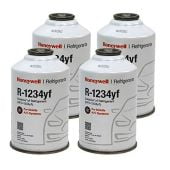
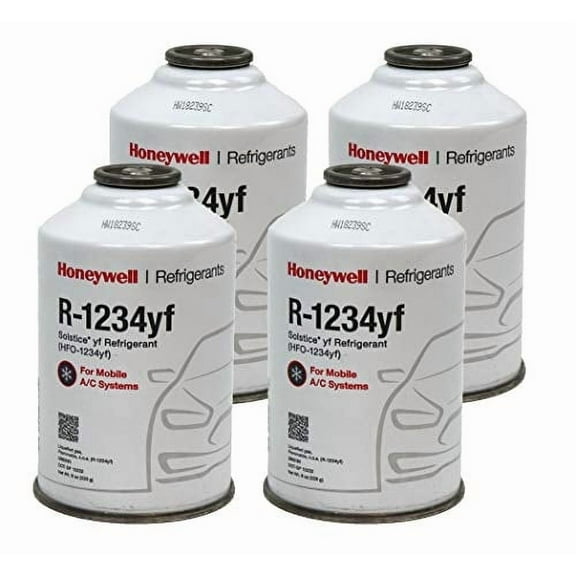
You should match refrigerants to your exact system because R-134a, R-1234yf, R-410A, and R-22 aren't interchangeable. You can avoid wasted time by checking your service label, owner materials, or equipment tag first.
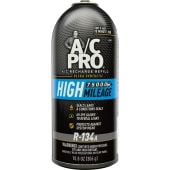
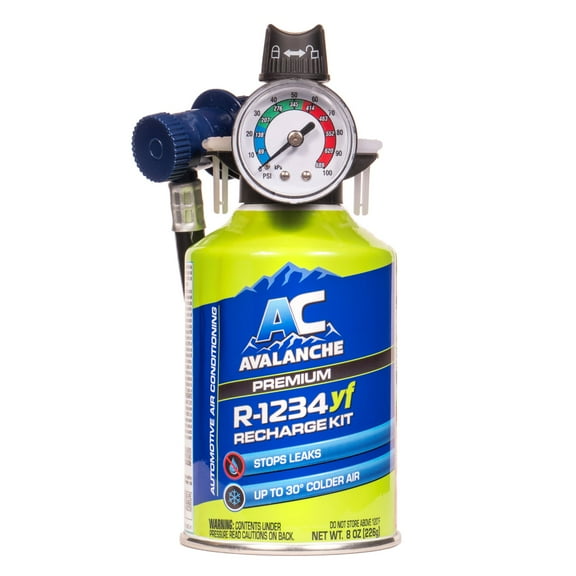
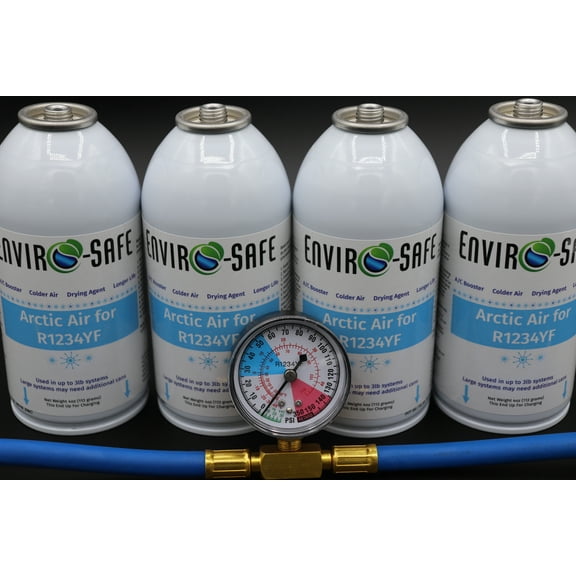
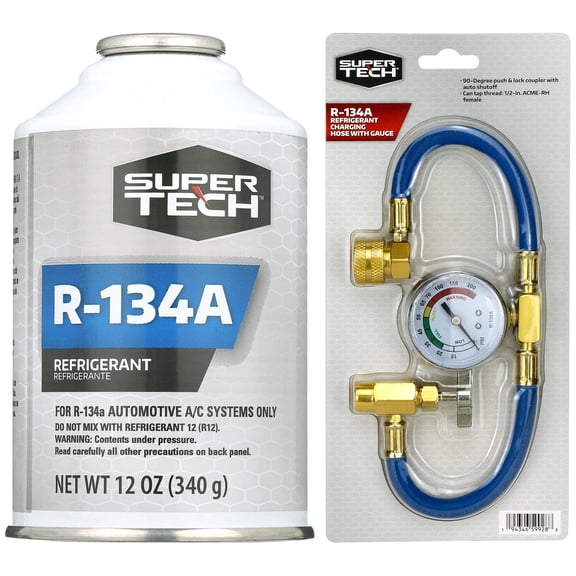
When you compare r134a refrigerant with R-1234yf, you’re usually looking at different automotive AC systems and service fittings. You should confirm your model year and port style before choosing a can or recharge setup.
For home HVAC or commercial refrigeration, you may see R-410A or R-22 listed for specific equipment needs. You should use the refrigerant gas named for your system, because the wrong type won’t match required operating conditions.
What to look for in application and compatibility
You can shop faster when you separate automotive AC, home HVAC, and commercial refrigeration products by use. Your system type determines the refrigerant, fitting style, and often the container format you’ll need.
If you need car refrigerant, you may prefer smaller cans that work with recharge tools and common service tasks. If you maintain larger HVAC equipment, you may need larger cylinders that fit broader system capacity.
- You should confirm your refrigerant type on the equipment label before selecting any canister or cylinder.
- You should compare automotive AC and home HVAC listings because fittings and intended uses can differ.
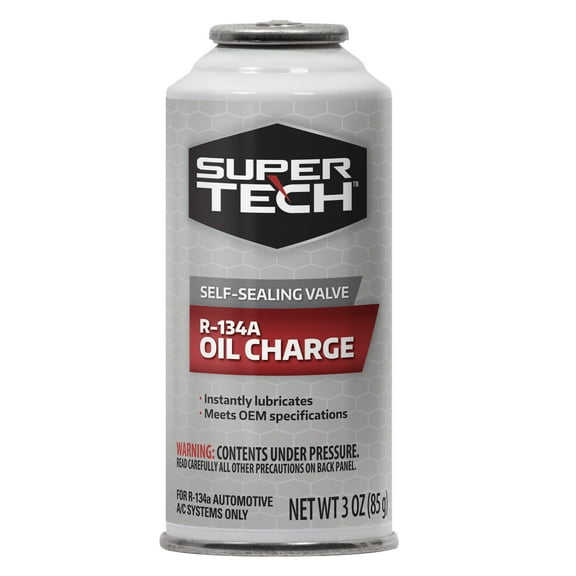
- You should check whether your setup uses a self-sealing valve or a puncture-style connection.
- You should match container size to system capacity so your refill plan stays straightforward.
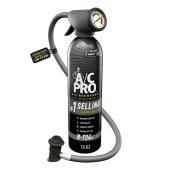
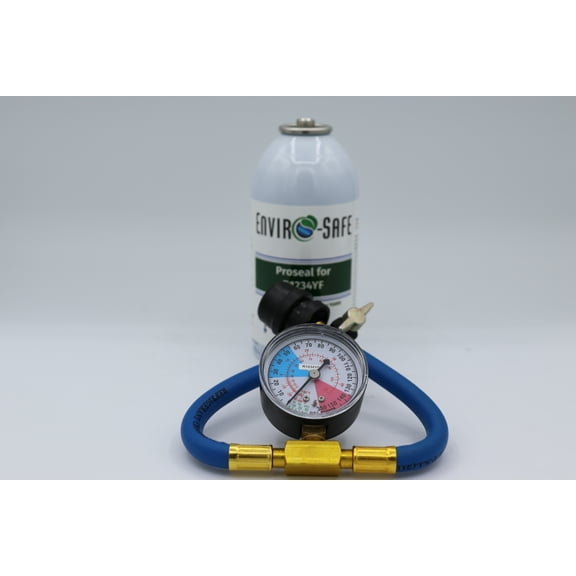
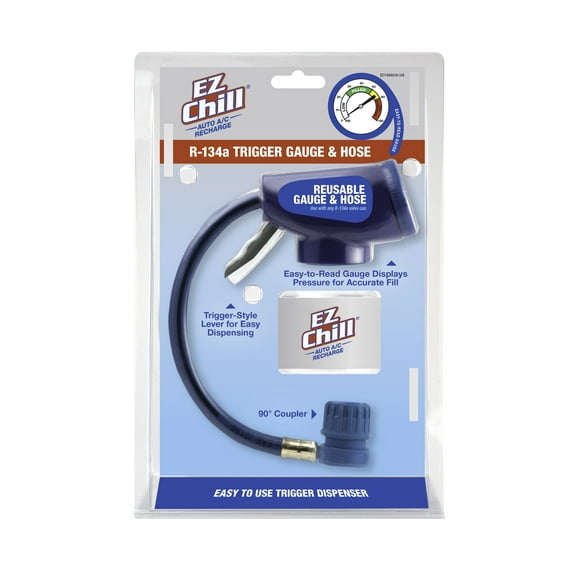
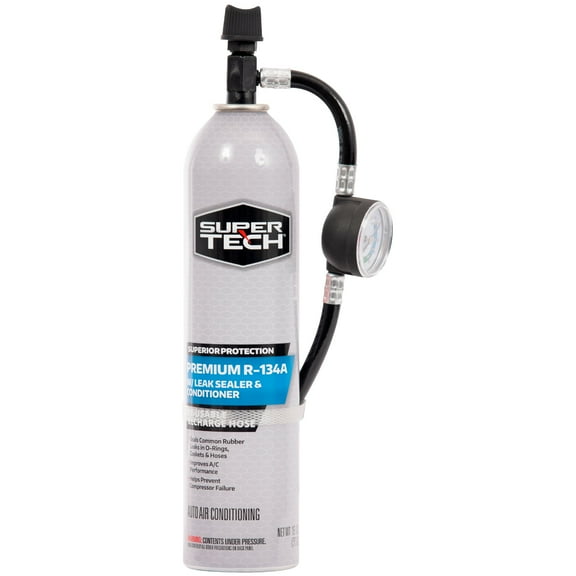
You’ll notice that self-sealing cans matter when your recharge hose or gauge set requires that connection style. You can avoid compatibility issues by checking the can top and tool description together.
Choosing container size and connection style
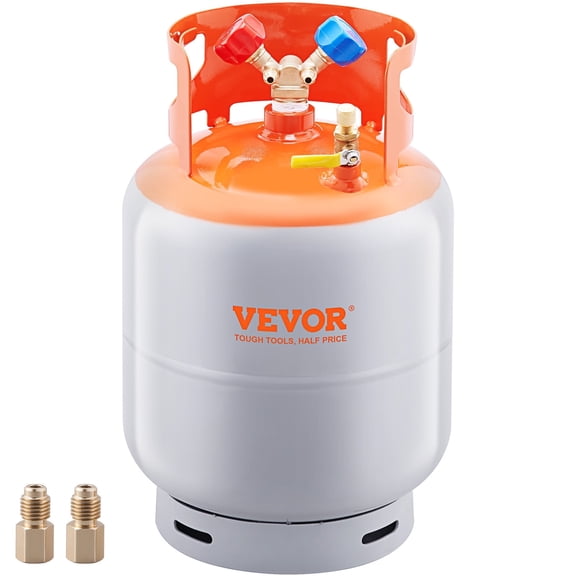
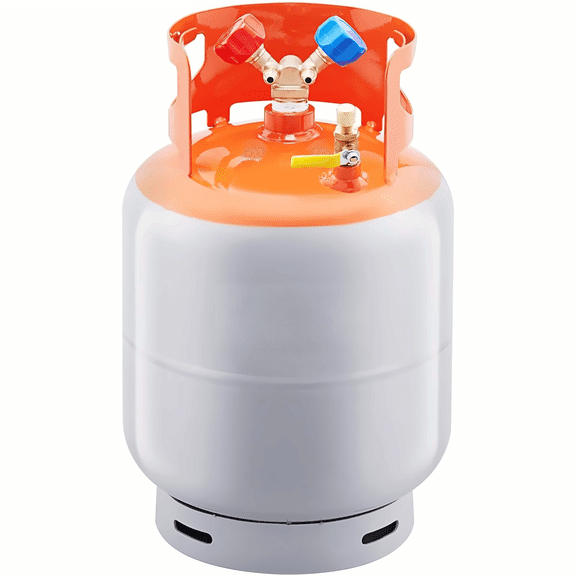
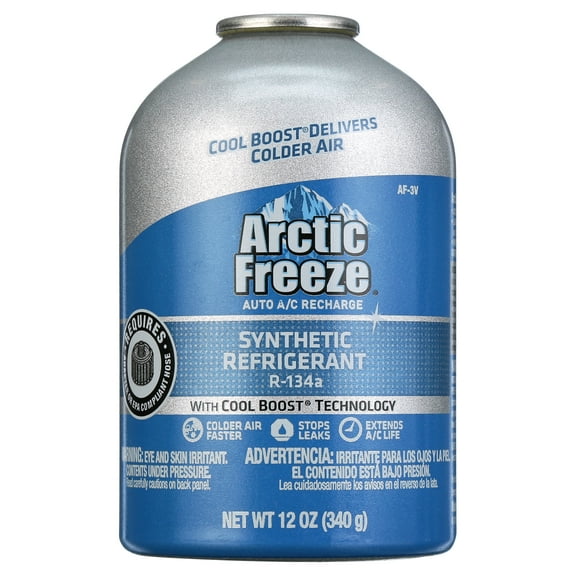
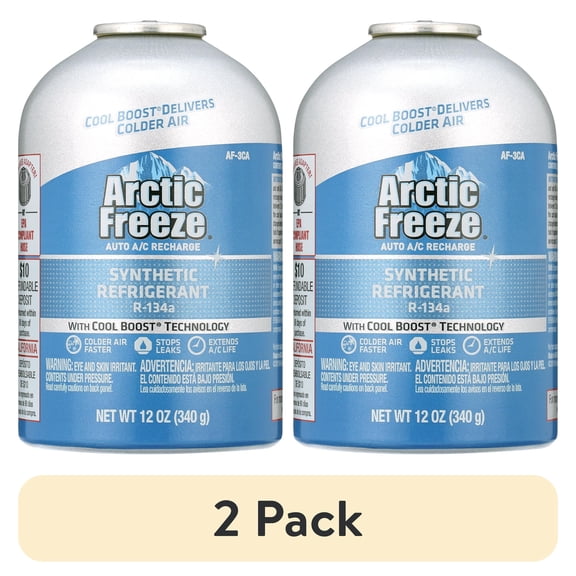
You can find refrigerants in 12 oz and 28 oz cans, plus larger 10 lb and 25 lb cylinders. Your ideal size depends on whether you’re topping off one system or servicing larger equipment.
If you’re handling a small automotive refill, a 12 oz can may fit your needs and storage space. If you’re working on larger systems, you may want a bigger refrigerant canister for fewer changeouts.
You should also compare self-sealing and puncture-style options before you choose ac refrigerant for your project. Your existing hose, gauge, or recharge kit often determines which can style fits your setup.
When you check connection type early, you can avoid returns and delays during service. You’ll have an easier time when your can, tap, and charging tools all match.
Comparing formulations for your service plan
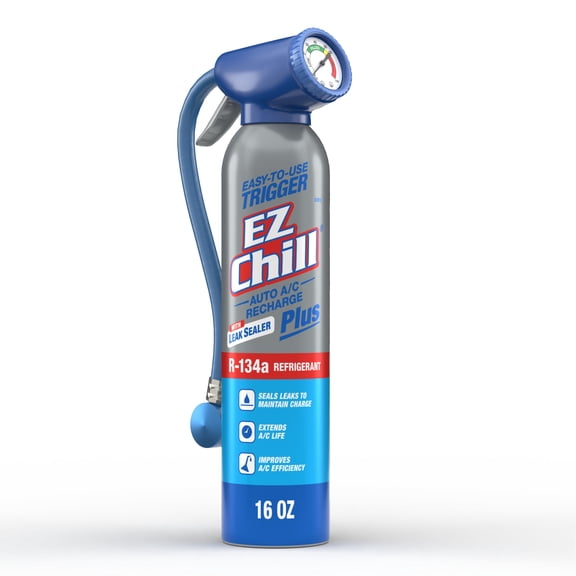
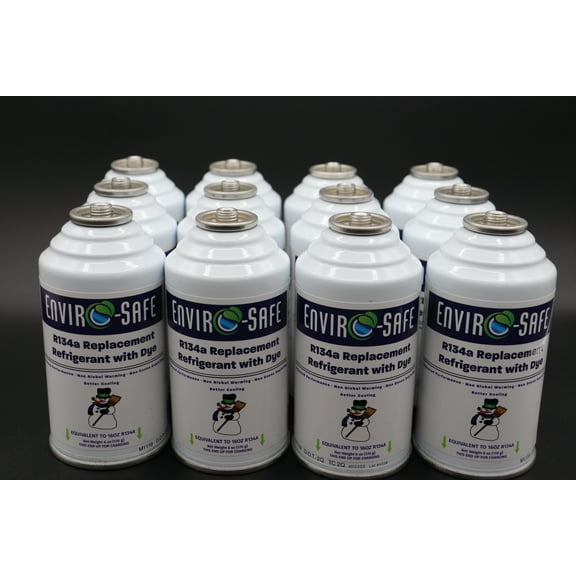
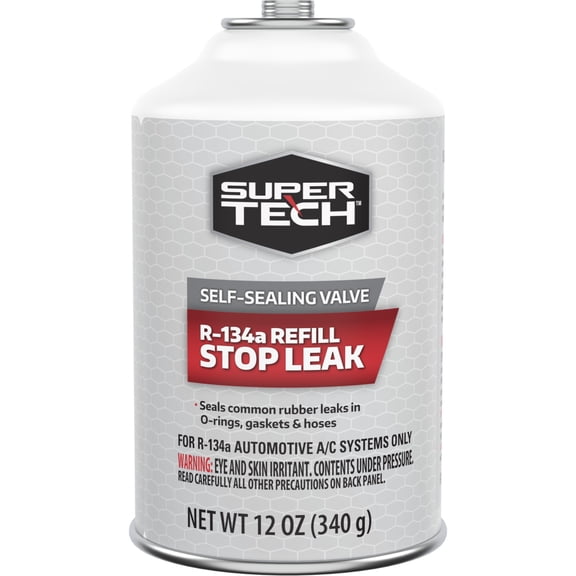
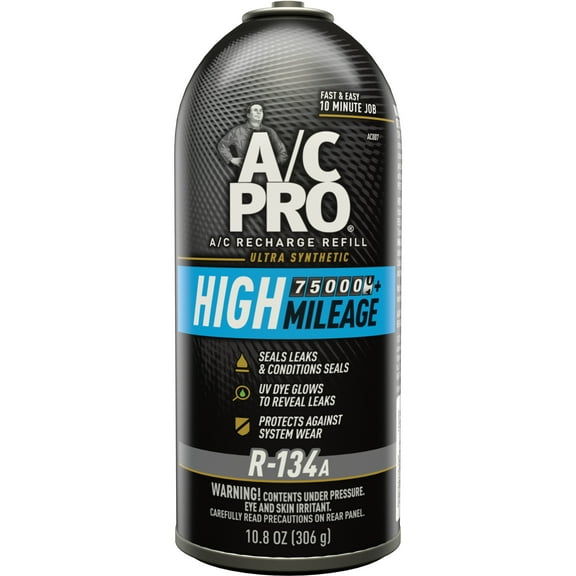
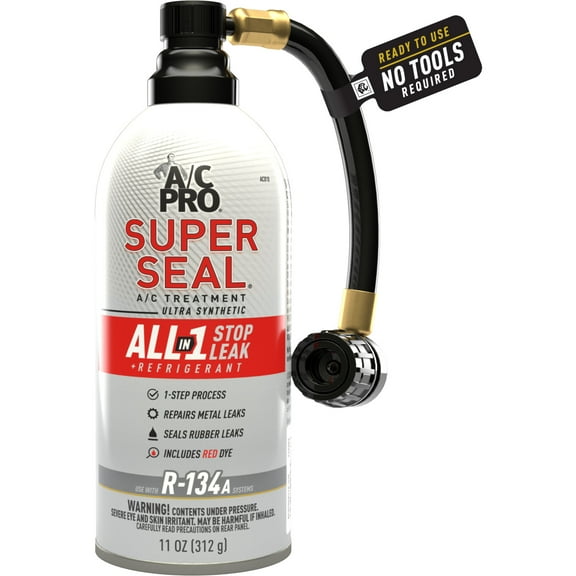
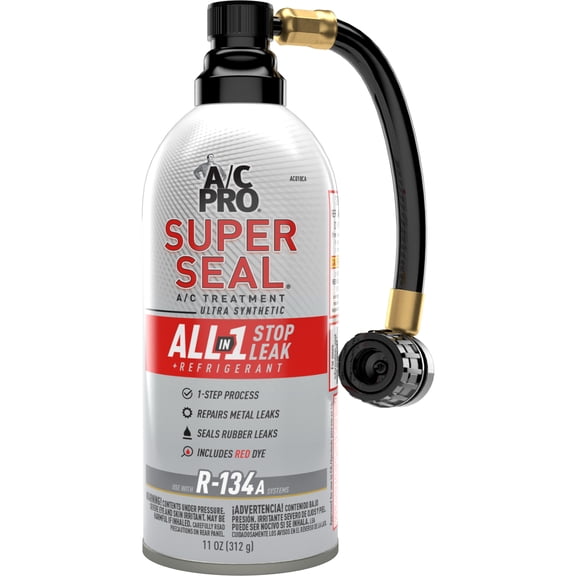
You can choose pure refrigerant when you want a straightforward refill that matches your system requirements. You may also see refrigerant with stop leak or UV dye for more specific service goals.
If you want help spotting leak locations during inspection, you may prefer a formulation with UV dye. If your listing includes refrigerant with leak sealer, you should confirm that approach fits your maintenance plan.
You should read product details carefully because formulations can vary by intended use and included additives. Your decision may depend on whether you want a simple recharge or a blend with extra service features.
Using refrigerants for auto, home, and commercial needs
If you’re refreshing cooling in a daily driver, you may focus on r134a refrigerant or R-1234yf based on your vehicle label. You should also check whether your recharge hose supports a self-sealing can.
When you’re maintaining central air or another home system, you should verify the exact refrigerant listed on the unit. You can then compare cylinder sizes that fit your service scope and storage needs.
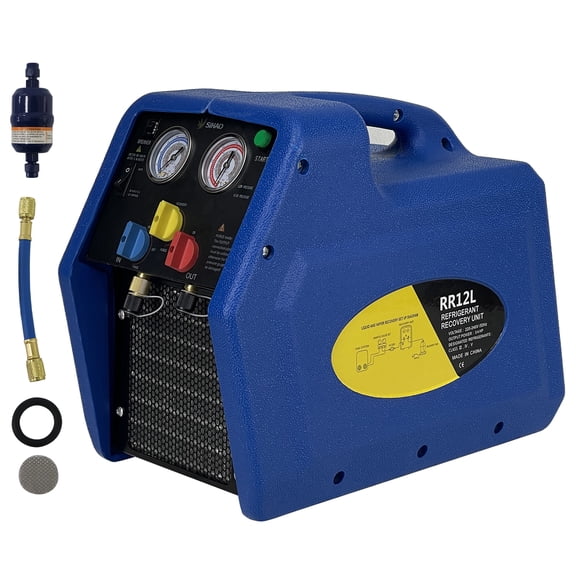
For commercial refrigeration work, you may need larger containers and system-specific refrigerant gas for repeated service tasks. You should review capacity needs, application details, and connection requirements before choosing.
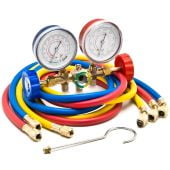
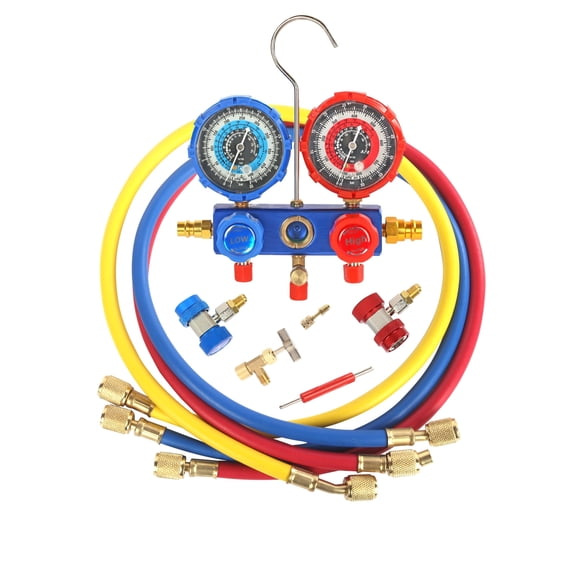
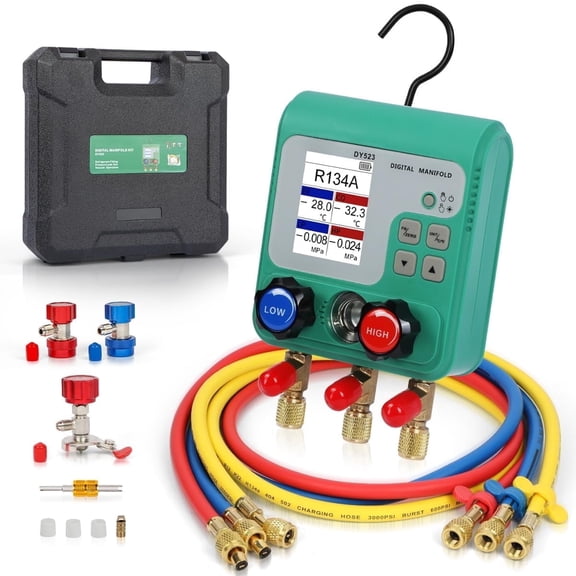
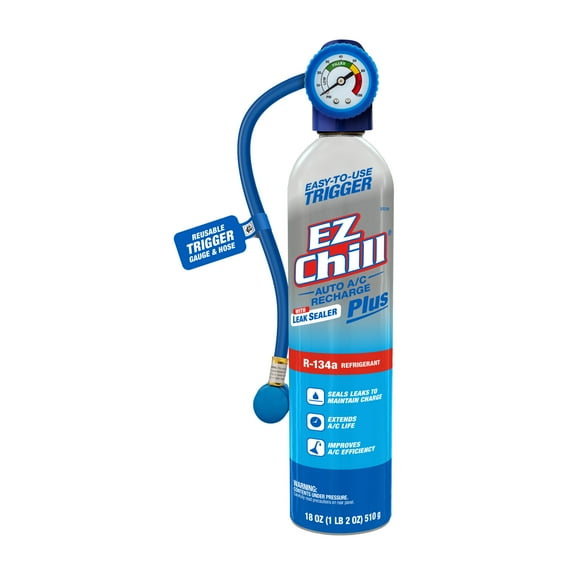
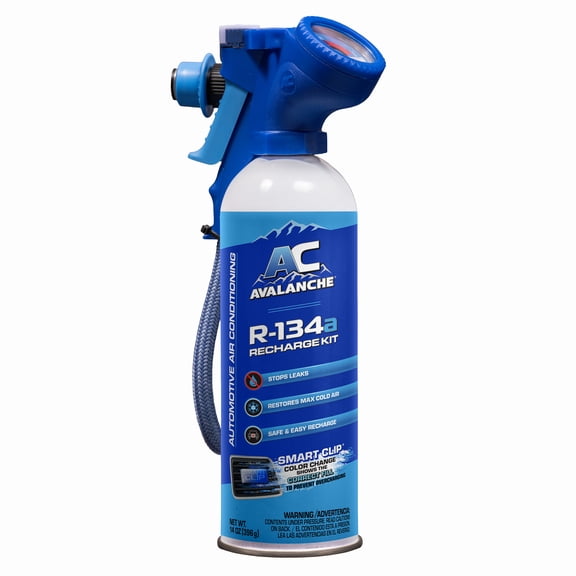
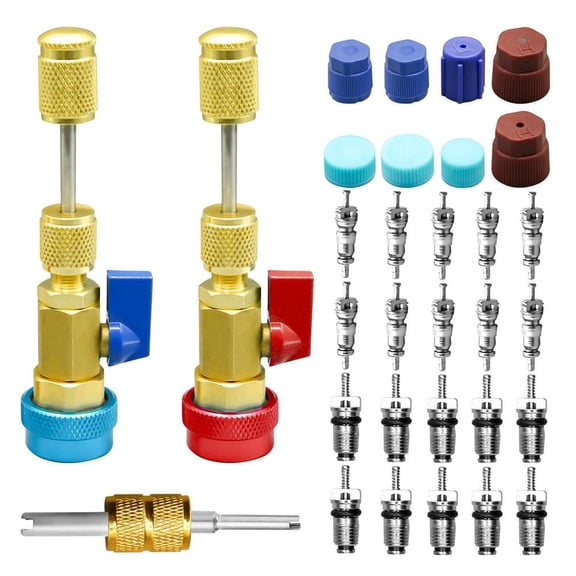
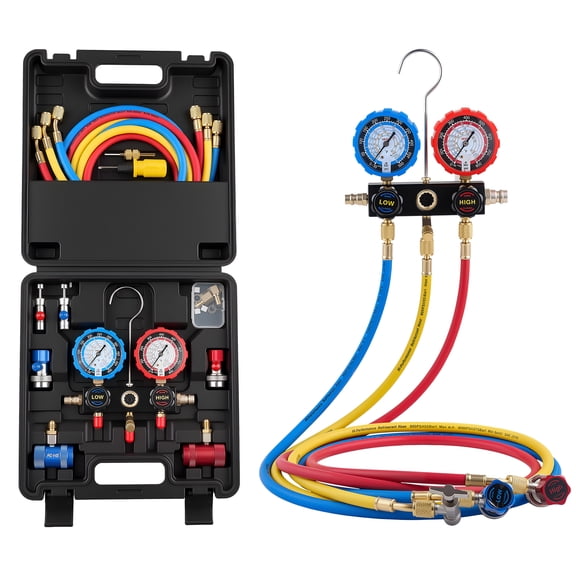
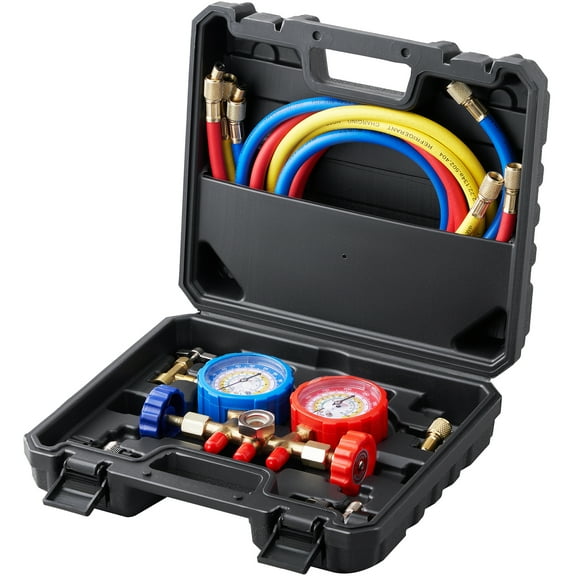
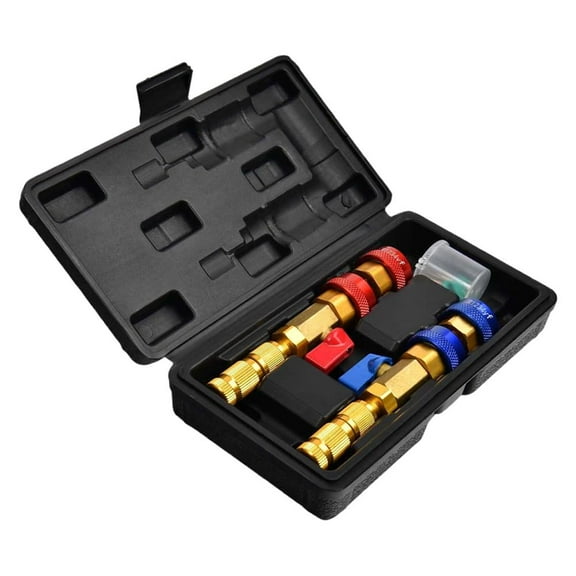
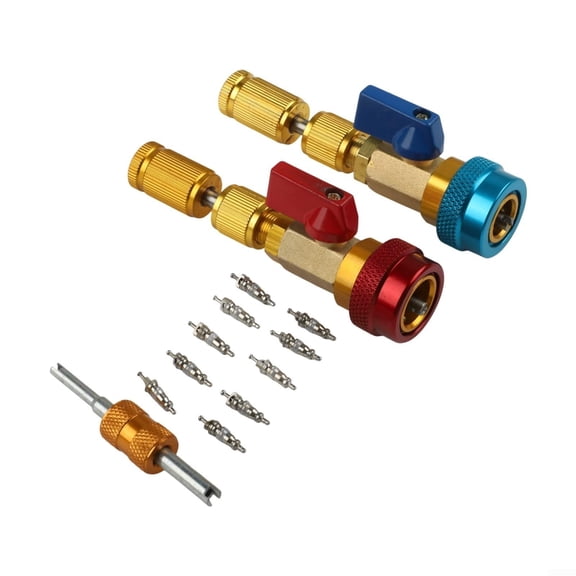
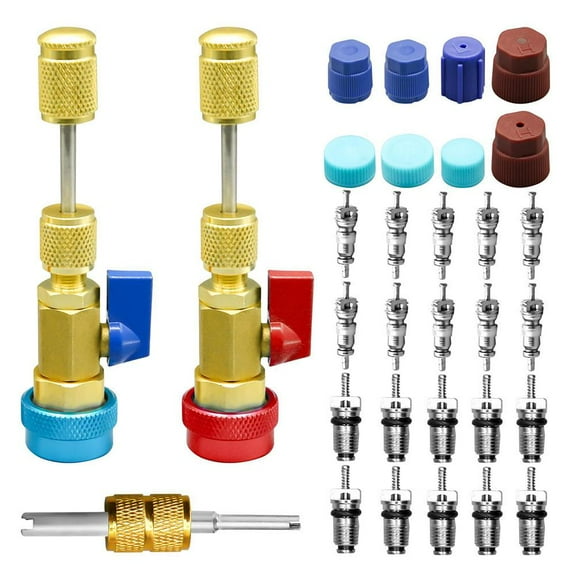
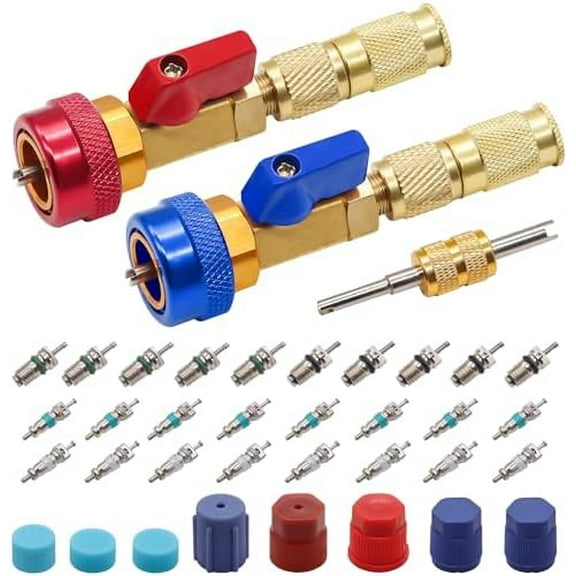
You can also build a more complete setup by pairing your selection with AC recharge kits, manifold gauges, or automotive tools. Your project gets simpler when you plan your refrigerant and service equipment together.
Why the right refrigerant choice matters
You’ll get a smoother buying experience when you compare refrigerants by type, application, container size, and formulation first. Your final pick is easier when it matches your label, tools, and refill plan.
With the right match, you can handle recharging or servicing with clearer direction and fewer compatibility surprises. Your system-specific choice helps you stay focused on the job at hand.