


Find tires that fit
Let’s search for tires that fit your vehicle.205/75/15 Nearby Tires & 205/75R15 Tires | Walmart
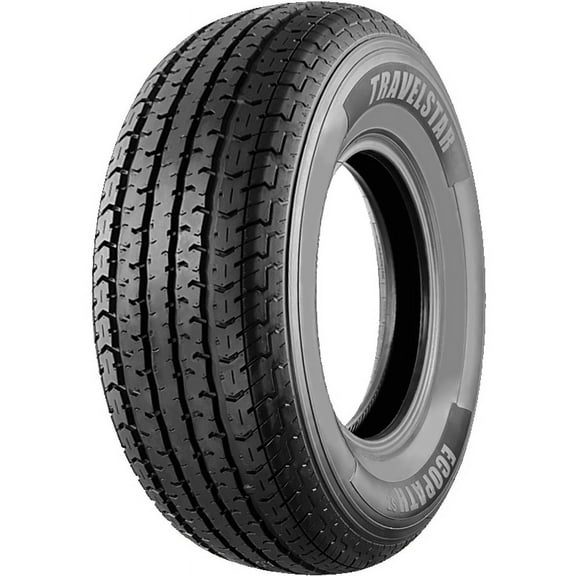

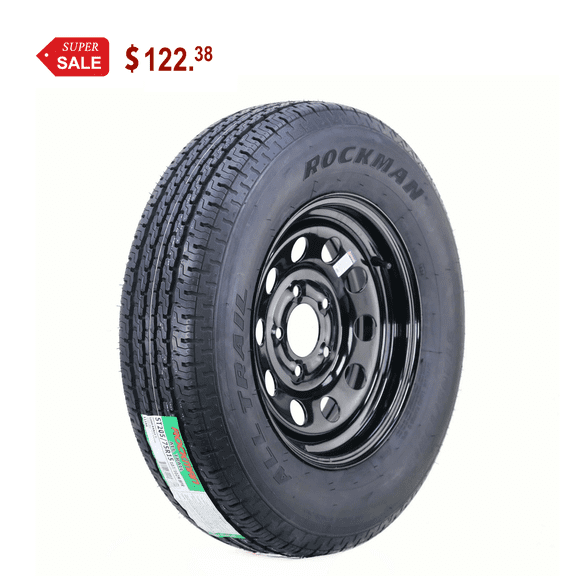

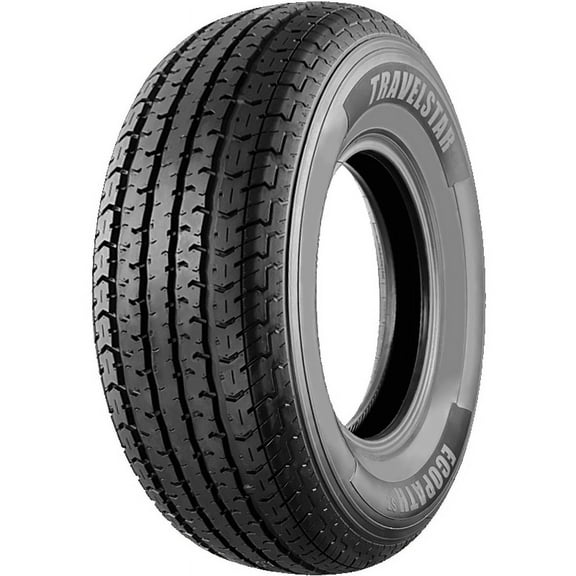
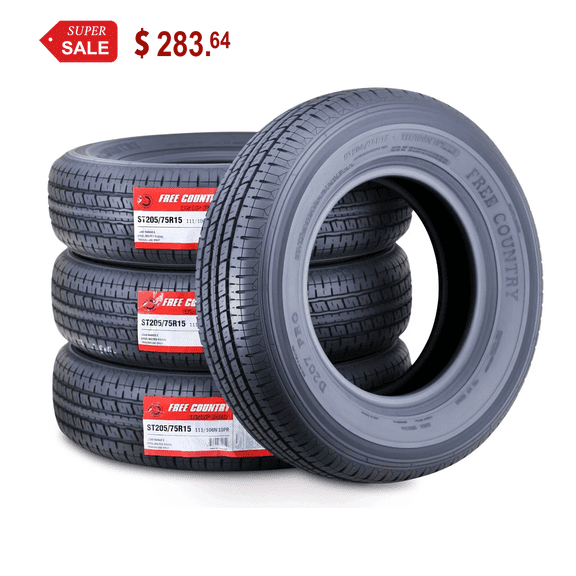


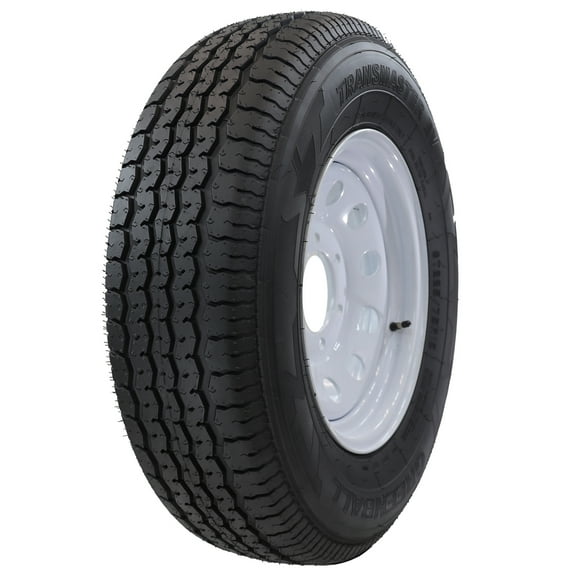
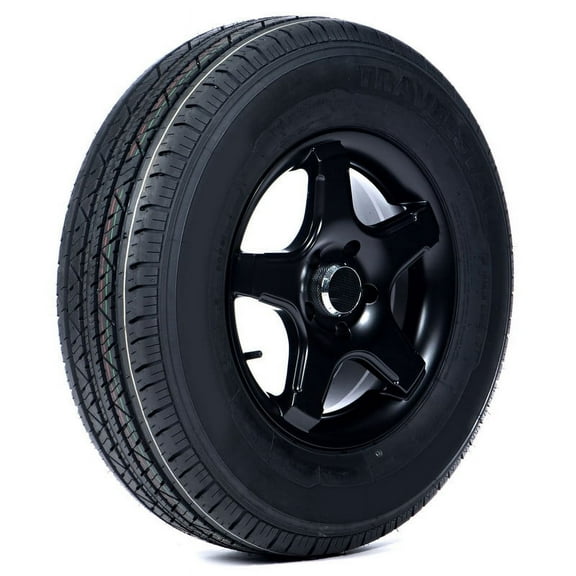
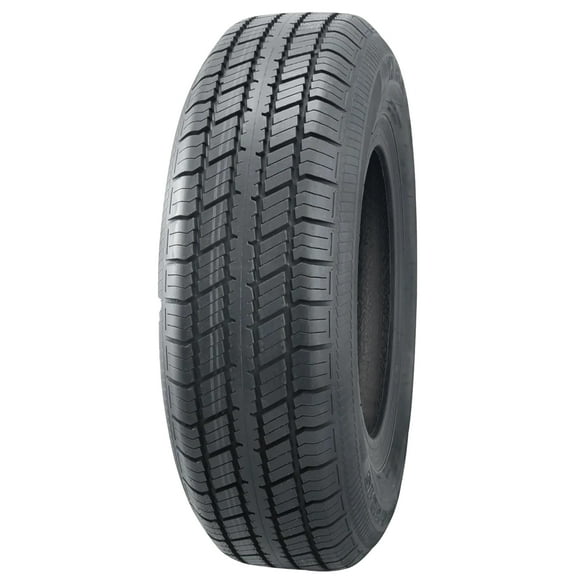

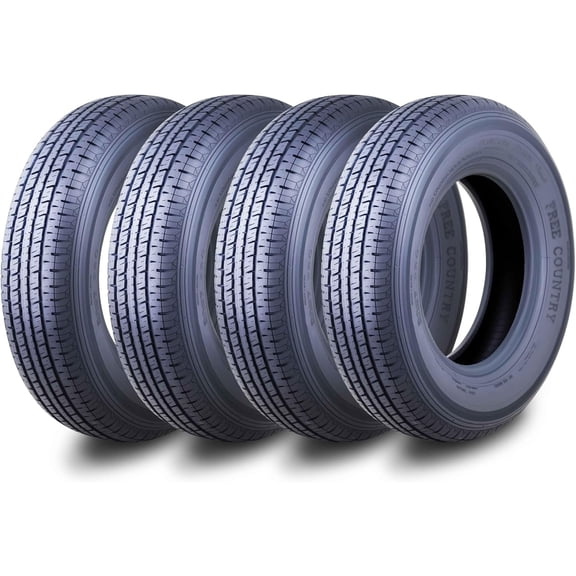


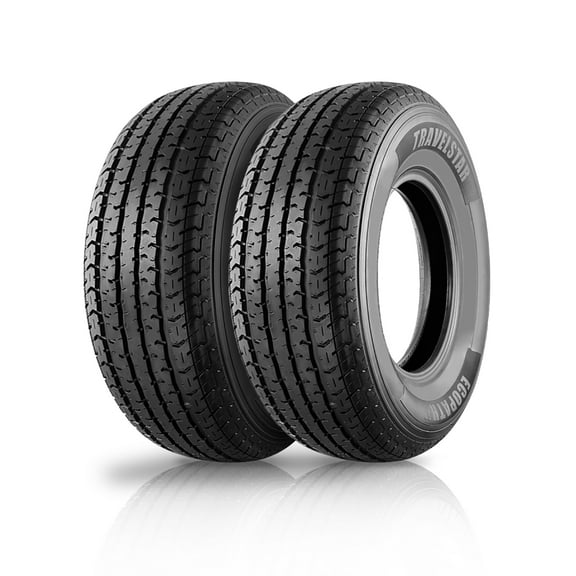
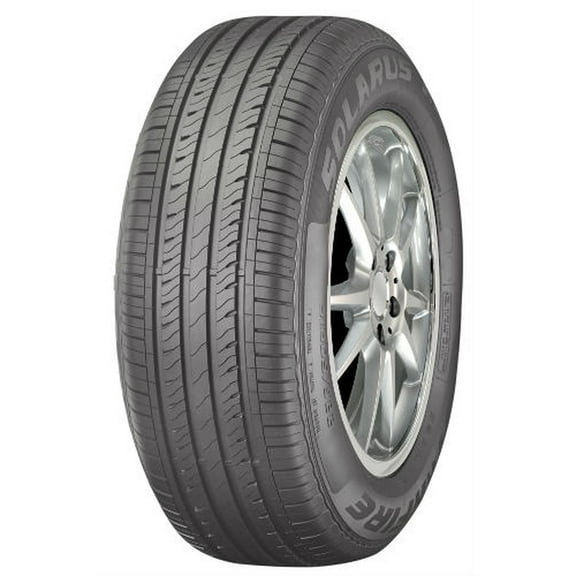

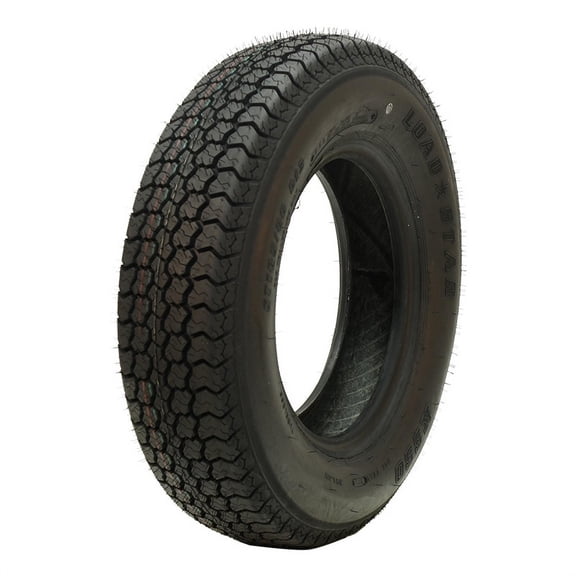

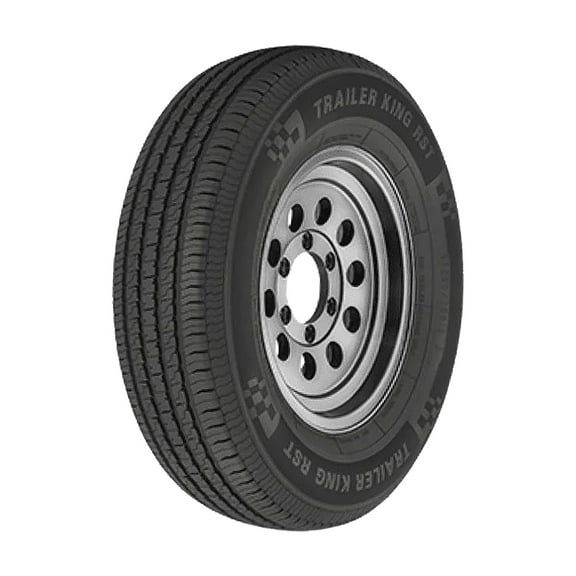
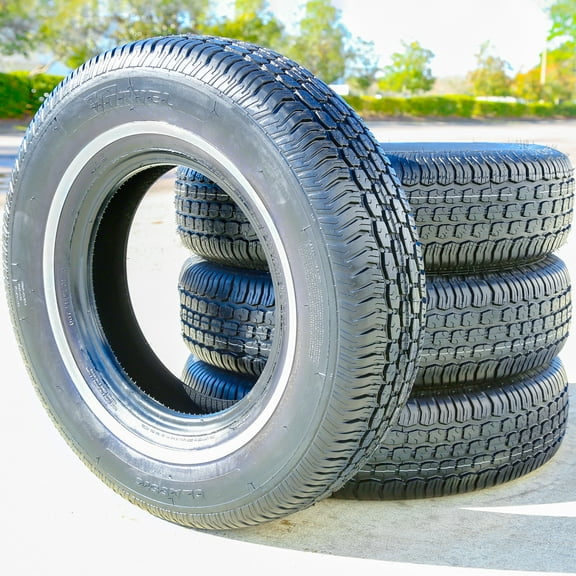


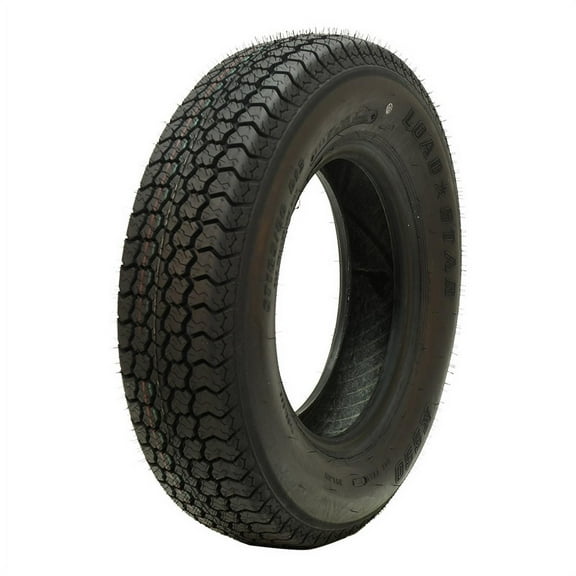


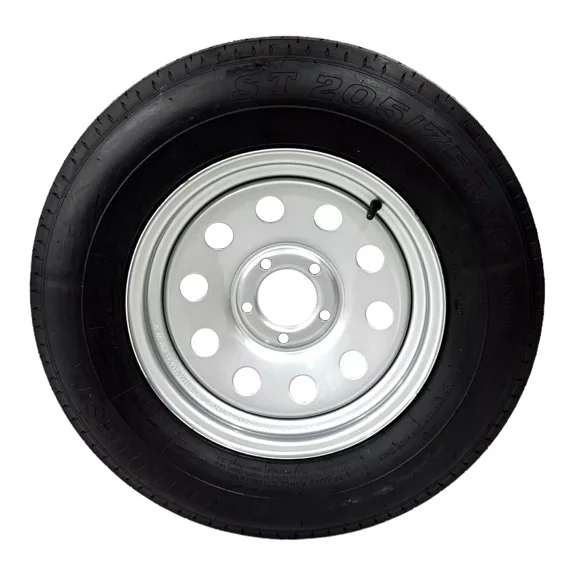
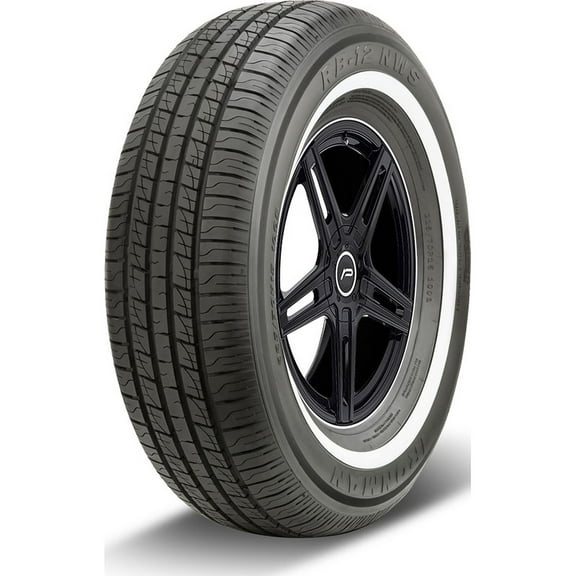

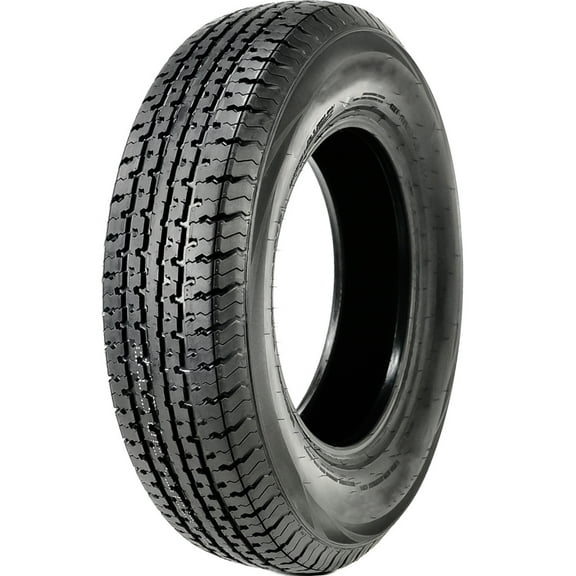


About 205/75/15 Nearby Tires & 205/75R15 Tires | Walmart - Walmart.com
When you need 205 75r15 tires, you’re usually matching trailer fit, load support, and steady highway towing. You can use this size guide to compare ST applications, radial construction, and load range details that matter.
Choosing 205 75r15 tires by application
You should start with how you plan to use 205 75r15 tires on your trailer, truck, or SUV. You’ll want the sidewall markings to match your vehicle or trailer requirements before you compare tread styles.
If you need 205 75r15 trailer tires, you should look for ST sizing because it’s designed for trailer use. You’ll often choose this option when you want support for towing and predictable tracking behind your vehicle.
You may also compare highway, all-terrain, and 205 75r15 all season tires for light-duty driving needs. You’ll notice each application balances road manners, tread pattern, and year-round usability differently.
- You can choose ST tires when your trailer setup needs sidewall support for towing.
- You can choose highway patterns when your daily driving calls for smooth road contact.
- You can choose all-terrain options when your route includes gravel, dirt, or mixed surfaces.
- You can choose all-season designs when you want flexible use across changing weather conditions.
How to compare load range and ply rating
You should check load range before anything else if your trailer carries equipment, gear, or recreational loads. You’ll usually see Load Range C, Load Range D, or Load Range E listed on product pages.
If you compare Load Range C and load range d 205 75r15 options, you’re comparing different carrying capacities and inflation requirements. You should confirm your trailer placard and wheel rating before you move to a higher load range.
You may see six-ply or eight-ply terminology used with these sizes, and you should treat it as a rating reference. You’ll want to focus on the listed load index and max PSI because those numbers guide fitment decisions.
For campers, utility trailers, and boat trailers, you should match the tire to the load you actually pull. You’ll get a clearer choice when you compare capacity per tire instead of guessing by appearance.
Choosing between 205 75r15 radial tires and bias ply
You should compare construction type next because it changes how your setup feels on the road. You’ll often find 205 75r15 radial tires favored for smoother highway towing and more even tread contact.
If your route includes long highway miles, you may prefer radial construction for steadier tracking and less bounce. You’ll usually appreciate that feel when your trailer spends hours behind your vehicle.
If your work involves shorter trips or demanding load support, you may consider bias-ply construction instead. You’ll often notice a stiffer sidewall feel that some towing setups prefer for certain hauling patterns.
You should also compare your typical speed range and towing distance before you choose. You’ll make a smarter decision when construction matches how often and how far you tow.
What to look for in inflation pressure and sidewall details
You should read the sidewall and product specifications closely because max PSI affects carrying capacity. You’ll want the tire rating, wheel rating, and trailer requirements to align before installation.
If you’re replacing an older trailer tire, you should compare the marked pressure with your current setup. You can avoid guesswork when you verify load index, speed rating, and inflation details together.
You may also want to review tread depth, sidewall design, and speed category for frequent highway use. You’ll get more confidence from a listing that clearly shows application, capacity, and construction type.
When you compare several options, you should keep your measurements exact and your usage realistic. You’ll narrow the field faster when you match PSI limits and load needs to your actual trailer setup.
Matching 205 75r15 tires to real towing and driving needs
You can use this size for many common trailer jobs, and your choice should reflect the load and route. You’ll shop differently for a fishing trailer than you would for a cargo trailer or small camper.
If you tow on interstates often, you may lean toward 205 75r15 trailer tires with radial construction and clear speed information. You’ll usually want stable tracking and consistent behavior during longer highway trips.
If your trailer carries heavier equipment, you may focus on load range details before tread style. You should compare Load Range C, D, and E options based on rated capacity and wheel compatibility.
For mixed driving on a vehicle that uses this size, you may compare highway, all-terrain, or all-season patterns. You’ll want tread design that fits pavement use, gravel access roads, or changing seasonal conditions.
You may also cross-shop related sizes when your current setup allows a different fitment path. You should confirm clearance, wheel width, and manufacturer guidance before moving away from this exact size.
Why this 205 75r15 tires guide helps you choose confidently
You can narrow 205 75r15 tires quickly when you compare application, load range, construction, and PSI in that order. You’ll make a more informed pick for towing stability, fit, and everyday usability.
With the right sidewall markings and capacity details, you can choose a tire that matches your trailer or vehicle requirements. You’ll leave with a clearer path to dependable highway towing support.