

Electric Fireplaces


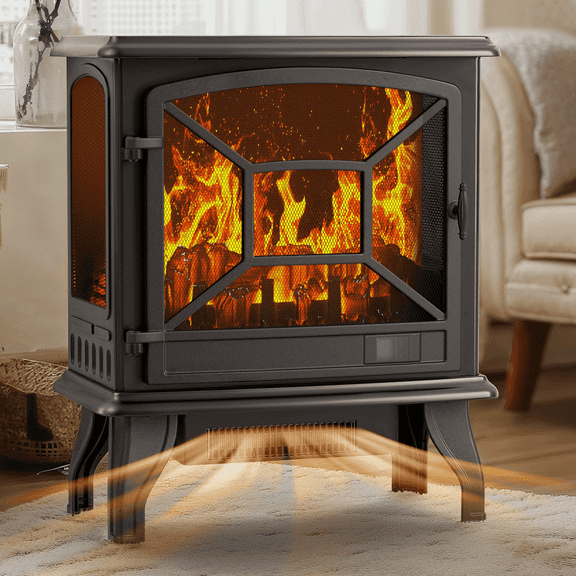
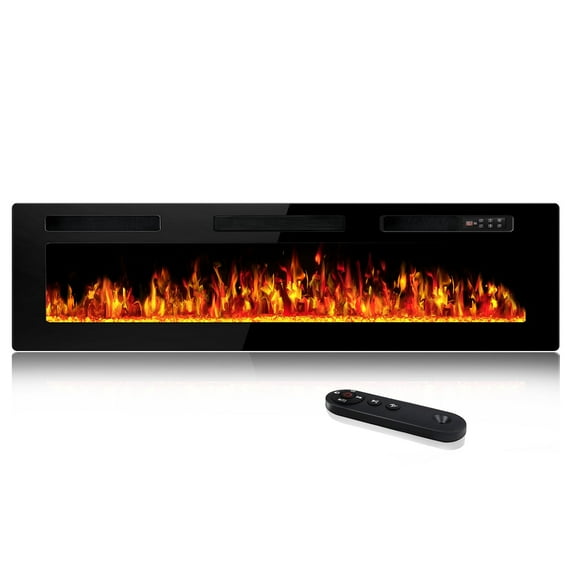


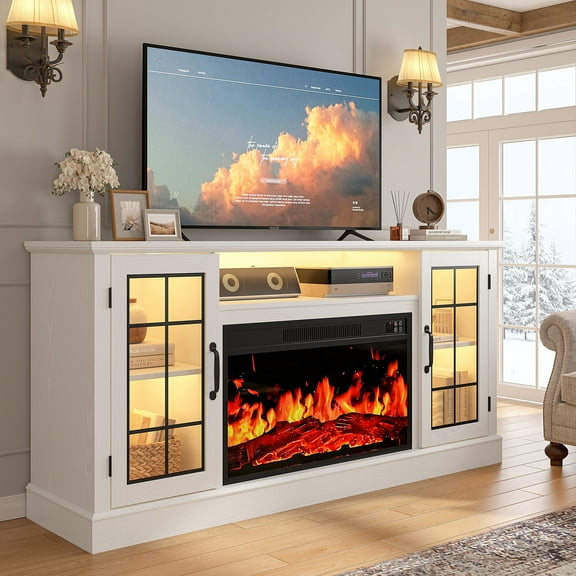


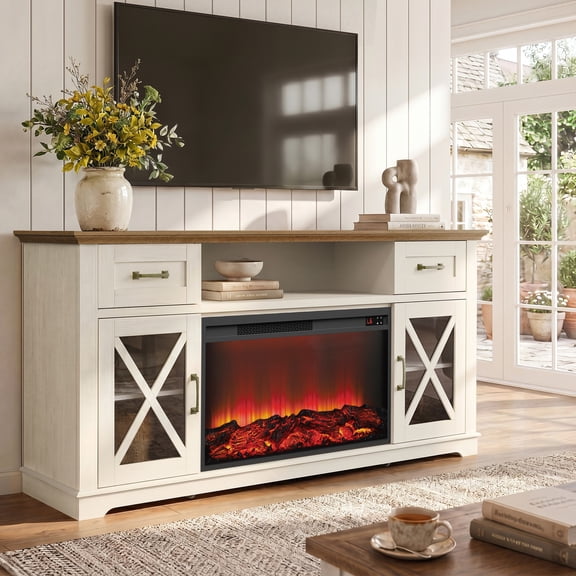






















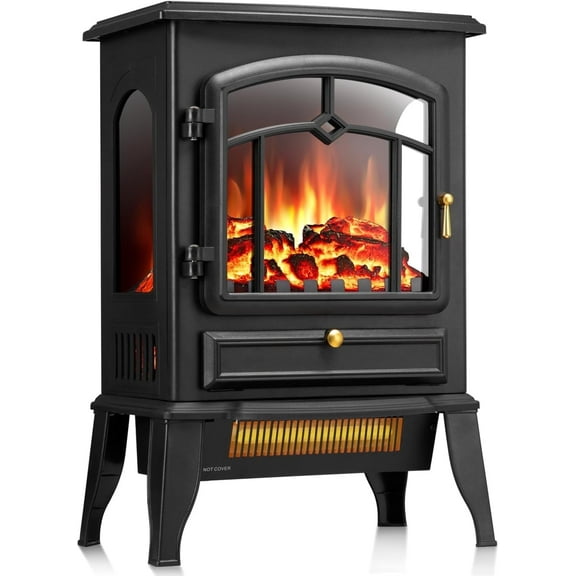
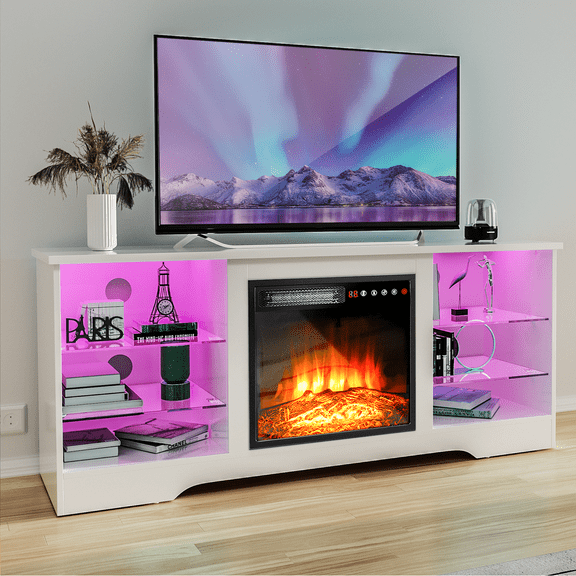




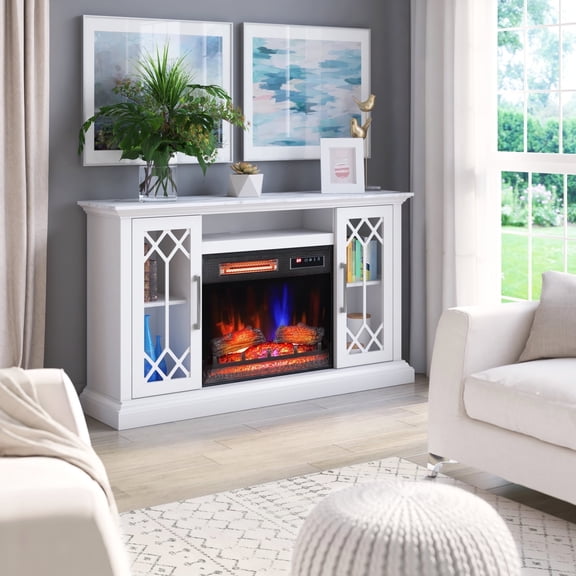
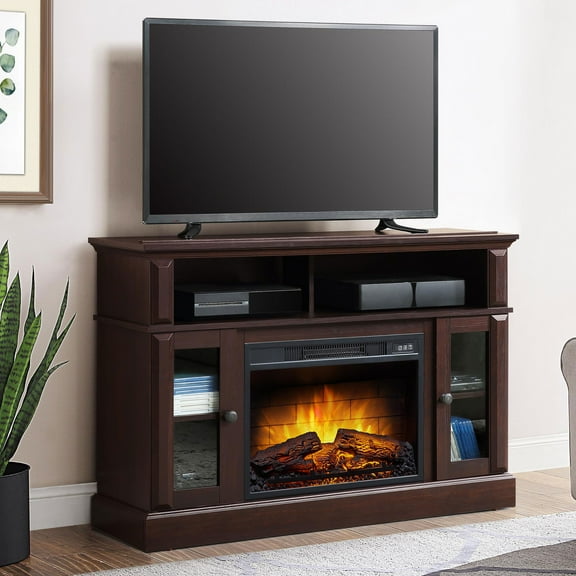


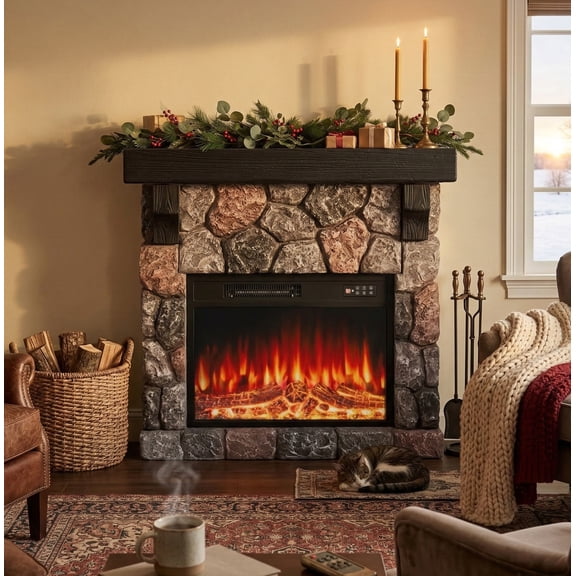


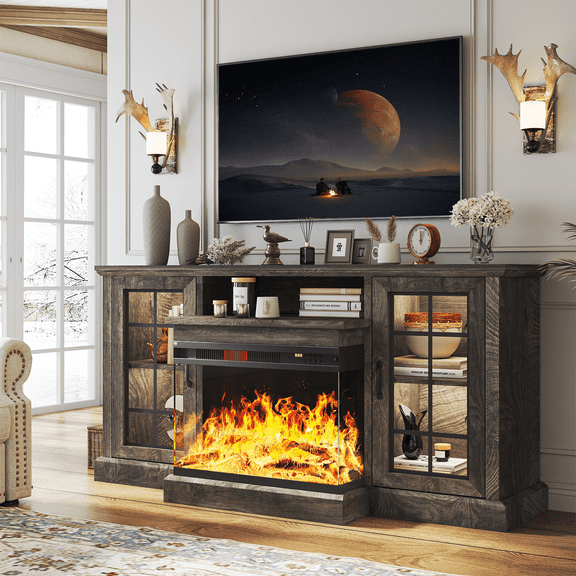


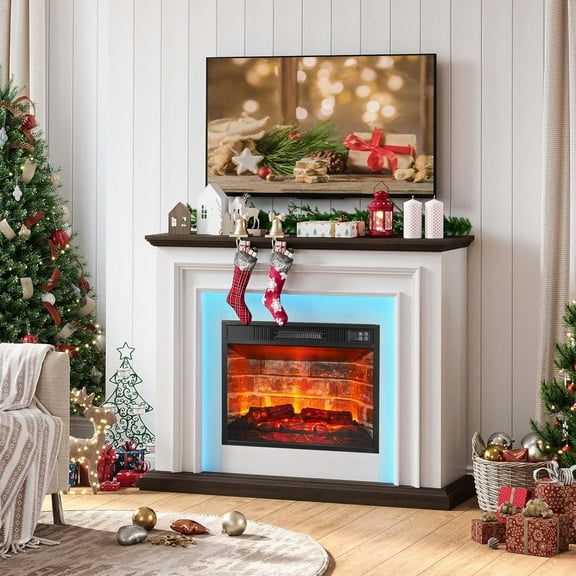


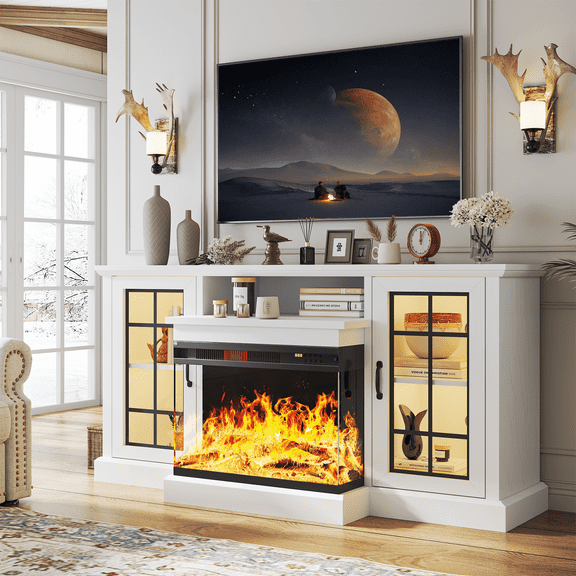
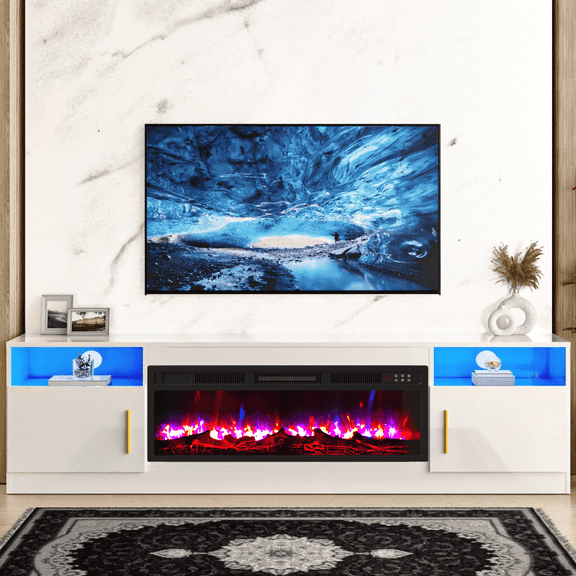


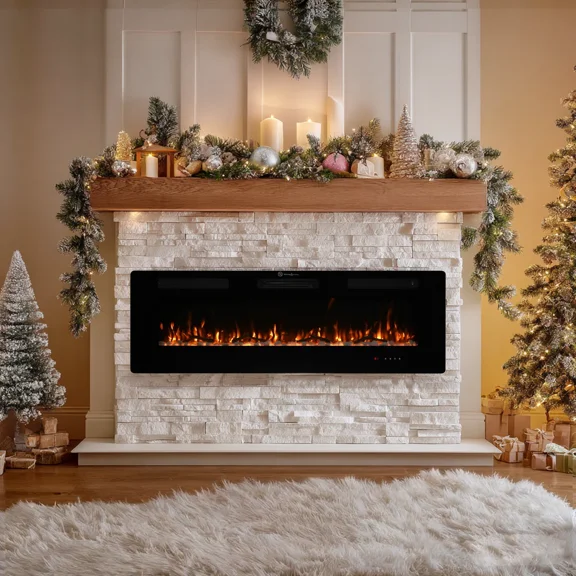


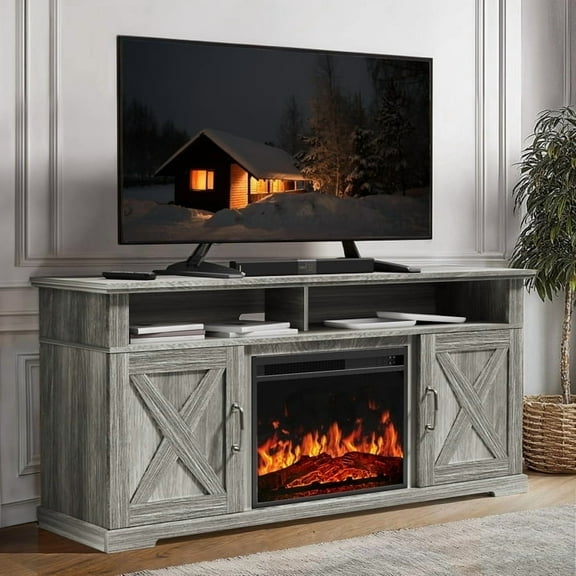


About Electric Fireplaces - Walmart.com
Chainsaw chains help you restore clean cutting when your saw needs an exact fit. You can compare bar length, pitch, gauge, and drive links before you choose your replacement.
If your current chain pulls rough or cuts slowly, you’ll want sizing details that match your saw. You can use this guide to narrow chainsaw chains by the measurements that matter.
How to choose chainsaw chains by bar length
You should start with bar length because it guides your first compatibility check. You’ll commonly see 14 inch, 16 inch, 18 inch, and 20 inch options across this category.
A 16 inch chainsaw chain fits only when your saw also matches the required pitch, gauge, and link count. An 18 inch chainsaw chain also needs those exact companion specs before you replace it.
You can check your owner’s manual, bar stamp, or current chain markings for the right size. If your markings are worn, you can measure your bar and compare the chain details carefully.
- You can use bar length to narrow your options quickly.
- You can compare chain specs before opening your toolbox.
- You can avoid guesswork when your replacement must match exactly.
How to match replacement chainsaw chain pitch and gauge
You should compare pitch and gauge next because both measurements control how the chain fits your saw. You’ll often see 3/8 inch, .325 inch, 3/8 inch Low Profile, and .404 inch pitch options.
You can think of pitch as the spacing between chain links and the drive sprocket match. You can think of gauge as the drive link thickness that fits the bar groove.
If your saw uses .050 inch gauge, you shouldn’t choose .043 inch or .058 inch instead. If your saw needs 3/8 inch Low Profile, you should match that specific format exactly.
You’ll usually find these technical details on the bar, in the manual, or on the package label. When you compare them carefully, your replacement chainsaw chain fits with less trial and error.
How to confirm drive link count for chainsaw chains
You should verify drive link count because it determines the chain’s total loop length. You’ll see common counts like 52 links, 56 links, 62 links, and 72 links.
If your chain length looks close but the drive link count is off, your fit still won’t be correct. You need the exact count so the chain wraps the bar and sprocket properly.
You can count the drive links on your current chain if you cannot read the printed number clearly. You can also cross-check your saw model and bar size to confirm the correct loop.
When your count matches, you’ll spend less time adjusting tension after installation. You’ll also have a clear path when you compare chainsaw blades and replacement loops online.
How to compare cutter style and chain design
You should also compare cutter style because it affects how your saw performs in different cutting conditions. You’ll usually see semi-chisel, full-chisel, and low-kickback chain designs in this category.
If you cut mixed wood, you may prefer semi-chisel cutters for a rounded working corner. If you cut cleaner wood, you may choose full-chisel cutters for clean, direct cutting.
If you want a steady feel for routine yard work, you may prefer a low-kickback design. If you cut storm debris or dirty wood, you may lean toward semi-chisel for forgiving performance.
You can use these design differences to match your chain to your cutting style. You can also compare package notes for sharpening needs, cutter shape, and intended saw size.
Choosing 16 inch chainsaw chain and 18 inch chainsaw chain options
You may shop by common sizes when your saw uses a popular homeowner bar length. You should still confirm pitch, gauge, and drive links before you choose any listed option.
A 16 inch chainsaw chain often suits compact saw setups for limb work and routine property cleanup. An 18 inch chainsaw chain often suits larger cutting tasks when your saw supports that bar length.
If you compare only the length, you may miss a mismatch in sprocket fit or bar groove width. You should treat bar length as your first filter, not your only measurement.
How to compare brand compatibility and model fit
You should always confirm brand compatibility because model fit varies across saw platforms. You may search for an oregon chainsaw chain, but you still need the exact matching specifications.
If you run Oregon, Stihl, Husqvarna, or Craftsman equipment, you should compare the listed fit notes closely. You can use brand compatibility as a shortcut, but you shouldn’t use it as your only check.
You may also see chains listed as chainsaw blades when you compare replacement parts online. That wording can support your search, but you should still verify bar length, pitch, gauge, and links.
How chainsaw chains fit your cutting tasks
You can match chain size and cutter style to the work you handle most often. If you trim limbs around your yard, you may want a light setup with a shorter bar.
For a compact saw, you might compare a 14 inch or 16 inch chainsaw chain with the correct low profile pitch. That setup can help you make controlled cuts in smaller branches and cleanup jobs.
If you handle larger logs, you may compare an 18 inch chainsaw chain or 20 inch option. You should still confirm gauge and drive links, because bar length alone won’t determine fit.
When you replace a worn loop, you’ll want a chain that matches your saw and your cutting routine. With the right specs in place, you can get smooth operation and clean, consistent cuts.
Popular in Electric Fireplaces - Walmart.com
- Built Electric Fireplace
- Builtin Electric Fireplace
- Electric Fireplaces Red
- Electric Fireplace Insert Frame
- Indoor Fireplace
- Napoleon Electric Linear Fireplace
- Electric Fireplaces With Flames
- Ceramic Fireplace Heater
- Sided Electric Fireplace
- 3 Sided Electric Fireplace
- Electric Stone Fireplace
- Fireplace Heaters